
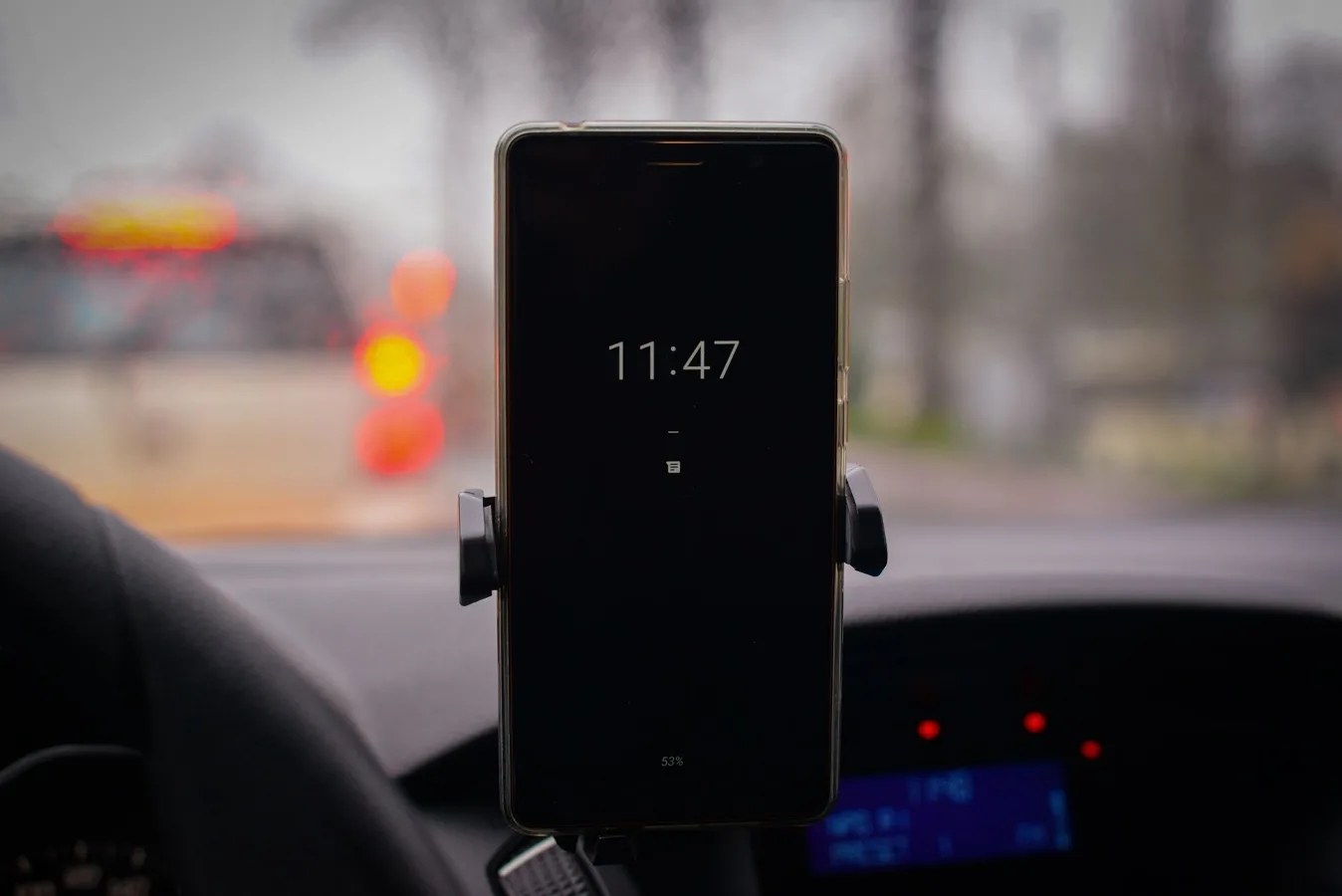
Who a cup holder phone mount makes sense for
A phone mount for car cup holder is usually the right choice for drivers who want a stable place for a phone without relying on a windshield suction cup or dashboard adhesive. It sits inside an existing cup holder, which makes it appealing for people who lease their vehicle, switch cars often, or simply want a less visible setup.
The best fit is usually someone who uses a phone mainly for navigation, music, hands-free calls, or rideshare workflows. It can also work well in older vehicles with limited dash space, or in cars where vents are awkwardly placed and a vent mount would block airflow. If you want a mount that stays out of your forward view and does not require sticky pads, a cup holder design is often the most practical starting point. best phone accessories for daily driving offers more detail on this point. Best Cell Phone Car Cup Holder Mounts offers more detail on this point. phone mount for car air vent offers more detail on this point.
That said, this style is not universal. It trades convenience in some areas for limitations in others. Before buying, the key question is not just whether the mount holds a phone, but whether it works with your cup holder shape, seat position, and daily routine.
The core advantage: stability without permanent installation
One reason cup holder mounts are so popular is that they generally avoid the installation issues associated with dash and windshield mounts. Many use an expandable base, a tightening mechanism, or a weighted structure to anchor themselves in place. That can make them feel more secure than a loose vent clip, especially on rough roads.
They also tend to be easier to remove when you need the cup holder back. For drivers who regularly share a car, drive rentals, or move accessories between vehicles, portability is a real advantage. You are not left with adhesive residue, suction marks, or a mount that becomes part of the car interior.
There is a practical nuance here, though: a cup holder mount is only as stable as the cup holder it sits in. A shallow, oversized, or oddly shaped cup holder can reduce the mount’s grip. That is why fit matters more here than it does with many other phone holder styles.
What to check before you buy
Cup holder fit and base design
The first thing to evaluate is whether the base can adapt to your vehicle’s cup holder. Cars vary widely. Some cup holders are narrow and deep, while others are wide, shallow, or integrated into the console in a way that leaves little room for expansion.
Look for a base design that clearly explains how it adjusts. An expandable base can help in vehicles with varying cup holder diameters, but a design that expands too aggressively may feel less secure if the holder is oversized for your car. In contrast, a slimmer insert-style base may fit more cleanly in compact cup holders but offer less flexibility across vehicles.
A common mistake is assuming all cup holders are standardized. They are not. Measuring the cup holder before you buy is one of the simplest ways to avoid disappointment.
Mount height and viewing angle
Because the mount rises from the center console, height matters. If it sits too low, you may need to glance downward more than feels comfortable. If it sits too high, it can interfere with nearby controls or feel visually intrusive.
Adjustability is especially useful here. A good mount should let you tilt, rotate, or extend the phone into a readable position without blocking shifters, climate controls, or storage lids. For some drivers, a shorter stem is better because it keeps the device lower and more stable. For others, a taller neck improves visibility and reduces neck strain during navigation.
The ideal angle depends on seating position. What feels perfect in one vehicle may be awkward in another, which is why versatility is more valuable than a one-size-fits-all claim.
Phone size and case compatibility
Modern phones are larger and heavier than many older mounts were designed to handle. If you use a thick case, pop socket, wallet case, or attached grip, check that the holder’s arms or cradle can accommodate it without pressing buttons or blocking the charging port.
Some holders use spring-loaded arms; others use a clamp with release buttons; and some use a cradle that supports the phone from the bottom. Each style has trade-offs. A tightly gripping mount may feel more secure, but it can make one-handed removal less convenient. A looser fit may be easier to use, but it may not feel ideal for rough pavement or sharp turns.
If you change phones often or use a bulky case, prioritize a design with a wide adjustable range rather than a minimalist cradle that looks sleek but fits only a narrow device profile.
Material and build choices that matter
For a cup holder phone mount, materials affect not just appearance but long-term usefulness. Plastic is common and can be perfectly adequate, but the quality of the joints, tightening mechanism, and contact points matters more than the label on the box. A flimsy hinge or loose arm can become annoying quickly, even if the mount initially feels fine.
Rubberized pads, silicone grips, and anti-slip surfaces help keep both the phone and the base steady. These small details often matter more than flashy features. A mount that protects contact points and resists rattling tends to feel better after weeks of use than one with a more complicated but less refined design.
Metal-reinforced stems or connectors can improve rigidity, especially on longer adjustable arms. That said, more metal does not automatically mean better. A well-designed plastic mount with solid joints can outlast a poorly made metal one. The practical question is whether the mount resists wobble, holds its angle, and stays quiet when the car moves.
Trade-offs worth thinking about
Every phone mount style has compromises, and cup holder versions are no exception. One obvious trade-off is that they use up a cup holder. If you already rely on that space for coffee, water, or a travel mug, this style may be inconvenient.
Another trade-off is line of sight. Although cup holder mounts are often better than low windshield placements in terms of visibility, they still place the phone lower than a dash mount. For navigation, that can be fine for many drivers, but others may prefer a higher position closer to eye level.
There is also the issue of center-console clutter. A mount with a long stem, large base, or wide support structure can make the front area feel crowded. In compact cars, that can affect comfort more than buyers expect. The right solution is often the least intrusive one that still provides a stable viewing position.
When a cup holder mount is better than other options
A cup holder mount is often a smart choice if you want a low-commitment accessory that does not touch the windshield or rely on adhesive. It is especially useful when:
- you drive a leased or shared vehicle
- you want to avoid suction marks on glass
- your vents are too slim, angled, or weak for a vent clip
- you prefer a mount that can move between vehicles
- you want a relatively tidy setup without covering the dash
Compared with a windshield mount, the cup holder style can feel less visually obtrusive. Compared with a vent mount, it avoids putting weight on fragile vent blades. Compared with a dash mount, it avoids adhesive decisions and residue concerns. That does not make it the best choice in every car, but it explains why so many buyers end up considering it after other styles fail to fit their interior well.
When another style may be the better answer
If you use your phone constantly for navigation and want it high and central, a dash or windshield mount may be more comfortable. If your cup holders are already in use, a vent clip, magnetic dash mount, or CD-slot mount may preserve more usable space. And if you want a minimal setup for quick glances only, a simpler holder may be enough.
Drivers who frequently switch cars should also think about how fast the mount can be installed and removed. Some cup holder mounts are easy to reposition, but others require more fiddling than expected. A design that is technically portable may still be irritating if it takes too much effort each time you move it.
There is a misconception that “more adjustable” always means “better.” In practice, every extra joint or extension point adds another place where wobble can enter the system. For a mount, stability often matters more than flexibility you will never use.
Common mistakes buyers make
One common mistake is choosing based on appearance alone. A sleek listing photo may hide the fact that the mount is too tall, too wide, or not suitable for your cup holder shape. Another mistake is ignoring the weight of the phone itself. Larger devices with heavy cases place more stress on the holder, especially on longer arms.
Buyers also sometimes overlook cable routing. If you plan to charge your phone while driving, check whether the mount leaves enough space for a charging cable without bending it awkwardly. This matters even more if the cup holder sits near the gear selector or another obstacle.
Finally, people often forget how often they use that cup holder for something else. A mount may be fine in theory but frustrating in daily life if it blocks a drink you use every commute.
Practical next steps before ordering
If you are narrowing down options, start with your vehicle, not the product listing. Check the cup holder diameter, depth, and location. Think about whether you usually keep one or both cup holders free. Then consider how you use your phone: navigation only, frequent calls, delivery work, music control, or mixed use.
From there, compare the mount’s base adjustability, arm length, and holder style. A simple checklist is often enough:
- Will it fit the cup holder without wobbling?
- Will it place the phone at a comfortable viewing height?
- Will it hold your phone and case securely?
- Will it interfere with drinks, shifters, or storage lids?
- Will it be easy to remove or transfer between cars?
If you answer those questions honestly, the right choice usually becomes clear. The best cup holder phone mount is not the one with the most features; it is the one that fits your car cleanly, holds your phone securely, and stays out of the way during normal driving.
For shoppers comparing multiple styles across the broader phone accessory category, it can also help to think in terms of use case. A driver focused on road-trip navigation has different priorities than someone who wants a simple hands-free setup for errands. That distinction usually leads to a better purchase than chasing the most heavily promoted listing.
What a good cup holder mount should do well
A strong candidate should feel stable, adjust easily, and remain practical over time. It should not require awkward force to insert, and it should not rattle every time the road surface changes. The phone should be visible without forcing you to stretch, and the mount should not make the center console harder to use.
In that sense, the best options are usually the ones that blend into the cabin rather than trying to dominate it. A cup holder mount is a utility product. Its job is not to impress; its job is to stay put, keep the phone accessible, and make everyday driving simpler.
