
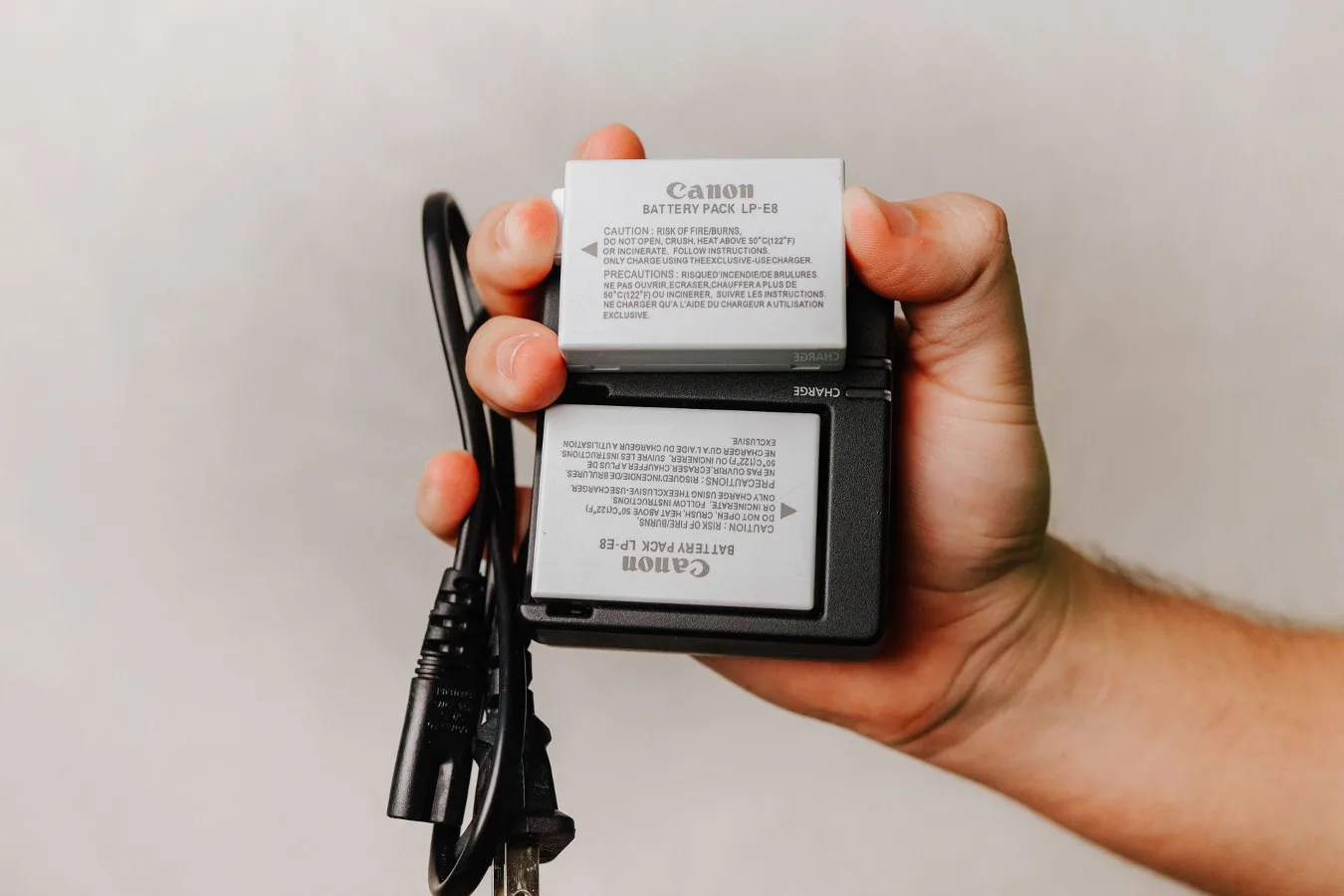
What a Li-Ion Battery Charger Needs to Do
A li ion battery charger is not just a power adapter with the right plug. It has to charge lithium-ion cells using the correct charging profile, match the battery’s voltage and cell count, and stop safely when the battery reaches full charge. That is the basic requirement, and it is the first thing to get right.
For most buyers, the real question is not whether a charger can power a battery, but whether it can charge that battery safely and appropriately. A charger made for nickel-based batteries, for example, is not a substitute. Likewise, a charger that works for one lithium battery may be a poor fit for another if the voltage, connector, or pack design is different.
If you are comparing chargers, focus on compatibility first, then on safety features and convenience. Price and charging speed matter too, but only after the charger is clearly suited to the battery you own.
When It Matters Most
Choosing the right lithium-ion charger matters any time you are charging removable cells, battery packs, or equipment that does not use a built-in charging circuit. It is especially important for hobby batteries, backup power gear, cameras, flashlights, e-bikes, and other devices where the charger is sold separately or chosen by the user. How to Choose an E-Bike Battery Charger offers more detail on this point. How to Choose a 24V Battery Charger offers more detail on this point.
It also matters when you want to replace a lost charger. Many charging problems start with a mismatch between the charger and the battery pack rather than a fault in the battery itself. A charger that seems “close enough” can still be wrong for the chemistry, voltage, or configuration.
One common misconception is that all lithium-ion chargers are interchangeable. They are not. The broad chemistry may be the same, but battery packs can differ in cell count, protection circuitry, connector style, and charging requirements.
Step-by-Step Criteria for Choosing One
1. Confirm the battery chemistry
Start with the label on the battery or device manual. A charger for lithium-ion chemistry should be used only for lithium-ion batteries unless the manufacturer says otherwise. Do not assume that a charger for one rechargeable chemistry will safely charge another.
2. Match the voltage and cell count
The charger must be appropriate for the battery’s nominal voltage and how many cells are in series. This is where many shopping mistakes happen. A single-cell lithium-ion battery has different charging needs than a multi-cell pack, even if both are called lithium-ion. how battery voltage affects charging offers more detail on this point.
If the battery label is unclear, the device manual is usually the safest reference. For replacement chargers, the simplest rule is to match the original charger’s specifications as closely as possible.
3. Check the charging method
Most lithium-ion charging follows a constant-current, constant-voltage approach. In practical terms, that means the charger charges at a controlled rate first, then reduces current as the battery approaches full charge. A charger that does this correctly is generally what you want for standard lithium-ion packs.
Some smart chargers also monitor each slot or cell individually, which can be helpful for removable batteries. That does not automatically make one charger better than another, but it can improve usability and reduce mistakes if you charge multiple cells at once.
4. Look for safety features that fit the use case
Useful protections include reverse-polarity protection, overcharge protection, short-circuit protection, and temperature monitoring if available. Not every battery setup needs every feature, but these protections are worth prioritizing for removable cells and everyday consumer use.
Another overlooked consideration is what happens if the charger and battery are not a perfect physical fit. A secure connection matters. Loose contacts can interrupt charging or lead users to keep reseating the battery, which is frustrating and can create unnecessary wear.
5. Decide how much charging speed you actually need
Faster charging is not always better. Higher charging current can reduce wait time, but it may also increase heat and may not be ideal for every battery or every situation. If the battery is used in a tool, camera, or backup device that stays on the shelf for long stretches, moderate charging speed is often the more practical choice.
Speed should be treated as a convenience feature, not the main purchasing goal. For many users, a reliable charger with conservative charging behavior is the better long-term value.
6. Think about how many batteries you manage at once
If you use removable cells regularly, a multi-slot charger can save time and reduce clutter. If you only charge one battery at a time, a simple single-bay charger may be easier to live with. More slots are useful only if the charger handles each slot well and the battery types are truly compatible.
For mixed battery ownership, a charger with flexible bay support may be attractive, but flexibility should never come at the cost of clarity. Confusing displays and too many charging modes can make it easier to select the wrong setting.
Examples of Common Charger Types
- Single-cell chargers: Best for one removable lithium-ion cell at a time, often used for flashlight batteries and similar formats.
- Multi-slot chargers: Useful for users who keep spare cells charged and rotated.
- USB-powered chargers: Convenient for travel or low-power charging needs, but check whether the output is appropriate for the battery.
- Device-specific chargers: Designed for a particular product or battery pack, often the simplest option when available.
- Smart chargers: Typically include status displays, automatic cutoff behavior, and sometimes individual bay monitoring.
A common mistake is buying by connector alone. Even if the plug fits, the charger still has to match the battery’s electrical requirements. Connector compatibility is necessary, but it is not enough.
Checklist Before You Buy
- Confirm the battery is lithium-ion and not another rechargeable chemistry.
- Match the charger to the battery’s voltage and cell configuration.
- Verify the charger is intended for the battery format you own.
- Check whether you need one bay or multiple bays.
- Look for basic safety protections.
- Decide whether a smart display or status indicator would help.
- Review the connector type and physical fit.
- Consider whether the charger needs to travel with you.
- Avoid chargers that do not clearly state compatibility details.
This checklist is especially useful when shopping for replacement chargers online, where similar-looking products can have very different charging behavior.
Trade-Offs to Keep in Mind
A simple charger can be easier to trust and easier to use, but it may offer fewer features. A feature-rich smart charger can improve convenience, yet it can also be more expensive and more complicated than many users need. The right choice depends on how often you charge, how many batteries you manage, and how comfortable you are checking specifications.
Another trade-off is universal versus dedicated design. Universal chargers can work across more battery types, but they demand more attention from the user. Dedicated chargers are usually simpler and may be a better fit if you only use one battery family.
There is also a practical limit to how much a charger can solve. If a battery is worn out, damaged, or no longer holding charge properly, a better charger will not restore its capacity. Charging gear matters, but it is not a cure for battery aging.
Maintenance and Safe Use
Keep charger contacts clean and dry, and store the charger where cords will not be bent sharply or pinched. Use the charger on a stable surface with enough airflow around it, especially if you are charging batteries that may warm slightly during the process.
Do not cover a charger while it is operating, and do not assume a battery is safe just because the charger has stopped. If a battery becomes swollen, hot, or physically damaged, it should be treated as a safety concern rather than a normal charging situation.
For removable cells, avoid mixing batteries of different ages, conditions, or capacities in the same routine unless the charger and battery system are explicitly designed for that setup. Mixing them can make charge behavior less predictable.
What to Do If You Are Not Sure Which Charger You Need
If the battery label is incomplete, start with the device manual or the original charger label. If that is unavailable, identify the battery chemistry, voltage, and whether the battery is a single cell or a pack. Those details usually narrow the choice enough to avoid a bad purchase.
When uncertainty remains, choose the more conservative path: a charger with clear compatibility information, basic protection features, and straightforward operation. It is usually better to buy a charger that is slightly less ambitious than one that is vaguely universal but poorly defined.
For shoppers comparing options in the Power category, the best li ion battery charger is the one that fits the battery safely, charges in the way the battery expects, and matches how you actually use your devices. That combination matters more than flashy extras.
Practical Buying Takeaway
If you only remember three things, make them these: match the chemistry, match the voltage and cell count, and choose a charger with sensible safety features. Everything else is secondary.
A good lithium-ion charger should feel specific, not generic. The more clearly it states what it is designed to charge, the easier it is to trust. That clarity is often the strongest sign that you are looking at the right product.
