
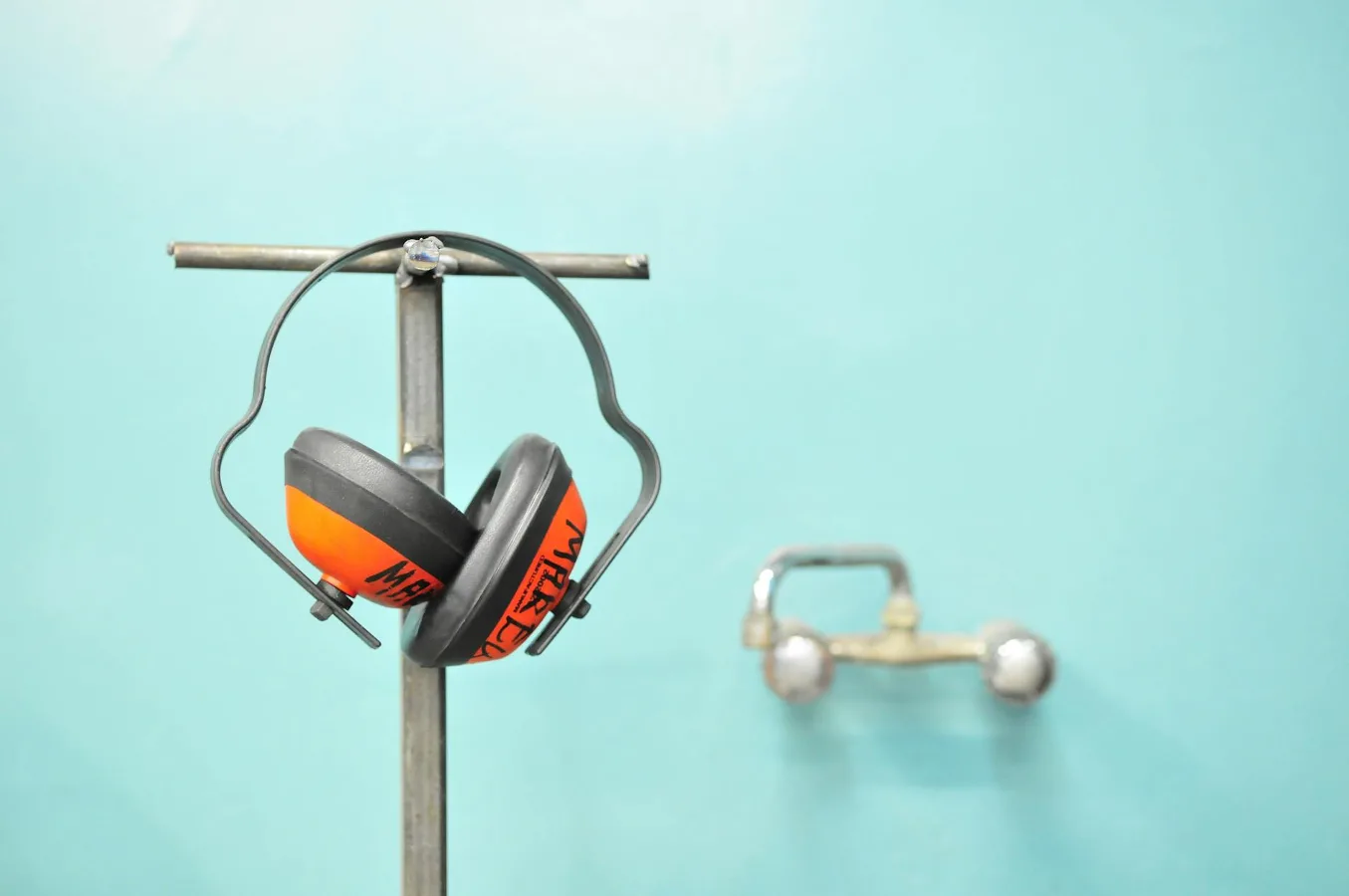
What noise cancelling headphones can do for lawn mowing
If you want to make mowing less exhausting, noise cancelling headphones can help—but they are not all equally useful for the job. For lawn mowing, the best option is usually a pair that combines active noise cancellation with strong passive isolation, a secure over-ear fit, and enough comfort to wear through the whole task. choosing comfortable over-ear headphones offers more detail on this point.
The goal is not just to play music or podcasts over the mower. It is to reduce the constant noise load from the engine, wheels, and wind so the job feels less fatiguing. That said, mower noise is persistent and broad-spectrum, which means ANC helps, but it does not erase everything. The physical seal around the ears matters just as much, and sometimes more.
For most people shopping this category, the best fit is a closed-back, over-ear wireless headphone with good earcup padding, stable headband pressure, and controls that are easy to use with gloves or sweaty hands. If your main concern is hearing protection rather than audio quality, you may also want to compare headphones with purpose-built hearing protection earmuff designs.
When they matter most
Noise cancelling headphones make the biggest difference if you mow regularly, use a walk-behind mower for extended periods, or have a yard routine that includes other loud equipment like trimmers and blowers. They are also useful if you are sensitive to repetitive noise or find yard work mentally draining.
They matter less if you only mow briefly, use very loud equipment where maximum hearing protection is the priority, or prefer complete situational awareness. In those cases, a hearing protection earmuff with audio input or a lower-volume listening setup may be a better match.
One overlooked point: mower noise is not only loud, it is tiring because it keeps changing with surface texture, engine load, and distance from the machine. A good pair of headphones can smooth that background pressure, which may make a long chore feel more manageable even if the mower still sounds audible.
What to look for before buying
Noise reduction approach
There are two different mechanisms at work. Active noise cancellation uses microphones and processing to reduce steady low-frequency sound. Passive isolation comes from the earcups, cushions, and seal blocking sound physically. For mowing, passive isolation is essential because mower noise is not a simple, constant hum.
If a headphone has great ANC but poor seal, it may feel disappointing outdoors. By contrast, a well-sealed over-ear model without the strongest ANC can still be useful because it blocks more of the sound pressure before it reaches your ears. The best results usually come from both working together.
Comfort and heat build-up
Comfort is a practical filter, not a luxury. Lawn mowing often means movement, head turning, bending, and sweating. Headphones that clamp too tightly can become distracting, while loose models can break the seal and reduce both sound isolation and comfort.
Look for soft ear cushions, a headband that does not create pressure points, and a shape that stays stable while you move. Keep in mind that heavier models may feel fine during short listening sessions but become tiresome when used for an entire lawn care routine. In warm weather, over-ear headphones can also trap heat, so breathability and cushion material matter more than many buyers expect.
Controls and usability outdoors
Outdoor use changes what “good controls” means. Buttons should be easy to find without looking, because you may be wearing gloves, carrying a trimmer, or wiping sweat from your face. Touch controls can be less dependable in this setting.
Automatic pause features, voice prompts, and a simple power button can be more useful than a long list of app settings. If the headphone relies heavily on a phone app for basic functions, consider whether that adds friction you will actually tolerate when you are trying to get yard work done.
Battery life and charging habits
Wireless convenience matters for mowing. A cord can snag, tangle, or get in the way when you are moving around shrubs, fences, and mower handles. For that reason, battery life deserves attention.
Instead of chasing a large claimed battery number, think about real habits. Will you use them only for mowing, or also for other outdoor chores, commuting, or home projects? A model that reliably covers your routine between charges is more useful than one with features you rarely need. bluetooth headphones for outdoor chores offers more detail on this point.
Wind handling and outdoor sound
Outdoor use introduces wind noise, which can interfere with ANC and make some headphones sound less natural. Some models handle this better than others through microphone placement and tuning, but no headphone is perfect here. If you mow in a windy area or tend to move quickly, expect some performance change.
This is one reason people sometimes prefer earmuff-style hearing protection with integrated audio for yard work. They are not always as polished for music, but they can feel more stable and less finicky in harsh outdoor conditions. hearing protection for yard work offers more detail on this point.
Step-by-step: how to choose the right pair
- Decide whether your priority is hearing protection or listening comfort. If protecting your hearing is the main goal, put noise reduction and seal ahead of audio features.
- Choose over-ear, closed-back designs first. Earbuds rarely provide enough passive isolation for mower noise, even if they are convenient.
- Check the fit style. A secure but not overly tight headband is usually better for movement-heavy yard work.
- Look for simple outdoor-friendly controls. Physical buttons often work better than touch controls when your hands are busy.
- Consider transparency or aware modes carefully. These can be useful if you need to hear people approaching, but they reduce isolation and may be distracting in a noisy yard.
- Think about sweat, dust, and storage. Yard work exposes headphones to grime, so durable cushions and easy cleaning matter.
- Decide whether audio quality or ruggedness matters more. For lawn mowing, consistency and comfort usually beat premium sound tuning.
Common misconceptions about mowing headphones
“More ANC always means better protection.” Not necessarily. ANC can reduce some low-frequency noise, but it is not a substitute for a strong seal and proper hearing protection practices.
“Any wireless headphones will work outdoors.” Not really. Many consumer headphones are built for quiet indoor listening and may slip, heat up, or let too much sound through.
“Higher volume solves mower noise.” That can backfire. If you turn the audio up to overpower the mower, you may increase listening risk instead of reducing it.
“Earbuds are more practical because they are smaller.” They may be easier to carry, but smaller does not mean better for mowing. In many cases, over-ear coverage is the more suitable choice.
Examples of use-case fit
Best for frequent residential mowing: A comfortable wireless over-ear ANC headphone with a strong seal and easy physical controls. This is the most balanced choice for people who mow weekly and want a quieter, less tiring experience.
Best for mixed yard work: A pair with transparency mode or quick pause functions can be helpful if you move between mowing, trimming, and talking to someone nearby. Just remember that more ambient awareness usually means less isolation.
Best for hearing-first users: Earmuff-style hearing protection with audio input may be worth considering if your top concern is reducing exposure rather than enjoying the cleanest sound.
Best for occasional use: If you mow only occasionally, comfort and easy storage may matter more than premium ANC. A simple, dependable pair may be enough.
Checklist before you buy
- Closed-back, over-ear design
- Strong passive seal around the ears
- Comfortable clamping force for longer wear
- Wireless connection for freedom of movement
- Easy physical controls
- Battery life that fits your routine
- Some resistance to sweat, dust, or outdoor wear
- Optional transparency mode only if you truly need awareness
- Simple storage case or folding design if portability matters
- A fit that stays stable when you turn your head
Alternatives worth considering
If you do not need music or podcasts, dedicated hearing protection may be the better tool. Earmuffs designed for loud equipment can provide a more straightforward approach to noise reduction, especially if your main concern is exposure rather than entertainment.
If you want awareness and sound, a headset with built-in hearing protection and audio input can be a practical compromise. These are common among people who spend time around tools, tractors, or other equipment where clarity and protection both matter.
For lighter yard tasks, some people also prefer open-ear audio solutions, but they are usually not the best answer for lawn mowing because they do little to reduce the mower’s sound. The convenience is real; the noise control is not.
How to get better results from any pair
Even good noise cancelling headphones perform better when the fit is right. Make sure the earcups fully cover your ears and the cushions sit evenly against your head. Glasses, hat brims, and hair can all weaken the seal and reduce isolation.
Keep the volume modest. If the mower still seems loud, do not assume the answer is turning the audio up. Recheck the fit first. A stronger seal often improves the experience more safely than higher playback levels.
Clean the ear cushions regularly, especially after dusty mowing sessions. Dirt and sweat can affect comfort and shorten the useful life of the pads. Store the headphones in a case or dry place so the cushions keep their shape.
Who should skip this category
Noise cancelling headphones are not the right default for everyone. If you work around very loud equipment and need certified hearing protection, consumer headphones may not be the safest choice. If you need to hear children, pets, traffic, or other people continuously, isolation-heavy headphones can create a real awareness problem.
Also, if your yard work involves heavy rain, frequent exposure to debris, or rough handling, prioritize rugged hearing protection and practical durability over premium consumer audio features.
Choosing the right balance
The best noise cancelling headphones for lawn mowing are the ones that balance isolation, comfort, and usability in a noisy outdoor setting. For many people, that means a wireless over-ear headphone with good passive sealing, dependable ANC, and controls that are easy to use without distraction.
The most useful purchase is rarely the one with the most features. It is the one that fits your mowing routine, stays comfortable in heat, reduces fatigue, and does not make safety or awareness worse. If you keep that balance in mind, the right choice becomes much easier to narrow down.
