
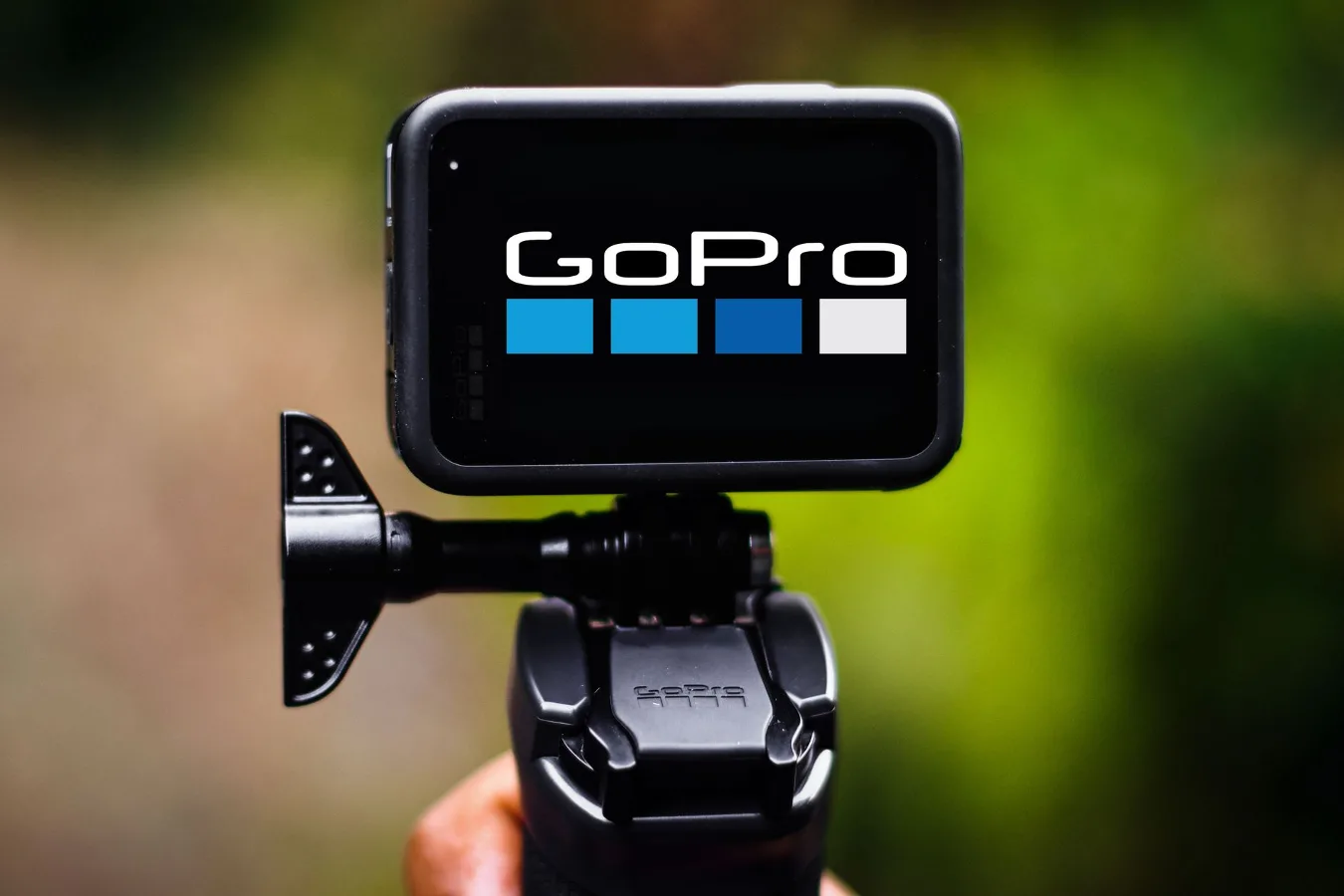
An action camera body mount is a hands-free mounting system that lets you attach a camera to your chest, shoulder, torso, or similar wearable rig for point-of-view filming. If you want a stable, immersive angle without holding the camera, this is one of the most practical accessories to consider. Camera guide offers more detail on this point.
The best body mount for your setup depends on what you are filming, how much movement is involved, and how much comfort you need during wear. A chest mount is often the default choice for skiing, biking, hiking, and action sports, while shoulder and harness-style mounts can make more sense when you want a slightly higher or more adjustable perspective.
For most buyers, the decision comes down to four things: compatibility with your camera, how secure the mount feels during motion, how comfortable it is over time, and whether the filming angle actually suits the activity. A mount that looks versatile on paper may be awkward in practice if it shifts, digs in, or blocks the view you want.
Quick answer: what to look for first
If you are shopping for an action camera body mount, start with the activity, not the accessory. The right mount should keep the camera steady, stay comfortable enough to wear, and place the lens where it captures the scene you actually want.
- For immersive POV footage: a chest mount is usually the most common choice.
- For a slightly higher viewing angle: a shoulder mount may be more useful.
- For long sessions: prioritize padding, strap stability, and adjustability.
- For rough movement: look for a secure fit that resists bounce and rotation.
- For multiple cameras or accessories: check whether the mount supports your setup without interfering with movement.
Compatibility matters more than many shoppers expect. Action cameras often share similar mounting systems, but not every accessory fits every camera body, protective frame, or housing. If you use a case, filter, microphone adapter, or other add-on, confirm that the mount still positions the camera properly and does not create balance issues. compact full frame mirrorless camera offers more detail on this point.
Chest mount, shoulder mount, or harness?
Most body mounts fall into a few practical categories, and each one changes the footage in a noticeable way.
Chest mounts
Chest mounts are the most familiar body-worn option. They place the camera lower on the torso, which usually gives a stable forward-facing view with some of your arms, handlebars, skis, or gear in frame. That can be useful because it gives context, especially for sports and travel footage.
The trade-off is that chest mounts do not always produce the most cinematic angle. Because the camera sits lower, it may miss facial expression, distant scenery, or overhead detail. They can also feel restrictive if you are breathing heavily, layering up for cold weather, or wearing bulky clothing.
Shoulder mounts
Shoulder mounts raise the perspective and can create a more natural over-the-shoulder look. They are often a better choice when you want a less chest-heavy frame or when chest straps interfere with your movement.
The limitation is that shoulder mounts can feel less balanced for some users, and the camera may shift more easily if the fit is not snug. They also tend to be more sensitive to clothing shape and padding, which can affect both comfort and framing.
Harness-style body mounts
Harnesses spread support across more of the body, which can improve stability during longer shoots. They may be worth considering if you want more adjustment or if a single strap feels too limiting.
That said, a harness is not automatically better. More straps can mean more setup time, more points of pressure, and more chances for misalignment. For short, active sessions, a simpler chest mount may be easier to live with.
How to compare body mounts before buying
A good buying decision depends on practical details, not just appearance. The most useful comparison factors are the ones that affect real use.
| Factor | Why it matters | What to check |
|---|---|---|
| Compatibility | The mount must work with your camera and any housing or case. | Attachment style, adapter needs, clearance for accessories |
| Fit and adjustability | A loose mount can shift, tilt, or bounce during activity. | Strap range, buckle placement, ease of tightening |
| Comfort | Wearability matters if you plan to use it for more than a short clip. | Padding, strap width, pressure points, breathability |
| Stability | Less movement usually means more usable footage. | How the mount sits against clothing, how much it flexes |
| Angle control | The camera should frame the action without constant adjustment. | Tilt options, rotation control, height placement |
| Durability | Outdoor and sports use can stress buckles and stitching. | Materials, reinforcements, quality of fasteners |
Materials deserve attention too. Softer straps can feel better but may stretch or slip if the fit is not secure. Stiffer frames can hold shape more consistently, though they may be less comfortable under jackets or layers. The best choice depends on whether you value freedom of movement or maximum camera control.
Another overlooked factor is clothing compatibility. A mount that works well over a thin shirt may behave differently over a puffy jacket, wetsuit, cycling jersey, or winter layer. If you expect to switch between seasons or activities, look for a design that adjusts easily rather than one that only works in a narrow range of conditions.
What a body mount does well
The biggest advantage of an action camera body mount is that it keeps your hands free while preserving a forward-facing perspective. That is especially helpful when the activity itself demands attention, such as riding, climbing, paddling, or moving through a crowded environment.
- More immersive footage: the viewer sees a first-person angle that feels closer to the action.
- Lower fatigue: you do not need to hold the camera or use a handheld grip.
- Better context: the frame can include tools, equipment, handlebars, or terrain.
- More consistent framing: a worn mount often stays pointed where your body is facing.
For many users, the real value is not dramatic video quality claims. It is convenience. A body mount can make it easier to capture usable clips without stopping, adjusting a tripod, or risking shaky handheld footage.
Where body mounts fall short
Body mounts are useful, but they are not the right solution for every scene. Their biggest limitation is perspective. Because the camera is attached to your body, the footage follows torso movement rather than independent camera movement. That can be good for action, but less ideal for smooth scenic shots or precise composition.
Common drawbacks include:
- Restricted framing: you cannot easily change the angle mid-activity.
- Body bounce: fast movement can make the image feel busy or jerky.
- Comfort limits: straps may feel intrusive during long wear.
- Layering issues: thick clothing can affect fit and alignment.
- Activity mismatch: some sports or work tasks are better suited to helmet, pole, or tripod setups.
A common misconception is that a body mount always produces better footage than a helmet mount. In reality, they serve different purposes. Helmet mounts can capture exactly where you look, while body mounts often create a more grounded, stable view of what you are doing. The better choice depends on whether you want head-tracking or torso-level context.
Mistakes to avoid when choosing one
Many disappointing purchases come from assumptions rather than from the accessory itself. A few common mistakes are easy to avoid.
Ignoring the camera setup
If your camera uses a protective case, frame, or add-on adapter, make sure the mount still sits correctly. A setup that fits loosely may twist during movement or interfere with button access.
Choosing the wrong angle for the activity
Chest mounts are not universal. If you need a higher viewpoint for trail visibility, obstacle awareness, or storytelling, shoulder placement may be a better fit. If you need an all-around view of the action, a different accessory might be more effective than a body mount at all.
Buying for one activity only
Some mounts are excellent for a specific sport but awkward everywhere else. If you plan to use the same accessory for biking, hiking, travel, and casual recording, look for flexibility rather than a very specialized shape.
Overlooking comfort under real conditions
A mount can seem fine when tried on briefly and still become uncomfortable after twenty or thirty minutes. Pay attention to strap placement, buckle pressure, and whether the unit rubs against clothing seams or gear.
Assuming tighter is always better
Too much tension can make a mount uncomfortable without improving footage much. The goal is a secure fit that stays put without causing pressure points or reducing breathing comfort.
Better alternatives in some situations
A body mount is only one part of the action camera accessory family. Depending on the shooting goal, another option may be a better fit.
- Helmet mounts: useful when you want the camera aligned with your line of sight.
- Handlebar or bike mounts: better for fixed forward views on a bicycle or similar setup.
- Handheld grips: better when you want more framing control and do not need to keep both hands free.
- Tripods or mini stands: better for static scenes, product shots, or setup-based filming.
- Clip-on or strap mounts: useful for lighter, more flexible mounting in travel or casual settings.
If you are unsure, think about the motion you want to capture. Body mounts work best when the body itself is part of the story. If the camera should remain detached from body movement, a different mount style may be more appropriate.
Practical setup tips for better results
A well-chosen mount still needs a sensible setup. Small adjustments can make a noticeable difference in comfort and footage quality.
- Place the mount high enough to capture the action, but not so high that it feels unstable.
- Adjust straps evenly so the camera does not lean to one side.
- Test the angle before the activity starts, not after.
- Wear the mount over the layers you actually plan to use.
- Check that buckles and clips do not interfere with packs, seatbelts, or protective gear.
- Revisit the fit after a few minutes of movement, since some materials settle differently once you start moving.
For best results, think of the mount as part of a filming system, not a standalone purchase. The camera angle, clothing, movement style, and accessory compatibility all influence the final result.
FAQ
What is the best action camera body mount for beginners?
A chest mount is often the easiest starting point because it is familiar, simple to wear, and works well for many sports and travel situations. If you want a slightly higher angle, a shoulder mount may be worth comparing.
Is a chest mount better than a helmet mount?
Neither is universally better. Chest mounts usually feel more grounded and show more of your gear or surroundings, while helmet mounts follow your head movement more directly. Choose based on the perspective you want.
Will a body mount fit any action camera?
Not automatically. Many mounts use common attachment styles, but you still need to check compatibility with your camera model, housing, frame, and any accessories you plan to use.
How do I keep a body mount from shifting?
Start with the right size, tighten the straps evenly, and wear the mount over the clothing you will actually use during filming. If the mount still shifts, the design may not suit your body shape or activity.
Can I use a body mount for everyday filming?
Yes, but it is most useful when you need hands-free recording. For casual clips, a smaller grip or clip-on option may be easier to carry and quicker to set up.
An action camera body mount is worth considering when you want a hands-free, activity-friendly way to film from your own perspective. The best choice is the one that matches your movement, your clothing, and the kind of footage you actually want to keep. That usually matters more than chasing the most adjustable or heavily featured option.
