
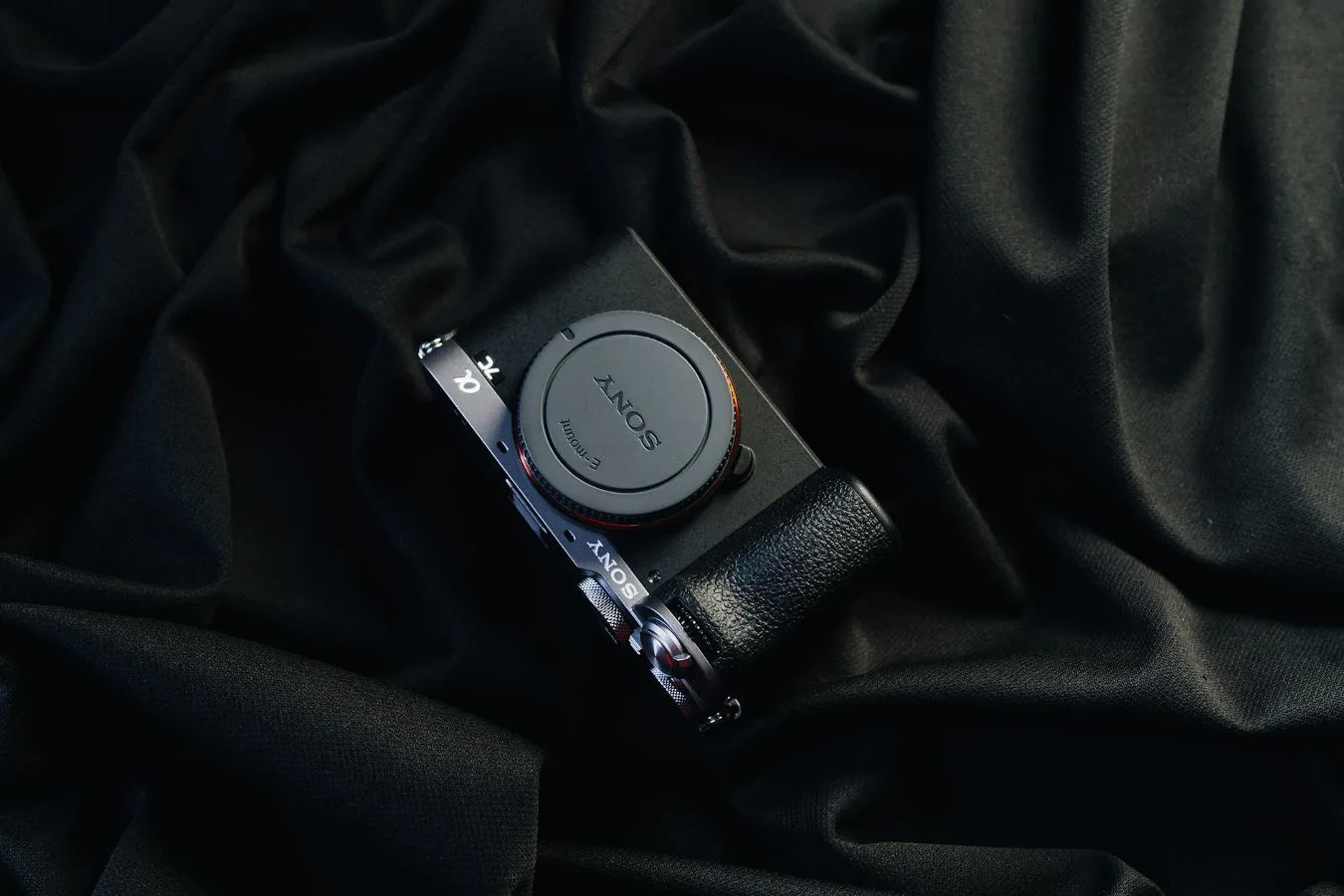
If you want the image quality and subject separation of full-frame without carrying a bulky setup, a compact full-frame mirrorless camera is usually the right category to explore. The catch is that “compact” depends on the whole system, not just the body. A small camera with a large lens can quickly become less portable than expected. complete guide to action camera flashlight offers more detail on this point.
The best compact full-frame mirrorless camera is the one that stays comfortable in your hand, pairs well with lenses you actually want to carry, and fits your shooting style. For many buyers, that means prioritizing body size, lens ecosystem, autofocus behavior, and handling before comparing headline specs.
When a compact full-frame mirrorless camera makes sense
This category matters most if you want full-frame benefits without committing to a large DSLR-style body. That usually includes better control over depth of field, strong low-light potential, and access to a wide range of lenses in a relatively modern body design.
It is a strong fit for travel, street photography, environmental portraits, event coverage, and hybrid photo-video work where portability still matters. A compact body can also be easier to carry every day, which often matters more than people expect when choosing a camera they will actually use.
There is a practical trade-off, though. Compact full-frame bodies can feel less balanced with larger lenses, and some smaller models use shallower grips or fewer direct controls. That does not make them worse, but it does mean you should think about how the camera feels with the lenses you plan to use most.
Step-by-step criteria for choosing the right model
1. Start with the lens, not just the body
The most common misconception about compact full-frame mirrorless cameras is that the body alone determines portability. In reality, lens size often has the biggest impact on the total kit.
If you want a genuinely compact setup, look at the lenses available in the focal lengths you use most. A small prime can keep a system trim, while a fast zoom may add size and weight quickly. This is especially important for travel and everyday carry, where a compact body can lose its advantage if the lens is oversized.
2. Match the camera to your shooting style
Different users care about different features. A street photographer may value a quiet shutter, a responsive autofocus system, and a body that does not attract attention. A hybrid creator may care more about video tools, microphone input, heat management, and reliable subject tracking.
If you mostly shoot portraits, look closely at how the camera handles eye autofocus and how comfortable it is for longer sessions. If you shoot landscapes or architecture, body size may matter less than dynamic range, weather sealing, and the availability of compact wide-angle lenses.
3. Check ergonomics before chasing minimal size
Smaller is not always better. A very compact body can be less comfortable with heavier lenses, and a cramped control layout can slow you down. Grip depth, button spacing, rear dial placement, and viewfinder position all affect day-to-day use.
One overlooked consideration is hand fatigue. A camera that feels great for a few minutes may become annoying during a long walk or event. If you plan to shoot for extended periods, a slightly larger body can be the smarter choice if it improves stability and comfort.
4. Decide how much video capability you really need
Many compact full-frame mirrorless cameras are designed as hybrid tools, but not all hybrid features matter equally. Some users need uncropped 4K, headphone and microphone support, good autofocus in motion, and a screen that tilts or flips for framing. Others only need occasional clips and do not need to pay extra for advanced video functions.
The practical question is whether video is a core use case or a bonus. If it is a core use case, pay attention to recording limits, stabilization, heat behavior, and how easy the menus make it to switch between photo and video settings. If it is secondary, focus more on stills performance and handling.
5. Think about the lens ecosystem and future flexibility
A compact body is only one piece of the system. Some brands offer a wide range of small primes and lightweight zooms, while others lean toward larger, higher-performance glass. That matters if you plan to expand your kit over time.
Before buying, ask whether the system has the lenses you would realistically add later: a general-purpose zoom, a fast normal prime, a portrait lens, and perhaps a compact wide-angle. A camera body is easier to replace than a lens ecosystem that does not fit your needs.
Examples of the trade-offs buyers usually face
Compact body versus compact kit
A body can be small while the overall kit remains fairly large. This happens often with fast zooms and telephoto lenses. If portability is the main goal, a compact body paired with smaller primes may be more satisfying than chasing one body with every feature possible.
Top-tier ergonomics versus smallest footprint
Some cameras gain comfort from a deeper grip, better button spacing, or a slightly larger chassis. Those design choices can make the camera easier to use, but they also make it less pocketable and sometimes less “compact” in practical terms.
More features versus simpler operation
Feature-rich models can be attractive, especially for hybrid creators. Still, more menus and more options can slow you down if you mainly want a straightforward camera for still photography. Sometimes a simpler body with excellent autofocus and a good lens is the better long-term choice.
What to look at on a spec sheet—and what to ignore first
Spec sheets matter, but they can distract from real-world usability. For this category, the most relevant factors usually include sensor format, autofocus system, body dimensions, weight, lens lineup, stabilization, viewfinder quality, and rear screen design.
By contrast, raw megapixel counts or headline burst rates are less useful if the camera is uncomfortable to carry or awkward to operate. The same goes for any feature that sounds impressive but does not align with your actual subjects.
- Sensor format: confirms you are getting full-frame benefits.
- Lens options: determines whether the system can stay compact.
- Autofocus: matters for people, pets, motion, and fast street work.
- Stabilization: helps with handheld shooting and slower shutter speeds.
- Controls and grip: affect speed, comfort, and confidence.
- Screen and viewfinder: influence framing and usability outdoors.
- Video features: matter if you shoot clips alongside stills.
Who should consider alternatives
A compact full-frame mirrorless camera is not automatically the best answer. If your top priority is maximum portability, a high-end APS-C camera or a premium compact fixed-lens camera may be easier to carry. If you need a long zoom range for wildlife or sports, a larger system or a different sensor format may make more sense.
APS-C is often worth comparing if you want a smaller kit with strong image quality and more affordable lens options. Fixed-lens cameras can also be appealing for users who want simplicity and truly minimal carry weight. The right choice depends on whether you value flexibility, compactness, or specialization most.
Common mistakes to avoid
- Buying the smallest body without checking lens size.
- Choosing based on a spec sheet instead of grip and handling.
- Ignoring the lens ecosystem and future upgrade path.
- Overpaying for video features you will rarely use.
- Assuming every compact full-frame camera feels balanced with every lens.
- Forgetting that battery life, menus, and card access affect daily use.
Quick checklist before you buy
- Will the camera still feel comfortable with the lens you plan to use most?
- Does the system offer compact lenses in your main focal lengths?
- Is autofocus strong enough for your subjects?
- Do you need video features, or are stills your priority?
- Does the grip suit your hand size and shooting duration?
- Will the camera fit your travel or everyday carry goals?
- Is the lens roadmap broad enough for future needs?
Compact full-frame mirrorless camera FAQ
Is a compact full-frame mirrorless camera better than APS-C?
Not automatically. Full-frame can offer advantages in depth of field control and low-light flexibility, but APS-C systems are often smaller, lighter, and more affordable. The better choice depends on your subjects, lens preferences, and budget.
What makes a full-frame mirrorless camera truly compact?
The body size matters, but the lens system matters just as much. A camera is only truly compact if the body and the lenses you actually plan to carry stay manageable together.
Should I prioritize body size or ergonomics?
For most buyers, ergonomics deserve more weight than the smallest possible footprint. A slightly larger camera that feels secure and comfortable is often easier to use, especially with heavier lenses.
Are compact full-frame cameras good for travel?
Yes, especially if you choose lightweight lenses and keep the kit focused. They are a strong option for travelers who want image quality without carrying a large DSLR-style system.
Do I need advanced video features in this category?
Only if video is part of your regular workflow. If you mostly shoot stills, it is usually better to focus on handling, autofocus, lens options, and overall portability first.
A compact full-frame mirrorless camera makes the most sense when it helps you shoot more often without turning into a burden. The right choice is rarely the smallest body on paper; it is the camera that stays practical once you add the lens you really want to use.
