
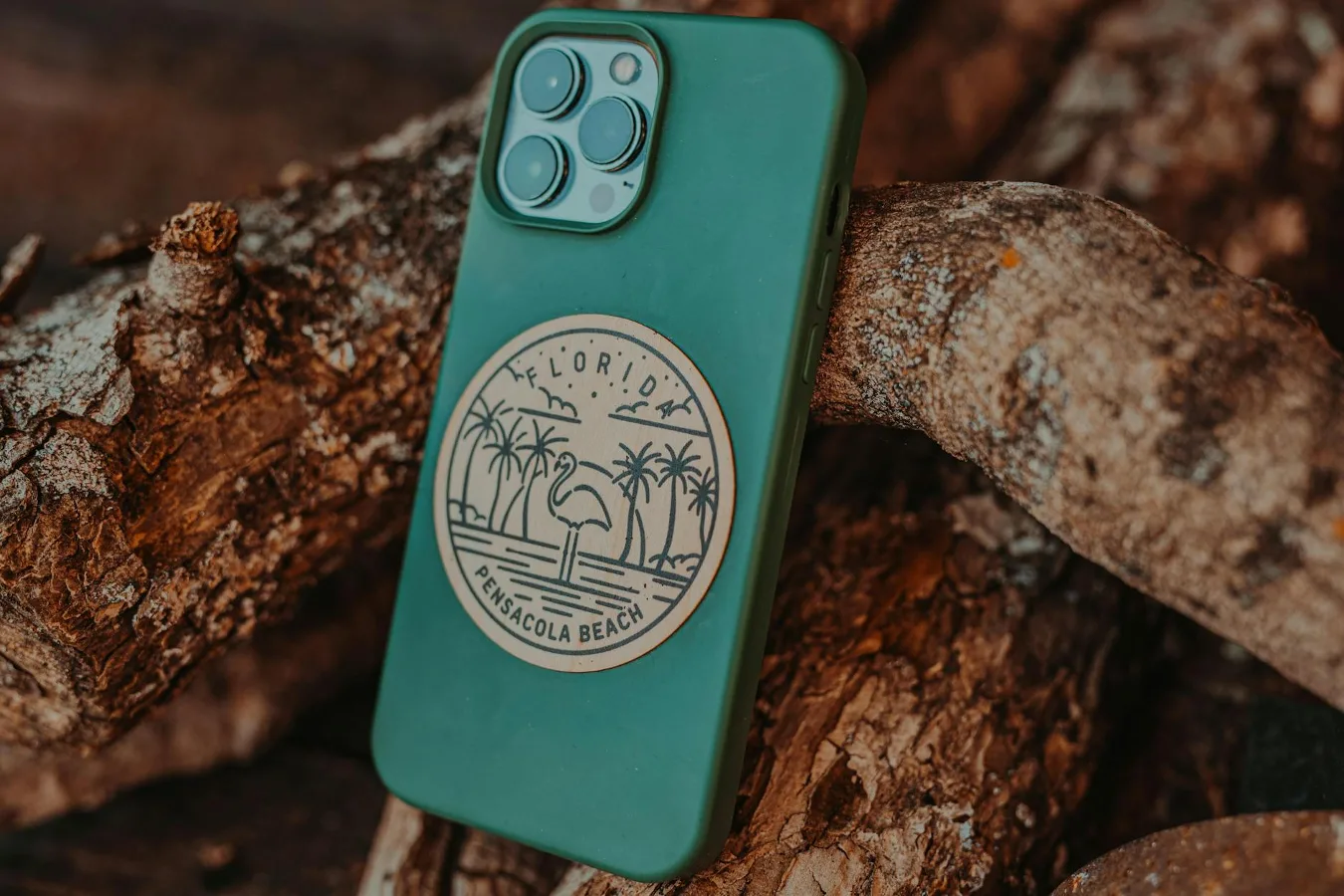
An iPhone 15 Plus phone case should do three jobs well: fit the phone properly, protect the parts most likely to take damage, and still feel comfortable enough to use every day. For most buyers, the best case is not the thickest one or the prettiest one. It is the one that matches how the phone is actually carried, charged, and handled. iPhone case size and fit guide offers more detail on this point. Best iPhone 13 Pro Max Phone Cases offers more detail on this point. iphone 14 pro max phone case offers more detail on this point.
If you are comparing options, start with the basics: MagSafe support, case thickness, grip, raised edges around the screen and camera, and how much bulk you are willing to carry. Those five factors usually matter more than any marketing claim on the box.
What to look for first in an iPhone 15 Plus phone case
The iPhone 15 Plus has a large display and a wide body, so the case choice often comes down to handling comfort as much as protection. A good case should make the phone easier to hold, not just harder to damage.
Fit comes first. The case should align precisely with the buttons, speakers, charging port, and camera cutout. A loose case can shift in the hand, collect debris, and feel cheap over time. A case that is too tight can be annoying to remove and may put stress on the edges.
Protection level is the next decision. Some people need only scratch protection and minor cushioning for desk drops. Others need stronger corner coverage, deeper camera protection, and more impact absorption for commuting, travel, or work environments where the phone gets handled often.
MagSafe compatibility matters for many buyers because it affects charging and accessory use. If you use a MagSafe charger, wallet, stand, or car mount, make sure the case is designed to support that setup without making alignment difficult.
Grip and texture are easy to overlook. The iPhone 15 Plus is a larger phone, and smooth cases can feel slippery, especially with one-handed use. A grippier finish can reduce drops, but very tacky materials may feel less refined or attract lint.
Comparing the main case styles
There is no single best iPhone 15 Plus phone case. The right pick depends on how much protection you want versus how much size you can tolerate.
Slim cases
Slim cases are for people who want to preserve the feel of the phone while adding a layer of everyday protection. They usually work well for office use, light travel, and users who are careful with their devices. The trade-off is obvious: less bulk often means less cushioning if the phone lands hard.
Slim cases are a good choice if your priority is pocketability, clean design, or a lighter hand feel. They are less ideal if you frequently drop your phone, carry it loosely, or use it in active settings.
Clear cases
Clear cases appeal to buyers who want to show the phone’s color while still protecting it. They can be a practical middle ground, but not all clear cases age equally well. Some may yellow over time or develop scuffs that are more visible than wear on a colored case.
If you want a clear case, look for one that is easy to clean and has enough stiffness to resist sagging. A clear case with weak edges can look good at first and then feel soft or cloudy after regular use.
Rugged cases
Rugged cases prioritize impact resistance and broader coverage. They tend to be thicker, with reinforced corners and deeper lips around the screen and camera. That makes them useful for job sites, travel, outdoor use, or anyone who wants more margin for error.
The trade-off is bulk. Rugged cases can make the phone harder to slide into pockets and less pleasant for one-handed typing. They are practical, but they are not subtle.
Silicone and soft-touch cases
Silicone and soft-touch cases are popular because they usually offer a comfortable grip and a clean in-hand feel. They can also help reduce small slips on smooth surfaces. The downside is that some soft finishes attract dust, pocket lint, or surface marks more easily than harder materials.
These cases work well for users who value comfort and everyday handling over a more rigid look.
Leather and leather-style cases
Leather cases are often chosen for their feel and aging character. Depending on the material, they may develop a worn-in look over time. That can be appealing if you prefer a more classic style. However, not every buyer wants a case that changes appearance with use.
Leather-style cases may be a better fit for users who want a more polished look, but they may require more care than a basic synthetic case.
Wallet cases
Wallet cases combine phone protection with a place for cards or cash. They can be helpful if you want to carry less in your pockets or bag. The drawback is that they add thickness and can make wireless charging or MagSafe use less convenient, depending on the design.
Wallet cases make sense for some routines, but they are not the most flexible option for everyone.
Materials, texture, and everyday handling
The material of an iPhone 15 Plus phone case affects more than appearance. It influences grip, cleaning, durability, and how the case feels after weeks of use.
Hard polycarbonate cases often keep a crisp shape and a cleaner profile. They can look sharp, but if they are too smooth, the phone may still feel slippery.
Thermoplastic materials and hybrid builds are common because they can combine flexibility with a firmer outer frame. This type of design often helps with installation and impact absorption.
Soft silicone gives a more cushioned feel but may show wear differently depending on how often the phone is slid into and out of pockets or bags.
Textured finishes can improve grip without making the case feel bulky. This is one of the most practical features to look for if the phone is large enough that one-handed use matters.
A common misconception is that a more expensive-feeling material automatically means better protection. In practice, the structure of the case matters at least as much as the surface finish. Corner reinforcement, edge height, and fit can matter more than whether the case feels soft or rigid.
Protection details that are easy to miss
Many buyers focus on the overall look of the case and overlook the small design choices that actually determine usefulness.
- Raised edges: Help keep the screen and camera from contacting flat surfaces directly.
- Corner coverage: Matters because corners are common impact points in drops.
- Button feel: A case should still make the buttons easy to press without feeling mushy.
- Camera protection: Important if the phone is often placed face-up on tables or carried in a bag with keys and other items.
- Port access: Should remain practical for charging cables and accessories.
These details are especially important on a larger phone such as the iPhone 15 Plus, where small handling compromises can become noticeable fast.
MagSafe and accessory compatibility
If you use MagSafe accessories, the case should support them without getting in the way. That includes magnetic chargers, stands, battery packs, and car mounts.
A case can still be compatible in different ways. Some are designed with built-in magnetic alignment. Others are simply thin enough to allow reasonable charging and accessory use. The exact experience depends on both the case design and the accessory itself.
One practical nuance: a case that works for charging may not be ideal for every MagSafe accessory. Wallets and mounts can be more sensitive to alignment and magnet strength than a charger sitting on a desk. If you depend on accessory stability, it is worth prioritizing cases designed for that use rather than assuming any thin case will behave the same way.
Choosing based on your real use case
The best iPhone 15 Plus phone case depends on routine more than preference alone.
- For everyday office use: A slim or soft-touch case usually balances comfort, appearance, and basic protection.
- For commuting: Look for better grip, raised edges, and reliable MagSafe compatibility if you use mounts or chargers.
- For travel: A more protective case with stronger corner coverage can be worth the extra bulk.
- For outdoor or hands-on work: Rugged protection and secure grip matter more than a minimalist profile.
- For style-first buyers: Clear, leather, or color-matched cases may matter more, but protection should not be ignored completely.
The right trade-off is usually the one that matches your least forgiving environment. If your phone spends most of its time in a bag, a slimmer case may be enough. If it lives in your hand, in a car mount, and on hard surfaces, protection and grip deserve more weight.
Mistakes to avoid when buying
Some case purchases go wrong for reasons that have little to do with price.
Buying for looks alone is probably the most common mistake. A case can match your style and still be frustrating to use if it is slippery or difficult to remove.
Ignoring MagSafe needs can create everyday friction. If you already use MagSafe accessories, replacing them later can be more annoying than spending a little more attention on compatibility up front.
Choosing too much bulk is another issue. A very protective case is not helpful if it makes the phone so uncomfortable that you stop enjoying it.
Overlooking camera and screen lips can leave vulnerable areas exposed when the phone is placed on tables or dropped from low height.
Assuming all clear cases behave the same can lead to disappointment. Some maintain their appearance better than others, and some show wear quickly.
Forgetting about pocket and bag use can also be a problem. A case that feels fine in the hand may still catch on fabric or add too much friction in daily carry.
Alternatives worth considering
If a standard case does not feel like the right fit, there are a few useful alternatives.
A bumper-style case may work if you want edge protection without covering the full back. This can be a more minimalist option, though it may not suit everyone.
A skin or wrap adds cosmetic protection and grip changes without much bulk, but it does not replace the cushioning of a true case.
A wallet folio can simplify what you carry if you are willing to accept more thickness and a different handling style.
A case plus screen protector combination is often the most balanced setup for buyers who want protection without going to an ultra-rugged design.
Each alternative shifts the trade-offs. The question is not which option is universally best. It is which compromise you are most comfortable living with every day.
Simple decision guide
If you want a quick way to narrow the field, use this approach:
- Decide whether MagSafe compatibility is required or optional.
- Choose a protection level: slim, balanced, or rugged.
- Decide how much grip you want in hand and pocket.
- Check whether you prefer clear, colored, textured, leather, or soft-touch finishes.
- Confirm that the case supports the way you charge and carry the phone.
That sequence usually leads to a better result than shopping by appearance alone. The best iPhone 15 Plus phone case is the one that makes the phone easier to live with, not just harder to break.
