
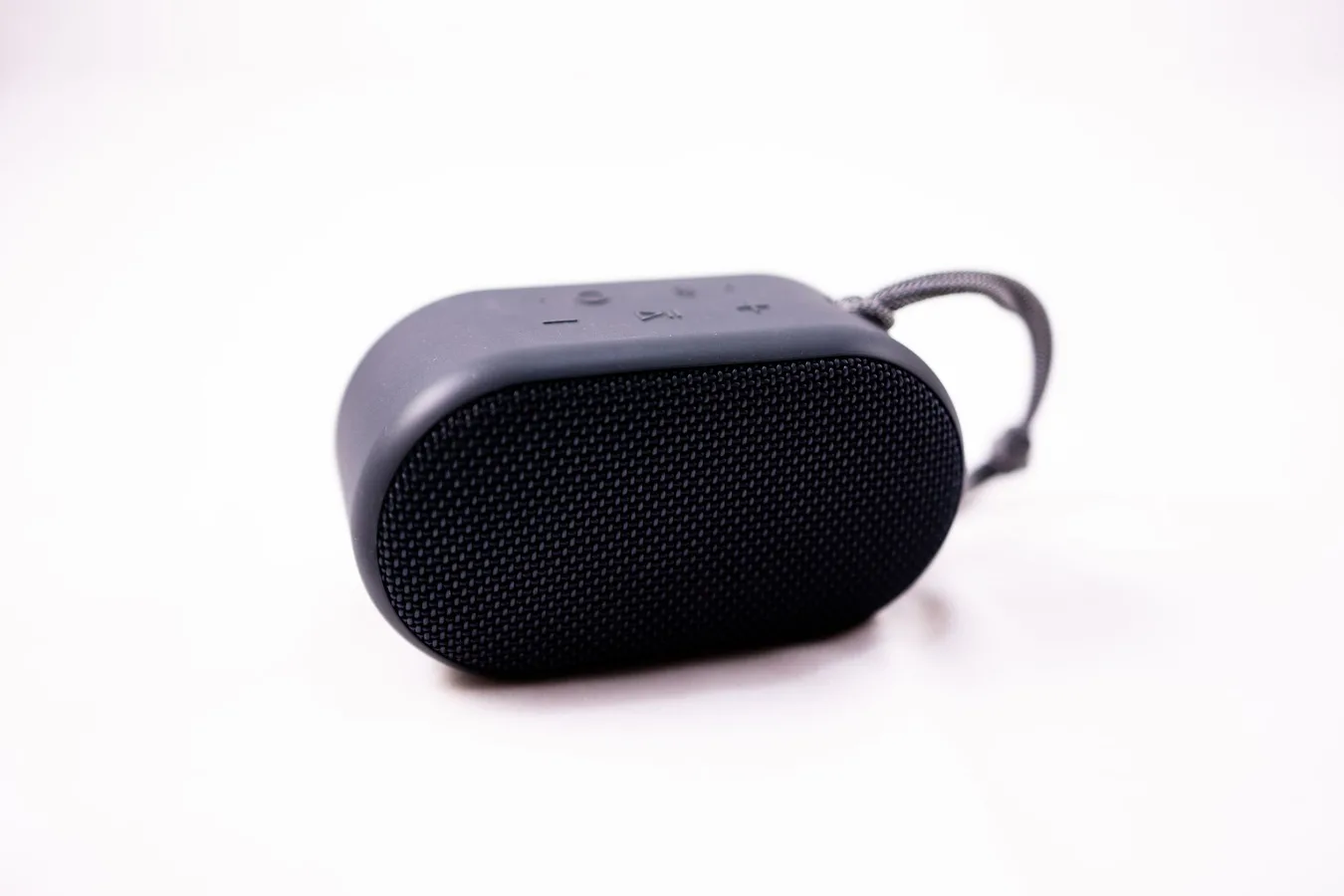
A golf Bluetooth speaker is a portable wireless speaker designed for use on the course, usually with a focus on easy carrying, secure placement on a cart or bag, and enough sound clarity to hear music or commentary without becoming a nuisance. The best choice depends less on raw volume and more on how well the speaker fits your round: cart use, walking rounds, weather exposure, battery needs, and how much audio you actually want on the course. complete guide to bluetooth speaker television offers more detail on this point.
If you are shopping for one, the most useful starting point is simple: look for a speaker that stays put, survives outdoor conditions, and sounds clear at moderate volume. A golf speaker that is loud but awkward to mount, fragile, or hard to recharge will usually be frustrating in real use.
What matters most in a golf Bluetooth speaker
Golf places a few unusual demands on a speaker. It may ride on a cart, sit in a bag, get exposed to dew or light rain, and need to hold up through several hours of use. That makes the usual portable-speaker checklist incomplete.
The most relevant factors are:
- Mounting and stability for cart or bag use
- Weather resistance for moisture, dust, and light splashes
- Battery life for a full round and extra time
- Sound clarity at moderate listening levels
- Portability so it does not become one more bulky item to manage
- Controls and pairing simplicity for quick use between shots
Many buyers focus on bass or maximum volume first. That is understandable, but on a golf course those features can matter less than steadiness, sound balance, and convenience. A speaker that is easy to live with for four to five hours is usually a better fit than a bigger unit with specs that look impressive on paper.
Buyer scenario: what kind of golfer are you?
The best golf Bluetooth speaker depends on how you play. Different golfers need different things, and the wrong design can be inconvenient even if it is a good speaker in general.
For cart riders
If you mostly ride in a cart, look for a speaker that mounts securely and does not slide around. Magnetic attachment, strap-based mounting, or a design built for cart rails can be especially practical. Stability matters because cart movement and turns can shift a loosely placed speaker.
Cart riders can usually tolerate a slightly larger speaker than walkers, but the speaker should still be compact enough to store easily when not in use. A model with simple physical buttons is also helpful when you need to change volume quickly.
For walkers
Walkers need a lighter, more compact unit. A smaller speaker that clips to a bag, fits in a side pocket, or carries easily in a cart when needed is often the better choice. Size and weight matter more here than extra output.
For walking rounds, portability often beats power. A speaker that feels easy to carry is more likely to get used regularly, while an oversized one may end up left at home.
For casual music at low volume
If you mainly want background music, most mid-sized portable Bluetooth speakers will do the job as long as they are durable and weather resistant. In that case, clarity and battery life are more important than loudness.
For golfers who want flexibility
Some buyers want one speaker for golf, the backyard, the beach, and travel. That is reasonable, but it helps to confirm that the speaker is genuinely outdoor-friendly and easy to secure. A versatile model can work well if you are willing to trade some golf-specific convenience for broader use.
Trade-offs worth thinking through
A golf Bluetooth speaker is usually a compromise between sound, size, durability, and ease of mounting. Understanding the trade-offs helps you avoid buying the wrong style for your round.
Smaller speakers vs. fuller sound
Smaller speakers are easier to carry and mount, but they often have less depth and less room-filling sound. Larger speakers can sound fuller, yet they may be harder to place securely on a cart or pack in a golf bag.
If your priority is convenience, compact is often the better choice. If you want richer sound and do not mind extra bulk, a slightly larger unit may suit you better. The key is to make sure the added size actually improves your use case, not just the spec sheet.
Strong bass vs. course-friendly listening
Heavy bass can sound appealing in a store demo, but on a course it is not always the most useful feature. Clear mids and balanced output often matter more because they make music easier to hear without needing high volume.
A common misconception is that a golf speaker needs to be powerful to be good. In practice, a cleaner, more balanced speaker at moderate volume may be the better companion for a round.
Rugged build vs. refined sound
Some rugged outdoor speakers are built for drops, dust, and rain, but sound a little less refined than home-oriented models. That is not necessarily a flaw. It simply reflects a different priority.
If you expect outdoor use first and listening quality second, ruggedness may matter more. If audio quality is your top concern and your course conditions are mild, a more polished portable speaker can make sense as long as it still offers enough protection.
Material and spec factors that actually matter
Not every specification helps you make a better purchase. For a golf Bluetooth speaker, a few material and design details deserve closer attention.
Weather resistance
Outdoor audio gear should be able to handle moisture, dust, and occasional splashes. Look for clear weather-resistance information from the manufacturer, and treat that as a practical safeguard rather than a promise of invincibility. It is still smart to avoid leaving any speaker exposed to heavy rain or long periods of damp storage.
The useful question is not whether a speaker is “outdoor ready” in a vague sense, but whether it can cope with the conditions you are likely to face: humid mornings, wet grass, a sudden drizzle, or a spilled drink in a cart.
Battery life and charging convenience
Battery life matters because golf rounds are long, and the speaker may be used before and after play. A battery that barely lasts through one outing can become annoying quickly. Also consider how the speaker charges. USB-C is often more convenient than older charging styles because it is easier to share with other devices.
Think beyond the number on the box. Battery performance can vary with volume level, temperature, and age, so a speaker with some margin is usually a safer buy than one that only just meets your needs.
Mounting method
For golf, mounting is not a minor detail. A speaker that can attach securely to a cart, bag, or nearby surface is less likely to bounce, fall, or get in the way. Magnetic mounting can be very convenient on compatible surfaces, while straps and clips can work well on bags and rails.
Check whether the mounting style fits how you actually play. A magnet is useful only if the cart or surface is appropriate. A clip is practical only if it is strong enough to stay put during movement.
Controls and usability
Simple controls are underrated. Large buttons, clear pairing behavior, and easy volume adjustment matter more on the course than in many other settings. If a speaker takes several steps to reconnect or change tracks, it can become frustrating fast.
Some buyers also overlook how usable the speaker is with gloves, sweaty hands, or bright sunlight. A clean control layout is a real advantage, even if it sounds unexciting on a product page.
Build quality and materials
Rubberized exteriors, reinforced corners, and grippy surfaces can help a speaker hold up to bag storage and cart vibration. Materials do not need to look flashy to be effective. The main goal is durability without excessive weight.
Also consider how the finish will wear. Glossy surfaces may show scuffs more easily, while textured or matte designs often hide everyday marks better. That may not change the audio, but it can affect how the speaker looks after repeated use.
Sound features to judge with realistic expectations
Golf Bluetooth speakers do not need to compete with stereo systems. What matters is whether the sound works outdoors and at the volume you will actually use.
- Clear vocals and mids: Helpful for music that remains audible outdoors
- Controlled bass: Enough body without becoming muddy or intrusive
- Good dispersion: Useful if more than one person is listening
- Stable volume behavior: So the sound does not fall apart when turned up a bit
Do not assume that a speaker described as “powerful” will be the best choice for golf. Outdoors, even strong speakers can lose impact because there are fewer walls to reflect sound. That is why balanced tuning and practical placement often matter more than a bold marketing description.
Limitations to accept before you buy
A golf Bluetooth speaker has a few built-in limitations, and understanding them prevents disappointment.
It will not sound like indoor audio. Open-air listening is different. You usually need more careful placement to hear detail.
It may not be ideal for everyone in range. What sounds comfortable to one group can be distracting to another, especially at crowded courses.
It may trade some audio polish for durability. Rugged products often emphasize practicality over absolute sound refinement.
It adds one more item to manage. Charging, carrying, and storing the speaker are all part of ownership. The simplest speaker is often the one you use most consistently.
Common mistakes buyers make
- Choosing volume over fit: A loud speaker that is awkward on a cart is rarely a good purchase.
- Ignoring mounting needs: Some speakers work well in theory but are inconvenient on actual golf carts or bags.
- Overlooking weather resistance: Outdoor conditions are part of the use case, not an edge case.
- Assuming any portable speaker is golf-ready: A general portable speaker may be fine, but it should still be easy to secure and carry.
- Buying too large for walking rounds: Extra size can quickly become a nuisance if you carry the speaker often.
- Not thinking about recharge habits: A speaker you forget to charge is a speaker you stop trusting.
Good alternatives if a golf speaker is not the best fit
A golf Bluetooth speaker is not the only way to enjoy audio on the course. Depending on your priorities, a different setup may be smarter.
Small rugged portable speaker
If you want something for golf and general outdoor use, a small rugged Bluetooth speaker may be enough. This is a good option if you do not need golf-specific mounting and prefer a more flexible everyday speaker.
Clip-on bag speaker
For walkers, a clip-on design can be the most practical because it keeps the speaker attached and out of the way. This style usually favors convenience over output.
Personal audio instead of shared audio
Some golfers prefer not to use a speaker at all, especially on busy courses. If you mainly want private listening, other audio accessories may suit you better. That approach can be more considerate in settings where shared sound would be distracting.
How to narrow your choice before checkout
A sensible buying process keeps you from getting distracted by features that do not matter to your round.
- Decide how you will use it most often — cart, walking, or mixed use.
- Pick the right size — compact for portability, larger only if you will benefit from the extra sound.
- Confirm mounting compatibility — magnet, clip, strap, or shelf placement.
- Check weather resistance — especially if your course conditions are variable.
- Review battery convenience — enough runtime for your typical outing and easy recharging.
- Look for simple controls — fast pairing and easy volume adjustment matter more than fancy extras.
If you want a golf Bluetooth speaker that feels worthwhile long term, focus on usefulness over novelty. The best model is usually the one that is easy to carry, easy to secure, and easy to trust through a full round.
What to prioritize if you want the safest all-around pick
For most golfers, the safest all-around choice is a compact or mid-sized Bluetooth speaker with dependable outdoor durability, straightforward controls, and a mounting method that suits the way you play. Balanced sound, not extreme volume, is the most sensible target.
If you are shopping for someone else, think about their routine first. A cart rider, a walker, and a casual weekend golfer will not benefit from the same speaker design. Matching the speaker to the golfer’s habits is more valuable than chasing the biggest feature list.
That is the real buying lesson here: a golf Bluetooth speaker works best when it disappears into the round. It should be easy to start, easy to secure, and easy to forget about until you want it.
