
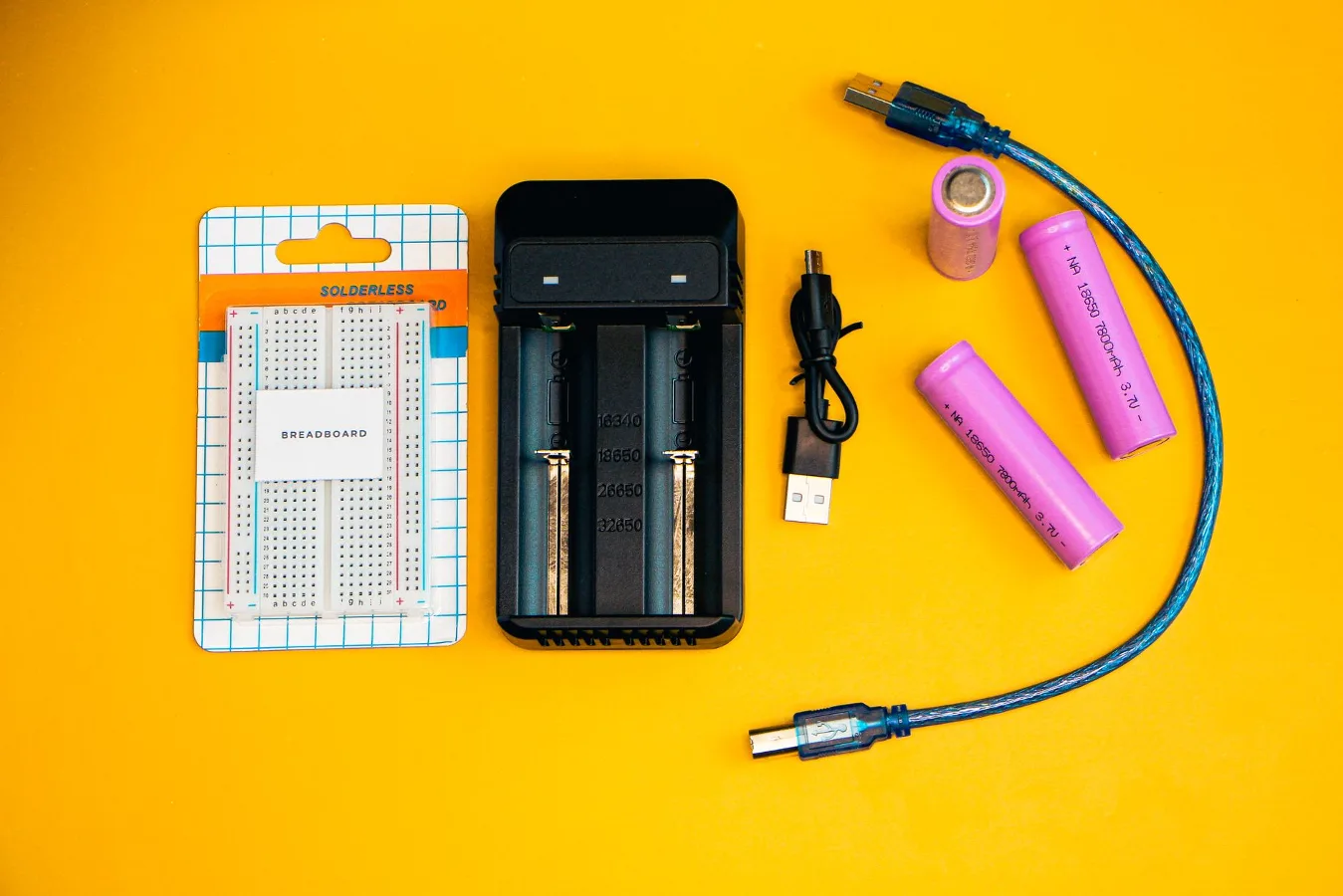
If you need a lithium battery charger 12V, the short answer is this: choose a charger that is explicitly designed for your battery chemistry, especially if you are charging a 12V LiFePO4 battery. The wrong charger may not charge fully, may stop too early, or may use a profile that is simply not appropriate for lithium chemistry. ebike battery charger offers more detail on this point.
That matters because 12V lithium batteries are often used in RVs, marine systems, solar storage, portable power setups, and off-grid equipment. In those environments, the charger is not just an accessory; it is part of the battery’s long-term health and reliability.
Start with the battery, not the charger
The most common mistake is shopping for a charger first and treating “12V” as the only important detail. In practice, the charger has to match more than voltage. It needs to suit the battery chemistry, charging method, and any charging limits set by the battery manufacturer.
For most shoppers searching this term, the battery is usually one of two broad types:
- Lead-acid 12V batteries, including flooded, AGM, and gel
- 12V lithium batteries, usually lithium iron phosphate (LiFePO4)
Those batteries do not want the same charging behavior. A charger designed for lead-acid batteries may use charging stages that are not ideal for lithium. A lithium-specific charger, by contrast, is more likely to deliver the charging profile that lithium batteries expect.
What makes a 12V lithium charger different
A charger for lithium batteries is usually built around a simpler charging approach than a traditional lead-acid charger. Many lithium chargers focus on steady, controlled charging rather than the long float charging behavior common in lead-acid systems.
That difference is easy to overlook because both chargers may look similar on the shelf. The real distinction is inside the charge profile. Lithium batteries generally prefer a controlled current and voltage process, and many users want a charger that stops at the proper threshold instead of holding the battery at a float state for long periods. Battery Charger for Lithium Batteries Guide offers more detail on this point.
For everyday users, the practical takeaway is simple: if the charger says it is lithium-compatible or LiFePO4-compatible, read the details. Some chargers support multiple chemistries, while others are tuned for one battery type only.
Key factors to compare before buying
Chemistry compatibility
This is the first filter. If the product does not clearly support lithium batteries, keep looking. For 12V lithium batteries, the safest choice is a charger that specifically names LiFePO4 or lithium iron phosphate, unless your battery documentation says otherwise. choosing the right charger for LiFePO4 batteries offers more detail on this point.
A common misconception is that any “smart charger” will work because it automatically adjusts. Some do; some do not. “Smart” does not automatically mean lithium-ready.
Charging voltage profile
The voltage profile is one of the most important details, but it is also one of the easiest to miss. Lithium batteries typically need a charger that follows the correct upper voltage range and does not rely on extended float behavior as its main strategy.
If you are comparing chargers, look for language that explains how the charger handles bulk charging, absorption, and float, or whether it uses a lithium-specific mode. If the product description is vague, the manual should answer the question more clearly.
Charge current
Charge current affects how quickly the battery can recharge, but faster is not always better. The right current depends on the battery’s specifications, capacity, and the manufacturer’s recommendations.
A charger that is too weak may feel frustratingly slow. One that is too aggressive may exceed the battery’s preferred charging limits. The ideal choice is usually a middle ground that fits the battery and the way you actually use it.
Automatic shutoff and charge control
A quality charger should know when to reduce output or stop charging. This helps avoid unnecessary stress on the battery and makes the system easier to use day to day. For people who charge batteries regularly, automatic control is not a luxury; it is a practical safeguard.
In a real-world setup, this matters most when batteries are left on charge for extended periods or used in seasonal equipment. A charger with clear charge management is easier to live with than one that needs constant monitoring.
Battery management system compatibility
Many lithium batteries include a battery management system, often called a BMS. The BMS helps protect the battery from unsafe conditions. Even so, the charger still matters. The BMS is not a substitute for a compatible charger.
One overlooked nuance is that a battery with a BMS may still reject a charger that behaves outside the expected range. If a battery seems not to charge properly, the issue may be the charger, the BMS behavior, or both. Compatibility should be treated as a system question, not a single-product question.
Use-case fit
Think about how the battery is used. A charger for a garage backup battery may have different priorities than one used in a boat, RV, trailer, or portable setup. Portability, mounting style, environmental exposure, and convenience all matter.
For example, if the charger will live in a damp or vibration-prone environment, durability and connector quality become more important. If it will travel often, size, weight, and cable management matter more.
Practical solutions for common charging setups
For RV and marine owners
RV and marine systems often combine multiple power sources, so charger compatibility can get complicated. A charger may need to work alongside solar controllers, alternators, shore power systems, or inverter-chargers.
In these setups, the best charger is usually the one that matches the full electrical system rather than just the battery label. If the battery bank includes lithium, every charging source should be reviewed for lithium compatibility. Mixing charging behaviors can create confusion, inconsistent charging, or premature wear.
For home backup and seasonal equipment
Home backup batteries, lawn equipment, fish finders, mobility gear, and seasonal electronics are often charged less frequently. That makes charger simplicity important. A straightforward lithium-specific charger can reduce guesswork and make maintenance easier between uses.
For equipment that sits unused for long stretches, predictable charging behavior is often more valuable than advanced features you will never use.
For solar and off-grid systems
Solar users sometimes think of chargers and charge controllers as interchangeable. They are not. A solar charge controller manages charging from panels, while a standalone charger is typically used from AC power or another source. Both must still be compatible with the battery chemistry.
If a lithium battery is part of a solar system, make sure the charging strategy is consistent across all power sources. The charger should not be the only lithium-aware component in the system.
What people often get wrong
One common mistake is buying a charger based on battery voltage alone. Another is assuming a charger that works on one 12V lithium battery will automatically suit every 12V lithium battery. Battery chemistry, capacity, and manufacturer guidance still matter.
Another frequent issue is expecting a charger to solve a battery problem that is really caused by storage, wiring, or the BMS. If a battery will not charge, the charger is only one part of the diagnosis.
It is also easy to overlook connectors and cable quality. A charger may be technically compatible but still inconvenient if the leads are too short, the plugs do not match your setup, or the display is hard to interpret.
How to narrow the options without overbuying
A lot of buyers overspend on features they will never use. For many households and hobby users, the essentials are enough: lithium compatibility, proper voltage handling, appropriate current, clear indicators, and reliable automatic control.
Use this practical filter:
- Confirm the battery chemistry and manufacturer charging guidance.
- Check that the charger explicitly supports lithium or LiFePO4 batteries.
- Match the charging current to the battery and use case.
- Look for clear status indicators and automatic shutoff behavior.
- Make sure the connectors, cable length, and form factor fit your setup.
If the charger will be used in a stationary location, convenience and reliability may matter more than compact size. If it will travel, the reverse may be true.
Alternatives worth considering
Not every 12V lithium setup needs a dedicated standalone charger as the only solution. Depending on the system, a battery charger, inverter-charger, DC-to-DC charger, or solar charge controller may be more appropriate.
That said, each option serves a different role:
- Standalone lithium charger for straightforward AC-powered charging
- Inverter-charger for combined power conversion and battery charging
- DC-to-DC charger for vehicle-based charging scenarios
- Solar charge controller for panel-based charging
The best choice depends on how the battery is used, where it is charged, and what other charging sources are already in the system.
Decision guidance: what matters most by user type
For first-time buyers
Choose the simplest charger that clearly states lithium compatibility and matches the battery documentation. Avoid products that rely on vague language or broad promises without actual chemistry support.
For RV and marine users
Prioritize system compatibility, environmental durability, and consistent charging behavior across all power sources. Mixed charging systems need more attention than most buyers expect.
For frequent users
If the battery is charged often, convenience and reliability quickly become the main value drivers. Clear indicators, easy connections, and stable performance usually matter more than extra modes.
For occasional users
If you only charge the battery seasonally or during backup use, clarity and safety are the top priorities. A charger that is easy to understand is often the better long-term choice than one with a crowded feature set.
The features that are usually worth paying attention to
Some charger details deserve close attention because they affect everyday usability:
- Clear lithium support instead of generic “multi-chemistry” claims alone
- Appropriate charge rate for the battery size and application
- Readable status lights or display
- Reliable connectors and cable quality
- Protection features that support safer charging behavior
- Fit with your power source, whether wall power, vehicle power, or system integration
Features beyond that should be judged by whether you will actually use them. A more complicated charger is not automatically a better charger.
What to avoid
Skip chargers that do not clearly identify lithium support, especially if the battery is a LiFePO4 model. Be cautious with products that promise universal compatibility but provide very little technical detail. Be equally cautious if the charger is designed mainly for lead-acid batteries and merely mentions lithium in passing.
Also avoid treating a charger as a fix for poor battery storage habits. Lithium batteries still need sensible storage conditions, and charging equipment cannot make up for poor system setup or neglect.
A practical way to choose
If you want the shortest path to the right decision, start here: confirm your battery chemistry, find the charging guidance from the battery maker, and select a charger that explicitly matches it. Then compare current, convenience, and system fit.
That approach avoids the two most expensive mistakes: buying a charger that is not truly lithium-ready and buying a feature-heavy model that does not suit how you will actually use it.
For most buyers, the best lithium battery charger 12V is the one that is technically compatible, easy to use, and appropriate for the battery’s role in the system. If those three boxes are checked, the rest is usually about convenience and layout rather than chemistry risk.
