
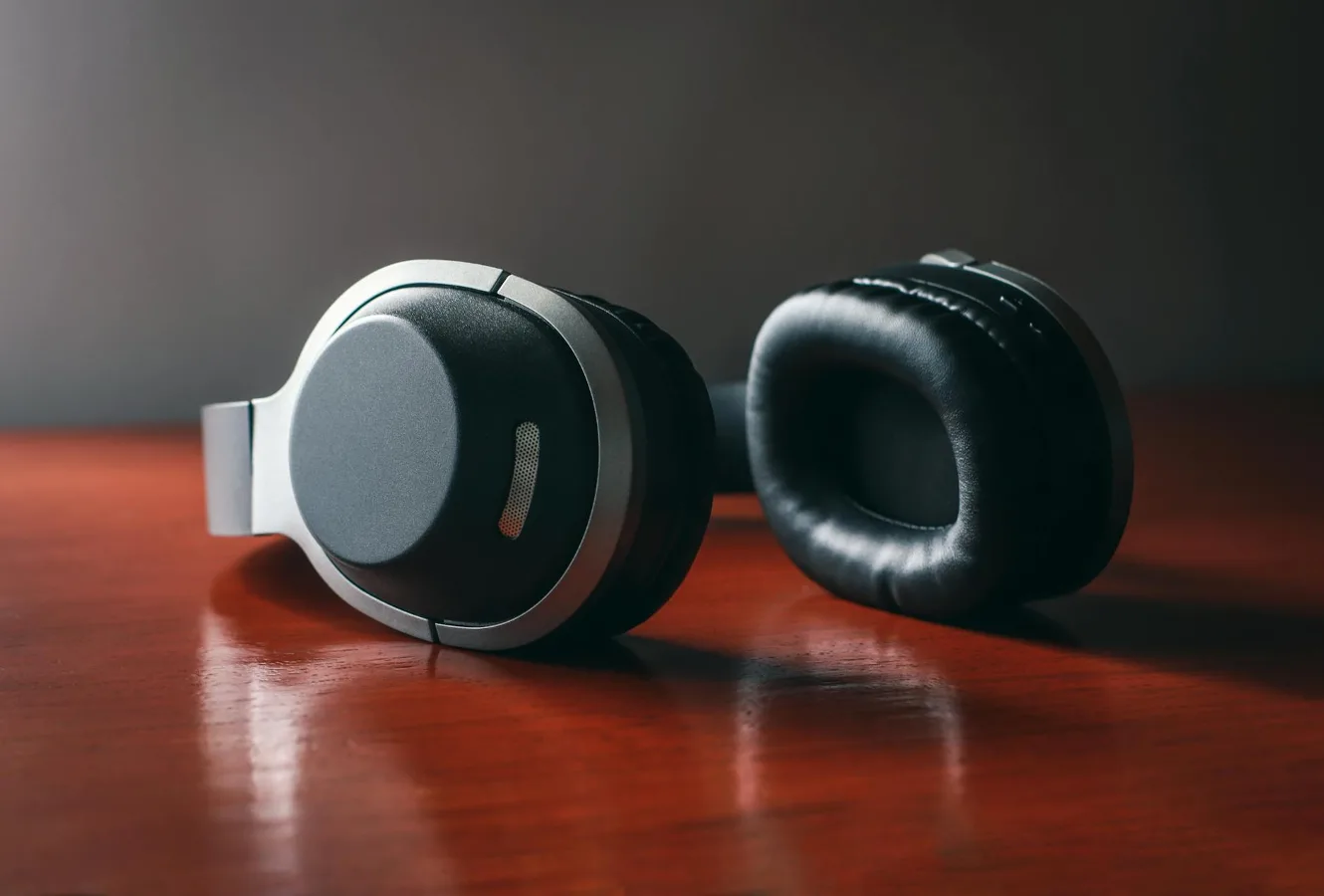
Noise cancelling headphones can be a useful tool for ADHD, especially if your biggest challenge is staying oriented in noisy, unpredictable environments. They do not treat ADHD, and they will not erase every distraction, but they can make background noise feel less intrusive so it is easier to work, study, commute, or recover from sensory overload.
The right choice depends less on “best noise cancelling” and more on how the headphones feel, how they handle different kinds of sound, and whether you can wear them comfortably for long stretches. That is where many buyers get tripped up: strong noise cancellation sounds appealing, but a poor fit, annoying pressure, or confusing controls can make the headphones more distracting than helpful. noise isolation versus noise cancellation offers more detail on this point.
Who tends to benefit most from noise cancelling headphones
These headphones are most helpful for people who are sensitive to constant environmental noise or who need fewer interruptions to stay on task. That may include students in shared spaces, remote workers near family activity, commuters, people who find office chatter draining, or anyone who feels mentally worn down by layered background sound.
They can also be useful for people with sensory sensitivities who want a calmer sound environment without needing complete silence. For some, the biggest benefit is not that the room becomes quiet, but that the brain has fewer competing sounds to process.
That said, not everyone with ADHD wants the same level of sound reduction. Some people focus better with near-silence. Others prefer a gentler reduction that removes steady noise but leaves enough awareness to stay comfortable and safe. The best headphone is often the one that matches your environment and your tolerance for isolation.
What noise cancelling can do well, and what it cannot
Active noise cancellation, often called ANC, works best against steady low-frequency sounds such as engine hum, HVAC noise, fans, and the general drone of transit. It is usually less effective against sharp, irregular sounds like speech, keyboard tapping, sudden announcements, or a dog barking nearby.
That matters for ADHD buyers because many common distractions are not just “loud” but unpredictable. A good ANC headphone may make the room feel calmer, yet you may still hear voices, notifications, or abrupt noises. If your main challenge is chatter in an open office or café, you may get more benefit from a headphone that combines ANC with strong passive noise isolation from the ear cups and cushions.
Another common misconception is that stronger cancellation always means better focus. For some users, heavy ANC can feel unnatural, pressurizing, or slightly disorienting. If you are sensitive to that sensation, comfort and control may matter more than maximum noise reduction.
The buyer scenario: what to prioritize by use case
For studying or reading
Look for a comfortable over-ear design with good clamping balance and ear cups that do not heat up too quickly. Studying often means long wear sessions, so soft padding and stable fit can matter more than flashy sound features. If you use music as a focus aid, sound quality and low listening fatigue are also relevant.
For commuting
Portability, battery life, and easy controls become more important. A foldable design or included case can help if you toss the headphones into a bag often. Transparency mode can also be valuable here because it lets you hear station announcements, traffic cues, or boarding calls without removing the headphones every time.
For office or shared-home use
Prioritize comfort and the ability to switch quickly between quiet and awareness. In a shared setting, you may need headphones that are easy to put on and take off, with intuitive buttons or app controls. If you sometimes need to hear coworkers, family members, or a doorbell, a reliable transparency mode is more practical than max ANC alone.
For sensory recovery
If your goal is to reduce overload rather than listen to audio, look closely at passive isolation, clamping comfort, and how the headphones feel when nothing is playing. Some people prefer headphones with no audio at all, just the quieting effect. In that situation, comfort and low pressure can matter more than wireless extras.
Trade-offs worth weighing before you buy
Noise cancelling headphones can improve the experience of noisy environments, but they also come with compromises. Understanding those trade-offs helps you avoid disappointment.
- Isolation versus awareness: More noise reduction can make it harder to notice announcements, conversations, or hazards around you.
- Comfort versus clamp: A secure fit helps with passive isolation, but too much pressure can become tiring during long sessions.
- Portability versus bulk: Larger over-ear designs usually feel better for long wear, but they take up more space.
- Battery dependence: Wireless ANC models need charging, and some features may behave differently if the battery runs low.
- Cost versus value: Paying more can get you better comfort or controls, but the most expensive model is not automatically the best ADHD fit.
A subtle but important point is that the “best” headset for ADHD is not necessarily the one with the strongest specs. A model that feels comfortable, is easy to use, and does not create pressure or irritation may be more effective in daily life than a more powerful model you avoid wearing.
Material and spec factors that matter most
Ear cup design and padding
Look for ear pads that create a good seal without feeling harsh. Memory foam and plush synthetic leather are common, but the right feel varies by person. Softer padding often improves comfort, while a better seal can improve passive noise blocking. If you wear glasses, that seal may be harder to maintain, so comfort around the temples becomes more important.
Headband pressure and weight
ADHD users who wear headphones for extended periods should pay close attention to pressure across the top of the head and around the jaw. A lighter headphone is not always better if the weight is poorly distributed. Balanced weight and a headband that does not create a hot spot can make a big difference during long work blocks.
ANC behavior and modes
Some headphones offer adjustable noise cancellation levels or companion app controls. That can be useful if you want stronger reduction in transit and gentler reduction at your desk. If available, transparency mode is worth considering because it gives you flexibility without removing the headphones every time you need to interact.
Controls and usability
Simple buttons, easy pairing, and predictable app behavior may matter more than they do for casual listeners. If you lose focus easily, a fiddly touch interface or complicated mode switching can become its own source of frustration. Practical controls often beat clever features.
Battery life and charging habits
Battery life is a real-world factor, not just a spec. If you use headphones daily for work or study, think about whether you are likely to remember frequent charging. A model that survives long sessions and charges in a straightforward way can be more sustainable than one with more advanced features that you forget to maintain.
Wired fallback
Some wireless ANC headphones can still be used with a cable, while others offer only limited functionality in wired mode. A wired fallback can be useful if you do not want to worry about charging, or if you plan to use them at a desk for long stretches.
Comfort is not optional for ADHD use
Comfort often decides whether noise cancelling headphones become a daily tool or end up in a drawer. People with ADHD may already struggle with task switching; if headphones are annoying to put on, adjust, or wear, they will not get used consistently.
Look at the full comfort picture: ear pad depth, clamping force, headband padding, heat buildup, weight distribution, and whether the controls are easy to reach without breaking concentration. A model that feels fine for ten minutes may still become tiring after an hour or two, which is why longer-wear comfort matters more than first impressions.
If you are sensitive to pressure or enclosed spaces, over-ear headphones may feel better than earbuds because they spread pressure more evenly. But some people dislike anything that covers the ears for too long. In that case, the comfort decision may favor a lighter, less isolating option, even if it provides less cancellation. over-ear vs on-ear headphones offers more detail on this point.
Alternatives if ANC is not the right fit
Noise cancelling headphones are not the only way to reduce distraction. Depending on your routine, another tool may work better.
- Passive noise-isolating headphones: These block sound through the seal alone and can be useful if you want a simpler, battery-free option.
- Earplugs: Useful for severe noise sensitivity, travel, or sleep, though they are not always ideal for all-day use.
- White noise or brown noise: Sound masking can make speech and random noises less noticeable for some people.
- Open-office strategies: Sitting away from traffic, using scheduling blocks, or creating a low-stimulation workspace may help alongside headphones.
- Bone conduction or light audio accessories: These may suit some use cases, but they usually do not offer the same isolation as ANC headphones.
A practical approach is to think in layers. Headphones can help, but they work best when paired with environmental changes such as lowering notification noise, using visual reminders, and reducing unnecessary background sound where possible.
Common mistakes people make when shopping
- Choosing only by cancellation strength: Strong ANC is not helpful if the headphones hurt to wear.
- Ignoring transparency mode: This feature can be surprisingly useful for real-life interruptions and safety.
- Overlooking fit with glasses or hairstyles: A small fit issue can ruin the seal and comfort.
- Assuming all ANC is the same: Different models handle steady noise, voices, and pressure differently.
- Buying for travel when the real need is desk work: Portability and long-wear comfort are not the same thing.
- Forgetting about charging habits: A wireless model that is annoying to keep charged may not stay in rotation.
How to narrow down the right option
If you are comparing models, start with your actual environment. Ask yourself where the headphones will be used most: at home, in class, on transit, in an office, or during sensory overload recovery. Then rank your priorities in this order: comfort, fit, noise reduction type, controls, and only then extras such as app customization or multipoint pairing.
If you can try them on, pay attention to pressure after several minutes rather than the first 30 seconds. If you cannot try them in person, read carefully for details about clamping, ear pad size, foldability, and mode switching. Those practical details often matter more than broad marketing claims.
For many ADHD users, the safest buy is a well-padded over-ear ANC headphone with straightforward controls, a decent transparency mode, and enough battery life to avoid daily frustration. That combination does not solve distraction by itself, but it does remove several common friction points.
Next steps before you buy
Before choosing a model, map your main problem to the feature that addresses it. If the issue is constant environmental hum, prioritize ANC quality. If the issue is long-wear comfort, focus on padding and weight distribution. If the issue is safety or interaction, transparency mode and easy controls deserve more attention.
It also helps to think about where headphones fit into your broader focus setup. A quieter room, scheduled breaks, and fewer notification interruptions can make any decent pair more effective. That is especially true for ADHD, where the goal is not perfect silence but a workable level of calm and control. best headphones for focus and work offers more detail on this point.
Used that way, noise cancelling headphones become a practical support tool rather than a magic fix. The right pair can reduce friction, lower sensory load, and make it easier to stay with a task long enough to make progress.
