
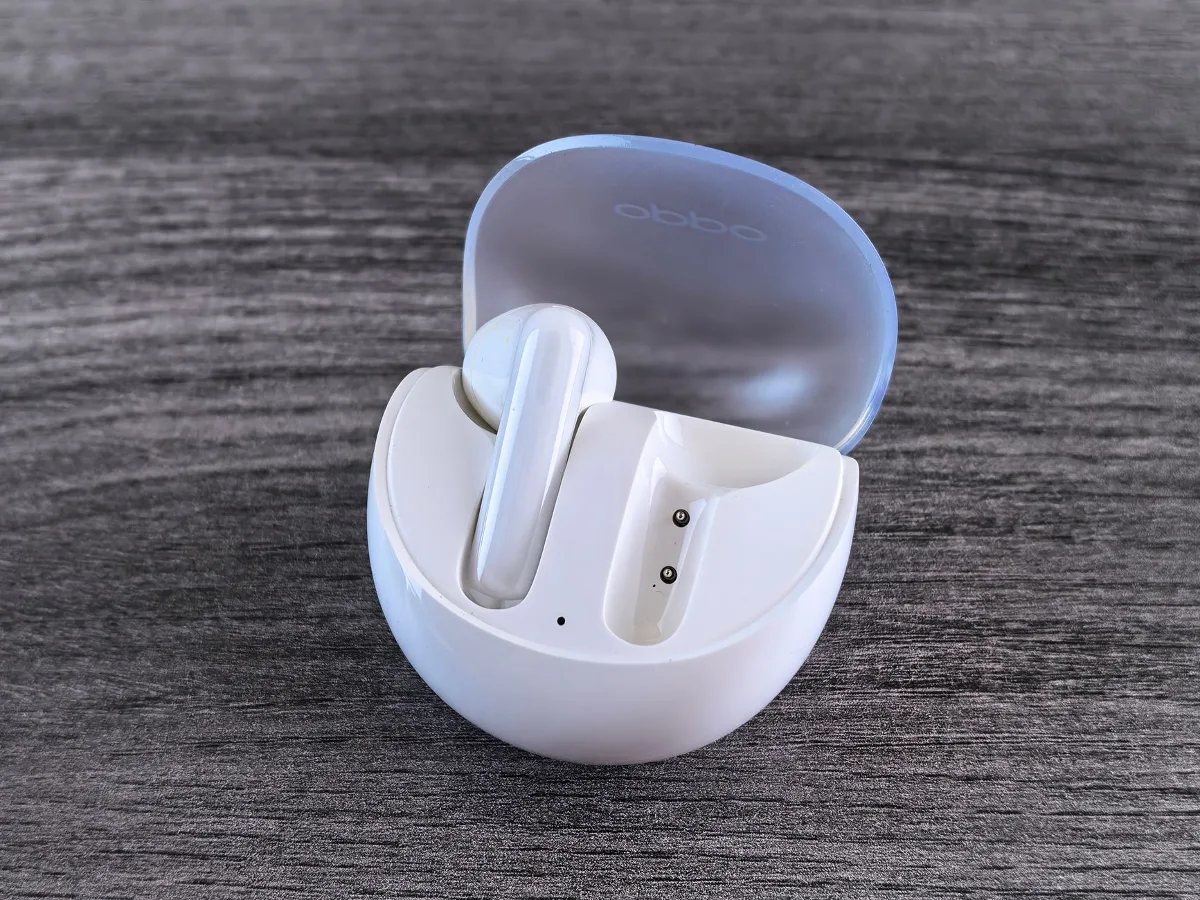
If you’re searching for Icon wireless earbuds with mic, the main question is usually not what the phrase means, but whether the earbuds actually fit your daily use. For most buyers, that means checking call quality, comfort, battery life, Bluetooth stability, and whether the model works smoothly with your phone or laptop. leemc s12 wireless earbuds offers more detail on this point. Helix Wireless Earbuds Guide for Buyers offers more detail on this point.
That makes this a buying guide more than a product spotlight. The right choice depends on where you’ll use them most: commuting, work calls, gym sessions, or casual listening. A good pair should be easy to wear, easy to charge, and dependable for voice calls without forcing you to compromise on comfort.
Who these earbuds are best for
Wireless earbuds with a built-in mic make sense for anyone who wants to move freely while still taking calls, listening to podcasts, or joining video meetings. They are especially useful if you switch between your phone and a computer during the day, because the microphone and wireless connection remove the clutter of a cable.
For Icon wireless earbuds specifically, shoppers are usually comparing a compact, everyday earbud format rather than a specialized studio or workout headset. That points to a practical use case: portable listening first, with microphone convenience built in. If that matches your routine, the category is worth considering. If you need advanced noise cancellation, multi-device controls, or pro-level voice pickup, you may need to look more closely at the exact model features instead of assuming all wireless earbuds perform the same way.
The most important trade-offs to understand
Wireless earbuds always involve a few compromises, and it helps to know them before buying. The biggest one is that convenience often comes before raw audio or microphone performance. Tiny earbuds can sound very good, but they have less space for large drivers, larger batteries, and more sophisticated voice hardware.
Another trade-off is fit versus isolation. A tighter fit can improve bass and reduce outside noise, but it may feel fatiguing over long listening sessions. A looser fit can be more comfortable for some ears, but it may let in more ambient sound and make calls less clear in busy places.
There is also the matter of controls. Some earbuds offer simple tap controls, while others rely on touch surfaces that can be sensitive to accidental presses. If you plan to wear them while walking, working, or commuting, a control layout that is easy to remember matters more than flashy features.
Material and design factors that affect daily use
With earbuds, material and design are not just cosmetic details. They shape comfort, seal, stability, and long-term durability. The ear tips are especially important because they influence how securely the earbuds sit and how much outside sound gets through.
Many buyers overlook the charging case, but it is part of the product experience. A case that opens easily, closes securely, and fits comfortably in a pocket is more useful than one that looks sleek but feels awkward to carry. If the case is too bulky, people often leave it behind, which defeats the whole point of true wireless convenience.
If the model includes different ear tip sizes, that is a practical advantage. A proper fit can improve both sound and microphone use because the earbuds stay stable in your ears during normal movement. A poor fit can make the mic seem worse than it really is, simply because the earbuds shift position and reduce seal.
Build quality matters as well, especially around hinges, buttons, and charging contacts. These are the points that tend to show wear first. A buyer guide cannot promise durability from photos alone, so it is smarter to look for clear details about materials, charging behavior, and the quality of the case design rather than only focusing on the earbuds’ appearance.
What matters most for mic performance
Many shoppers assume that any wireless earbud with a mic will work well for calls. That is a common misconception. Microphone quality is affected by more than the presence of a mic. Voice pickup depends on placement, ambient noise, wind, Bluetooth stability, and how the earbuds handle background sound.
If you take calls in quiet rooms, most decent earbuds can be acceptable. If you take calls outdoors, in a car, or in an open office, you need to think more carefully about microphone behavior. Earbuds with better voice focus may separate speech from background noise more effectively, but results vary by model and software design.
A practical rule: if calls matter more than music, treat the microphone as a primary feature rather than a side note. Look for clear language about call handling, dual microphones, beamforming, or background-noise reduction if those details are available. If the listing barely mentions calling at all, that usually means the model is being positioned mainly for casual listening.
Battery life and charging: the real-world view
Battery claims are easy to overvalue because the quoted number is only part of the story. The actual experience depends on volume level, call use, case charging behavior, and how often you pause or reconnect the earbuds. Frequent calls and voice assistant use can drain battery faster than passive listening.
For everyday use, the most helpful questions are simple: can you get through a work block, a commute, or a workout session without worrying about a dead battery? Does the charging case add enough reserve for your routine? And is the charging method convenient for your devices, whether that means USB-C or another standard?
It is also worth considering how easy the earbuds are to check and charge. A case with clear battery indicators is more practical than one that leaves you guessing. Small usability details often matter more over time than a slightly higher advertised battery figure.
Compatibility is a bigger issue than many buyers expect
Wireless earbuds are generally straightforward, but compatibility still deserves attention. Most modern earbuds use Bluetooth, yet the experience can differ depending on whether you connect them to an iPhone, Android phone, Windows laptop, or tablet.
If you switch devices often, look for smooth pairing and stable reconnection. That matters more than almost any other convenience feature. Some earbuds reconnect quickly after opening the case, while others take extra steps or occasionally forget paired devices. For people who use earbuds across work and personal devices, that difference becomes noticeable fast.
Also think about the controls and voice assistant behavior on your main device. A feature that works well on one platform may be less intuitive on another. Compatibility is not only about whether the earbuds connect, but whether the whole experience feels seamless in your everyday setup.
How to judge comfort without overthinking it
Comfort is one of the most subjective parts of buying earbuds, but there are still useful signals to watch. Lightweight earbuds with a secure shape tend to suit more people, yet ear shape varies widely, so even a well-reviewed design can feel awkward to a particular user.
The best approach is to think about your use pattern. If you wear earbuds for short calls and quick errands, almost any reasonably designed pair may be fine. If you expect to wear them for long listening sessions, pressure points, ear fatigue, and fit stability become more important than raw sound specs.
One overlooked consideration is how often you will take them out and put them back in. Earbuds that are easy to seat correctly save a lot of frustration. A model that sounds good only when positioned just right may be less satisfying than one that sounds slightly less refined but is easier to live with.
Sound quality: what buyers can realistically expect
In this category, sound quality should be judged in context. Wireless earbuds are designed for convenience and portability, so their strength is usually everyday listening rather than reference-level detail. That does not mean they cannot sound balanced or enjoyable; it means expectations should match the format.
Pay attention to the kind of listening you do most. If you prefer podcasts, voice calls, and background music, clarity in the mids matters more than deep bass. If you enjoy bass-heavy genres, you may want an earbud with a secure seal and a tuning profile that supports fuller low-end sound without becoming muddy.
Keep in mind that ear tip fit affects perceived sound as much as the drivers themselves. A poor seal can make earbuds sound thin or weak, while a better seal can improve the entire listening experience. That is why fit is not just a comfort issue; it is also a sound-quality issue.
Practical limitations to keep in mind
Wireless earbuds are convenient, but they are not the best tool for every situation. If you need maximum isolation on a plane, a set of over-ear noise-canceling headphones may be a better fit. If you spend hours on calls every day, a headset with a larger microphone boom may outperform tiny in-ear mics. And if you dislike charging small devices frequently, wireless earbuds may feel less convenient than they first appear. best earbuds for phone calls offers more detail on this point.
Another limitation is small physical size. Tiny earbuds are easy to misplace, and the case can be lost just as easily. That sounds obvious, but it is one reason many buyers end up preferring a model that is simple to store and easy to spot in a bag.
Wireless performance can also be affected by the environment. Crowded public spaces, interference, and distance from the source device can all influence connection quality. Most people will not notice this every day, but it matters if you expect steady use in busy transit or office settings.
Alternatives worth considering before you decide
If Icon wireless earbuds with mic are close to what you want but not exactly right, a few alternatives may suit your routine better. Neckband earbuds can be easier to keep track of and may feel more secure for active use. Over-ear headphones can offer better comfort for long sessions and typically provide a stronger passive seal. A wired headset still makes sense for desk use if you want to avoid charging entirely.
The right alternative depends on your main priority. For maximum portability, true wireless earbuds are hard to beat. For longer calls and less fiddling, a larger headset may be the better trade-off. For gym use or commuting, a secure in-ear fit is usually more important than fancy extras.
What to check before you buy
If you are comparing options, use this as a simple decision list:
- Fit: Does the earbud style look likely to stay comfortable for your ear shape?
- Mic use: Are calls an important part of your daily routine, or is the microphone only occasional?
- Battery routine: Will the case and charging setup match how often you travel or work away from home?
- Device compatibility: Will you use them mainly with a phone, laptop, or both?
- Noise environment: Will you use them in quiet rooms, public places, or mixed conditions?
- Portability: Is the case compact enough that you will actually carry it?
- Controls: Are tap controls, button controls, or voice commands most practical for you?
If a listing does not answer one of these questions clearly, that is a signal to pause and compare more carefully. In wireless audio, missing information often matters as much as the features that are advertised.
Next steps for choosing the right pair
Start by deciding which use case matters most: calls, commuting, casual listening, or a mix of all three. Then compare the design, fit options, charging setup, and microphone-focused features with that use case in mind. That approach is more useful than chasing the longest feature list.
If you want a dependable everyday earbud, prioritize comfort, stable Bluetooth behavior, and a case you will actually use. If you need stronger voice pickup, put microphone performance ahead of extra sound features. And if you are unsure, choose the model that makes the fewest compromises in the areas you use daily, not the one with the most impressive marketing language.
Icon wireless earbuds with mic can be a sensible choice for shoppers who want portable audio with built-in calling convenience. The best decision comes from matching the earbuds to your habits, not from assuming all wireless models behave the same way.
