
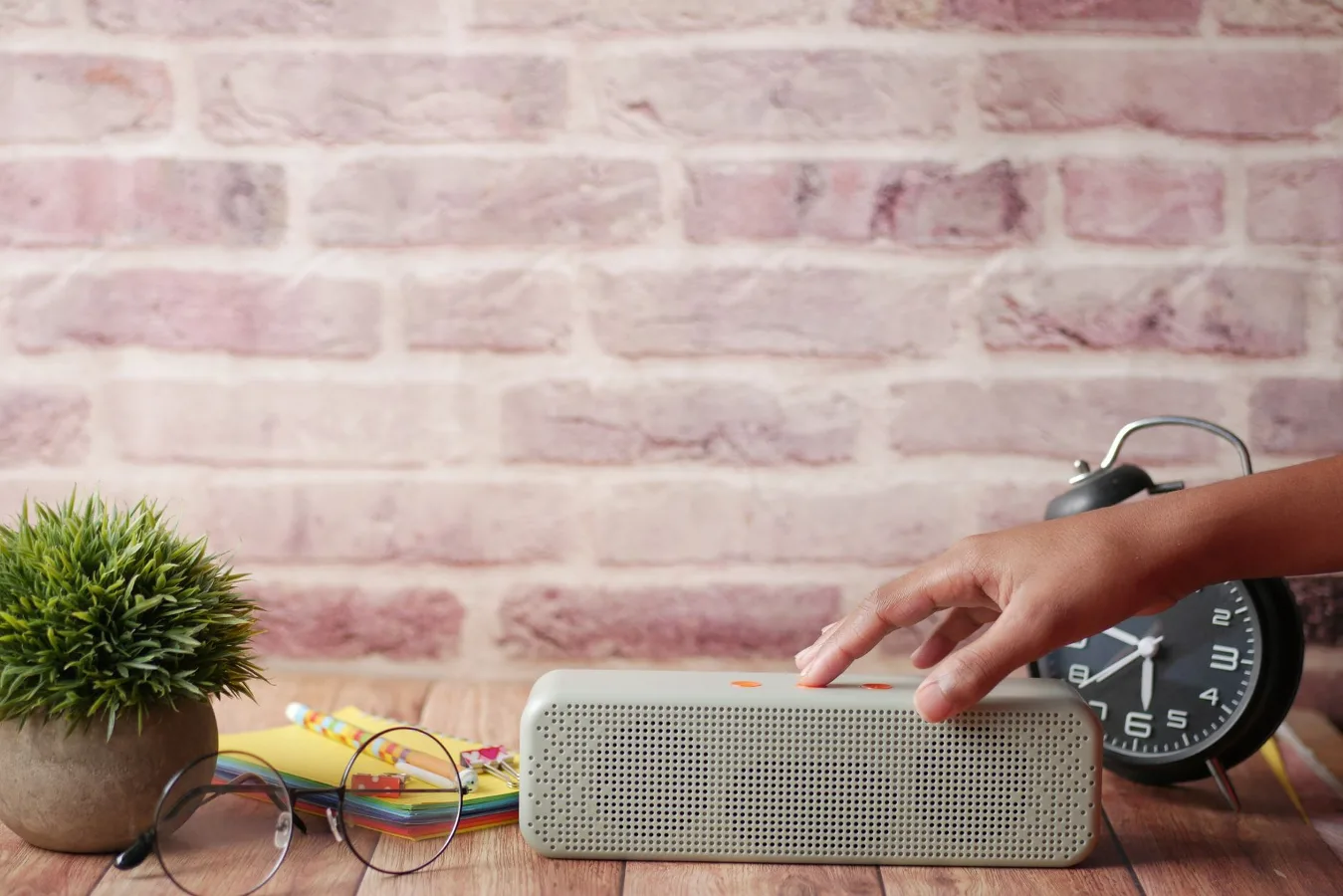
When a custom Bluetooth speaker makes sense
A custom Bluetooth speaker is usually chosen for one of three reasons: branding, gifting, or resale. That makes the buying process a little different from shopping for a standard portable speaker. You are not only choosing audio performance; you are also choosing how the product will represent a brand, an event, or a message. portable Bluetooth speaker guide offers more detail on this point. bluetooth speaker for golf cart offers more detail on this point. Best Bike Bluetooth Speaker Guide offers more detail on this point.
The right choice depends on how the speaker will be used. A speaker meant for a trade show handout has very different requirements than one intended as a premium client gift or a retail item. In practice, the best options balance sound quality, appearance, durability, and the customization method without overpaying for features the recipient may never use.
A common mistake is focusing only on the logo placement. If the speaker feels flimsy, is awkward to carry, or sounds weak, the branding will not rescue it. For commercial use, the product itself needs to feel credible.
Start with the use case, not the decoration
The first decision is what role the speaker plays. This one choice affects everything else, from size to finish to packaging.
For giveaways and events
If the speaker is going to be handed out at conferences, product launches, or community events, convenience matters most. Look for a compact format, easy pairing, and simple controls. A smaller speaker is easier to distribute and carry, but it may offer less volume and weaker bass. That trade-off is usually acceptable if the goal is brand visibility rather than immersive listening.
For client gifts
A client gift should feel more deliberate. In that setting, design and perceived quality matter as much as practical performance. A cleaner housing, subtle branding, and better packaging can make the item feel more polished. Overly busy decoration can make the product look promotional rather than thoughtful.
For retail or resale
If the speaker is being sold, consistency and repeatability become more important. You need a customization method that reproduces reliably and a design that does not depend on one-off manual adjustments. Retail-focused buyers should also pay attention to warranty terms, accessory availability, and packaging presentation.
Step-by-step criteria for choosing the right speaker
There is no single best custom Bluetooth speaker. The right choice comes from matching the product to the use case and the audience. Use the criteria below in order, since later choices often depend on earlier ones.
1. Decide how much sound quality actually matters
Many buyers assume that all portable speakers in the same size class sound similar. That is not true, but neither does every project need premium audio. For a desk accessory or promo item, clear speech and decent everyday listening may be enough. For a gift meant to impress, sound balance, clarity at moderate volume, and reduced distortion matter more.
Think about where the speaker will be used. A quiet office, hotel room, or kitchen counter does not require the same output as an outdoor picnic or jobsite. Choosing a speaker that is too small for the environment leads to disappointment, even if the branding looks good.
2. Match the customization method to the surface and artwork
The custom part is not just decoration; it is a production decision. Common customization approaches include printed logos, laser engraving, and full-color decoration. Each method suits different materials and designs.
- Printing works well for logos with color and broader branding artwork.
- Engraving can look cleaner and more permanent on compatible surfaces.
- Full-color decoration is useful when the design needs more visual impact.
The key is making sure the method matches the housing material. A finish that looks great on one surface may not hold up well on another. Also consider how the logo will read at the actual product size. Some detailed artwork becomes muddy when scaled down.
3. Check battery life against real usage, not just assumptions
Battery life is often treated as a simple number, but the useful question is how the speaker will be charged and used. A speaker for occasional desk use can tolerate shorter runtime if it charges easily. A speaker for travel, field work, or outdoor events needs more dependable battery performance.
Look for practical indicators such as charging convenience, power indicator visibility, and whether the speaker can be used while plugged in. If the audience includes people who may forget to charge devices, a straightforward charging setup is more valuable than a complicated one.
4. Consider durability and material feel
A custom speaker is frequently handled, transported, and tossed into bags. That makes housing material and build feel important. Rubberized finishes may help with grip and minor knocks, while harder shells can look more polished but may show scratches more easily. Fabric wraps can soften the appearance, but they may not suit every logo or cleaning routine.
Durability also includes small details: button resistance, seam alignment, port covers, and overall fit and finish. These details affect whether the product feels like a premium branded item or a disposable promo piece.
5. Make sure the controls are easy to understand
Simple controls reduce support issues. For a speaker given away at an event, it helps if the user can power it on, pair it, adjust volume, and reconnect without reading a manual. Overly complex multi-function buttons can frustrate recipients who only want quick playback.
Ease of use matters even more for audiences that may not be technically inclined. A clean control layout and straightforward pairing behavior usually create a better experience than extra features that sound impressive on a spec sheet but are rarely used.
6. Confirm compatibility with the devices your audience actually uses
Most buyers think of Bluetooth as universally simple, but compatibility still deserves attention. If the speaker will be distributed across a mixed audience, it should be easy to pair with common phones, tablets, and laptops. If you are targeting a specific environment, such as office staff or event attendees, consider how people will connect and reconnect during everyday use.
Optional features such as auxiliary input, speakerphone functions, or true stereo pairing can be helpful, but only when they match the audience. Extra features that go unused can increase cost and complicate the product without improving satisfaction.
Choosing the right customization style
Branding is often the reason a buyer starts looking for a custom Bluetooth speaker, but the style of customization determines whether the product feels premium or generic.
Subtle branding usually ages better
Large, high-contrast logos can work for giveaways and campaign merchandise. For higher-end gifts, more restrained branding often looks better over time. Small logos, tone-on-tone decoration, or placement on less prominent surfaces can make the speaker feel more like a useful accessory and less like an ad.
Artwork complexity matters
Simple marks tend to reproduce more cleanly than intricate illustrations. If the logo includes thin lines, gradients, or small text, ask how it will be simplified for production. This is one of the most overlooked parts of the ordering process. A design that looks sharp on a screen may not survive the physical limitations of the product surface.
Placement affects usability
Branding should not interfere with buttons, ports, charging indicators, or acoustic openings. It sounds obvious, but product layouts vary, and decoration areas can be limited. Good placement protects the user experience and makes the branding feel intentional.
Examples of buyer priorities by scenario
Different buyers need different compromises. The same custom Bluetooth speaker can be a poor fit for one use and a strong fit for another.
| Use case | What to prioritize | What to de-emphasize |
|---|---|---|
| Trade show giveaway | Compact size, easy branding, simple controls | Premium audio extras |
| Client appreciation gift | Refined finish, stronger perceived quality, subtle logo | Overly loud branding |
| Retail product | Consistency, packaging, repeatable decoration, reliable build | One-off visual tricks |
| Employee reward | Practical everyday usability, durable construction, easy charging | Gimmicky features |
This kind of comparison helps prevent a common error: choosing a product that looks impressive in a catalog but does not fit the actual audience.
Trade-offs you should expect
Every custom Bluetooth speaker involves compromise. Better sound often means a larger enclosure. Better branding visibility may mean less subtle design. More durable construction can add weight or cost. Smaller models are easier to distribute but may sacrifice bass response or battery capacity.
Another trade-off is between standardization and flexibility. Highly customized orders can look distinctive, but they may require more lead time and more careful artwork preparation. Simpler configurations are easier to execute, yet they may not stand out as much.
If you are choosing between two options, ask which compromise will matter most to the recipient. A speaker that looks premium but is inconvenient to use will often be less effective than a simpler product that works smoothly every day.
Common mistakes to avoid
- Choosing by appearance alone. A clean look does not guarantee good usability or durable construction.
- Overcomplicating the artwork. Small, detailed graphics often reproduce poorly on compact surfaces.
- Ignoring the audience. A speaker for office use should not be selected like one meant for outdoor events.
- Forgetting packaging. Presentation affects perceived value, especially for gifts and retail use.
- Using branding that overwhelms the product. If the decoration feels too aggressive, recipients may see it as disposable promo merch.
- Skipping sample review. Even when the general product is right, decoration placement and color reproduction should be checked before a larger order.
A practical checklist before you order
Before placing an order, use a simple checklist to reduce costly revisions and disappointment.
- Confirm the main purpose: giveaway, gift, retail, or internal use.
- Decide whether compact size or stronger sound matters more.
- Choose a decoration method that fits the logo and the housing material.
- Review logo size, placement, and color contrast on the actual product.
- Check the charging method and how easy it is for recipients to use.
- Consider whether the speaker will be used indoors, outdoors, or both.
- Think about packaging and presentation if the item will be gifted.
- Ask how the product handles wear, cleaning, and transport.
- Make sure the model matches the audience’s expectations for everyday use.
Alternatives worth considering
A custom Bluetooth speaker is not always the best branded tech item. If sound is not central to the use case, a power bank, wireless charger, or branded headset may offer more utility to a different audience. If you need a lower-cost handout, smaller audio accessories may be easier to distribute. If you want a more premium gift, a better-performing speaker with restrained branding may be more effective than a heavily decorated budget model.
The best alternative is the one that fits how the item will actually be used. That is the real decision point: utility first, branding second.
How to think about long-term value
Long-term value depends on whether people keep using the speaker after the initial moment of receipt. A speaker that lives on a desk or in a kitchen gets repeated brand exposure. One that sounds weak, is hard to charge, or looks overly promotional may be tucked away and forgotten.
That is why the most effective custom Bluetooth speaker is usually the one that feels like a normal useful device with thoughtful branding, not a novelty item with a speaker attached. A practical, well-chosen product is more likely to stay in use and reflect well on the organization behind it.
If you are building out a broader audio-related content cluster, this topic naturally connects to other areas such as portable speaker selection, branded tech gifts, logo decoration methods, and everyday Bluetooth audio accessories. Those related decisions all feed into the same goal: choosing audio products people actually want to keep using.
