
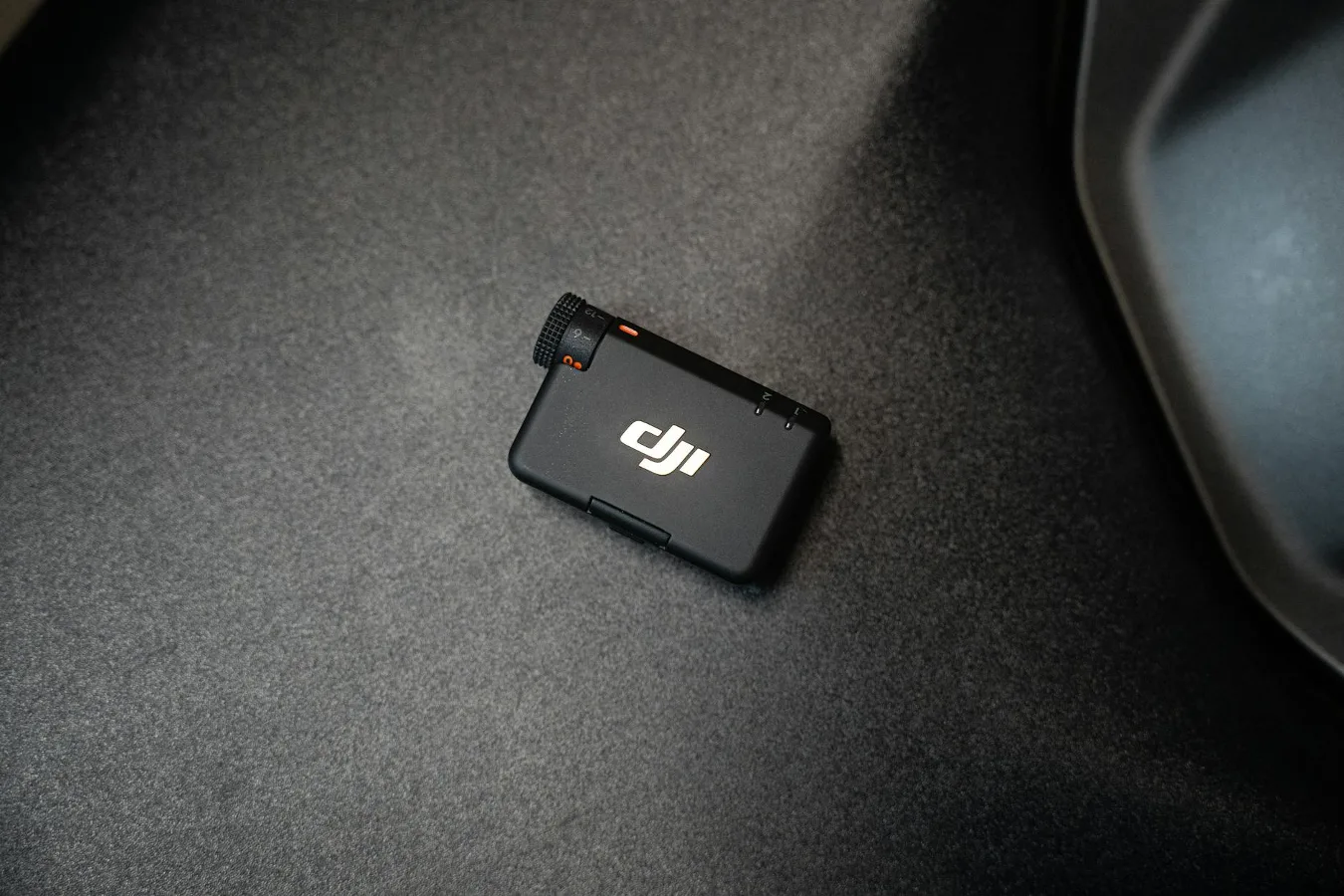
When portable power matters in a vlogging setup
Portable power matters any time your filming day runs longer than a camera battery can comfortably handle, or when you need to power more than just the camera itself. That includes hybrid shooting days, travel vlogs, street filming, interviews, livestreams, and any setup where access to an outlet is uncertain. camera battery basics for vloggers offers more detail on this point. samsung vlog cameras reviews offers more detail on this point.
For most creators, the real issue is not just how to keep the camera on. It is how to keep the entire setup usable: camera, monitor, wireless mic receiver, lights, and sometimes a phone used for teleprompter or notes. A power plan that works for a bare camera may fall apart once accessories are added.
The most practical answer is usually some combination of camera batteries, USB-C power delivery, and a high-capacity power bank or compact power station. Which one makes sense depends on your camera model, how you mount your gear, and how much weight you are willing to carry.
Start with the camera itself
Before buying a portable power solution, check how your camera can be powered. That sounds obvious, but this is where many people waste money. Some cameras can run through USB-C while recording. Others can charge over USB but not operate reliably while filming. Some need a dummy battery or a manufacturer-specific coupler to stay powered externally.
That distinction matters because a power bank is only useful if the camera can actually use it in the way you expect. A USB-C port, a DC input, and a dummy battery are not interchangeable. Each one has different limitations around cable fit, stability, and ease of rigging.
Common camera power paths
- Standard removable batteries for simple, hot-swappable use
- USB-C power delivery for supported cameras that can run from external power
- Dummy battery adapters for longer continuous shooting
- Battery grips for extended runtime and better hand feel on some camera bodies
- DC couplers or dedicated adapters for certain mirrorless and compact cinema-style setups
If your camera supports more than one method, the best choice is usually the one that matches your shooting style, not just the one with the largest capacity on paper.
The decision factors that actually matter
Portable power for vlogging is less about raw capacity alone and more about how the system behaves in real use. These are the key factors that tend to matter most.
1. Compatibility
Compatibility comes first. A power bank may deliver USB-C power, but your camera may need a specific voltage profile or may refuse to run while recording unless the connection is stable. The same applies to dummy batteries, which must match the camera model precisely.
Check whether the camera requires USB Power Delivery, a barrel connector, or a model-specific battery replacement. Also consider firmware behavior. Some cameras manage external power differently depending on settings, battery level, or recording mode.
2. Portability
For a vlogging setup, every ounce and every cable matters. A compact power bank is easier to mount or stash in a side pocket, while a larger power station is better suited to stationary or semi-mobile filming. The more portable the solution, the more likely you are to actually carry it.
Portability is not only about size. Cable management, mounting options, and the ability to swap batteries quickly can matter just as much.
3. Runtime needs
Think in terms of how long you need to film between charging opportunities. Short clips around town may only require a spare camera battery or one compact power bank. Longer shooting blocks, event coverage, or all-day travel days usually benefit from a higher-capacity external source.
A common mistake is choosing power based on an ideal scenario rather than the longest realistic stretch between outlets. If you edit on location, use a monitor, or keep a wireless mic system running continuously, your power demand rises faster than expected.
4. Output stability
Stable output is often overlooked. Some accessories tolerate flexible power better than cameras do. Sudden shutdowns can happen if a source cannot supply the required power consistently or if a cable is loose under movement.
For handheld vlogging, that stability matters more than headline capacity. A setup that is slightly smaller but more dependable is often the better buy.
5. Rig balance and mounting
If the power source hangs off the camera or sits on the rig, weight distribution affects comfort and framing. A power bank strapped to a cage can change the balance enough to make one-handed shooting more tiring. A cable that pulls at the port can also create wear over time.
That is why many creators prefer to keep the power source in a pocket or bag and run a short, well-secured cable to the camera when the setup allows it.
6. Accessory support
Many vlogging rigs do not just power a camera. They also run microphones, monitors, small LED lights, and sometimes a phone mount. If you plan to power multiple devices, make sure the solution has the right mix of ports and enough output headroom for the combined load. how to choose a vlogging camera rig offers more detail on this point.
This is a practical nuance many buyers miss: a power bank that works fine for a camera alone may feel underpowered once a monitor and mic receiver are added to the same rig.
How to choose the right portable power approach
The best option depends on your shooting style. Instead of starting with the biggest battery, start with your workflow.
For lightweight solo vlogging
If you mainly film short-form content, walk-and-talk clips, or social videos, a spare internal battery plus a compact USB-C power bank may be enough. This keeps the kit simple and easy to carry.
This is often the best balance for creators who value speed and minimal setup over maximum runtime.
For travel and all-day filming
If you film away from outlets for long stretches, look for a solution that can keep the camera running while also recharging devices between sessions. A higher-capacity power bank or a compact power station may make more sense here, especially if you carry multiple accessories.
Travel setups benefit from predictable power more than from extreme compactness. The goal is to avoid interruptions, not just reduce bag space.
For stationary interviews or desk-based vlogs
When the camera stays in one place, a dummy battery or external adapter can be more convenient than swapping batteries repeatedly. This is especially useful for interviews, tutorials, livestreams, and product shots.
The trade-off is reduced mobility. Once you commit to a tethered power setup, the rig becomes less suited to quick handheld movement.
For hybrid camera-and-phone workflows
Many creators use a camera, a phone, and audio accessories together. In that case, a multi-port power bank can simplify the day, but only if it supports the right output standards. A single source that can recharge a phone while also powering camera accessories can reduce clutter, though it may not be the smallest option.
Examples of common setups
These examples are not product recommendations. They are useful mental models for matching portable power to a vlogging workflow.
Example 1: Pocket-friendly street vlog
- Mirrorless camera with removable battery
- One spare battery in a case
- Compact USB-C power bank in a jacket or sling bag
- Wireless mic receiver powered independently
This setup keeps the load light and works well when filming in short bursts.
Example 2: Travel day with monitor and mic
- Camera that supports external power
- Power bank or battery pack with enough output for the camera
- Short, reliable cable run
- Separate power planning for monitor and audio gear
The main advantage here is continuity. The challenge is managing cables so the rig remains comfortable to carry.
Example 3: Desk tutorial or livestream
- Camera on tripod
- Dummy battery or AC-style power adapter
- Power bank as backup, or direct outlet power if available
- Minimal movement, maximum runtime stability
This is a good use case for continuous power because the camera position does not need to change often.
What to check before buying
A good purchase decision comes down to a short but careful checklist. If you skip this, the risk is ending up with gear that is technically powerful but practically awkward.
Compatibility checklist
- Does your camera support external power while recording?
- If so, is it USB-C, a dummy battery, or a DC input?
- Does your cable fit securely without blocking ports or articulation?
- Will the power source fit your cage, tripod, or bag layout?
- Can your setup handle accessory power if you plan to add a monitor or light?
Workflow checklist
- Do you need all-day runtime or only backup power?
- Will you be filming handheld, on a tripod, or both?
- Do you need the ability to recharge devices as well as run them?
- How much weight can you realistically carry without slowing down?
- Will the setup still be manageable when you are moving quickly?
Risk checklist
- Loose cables under motion
- Power banks that are too large to mount cleanly
- Adapters that work on paper but are inconvenient in the field
- Overconfidence in capacity without considering accessory draw
- Buying for the camera body while ignoring the full rig
Practical trade-offs to expect
Every portable power choice has a compromise. The useful question is not whether there is a drawback, but whether the drawback fits your style of shooting.
More capacity usually means more weight and bulk. More portability usually means shorter runtime or fewer ports. Direct camera power often means better endurance, but less freedom to move. Swappable batteries are simple, but they require more attention and spares.
Another common misconception is that one large power source always beats several small batteries. In practice, smaller batteries can be easier to distribute across a day, especially if you need to stay mobile or cannot keep one device tethered to the camera for long.
Common mistakes to avoid
- Assuming USB charging and USB power are the same thing. A camera may charge over USB but still not operate reliably from it.
- Ignoring cable quality. Loose or low-quality cables can create unstable connections in a moving rig.
- Buying for capacity alone. Capacity does not help if the output standard is wrong for the camera.
- Forgetting accessory draw. A monitor or light can change the power budget significantly.
- Overbuilding the rig. A power solution that is too large can make handheld filming less comfortable.
Where portable power fits in a broader camera kit
Portable power should support the rest of the setup, not dominate it. In a broader vlogging kit, it sits alongside camera batteries, audio gear, mounting accessories, cable organization, and any lighting you use on the move.
For creators building out a camera system, the best approach is usually modular. Start with a power method that solves the most urgent problem, then add capacity only if your filming habits actually demand it. That keeps the rig flexible and avoids carrying more than necessary.
If you are still shaping the rest of your kit, it can help to think about portable power as part of the same planning process as lens choice, audio setup, and travel-friendly accessories. Each decision affects the others.
A simple way to decide
If you want the shortest practical answer, use this order:
- Confirm how your camera can be powered externally.
- Decide whether you need backup power or continuous power.
- Estimate the accessories you will power at the same time.
- Choose the lightest solution that reliably fits your workflow.
- Test cable routing and balance before relying on it for a full shoot.
That approach avoids the most common buying mistakes and keeps the setup aligned with real vlogging conditions rather than idealized specs.
Portable power is most useful when it removes friction. For some creators, that means a spare battery and a small power bank. For others, it means a camera-compatible external battery system that can run a complete rig for hours. The right choice is the one that keeps your camera ready without making the kit harder to use.
