
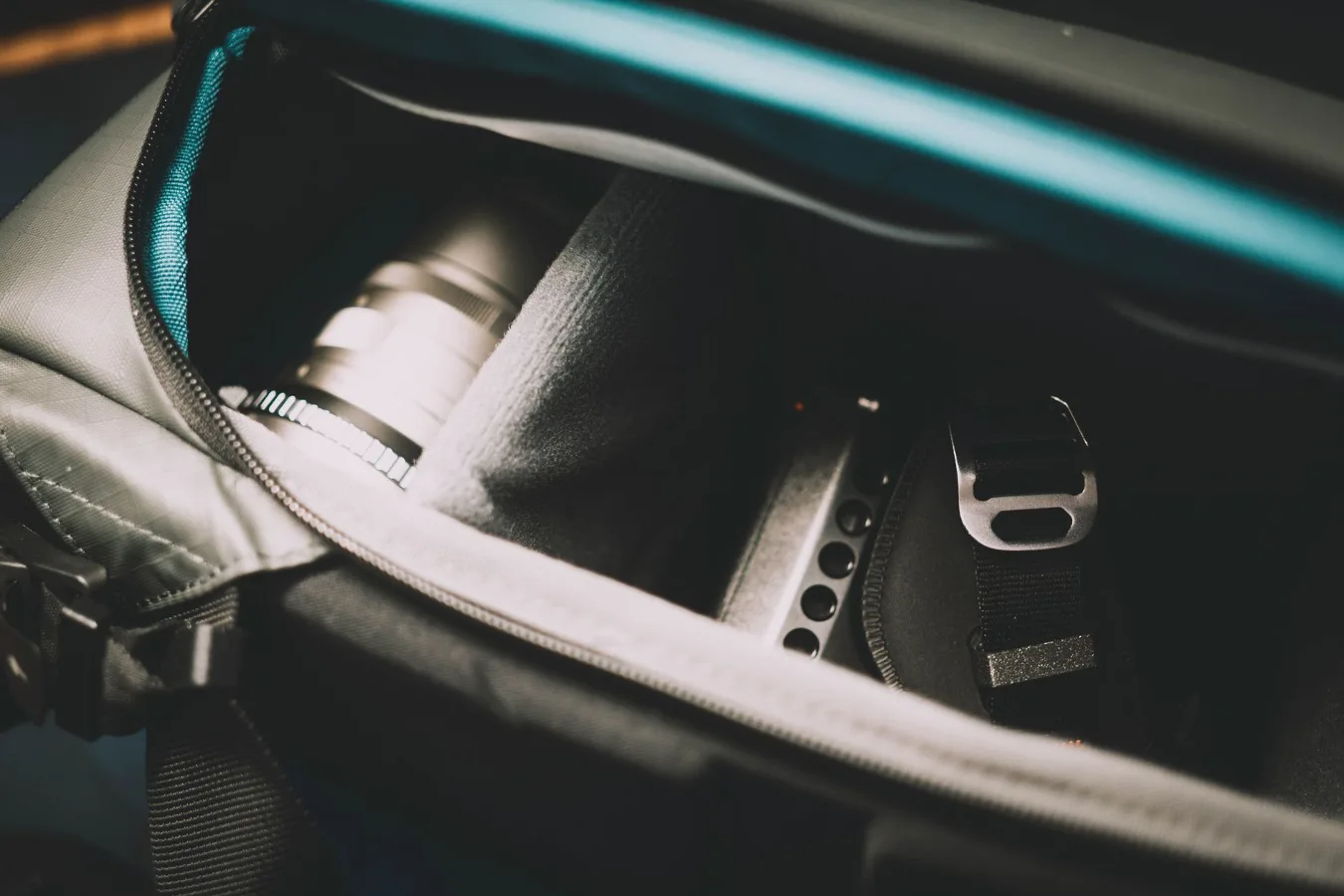
If you want a mirrorless camera pouch that actually makes daily carrying easier, focus on three things first: fit, protection, and access speed. A good pouch should hold your mirrorless body comfortably, keep dust and minor bumps at bay, and still let you get the camera out without fighting zippers or excess bulk. medium format mirrorless camera offers more detail on this point.
That sounds simple, but the best choice depends on how you use your camera. A pouch for a street photographer who wants fast access is not the same as one for a traveler who wants more padding. The right design is usually the one that fits your specific body-and-lens setup with just enough room for a strap, battery grip, or attached lens hood if you carry those items on camera. choosing the right camera insert offers more detail on this point.
Who a mirrorless camera pouch is best for
A mirrorless camera pouch makes the most sense if you want compact protection without committing to a full camera backpack. It is a strong fit for:
- Commuters who carry a camera in a larger tote, backpack, or messenger bag
- Travelers who want a simple way to separate camera gear from clothing and personal items
- Street photographers who want a small, quick-access carry solution
- Beginners with a single body and one compact lens
- Anyone who wants light protection for short trips, not full expedition-level storage
Where it can fall short is capacity. Most pouches are designed around a minimalist kit. Once you start adding a second lens, flash, charger, or larger accessories, a pouch can feel cramped quickly. That is not a flaw so much as a sign that you may have moved past the use case the pouch was made for.
Start with the camera kit, not the pouch
The most common mistake is buying based on the pouch size label alone. Mirrorless systems vary a lot, and a pouch that works beautifully for one body may be awkward for another. Before you compare features, think through the exact kit you plan to carry.
Check the body shape and lens setup
Ask whether you carry the camera with a compact prime, a standard zoom, or a longer lens attached. A pouch that looks fine for a pancake lens may be too tight for a zoom with a deeper barrel or a lens hood mounted in shooting position.
If you usually switch lenses before storing the camera, you can choose a smaller pouch. If you prefer to keep a lens attached, you need enough interior depth to avoid pressing against the controls or lens mount.
Account for protrusions and accessories
Mirrorless cameras may look compact, but small details matter. A rear grip, hot shoe accessory, thumb rest, or camera strap lug can change how the camera sits inside a pouch. If you use an L-bracket, external mic, or small cage, a conventional pouch may no longer be the right shape.
A practical rule: the pouch should protect the camera without forcing any part of the kit to bend, compress, or rub constantly against padding or seams.
Protection level: enough for daily use, not every scenario
Not every mirrorless camera pouch offers the same kind of protection. Some are soft sleeves meant to reduce scratches. Others are more structured and padded for better impact resistance. The right level depends on where the camera spends most of its time.
- Soft pouches are lightweight and easy to slide into a larger bag, but they usually offer limited crush protection.
- Padded pouches add more separation from hard objects and are a better choice for commuting or travel.
- Structured cases help the pouch keep its shape, which can make packing easier and reduce pressure on the camera.
A common misconception is that more padding automatically means better. In practice, extra padding can make a pouch bulky, reduce usable space, and slow down access. For many mirrorless users, a moderate level of padding is the sweet spot: enough for everyday knocks, not so much that the pouch becomes a mini suitcase.
Material choices and what they change
The outer material affects how the pouch wears over time, how it feels in hand, and how well it handles weather exposure and bag friction. Since mirrorless cameras are often carried in mixed-use bags, exterior durability matters as much as the padding inside. mirrorless camera bag basics offers more detail on this point.
Nylon and polyester
These are common choices for camera pouches because they are lightweight and practical. They usually balance cost, flexibility, and everyday durability well. A woven exterior can also resist scuffs better than a plain fabric sleeve.
Canvas and cotton blends
These can look more casual and may suit people who want a less technical appearance. The trade-off is that they may not shed moisture as effectively and can show wear differently over time, depending on construction.
Leather and faux leather
These often appeal to photographers who want a cleaner, more polished look. The main considerations are weight, maintenance, and whether the pouch has enough structure to protect the camera from being compressed inside another bag.
Neoprene and similar stretch materials
Stretchy materials can hug the camera closely and keep the profile slim. They are useful when minimal bulk matters, but the closer fit can make them less forgiving for accessories or slightly larger lenses.
If you frequently carry the pouch inside a backpack, pay attention to how the material handles friction. If you carry it on its own, think more about grip, closure style, and how secure the camera feels when you set the pouch down.
Closure style affects both speed and security
Closure design matters more than many buyers expect. A pouch can be well padded and still frustrate you if the opening is slow or awkward.
- Zippers are common and secure, but some designs open more smoothly than others. Look for a shape that lets the camera slide out without catching on corners.
- Flap closures can be faster in some situations and may feel less rigid, but they need a secure fastening method to avoid accidental opening.
- Drawstring designs are simple and lightweight, though they are usually better for protection from dust than from hard impacts.
If you shoot often and want quick access, a pouch with a wide opening can be more useful than a heavily sealed design. If you mainly store the camera between locations, tighter closures and more coverage may be worth the slight slowdown.
Carry style: standalone pouch or pouch inside a larger bag
Many people buy a mirrorless camera pouch expecting it to do everything, but the best use depends on how you carry gear.
As a standalone carry item
If the pouch is your main carry solution, consider handle placement, strap compatibility, and how comfortable it feels when walking. In this role, the pouch needs to do more than protect the camera. It also has to be easy to grab, set down, and move around with.
As an insert inside another bag
If you plan to place the pouch inside a backpack, tote, or travel bag, shape consistency matters more than exterior carry comfort. In this setup, a slim, padded pouch can separate the camera from keys, water bottles, chargers, and other gear that could cause scratches or pressure points.
This is one of the most overlooked considerations: some pouches are designed to be carried, while others are designed to be nested. Trying to force one into the other role often leads to disappointment.
What to look for in practical everyday use
Beyond padding and size, a few smaller details can make a mirrorless camera pouch much easier to live with.
- Interior lining: A soft lining helps reduce rubbing on camera finishes and LCD screens.
- Divider or pocket layout: A small pocket can hold a memory card or spare battery, but too many pockets can add bulk.
- Opening width: A wide opening usually makes it easier to remove the camera quickly and safely.
- Base stability: A pouch that stands or sits flat is easier to load and less likely to tip over.
- Weather resistance: Some level of moisture resistance is helpful, but no pouch should be treated as a substitute for true weather sealing.
These details often matter more than branding. A pouch that is slightly less stylish but easier to open, pack, and clean may be the more practical purchase in the long run.
Compatibility questions worth asking before you buy
A mirrorless camera pouch should match your real kit, not just your camera model name. Ask these questions before choosing:
- Will the camera go in with the lens attached?
- Do you use a grip, cage, or accessory mount?
- Do you need room for one battery or a small accessory?
- Will the pouch live inside another bag most of the time?
- Do you need fast one-handed access?
- Is lightweight portability more important than maximum padding?
If you answer yes to several accessory-related questions, you may need a roomier pouch or a small camera case instead of a simple sleeve. If your setup is very compact, a slim pouch may be the most efficient choice.
Trade-offs you should expect
No mirrorless camera pouch does everything well. The best options always involve compromise.
| Priority | What you gain | What you may give up |
|---|---|---|
| More padding | Better protection from bumps and pressure | More bulk and slower access |
| Slim profile | Easier packing and lighter carry | Less room for accessories and less crush protection |
| Fast access | Quicker shooting workflow | Potentially less secure closure |
| Structured shape | Easier packing and better camera fit | Less flexibility in tight bags |
Knowing the trade-off you care about most is the fastest way to narrow your choices. If your camera lives in a backpack, protection may matter more than speed. If you shoot daily and hate missed moments, access may matter more than extra structure.
When a pouch is not the best choice
There are situations where a mirrorless camera pouch is simply too limited.
- Multiple lenses: If you carry several lenses, a small camera bag or cube is usually a better fit.
- Heavy accessories: Flash units, microphone kits, and charging gear can push you beyond what a pouch handles well.
- Extended travel: For long trips, a more organized bag can be easier to manage.
- Rough environments: If you need serious impact or weather protection, consider a more robust case or padded insert system.
That does not make pouches less useful. It just means they are best viewed as a targeted solution for compact kits, not a universal camera carrying system.
Smart next steps before purchase
Before you choose a mirrorless camera pouch, measure your camera with the lens you actually use most often. Compare that to the internal dimensions of the pouch, then think through how the pouch will fit into your daily carry setup. If you can, favor a design that leaves a little breathing room rather than one that fits so tightly the camera has to be forced in and out.
Next, decide whether your top priority is quick access, compact storage, or extra padding. That single decision will narrow the field more effectively than comparing dozens of nearly identical product listings.
Finally, think long term. A pouch that works only for one ultra-compact lens may stop being useful the moment your kit changes. A slightly more flexible design can offer better value if you expect to swap lenses, add accessories, or change how you carry your camera over time.
A mirrorless camera pouch is at its best when it disappears into your routine: simple, protective, and just spacious enough for the kit you actually use. Pick for the camera you carry now, but leave room for the way you may use it next.
