
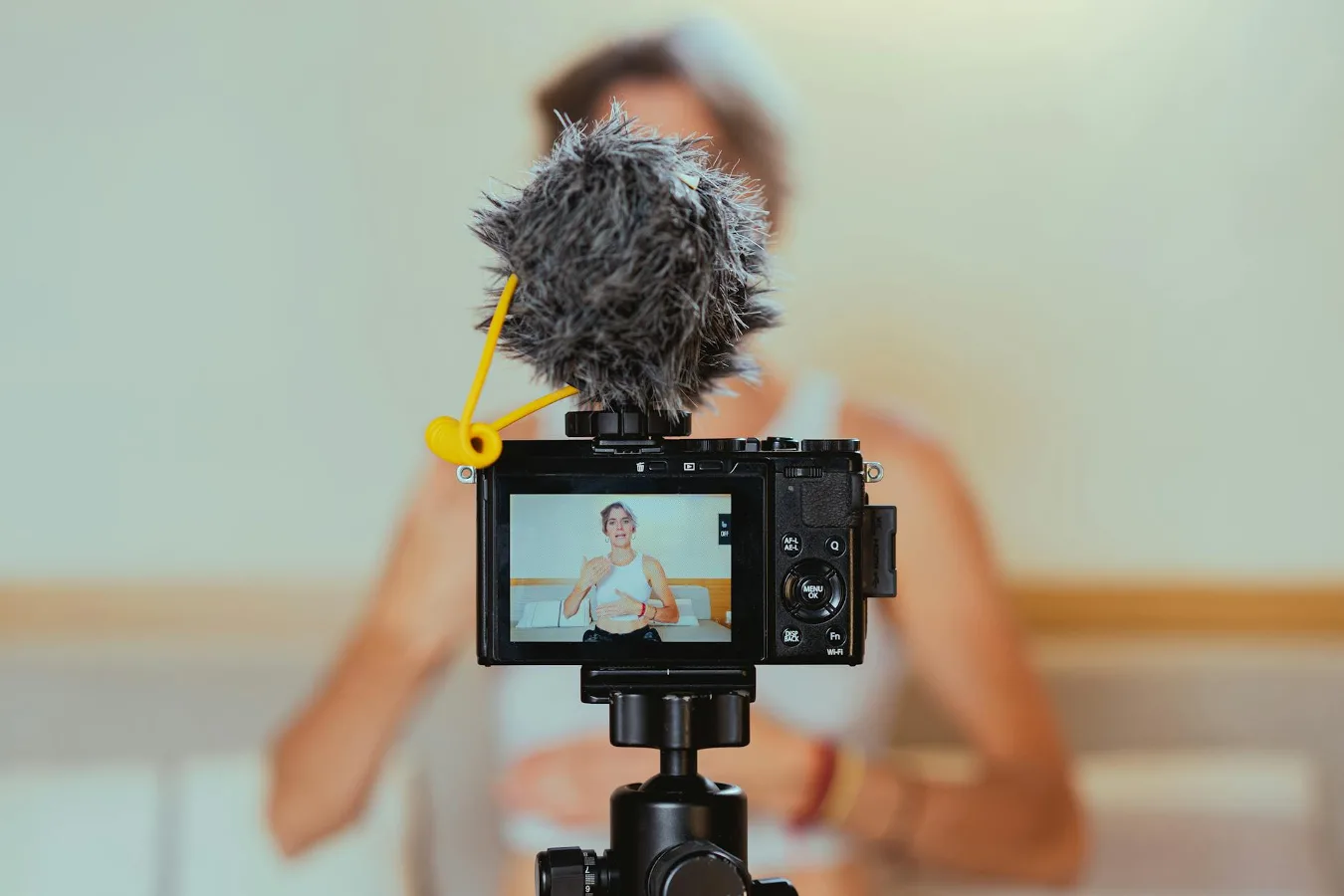
If you need a microphone for a vlogging camera, the right choice usually depends less on brand names and more on how you shoot. A compact on-camera shotgun mic works well for run-and-gun filming, while a wireless lavalier setup is often better if you talk to camera, move around, or record in noisy places. choosing the right camera audio setup offers more detail on this point. camera mounts and shoe accessories offers more detail on this point.
The goal is simple: get clearer speech with less room noise, handling noise, and wind interference without making your rig awkward to carry. For most vloggers, the best microphone is the one that matches the camera’s inputs, fits the way you film, and stays practical enough to use every day.
Start with the way you vlog, not the microphone type
Before comparing features, think about your shooting style. The most useful microphone for a vlogging camera in one situation can be the wrong choice in another.
Choose by filming scenario
- Talking-head vlogs: A compact shotgun mic or wireless lavalier is usually the cleanest option.
- Walking and travel content: Wireless audio can be easier to manage if you need distance from the camera.
- Point-of-view clips and handheld shooting: A small on-camera mic may be the simplest setup.
- Indoor interviews: A lavalier or a directional mic may work better depending on room noise and placement.
- Outdoor vlogging: Wind protection matters as much as the microphone itself.
A common mistake is buying a microphone for a camera based only on “better sound” claims. Audio quality depends on placement, pickup pattern, and how much noise the mic is designed to reject. A good microphone used poorly can still sound disappointing. microphone pickup patterns explained offers more detail on this point.
The key factors that actually matter
For vlogging, a microphone should be judged on a few practical dimensions rather than a long list of technical terms. These are the factors that tend to affect real-world results most.
1. Compatibility with your camera
Check how the microphone connects to your camera body. Many vlogging cameras use a 3.5mm mic input, but some creators also work with USB-C audio or adapter-based setups. If the mic needs power, verify whether it uses battery power, plug-in power, or camera power, because not every camera handles each format the same way.
Compatibility is easy to overlook because a microphone can look right on paper and still be awkward in practice. A mic that requires extra adapters, special cables, or a bulky mounting solution may slow you down more than it helps.
2. Pickup pattern
Pickup pattern affects how much of the surrounding sound the microphone captures. This matters more than many buyers expect.
- Cardioid or supercardioid: Helpful when you want to focus on your voice and reduce sound from the sides.
- Omnidirectional: Useful for interviews, but it tends to pick up more room sound.
- Wireless lavalier use: Often chosen because the mic stays close to your mouth, which can improve speech clarity even in noisy environments.
A directional mic can be a smart choice if you want simple, camera-mounted audio. A lavalier can be more forgiving when the camera sits farther away or you move while speaking.
3. Noise handling and wind protection
For vloggers, the environment is often the real challenge. Street noise, traffic, HVAC hum, and wind can overwhelm speech quickly. A microphone that includes a foam windscreen or pairs well with a furry wind cover can be much more useful than a slightly more expensive model without protection.
This is one of the most overlooked considerations in the category. Many people focus on the microphone capsule and forget that outdoor audio often fails because of wind, not because the mic is “bad.”
4. Size and mounting
On-camera microphones should stay compact enough that they do not make the camera front-heavy or awkward to hold. If the mic blocks the screen, interferes with a flip-out display, or makes your rig hard to balance on a small tripod, you may stop using it.
Mounting also affects handling noise. A shock mount can help isolate the microphone from bumps and vibrations, especially when you walk while filming.
5. Monitoring and controls
Some microphones offer simple gain controls, safety channels, or headphone monitoring. These features can be useful, but they also add complexity. If you’re new to recording audio, too many controls may create more opportunities for mistakes.
For many vloggers, a straightforward setup is preferable: plug in the microphone, confirm levels, and start recording. That approach reduces the chance of discovering later that the audio was distorted, muted, or set too low.
6. Portability and battery needs
If you travel frequently or shoot spontaneous clips, portability matters. A microphone that needs frequent charging, spare batteries, or extra accessories may be less practical than a simpler model with lower maintenance demands.
The best travel-friendly microphone is often the one you will actually carry. A slightly less feature-rich mic that lives in your bag is usually more valuable than a more advanced unit that stays at home.
Practical microphone options for vlogging cameras
Different microphone styles solve different problems. There is no universal winner, but there are clear use-case advantages.
On-camera shotgun microphones
This is the most common choice for a vlogging camera because it keeps the setup compact. A shotgun mic can improve voice clarity while still allowing quick movement and easy framing.
Best for: handheld vlogging, travel clips, casual YouTube filming, and creators who want a minimal setup.
Trade-offs: It still depends on distance. If the mic is mounted on the camera and the camera is far from your mouth, it may not isolate your voice as well as a lavalier.
Wireless lavalier microphones
Wireless systems separate the microphone from the camera, which is useful if you move around, film solo, or want more consistent speech capture. Because the mic sits close to your mouth, it can offer clearer dialogue in many situations.
Best for: talking-head videos, walking vlogs, interviews, and creators who record away from the camera.
Trade-offs: Wireless setups add pairing, charging, and placement considerations. They can also be more visible on camera, which matters if you prefer a clean look.
Wired lavalier microphones
Wired lav mics are often a good value-minded choice for creators who want simple, close-up voice capture without managing transmitters and receivers.
Best for: seated filming, interviews, and low-complexity setups.
Trade-offs: The cable can limit movement and may be inconvenient for active vlogging.
Compact stereo or boundary-style mics
These are less common as a first choice for vlogging, but they can be useful when you want a broader sense of ambience or are recording scenes where atmosphere matters as much as direct speech.
Best for: environmental sound, B-roll, and certain location-based videos.
Trade-offs: Not ideal when your main priority is isolating voice in noisy settings.
How to choose the right microphone for your setup
A useful buying decision usually comes down to balancing sound quality with convenience. The right microphone should make your recordings better without making your workflow harder.
If you want the simplest setup
Choose a compact on-camera microphone with a standard camera connection, a built-in shock mount, and basic wind protection. This keeps the workflow straightforward and is often the easiest upgrade from built-in camera audio.
If you record mostly yourself speaking
A wireless or wired lavalier is often the smarter pick. Voice quality tends to stay more consistent because the mic remains close to the mouth, even if the camera position changes.
If you shoot outdoors often
Prioritize wind protection, a secure mount, and a mic that does not pick up too much handling noise. A great microphone can still be the wrong choice if it struggles in wind or forces you into a fragile rig.
If you move between locations a lot
Look for a portable microphone that is quick to mount, easy to pack, and uncomplicated to power. Long setup routines are one of the main reasons creators stop using external audio gear.
If you care about a clean on-camera look
A small shotgun mic may preserve a more discreet appearance than a lavalier, especially if you are filming for a polished lifestyle or travel channel. That said, audio priorities should come before aesthetics if clarity is the main goal.
Common mistakes people make when buying a vlogging mic
- Choosing by price alone: Cheap gear can be perfectly usable, but the right choice depends on compatibility and workflow, not cost by itself.
- Ignoring camera input requirements: A mic that cannot connect properly to your camera creates extra adapters and more failure points.
- Skipping wind protection: Outdoor creators often need a windscreen or furry cover as much as the microphone itself.
- Buying a mic that is too large: Bulky microphones can interfere with the screen, tripod balance, or handheld comfort.
- Assuming wireless always sounds better: Wireless convenience is valuable, but a well-placed wired mic can sometimes be simpler and more reliable.
- Forgetting about monitoring: If you can’t check levels, you may not realize there is a problem until editing.
What to prioritize if you are comparing options
If you are narrowing the field, start with this order of importance:
- Compatibility: Make sure the microphone works with your camera and recording style.
- Voice capture at your typical distance: A mic should fit how far you are from the camera or how you move while filming.
- Noise rejection: Consider street noise, room echo, and wind.
- Mounting and portability: The setup should stay light and manageable.
- Controls and features: Add complexity only if you will actually use it.
This order helps avoid a common trap: buying for features you will rarely use while overlooking basic usability.
A practical decision guide by creator type
| Creator need | Better fit | Why it works |
|---|---|---|
| Quick handheld vlogs | On-camera shotgun mic | Fast to use, compact, and easy to keep ready |
| Solo speaking videos | Wireless lavalier | Closer voice capture and more freedom to move |
| Travel and street content | Compact shotgun mic with wind protection | Portable and better suited to spontaneous filming |
| Interview-style content | Lav mic or dual wireless kit | Helps maintain consistent dialogue capture |
| Minimal-budget setup | Simple wired lavalier | Low-complexity audio upgrade with fewer components |
Use this as a starting point rather than a strict rule. The better microphone is the one that matches your workflow, not the one with the longest feature list.
Limitations worth keeping in mind
Even a good microphone for a vlogging camera has limits. If your recording environment is very noisy, the microphone can improve speech clarity only so much. If you are far from the camera, a camera-mounted mic may still struggle. If you do not monitor levels, audio problems can slip through unnoticed.
Another limitation is that external microphones can add friction. More cables, more batteries, and more setup steps create more chances for something to be forgotten or misconfigured. For some creators, a simpler setup that gets used consistently is more effective than a more advanced one that becomes a hassle.
That trade-off is easy to underestimate. A microphone should help you publish more good videos, not just give you better specs on paper.
Final guidance
If you want the best microphone for a vlogging camera, start by deciding whether you need the simplicity of an on-camera shotgun mic or the closer voice capture of a lavalier setup. Then check compatibility, mounting, wind protection, portability, and how much control you really want over your audio.
For many creators, the right answer is not the most advanced microphone. It is the one that matches the way you film, stays comfortable to use, and delivers reliable voice quality without slowing you down.
