
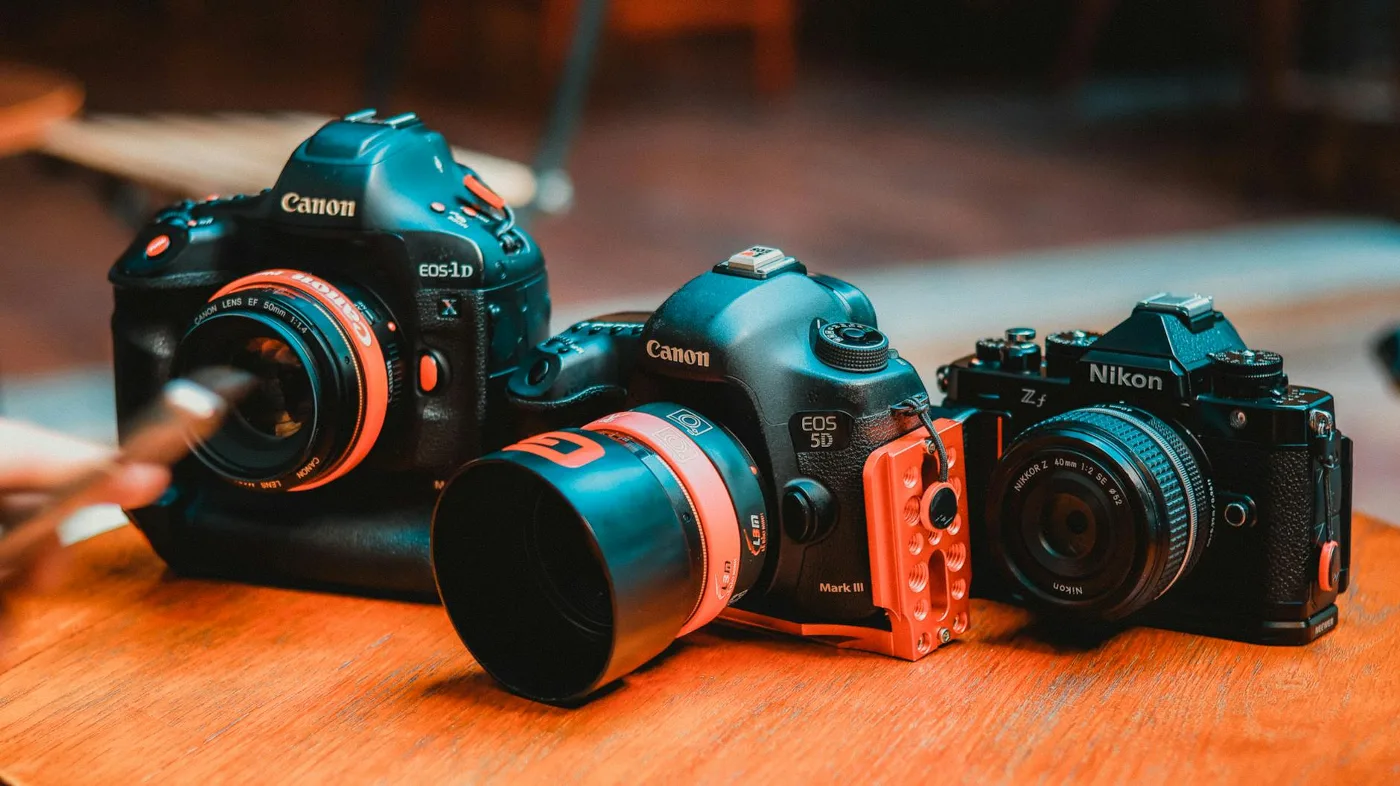
A medium format mirrorless digital camera is a high-end interchangeable-lens camera built around a larger-than-full-frame sensor and a mirrorless body design. For most buyers, the real question is not whether it is “better” in the abstract, but whether the advantages in detail, tonal gradation, and image quality justify the cost, size, lens investment, and workflow demands. canon m5 mirrorless camera offers more detail on this point.
This guide focuses on when medium format mirrorless cameras make sense, what to compare before buying, and where they are less practical than full-frame or APS-C alternatives. If you are choosing a camera system for portrait, studio, landscape, still life, or commercial work, the differences are worth understanding carefully. studio photography camera buying tips offers more detail on this point. full-frame vs medium format cameras offers more detail on this point.
When a medium format mirrorless camera matters
Medium format mirrorless cameras matter most when image quality is the priority and the rest of the setup can support that goal. They are often chosen for work where fine detail, subtle transitions, and large-file flexibility are more important than speed or compactness.
That makes them a strong fit for certain photographers and a poor fit for others. The category is less about “better for everyone” and more about “better for specific jobs.”
Best-fit use cases
- Portrait work, where subject detail and controlled lighting can take advantage of the larger sensor.
- Studio photography, especially for product, fashion, and still life setups.
- Landscape photography, where detail and tonal rendering are often priorities.
- Commercial imaging, when file quality matters more than shooting volume.
- Fine art workflows, where a larger file can support large prints and careful post-processing.
These cameras can also be appealing to enthusiasts who want a premium stills-first system. But if you regularly shoot fast action, travel light, or need long battery endurance and quick turnaround, the trade-offs become more obvious.
The main advantages buyers usually care about
The appeal of medium format is not just “more megapixels.” That is part of the story, but not the whole thing. The more meaningful discussion is about sensor size, image rendering, and how the system behaves in real use.
Image quality and editing flexibility
A larger sensor can offer more room for detail capture and smoother tonal transitions, depending on the specific camera and file workflow. For photographers who crop occasionally or make large prints, that extra headroom can be useful. It can also provide more flexibility in post-processing if your work benefits from careful color and tonal adjustment.
That said, the benefit is not automatic. Lens quality, exposure technique, and lighting matter just as much. A premium sensor cannot compensate for poor optics or rushed shooting.
Portrait and studio rendering
Many buyers are drawn to the look associated with medium format photography. In practice, that look is shaped by several factors: sensor size, lens characteristics, depth of field behavior, and how you light the subject. For portrait and studio shooters, the system can be very rewarding because it encourages deliberate composition and controlled capture.
Mirrorless convenience
Compared with older medium format systems, a mirrorless body can be more approachable. Electronic viewfinders, live exposure previews, focus magnification, and a more compact body shape can make the system easier to use in some scenarios. Mirrorless designs also tend to fit modern workflows more naturally, especially for photographers who review images frequently in the field.
Where the trade-offs show up
Buying a medium format mirrorless digital camera means accepting constraints that matter in daily use. These are not flaws so much as the realities of a specialized system.
Cost is not only about the body
The camera body is only one part of the investment. Medium format lenses, accessories, storage, and supporting gear can raise the total system cost quickly. A buyer comparing systems should think in terms of the whole kit, not the headline body price alone.
Size and weight still matter
Mirrorless design helps, but medium format is still usually larger and heavier than compact APS-C or many full-frame setups. If you shoot handheld for long periods, travel frequently, or carry your gear on foot, that can affect how often you actually use it.
Speed and responsiveness can be limiting
Medium format cameras are often not the first choice for sports, wildlife, or fast-moving event work. Autofocus behavior, burst handling, and overall responsiveness may be perfectly acceptable for some subjects, but they are typically not the reason people buy into the category.
Workflow demands are easy to underestimate
Larger files can mean more storage use, slower transfers, and heavier editing requirements. If your computer, card workflow, or backup system is already tight, the practical burden of larger files may become frustrating. This is an overlooked consideration for many first-time buyers.
How to evaluate a medium format mirrorless camera step by step
If you are comparing models, start with your actual shooting habits. The best choice depends on how the camera fits into your routine, not just its spec sheet.
1. Match the camera to your main subject
Ask what you photograph most often. A camera suited to controlled portrait sessions may not be ideal for handheld documentary work. A landscape-focused buyer may value resolution and dynamic range more than autofocus speed, while a commercial product shooter may care more about color handling and tethering support.
2. Look at the lens ecosystem, not just the body
The body is replaceable; the lens system shapes the long-term value of the platform. Check whether the available focal lengths, apertures, and specialty lenses cover your work. If the system lacks the lenses you need, the camera body will not solve that problem.
Also consider how easy it is to build a practical kit. A system with a limited lens range can still work well if it covers your needs, but it should not force you into awkward compromises.
3. Consider autofocus honestly
Autofocus expectations should match the use case. For still subjects, careful focus acquisition may be enough. For moving people, children, or candid work, responsiveness becomes more important. Buyers often overestimate how much they need the absolute top image quality and underestimate how much they need dependable focusing behavior.
4. Think about ergonomics and handling
Camera grip shape, button layout, viewfinder quality, menu logic, and touch responsiveness all affect how pleasant the system is to use. On a premium camera, handling matters because the purchase is often long-term. A body that feels awkward will not become more comfortable just because the files look excellent.
5. Check file workflow before you buy
Medium format files can be demanding. Make sure your computer, storage, memory cards, and editing software can handle the workload without becoming a bottleneck. If your workflow is slow, you may spend more time waiting than creating.
6. Decide whether your work actually benefits from the sensor
This is the step many shoppers skip. If you mainly share images online, crop lightly, and print modestly, a top-tier full-frame camera may be more practical. If you regularly make large prints, crop selectively, or work in controlled environments where image quality is the priority, medium format becomes easier to justify.
Medium format mirrorless vs full-frame: the practical difference
The comparison is often framed too simply. Full-frame is not “lesser,” and medium format is not automatically the correct upgrade. They serve different buyers.
| Category | Medium format mirrorless | Full-frame mirrorless |
|---|---|---|
| Image quality focus | Often chosen for maximum detail and tonal depth | Excellent for most professional and enthusiast use |
| Size and handling | Typically larger and less portable | Usually easier to carry and use on the move |
| Speed | Often more deliberate | Usually better suited to fast action |
| Lens cost | Often higher | Broader range of price points |
| Workflow | Heavier files and more storage demand | Generally easier to manage |
The decision often comes down to whether the quality gains are meaningful in your output. For many photographers, especially those delivering web and social work, full-frame is already more than enough. Medium format becomes attractive when the files themselves are part of the value proposition.
Common mistakes buyers make
- Buying for sensor size alone without checking lenses, autofocus, and handling.
- Ignoring file workflow until storage and editing slow everything down.
- Assuming medium format is always better for every type of photography.
- Overlooking portability and then leaving the camera at home more often than expected.
- Choosing a system with poor lens availability for the subjects you actually shoot.
- Expecting instant results without adjusting technique, lighting, and processing habits.
A useful rule: if a camera only works well in the exact conditions you already have, it may be too specialized. If it supports your existing process while raising the ceiling of your output, it is probably a better fit.
Alternatives worth considering
Not every buyer needs to start with medium format. Depending on your work, one of these alternatives may be the smarter purchase.
High-end full-frame mirrorless
This is the most practical alternative for many photographers. It usually offers excellent image quality, broader lens selection, stronger autofocus options, and easier portability. For mixed use, full-frame often delivers the best balance.
High-resolution APS-C
If budget, size, or travel convenience matter, a high-resolution APS-C camera can be a capable option. You give up sensor size, but you may gain a lighter kit and lower total system cost.
Used medium format systems
For buyers who want into the category without paying for the latest body, used options can be worth studying carefully. The trade-off is that older systems may have weaker autofocus, older interfaces, or a less flexible lens lineup. Condition and support become important.
A practical checklist before you commit
Use this checklist to separate a smart purchase from an expensive mistake.
- Does the camera fit your main subject matter?
- Do the available lenses cover your actual shooting needs?
- Can your workflow handle larger files comfortably?
- Is the size and weight realistic for how often you shoot?
- Do you need speed, or do you need image quality first?
- Will your output benefit from the larger sensor?
- Does the system feel comfortable in hand?
- Are you buying the body, or a long-term system?
If you can answer those questions clearly, the buying decision becomes much easier.
FAQ
What is a medium format mirrorless digital camera used for?
It is commonly used for portrait, studio, landscape, product, and other still-focused photography where image quality and detail are more important than speed or portability.
Is medium format better than full-frame?
Not always. Medium format can offer advantages in image quality and rendering, but full-frame is often more practical for general use, faster shooting, and broader lens availability.
Are medium format mirrorless cameras good for beginners?
They can be, but most beginners will find full-frame or APS-C easier to learn on and less expensive to build into a complete system.
Do medium format cameras work well for travel?
They can, but travel use depends on how much size, weight, and file workflow matter to you. For many travelers, a smaller system is easier to live with.
What should I compare first when shopping?
Start with the lens ecosystem, autofocus behavior, ergonomics, and file workflow. Those factors often matter more in daily use than headline resolution alone.
A medium format mirrorless digital camera makes the most sense when you want a specialized image-making tool and understand the system-level trade-offs. If your priorities are detail, controlled shooting, and long-term image quality, it can be an excellent fit. If your work depends on speed, portability, or broad flexibility, a strong full-frame system may be the smarter choice.
