
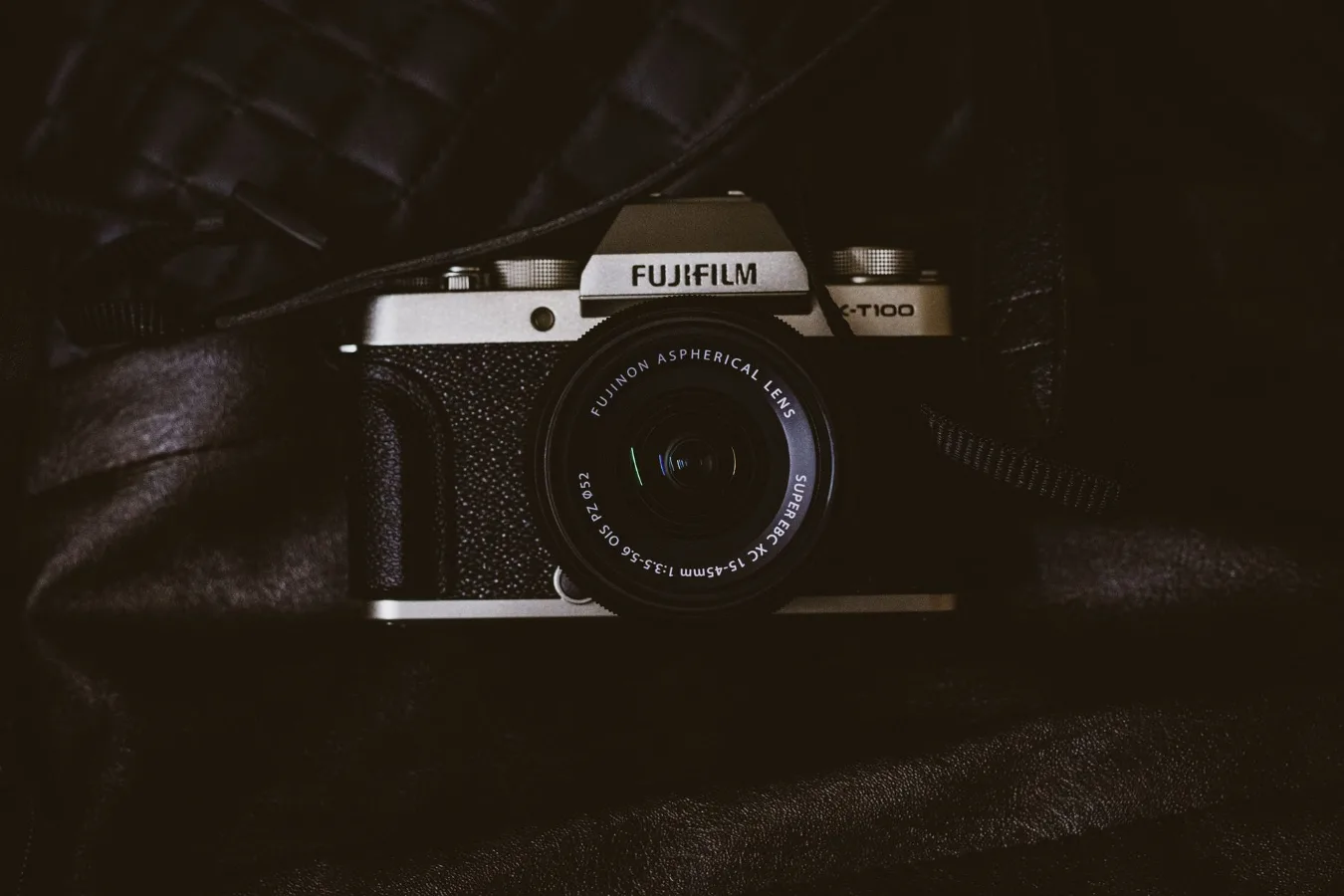
The short answer: what usually wins under $1000
If you want the best mirrorless camera under $1000, the right choice usually depends less on brand loyalty and more on how you plan to use the camera. For most buyers in this range, the strongest options are typically APS-C mirrorless cameras that balance image quality, autofocus, compact size, and lens availability. If your priority is travel, family photos, portraits, or casual video, that category often gives the best overall value. how to choose a camera lens offers more detail on this point. best cameras for travel photography offers more detail on this point.
That said, the “best” camera is not one universal model. Under $1000, you are usually deciding between a newer body with fewer extras, an older body with more advanced controls, or a bundle that saves money on a kit lens. The smartest purchase is the one that matches your subjects, your comfort level, and the lens system you can grow into later.
When this budget matters most
A sub-$1000 mirrorless camera makes the most sense if you want stronger image quality and flexibility than a smartphone can provide, but you do not need to move into pro-level gear yet. This budget is especially relevant for:
- new photographers who want interchangeable lenses
- travelers who want a smaller kit than a DSLR
- parents and hobbyists who want faster focus and better low-light results than a phone
- creators who need a capable hybrid photo-and-video camera
- buyers who prefer to leave room in the budget for a lens, memory card, and spare battery
The important trade-off is simple: at this price, you rarely get every premium feature at once. You may need to choose between better autofocus and a better lens bundle, or between excellent stills performance and stronger video tools. That is normal, not a flaw.
Step-by-step criteria that matter most
1. Start with sensor size before anything else
Sensor size influences image quality, depth of field, low-light performance, and how lenses behave. In this budget, APS-C is often the sweet spot because it keeps the system relatively affordable while still delivering a noticeable step up from a phone or compact camera. Some full-frame mirrorless cameras may appear under $1000, but they are often older models, used bodies, or come with compromises elsewhere.
If your priority is everyday photography, APS-C is usually the safest place to start. If you are specifically trying to build a full-frame system, be honest about the long-term lens cost, because the body price is only part of the investment.
2. Decide whether autofocus or lens variety matters more
Autofocus matters most if you shoot kids, pets, events, or moving subjects. Look for subject detection, eye autofocus, and reliable tracking rather than a long feature list. A camera with strong autofocus can save more shots than a slightly sharper sensor can.
Lens variety matters if you want flexibility over time. A camera system with a strong lens ecosystem gives you better upgrade paths for portraits, landscapes, macro, or street photography. This is one of the most overlooked factors for buyers focused only on the body price. A cheaper camera body can become expensive if the lens lineup is thin or overpriced.
3. Match the camera to your main use case
For travel: prioritize light weight, decent battery life, and a compact kit lens or small prime lens. A bulky body defeats the purpose of mirrorless portability.
For video: look for clean 4K recording, a usable flip screen, reliable autofocus during video, microphone input if possible, and heat management that suits longer clips. A camera that is great for stills can still be awkward for video if the screen articulation or controls are clumsy.
For portraits: skin tone rendering, eye autofocus, and access to affordable portrait lenses matter more than extreme burst speed.
For casual family use: simple controls, quick startup, dependable autofocus, and intuitive menus matter more than advanced customization.
For learning photography: prioritize a camera that encourages manual control without making basic shooting feel frustrating.
4. Treat the lens as part of the camera, not an afterthought
Many shoppers spend nearly the entire budget on the body, then realize the included zoom lens is only a starting point. That is not a bad thing, but it does shape your results. A better lens often improves real-world image quality more than moving up one body tier.
If you only buy one lens for now, think about what you actually shoot. A standard zoom is practical. A fast prime is often better for low light and portraits. A telephoto lens helps with sports, wildlife, or children at a distance. The “best” body can feel disappointing if the lens does not fit the work.
5. Check the handling, not just the spec sheet
Comfort matters more than many buyers expect. Grip shape, button layout, menu clarity, viewfinder quality, and screen articulation affect how often you use the camera. A camera that feels awkward in hand tends to stay home.
This is especially important for beginners. A feature-rich camera with a confusing interface can be more limiting than a simpler model with better ergonomics. Ease of use is a real performance factor, even if it does not show up in product listings.
What you are likely to gain at this price
Under $1000, mirrorless cameras usually offer a strong mix of portability and image quality. Compared with budget compacts or phone cameras, you are more likely to get better subject separation, more natural background blur, and better control over exposure.
You also gain access to a growing system of lenses and accessories. That matters because a camera body is temporary, but the system can last for years. For many buyers, this is the real reason to choose mirrorless: it creates a path to improve without replacing everything at once.
Where the compromises usually show up
Every camera in this budget makes trade-offs. Knowing them ahead of time helps avoid disappointment.
- Smaller batteries: mirrorless bodies are compact, but that often means shorter battery life than larger cameras.
- Less rugged build: weather sealing or durable construction may be limited or absent at this price.
- Fewer direct controls: some models rely more on menus than dedicated dials.
- Slower accessories bundle: kit lenses are practical, but rarely the strongest part of the package.
- Video limits: some bodies offer 4K, but not all deliver the same level of oversampling, stabilization, or heat tolerance.
- Feature prioritization: a camera may excel at stills while being only average for video, or the reverse.
These trade-offs are not deal-breakers if they match your use case. They become problems only when the camera is mismatched to the way you shoot.
A practical way to compare models
Instead of comparing every spec equally, use this order of importance:
- Choose the sensor size that fits your goals and budget.
- Check autofocus reliability for the subjects you shoot most.
- Review the lens ecosystem and the cost of the lenses you may want later.
- Look at the screen and viewfinder to judge usability.
- Assess video needs only if you plan to record often.
- Compare body-only versus kit pricing so you understand what you are actually getting.
This order prevents one common mistake: overvaluing a headline feature that looks impressive but has little effect on your own photos.
Examples of buyer profiles and the kind of camera that fits
First-time photographer: A beginner-friendly APS-C mirrorless camera with guided menus, dependable autofocus, and a standard kit lens usually makes the most sense. The goal is learning without frustration.
Travel-focused buyer: Look for a compact body, a small zoom or prime lens, and a system with lenses that will not become a burden to carry. Portability matters more than chasing the largest feature list.
Video hobbyist: Prioritize a flip screen, microphone input, stable autofocus, and sensible recording controls. A camera with strong stills features but weak video ergonomics may not be the best fit. video camera features to compare offers more detail on this point.
Parent or family shooter: Fast and accurate autofocus, quick power-on behavior, and simple handling are usually more valuable than advanced manual settings.
Budget-conscious upgrader: If you already own lenses from a compatible system, body choice becomes much easier. If you do not, favor the system with the stronger lens roadmap instead of the flashiest body.
Common mistakes shoppers make
- Buying on body specs alone. A good body with the wrong lens is still a compromised setup.
- Ignoring the lens ecosystem. A weak lineup can limit your growth later.
- Assuming 4K automatically means good video. Autofocus, heat management, stabilization, and screen design matter too.
- Choosing the smallest body possible. Compact is helpful, but if the grip is uncomfortable, you may avoid using it.
- Spending the entire budget immediately. Leaving room for a memory card, extra battery, or a better lens often improves the overall result.
- Overlooking used or refurbished options. In this price range, older higher-tier bodies can sometimes be attractive, but only if condition, shutter count, return policy, and battery health are clear.
A simple checklist before you buy
Use this checklist to keep the decision grounded:
- Does the camera fit the main thing I shoot most often?
- Is the autofocus good enough for moving subjects?
- Does the lens system offer realistic upgrade options?
- Will the camera feel comfortable to hold for long sessions?
- Do I need a viewfinder, a flip screen, or both?
- Is video a real priority or just a nice extra?
- Would a better lens be more useful than a better body?
- Does the package leave room for essentials like memory and power?
Alternatives worth considering
If you are shopping for the best mirrorless camera under $1000 but feel boxed in by the available options, there are sensible alternatives.
Used or refurbished models: This can be the easiest way to access a higher-tier body, but only if you are comfortable evaluating condition and buying from a reputable seller.
Camera plus lens bundle: A bundle can be the better value if you are starting from zero and want to begin shooting immediately.
Spend less on the body, more on the lens: For many photographers, this is the smartest route. A modest body with a strong lens often produces better results than the reverse.
Wait and save for a higher tier: If you need better low-light performance, stronger stabilization, or more advanced video tools, forcing a sub-$1000 purchase may lead to compromises you will notice quickly.
What matters most depends on your shooting style
The best mirrorless camera under $1000 is not simply the one with the longest spec sheet. It is the one that fits your subjects, your hands, your lens plans, and your tolerance for complexity. For most buyers, the sweet spot is an APS-C mirrorless body from a system with solid lens support, sensible ergonomics, and autofocus that can keep up with everyday shooting.
If you are choosing between several models, resist the urge to rank every feature equally. Start with your primary use case, then focus on the few factors that will affect your photos and videos most. That approach usually leads to a better long-term purchase than chasing a model that looks powerful on paper but does not fit the way you actually shoot.
