
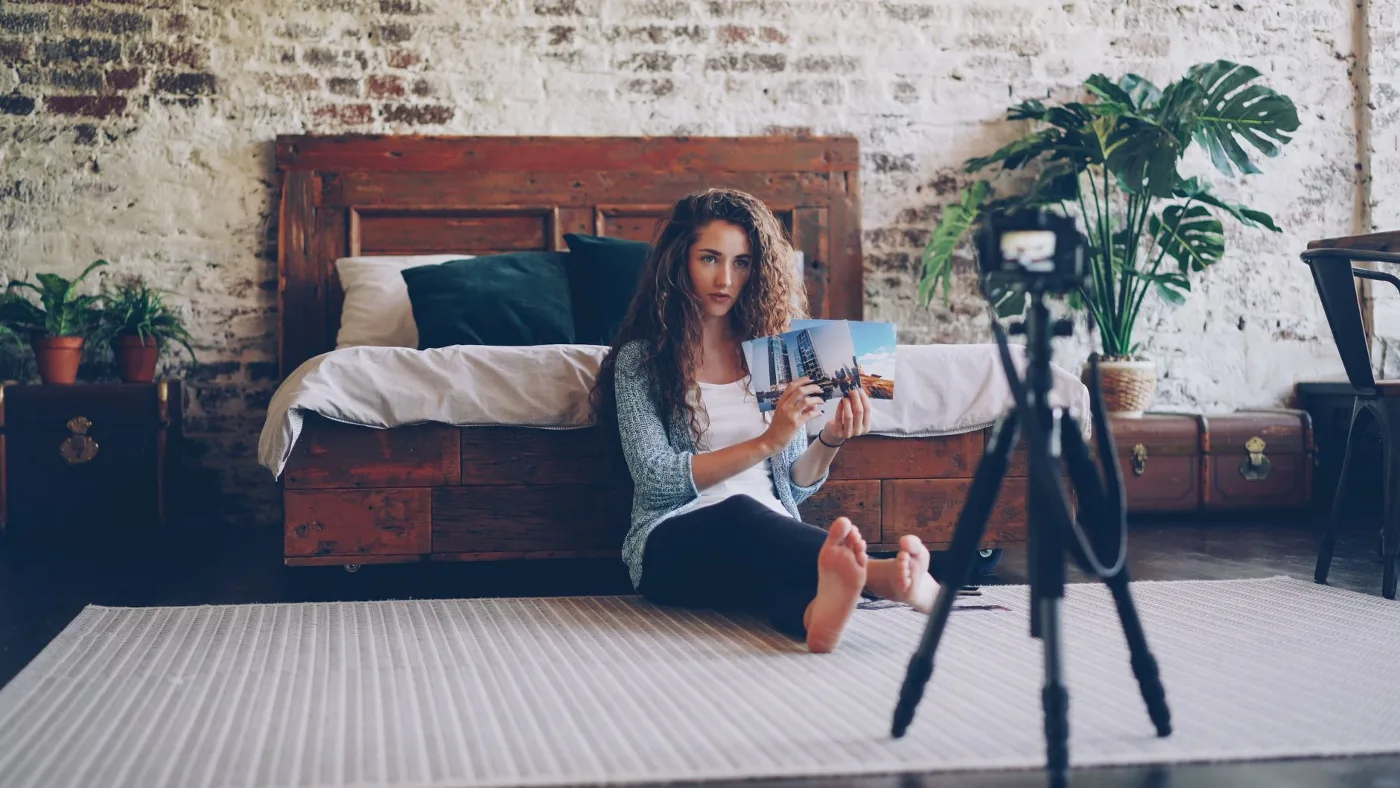
Quick answer: what to look for in a used vlogging camera
A used vlogging camera is usually worth considering if you want better video quality than a phone without paying full retail for a new setup. For most creators, the best candidates are compact mirrorless cameras or small interchangeable-lens cameras with reliable autofocus, a fully articulating screen, decent low-light performance, and an external microphone input. used sony mirrorless camera offers more detail on this point. best camera features for creators offers more detail on this point.
The smartest purchase is not the camera with the longest spec sheet. It is the one that matches how you actually record. If you film yourself talking to camera, prioritize screen flexibility and autofocus. If you vlog while traveling, weight and battery life matter more. If you plan to upgrade over time, lens availability may matter more than the body itself.
Buying used can open the door to better optics and stronger video features, but condition matters. A well-kept older camera can be a much better value than a newer model with a rough shutter, weak battery, or missing accessories. That is why the inspection process matters as much as the model name.
Why used cameras make sense for vlogging
Vlogging usually asks for a different set of priorities than still photography. You want a camera that is easy to hold, quick to frame, and dependable in changing light. Used equipment often makes those goals more affordable because many creators upgrade bodies before they truly wear them out.
There is another advantage that is easy to overlook: used gear can stretch your budget into the parts of the setup that improve the final result just as much as the camera body. That may include a better microphone, spare battery, tripod, gimbal, or a versatile lens. A modest used camera paired with good audio and stable framing often beats a more expensive body with no supporting gear.
That said, used buying is not automatic savings. Some cameras lose value because they have limited battery life, outdated autofocus, or poor lens options. Others are bargains because they were popular among creators and remain practical for modern use. The difference comes down to fit, not just price.
Compare the features that matter most
For a used vlogging camera, the most useful comparison is between practical features, not brand loyalty. Here is how the main factors tend to affect real-world use. how to choose a camera for vlogging offers more detail on this point.
| Factor | Why it matters for vlogging | What to watch for |
|---|---|---|
| Flip screen | Lets you frame yourself while recording | Fully articulating screens are more flexible than tilt-only designs |
| Autofocus | Keeps your face and movement in focus | Look for consistent face and eye tracking when available |
| Mic input | Improves spoken audio options | Check whether the camera accepts an external microphone directly |
| Size and weight | Affects portability and hand-held comfort | Bulkier bodies can be tiring for travel vlogging |
| Sensor and lens system | Influence image quality and upgrade flexibility | Some systems have better lens choices than others |
| Battery performance | Affects recording time and convenience | Older batteries may need replacement |
| Video features | Determine how much editing flexibility you have | Check resolution, frame-rate options, and recording limits |
Autofocus is often the make-or-break factor
Many people focus on resolution first, but autofocus is usually more important for solo vlogging. A camera can have strong image quality and still be frustrating if it hunts, misses your face, or fails in low light. If you move around while speaking, autofocus reliability is one of the clearest signs that a camera will feel easy to live with.
In a used camera, autofocus behavior may differ from what you see in product brochures. Firmware versions, lens compatibility, and camera settings can all affect the experience. When possible, ask for sample clips or verify the exact body and lens combination being sold.
The screen matters more than many buyers expect
Self-recording is difficult without a screen you can see from the shooting position. A fully articulating screen is usually the most practical choice because it helps with framing, exposure checks, and selfie-style filming. A tilt screen can still work for some setups, but it is less convenient when you are recording from the front of the camera.
This is one of the most overlooked considerations in used-camera shopping. A body with strong image quality but no usable front-facing screen can be a poor fit for a vlogger, even if it looks like a bargain on paper.
Lens choice can matter more than the body
If the camera uses interchangeable lenses, the lens ecosystem deserves serious attention. A compact body is only part of a good vlogging setup. The right lens affects field of view, background separation, portability, and how easy it is to hold the camera at arm’s length.
For vlogging, a wide-angle lens is often more practical than a tighter focal length because it captures more of the scene when you are filming yourself. The trade-off is that very wide lenses can distort faces or backgrounds if you stand too close. That is not a defect; it is simply a framing issue to plan around.
How to evaluate a used vlogging camera before you buy
A careful used purchase is less about finding a perfect camera and more about reducing avoidable risk. Whether you are buying locally or from an online marketplace, the same basic checks apply.
- Inspect the body for signs of abuse. Scratches are normal, but cracked panels, loose ports, or missing covers can be warning signs.
- Check the screen hinge and display. The screen should open smoothly, show a clear image, and respond properly if it is touch-enabled.
- Test autofocus if possible. Face detection, subject tracking, and focus transitions should feel predictable.
- Look at the battery door and card slot. These areas often reveal whether the camera was handled carefully.
- Confirm the ports you need. A microphone input, headphone jack, USB charging, or clean HDMI output may be important depending on your workflow.
- Ask about included accessories. A charger, original battery, strap, and body cap can save you extra purchases.
- Verify shutter count only as one signal, not the whole story. It can be helpful, but it does not tell you everything about wear or maintenance.
One practical nuance: a camera body with modest cosmetic wear may still be a better buy than a cleaner-looking model that lacks the features you need. Function should lead appearance, especially for creator gear.
Common mistakes buyers make
Used vlogging camera shopping goes wrong in predictable ways. The good news is that most of them are easy to avoid once you know what to watch for.
Choosing specs instead of workflow
Some buyers chase resolution or frame-rate numbers without thinking about how they film. If you mostly record at a desk, a heavy body may be less appealing than a smaller one with better autofocus and a flip screen. If you travel, battery life and weight may matter more than advanced codecs you rarely use.
Ignoring audio
Bad audio can make an otherwise capable camera feel disappointing. Many new buyers assume the camera alone will solve the problem. In reality, a clean microphone input, a practical mic placement, and the right accessory setup often matter more than the camera body itself.
Overlooking lens and accessory costs
A used body may look affordable until you add a lens, extra battery, charger, memory card, and microphone. For interchangeable-lens systems, the body price is only part of the total cost. If you are trying to stay within budget, check the full kit cost before comparing listings.
Buying a camera that is awkward to carry
Creators often assume a bigger camera must be better. That is not always true for vlogging. A camera that feels awkward in hand, draws too much attention, or gets left behind because it is heavy is not a great value, no matter how capable it is on paper.
Assuming every used camera is ready to record
Some sellers include only the body. Others may omit a battery charger or sell a camera with a third-party battery that does not hold charge well. Read listings carefully and confirm what is included before comparing prices. A low sticker price can be misleading if you need to replace essential parts immediately.
Used vs. new: which is better for a vlogger?
A new camera makes sense if you want warranty coverage, a cleaner return process, and the reassurance that no previous owner has stressed the gear. That can be worth paying for, especially if the camera is central to your work.
A used camera makes more sense when you want more capability for the same budget. It can also be a better path if you are still refining your content style and do not want to overspend before you know which features you will actually use. The trade-off is that you take on more inspection work and more uncertainty about battery health, wear, and included accessories.
If you are undecided, a good rule is to compare total setup cost rather than body cost alone. A slightly older used camera with the right screen, autofocus, and mic support may create a better vlogging experience than a newer body that still needs several accessories before it is practical.
Alternatives worth considering
A used vlogging camera is not the only workable option. Depending on your content, another route may be smarter.
- Smartphone plus accessories: A modern phone with a tripod, mic, and small light can be the simplest entry point.
- Compact point-and-shoot cameras: These can be appealing for travel or casual daily content, especially when portability matters more than lens swaps.
- Action cameras: Useful for active shooting, outdoor scenes, and hands-free angles, though they are not ideal for every talking-head setup.
- Older mirrorless bodies: Often the best balance of image quality, portability, and upgrade potential for creators who want room to grow.
The right alternative depends on whether your content is mostly face-to-camera, lifestyle clips, travel footage, or a mix of all three. Vlogging is broad enough that no single camera category fits everyone.
How to narrow the field fast
If you are comparing multiple used cameras, focus on the three features that affect your workflow most. For many vlogging setups, that will be:
- A screen you can see while recording yourself.
- Autofocus that behaves reliably with face-on shots.
- Audio support that fits your recording style.
After that, look at lens availability, portability, and the condition of the specific listing. This is a more reliable method than choosing by brand alone. Some camera families are popular for creators because they combine a practical screen, good autofocus, and a healthy used lens market. Others are better still cameras than vlogging tools.
FAQ
What is the best type of used camera for vlogging?
A compact mirrorless camera is often the most versatile choice because it balances image quality, portability, and lens flexibility. If your videos are mostly handheld or self-recorded, prioritize a flip screen and dependable autofocus over higher-resolution specs you may not use.
Should I buy a used camera body only or a full kit?
A kit can be convenient if the included lens suits your style, but body-only purchases may give you more flexibility. If you already know which lens you want, buying the body separately can make more sense. If you are starting from scratch, a good kit may reduce setup friction.
How do I know if a used camera is in good condition?
Look for clean port covers, a functioning screen hinge, responsive buttons, solid battery performance, and clear autofocus behavior. Cosmetic wear is common, but structural issues or unreliable operation are more serious. When in doubt, ask for detailed photos and a full list of included accessories.
Is a used camera better than a smartphone for vlogging?
That depends on your goals. A used camera can offer better control, lens options, and a more polished look, but a smartphone may be simpler and easier to carry. If you want a dedicated creator setup, a used camera can be a strong upgrade. If convenience matters most, your phone may still be the better tool.
What should I replace first on a used camera setup?
If the camera needs it, start with the battery and charger before anything else. For vlogging, audio is often the next upgrade because it affects viewer experience immediately. After that, consider the lens or stabilization tools based on how you film.
