
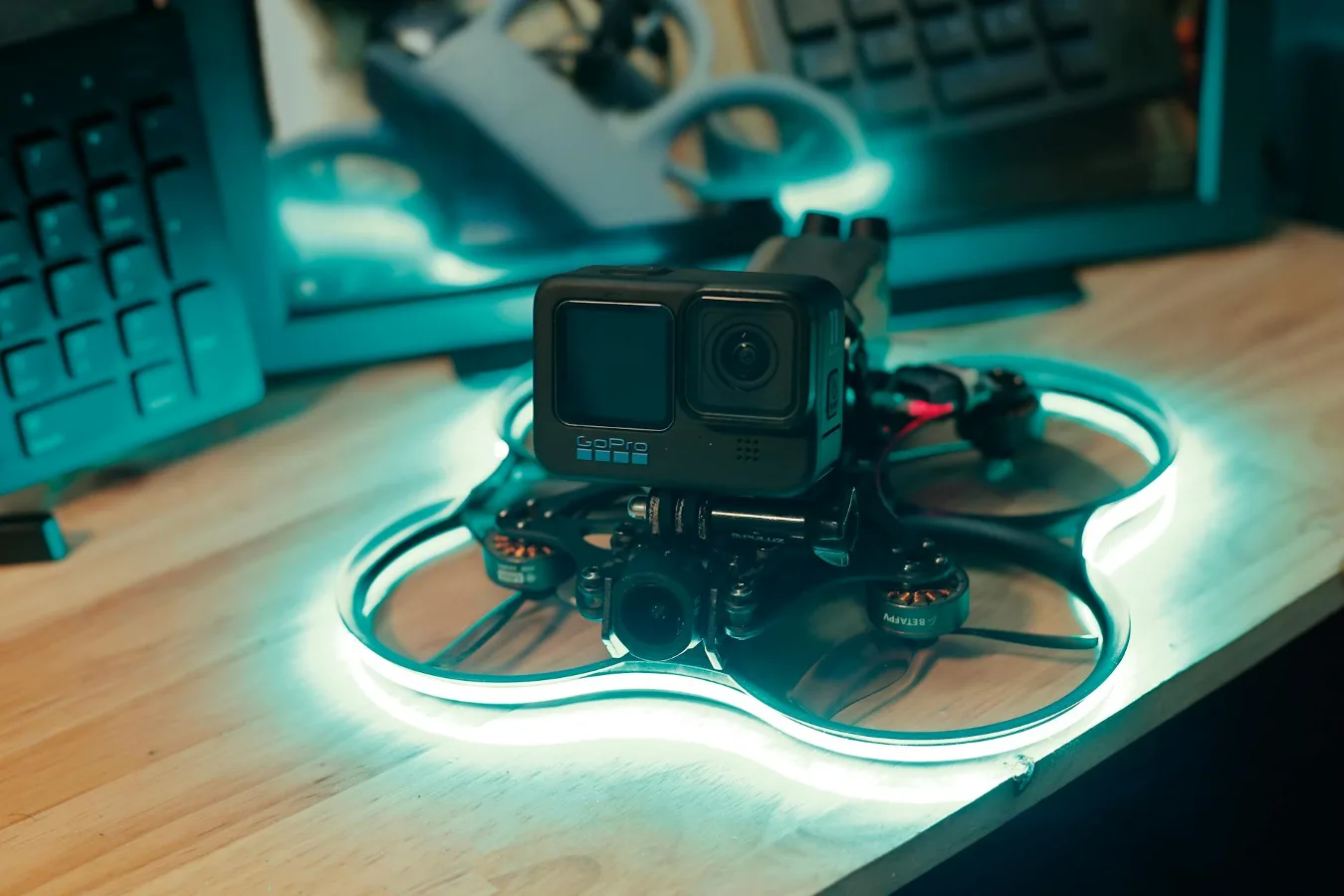
An action camera mount is the accessory that determines how securely your camera attaches, where it sits, and how usable the setup feels once you start moving. If you are choosing one for sports, travel, commuting, or everyday filming, the best mount is not just the one that fits the camera—it is the one that matches the activity, the surface, and the kind of footage you actually want. best action camera accessories offers more detail on this point. choosing the right camera mount offers more detail on this point. how to stabilize action camera footage offers more detail on this point.
The right mount can improve framing, reduce unwanted movement, and make a camera easier to carry and operate. The wrong one can feel awkward, loosen over time, limit angles, or create footage that looks unstable even if the camera itself is capable.
Start with the activity, not the accessory
The most common mistake is shopping by mount style before deciding how the camera will be used. A helmet mount, chest mount, handlebar mount, and suction cup mount all solve different problems. None of them is universally better.
Ask a simple question first: what movement will the mount need to handle? A mountain bike ride, ski day, paddleboard session, road trip, or workshop recording session each puts different demands on the setup. The best mount is the one that keeps the camera secure while still giving you the angle and access you need.
- High-movement activities usually need a mount that stays locked down under vibration and impact.
- Walking or casual travel often benefits from a lighter, less intrusive setup.
- Vehicle or equipment filming may call for stronger attachment methods and more careful surface prep.
- Static or tabletop filming usually works better with tripod-compatible solutions than with body mounts.
The main factors that matter most
Not every mount deserves the same attention. For most buyers, a few practical factors decide whether a setup feels dependable or frustrating.
Compatibility with your camera
Many action cameras use a standard mounting ecosystem, but compatibility is still worth checking. Some mounts are built for a specific brand or rely on a particular adapter. Others are more universal. Even when a mount technically fits, the connection method, screw length, or base shape may affect how secure it feels.
If you switch between cameras or use multiple accessories, look for a mount system with a broad range of adapters. That flexibility matters more than it may seem at first. A mount that works only in one configuration can become limiting as your setup evolves.
Stability and vibration control
Action cameras are designed for movement, but not every mount handles movement equally well. A rigid mount can transmit vibration into the footage, especially on bikes, motorsports gear, or vehicles. A softer or more adjustable mount may feel less rigid but sometimes produces more usable footage because it absorbs small shocks.
There is a trade-off here: added flexibility can improve comfort and footage quality, but it may also introduce more points that need tightening. For rough activities, look for a mount with a reputation for staying secure under repeated movement, not just during a short test fit.
Angle and framing control
Some mounts naturally give you better composition than others. A helmet mount can deliver a first-person perspective. A chest mount often gives a steadier, more grounded look. A handlebar or roll bar mount may offer a fixed perspective that works well for tracking motion. A suction mount can give a wider scene, but only if the surface allows it.
Think beyond where the camera attaches. The key question is whether the mount lets you frame the subject the way you need without awkward adjustments every few minutes. If you regularly stop to readjust the angle, the mount may be technically compatible but practically inconvenient.
Comfort and wearability
Body-mounted options are not just about footage. They also affect how long you can wear the setup without distraction. Straps that pinch, pressure points that build up, or a bulky mount that interferes with movement can make a long outing feel worse. Comfort matters especially for hiking, skiing, cycling, and anything else where you wear the mount for extended periods.
A common misconception is that a tighter strap always means a better fit. In reality, a mount should feel secure without forcing you to over-tighten it. If the design depends on discomfort to stay in place, it is probably not the best long-term option.
Attachment surface and installation method
The surface you are mounting to matters just as much as the camera itself. Smooth, flat surfaces are easier for suction or adhesive bases. Curved or textured surfaces may need a different style of mount or a more specialized attachment point. Some mounts are easy to install and remove, while others are better treated as semi-permanent.
If you plan to move the mount often, quick-release features can save time. If the setup needs to stay fixed through repeated vibration, a more deliberate installation process may be worth the extra effort.
Practical mount types and where they fit best
Rather than thinking of mounts as a single category, it helps to think of them as tools for different environments.
Helmet mounts
Helmet mounts are popular for first-person footage in sports like skiing, biking, and skating. They can place the camera high enough to capture a natural point of view while keeping hands free. The main limitation is that helmet shape, ventilation, and curvature affect how well the mount sits. In some cases, the setup can also feel top-heavy or distracting.
Helmet mounts make the most sense when the camera should follow your line of sight. They are less ideal when you want a more stable, chest-level perspective or when the helmet surface does not support a clean attachment.
Chest mounts
Chest mounts often produce a steadier, more centered view of the action. They are especially useful for cycling, skiing, hiking, and hands-on activities where you want your arms, handlebars, tools, or equipment to stay visible in frame. Many users prefer this angle because it feels less twitchy than a head-mounted view.
The limitation is that chest mounts can block clothing layers, packs, or safety gear. They also may not work well for activities where upper-body movement is restricted or where the camera needs a higher viewpoint.
Handlebar and equipment mounts
These are useful when the camera needs to stay attached to bikes, scooters, carts, poles, rails, or other gear. They can be a strong choice for repeatable framing, but they depend heavily on a proper fit. Diameter, clamp design, and surface condition all influence how dependable the connection feels.
One overlooked issue is vibration. A mount can feel perfectly tight in a static test and still produce shaky footage once the equipment is moving over uneven ground.
Suction cup mounts
Suction cup mounts are commonly used for vehicles and other smooth surfaces. Their advantage is adjustability; their weakness is that they rely on surface quality and proper installation. Dust, curvature, and temperature can all affect performance. They should be chosen carefully and used according to the surface and activity they are meant for.
They are often best for controlled environments where the mount can be checked before use. For rougher conditions, a more permanent attachment style may be the safer option.
Adhesive mounts
Adhesive mounts are useful when you need a low-profile setup and do not want clamps or straps in the shot. They can work well on helmets, boards, dashboards, and other suitably prepared surfaces. The trade-off is that they are less convenient to reposition once applied, and surface preparation matters a great deal.
If you choose adhesive, think carefully about whether the mount needs to be removable later. Some users underestimate how permanent the decision can feel once the adhesive has fully bonded.
Tripod and adapter-based setups
For static filming, tabletop content, reviews, or time-lapse work, a tripod-compatible mount can be more useful than a sports-style attachment. These setups prioritize placement and framing over rugged movement. They are often the right choice when the goal is stable, repeatable positioning rather than active footage.
How to avoid buying the wrong one
Most problems with action camera mounts come from mismatched expectations. A mount that looks sturdy in photos may not suit the actual use case. A model marketed as universal may still need adapters or extra hardware to work the way you want.
Watch for these common mistakes:
- Choosing a mount before confirming the camera interface and adapter needs.
- Ignoring the surface where the mount will be used.
- Prioritizing the lowest-profile design without considering comfort or access.
- Assuming one mount will work for every activity instead of choosing by use case.
- Overlooking straps, buckles, clamps, and screws that affect real-world reliability.
Another practical nuance: the best mount for filming is not always the best mount for carrying. If you hike, travel, or commute with the camera for hours, compactness and ease of stowing can matter as much as the footage angle itself.
Decision guidance by use case
If you want a straightforward way to narrow the options, start here.
| Use case | Usually a strong fit | Why it works |
|---|---|---|
| Cycling | Chest mount, handlebar mount, helmet mount | Balances framing, stability, and hands-free use |
| Skiing or snowboarding | Helmet mount, chest mount | Supports first-person footage and active movement |
| Vehicle filming | Suction cup mount, adhesive mount | Designed for smooth surfaces and fixed perspectives |
| Travel and walking | Light body mount, compact tripod setup | Reduces bulk and keeps the camera easy to manage |
| Static content | Tripod adapter, tabletop mount | Improves framing and repeatability |
This kind of matching matters more than brand loyalty. A well-chosen mount from a less glamorous category often performs better than a premium mount selected for the wrong application.
Small details that make a big difference
Some of the most overlooked features are the ones that affect everyday usability.
- Quick-release behavior: Helpful if you swap the camera often, but check whether it feels secure enough for your activity.
- Adjustment range: More articulation can help with framing, though it can also create more opportunities to loosen.
- Hardware quality: Screws, clips, and buckles matter because they are part of the load path, not just extras.
- Storage and packing: Bulky mounts are harder to carry, especially if you travel with a small camera bag.
- Weather exposure: Sun, moisture, sand, and cold can all affect how a mount ages and how easy it is to handle with gloves or wet hands.
These details rarely appear in product headlines, but they often determine whether a mount feels useful after the first few outings.
Practical alternatives if a mount is not the right fit
Sometimes the best answer is not a different mount but a different way to support the camera. If your activity is too variable, too crowded, or too restrictive for a body or surface mount, consider a handheld grip, short tripod, or a hybrid setup that lets you change positions quickly.
A compact stand can be better for indoor recording, while a grip may suit casual walking or travel footage where comfort matters more than a fixed perspective. The right alternative depends on whether you are trying to stabilize the camera, free your hands, or lock in a consistent angle.
Choosing with long-term use in mind
If you expect to build a broader action camera kit later, pick a mount system that leaves room for expansion. That does not mean buying the most complex setup. It means choosing a mount that can work with your next accessory, not only the one you need today.
For many users, the smartest approach is to start with one reliable mount for the primary activity, then add a second option only if the first setup leaves a clear gap. That keeps the kit manageable and avoids clutter from accessories that duplicate the same function.
An action camera mount should make filming easier, not more fiddly. The best choice is the one that fits the surface, suits the movement, and stays comfortable enough that you stop thinking about it once you start shooting.
