
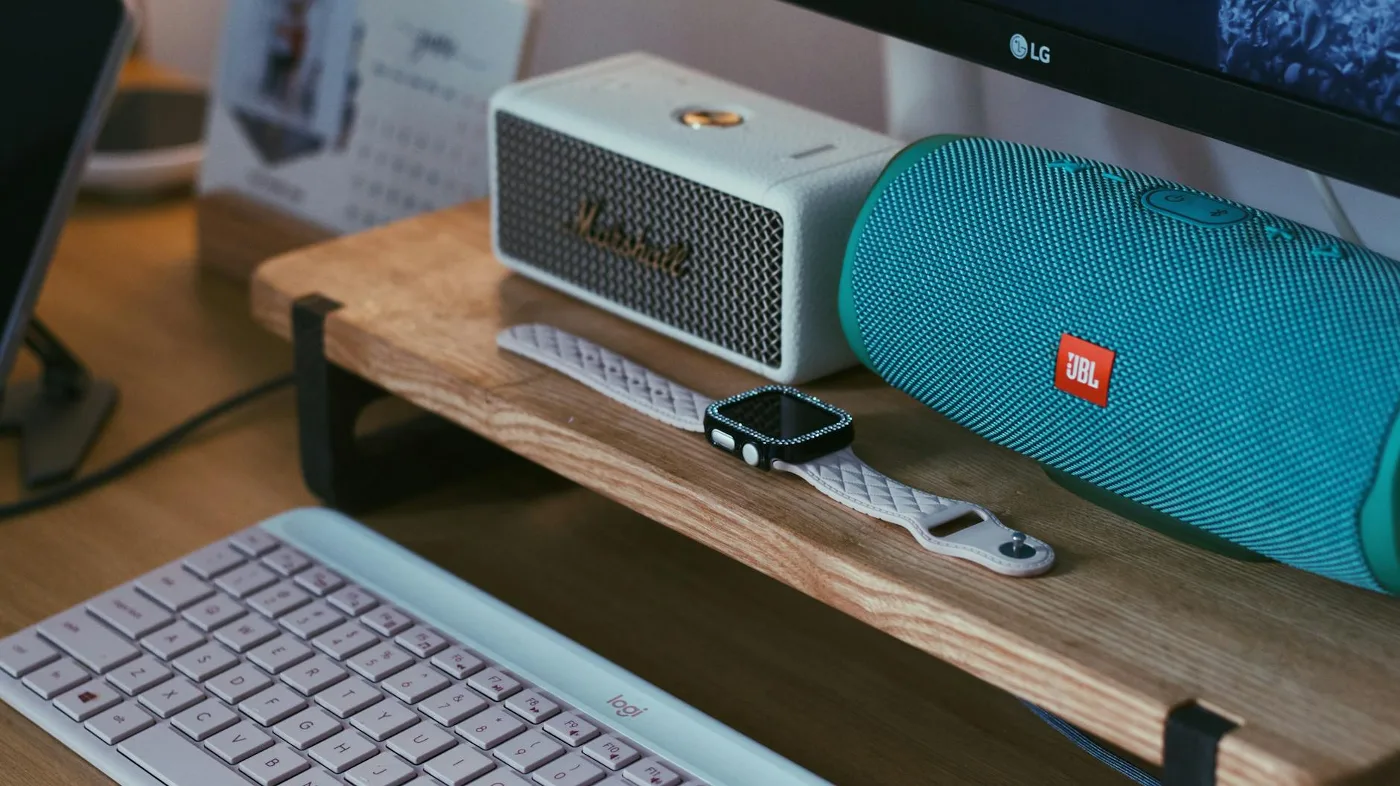
Quick answer: what a vintage Bluetooth speaker is
A vintage Bluetooth speaker is a wireless speaker designed to look like a classic radio, hi-fi component, or retro tabletop speaker while still connecting to phones, tablets, and laptops over Bluetooth. For most buyers, the appeal is a mix of style and convenience: you get the nostalgic look of old-school audio gear without giving up streaming. Audio guide offers more detail on this point. golf bluetooth speaker offers more detail on this point.
The best choice depends on how you plan to use it. If you want something for a desk or shelf, prioritize compact size, easy controls, and a design that fits the room. If you want a speaker for daily listening, place more weight on sound quality, battery life, connection stability, and how easy it is to use every day.
One common misconception is that “vintage” automatically means better sound. In reality, the look is usually the main vintage element. The actual listening experience depends on the driver design, cabinet size, tuning, and overall build quality.
What to compare before you buy
Because “vintage Bluetooth speaker” is a style category more than a technical category, the most useful comparisons are practical rather than purely cosmetic. Start with the features that affect your daily use, then narrow down by design.
Sound profile and speaker size
Speaker size matters because it influences how much air the driver can move and how large the cabinet can be. That does not guarantee better sound, but it does affect the type of listening experience you can expect. Smaller retro speakers often work well for background music, podcasts, and personal spaces. Larger designs may feel more satisfying for room listening, but they also take up more space.
Also pay attention to the way the speaker is described. Some products emphasize “warm,” “balanced,” or “rich” sound. Those words can be helpful, but they are not a substitute for real details about the driver setup, stereo separation, or whether the speaker is meant for close-up listening or broader coverage.
Controls and usability
A big part of the vintage appeal is physical controls. Knobs, dials, toggle switches, and faux analog displays can make a speaker feel more tactile and decorative. The trade-off is that some retro-styled controls are less intuitive than simple modern buttons.
If the speaker will be used by multiple people, or if it will sit in a guest room, living room, or office, easy pairing and straightforward volume control matter more than decorative details. A beautiful speaker that frustrates people is less useful than a simpler model that works immediately.
Connectivity options
Bluetooth is the core feature, but it is worth checking whether the speaker also supports aux input, USB playback, memory cards, or radio functions. Extra inputs can be useful if you want to connect older devices, desktop computers, or turntables with the proper setup.
For many buyers, multi-device flexibility is an overlooked consideration. A retro speaker can look perfect on a shelf, but if it only works well with one device type or requires frequent re-pairing, the experience becomes less convenient than it should be.
Power and portability
Some vintage Bluetooth speakers are meant to stay plugged in, while others include a rechargeable battery for portability. Decide whether you want a decorative stationary piece or something you can move from room to room. Portability also affects what kind of design you should expect: battery-powered models may be lighter and smaller, while plug-in units may offer a more substantial cabinet and a steadier home setup.
If you plan to use the speaker outdoors or in different rooms, check whether the design is practical to carry, whether the controls are protected, and whether charging feels simple enough to repeat often. A portable speaker that is awkward to power or move can stop being portable in real life.
Build materials and aesthetic details
Retro speakers often use wood-look finishes, fabric grilles, brushed metal accents, or leather-like trim. These details matter because they affect how the speaker looks next to furniture, books, turntables, and decor. Some buyers want a piece that feels like a tiny hi-fi component; others want a playful radio-inspired object for a desk or kitchen.
Look closely at the finish quality. A design can be visually appealing in photos yet feel cheap if the seams, knobs, grille, or lettering look flimsy. For a decorative item that will stay visible, the finish is part of the value.
How to judge whether the style is worth the trade-offs
Vintage Bluetooth speakers are rarely the most technically efficient choice for pure sound per dollar, and that is fine if the design matters to you. The real decision is whether you want a speaker that functions as both an audio device and a decor object.
That trade-off becomes more obvious in small spaces. A compact retro speaker can look ideal on a shelf, nightstand, or office desk, but some compact designs sacrifice bass depth or volume headroom. Larger cabinet-style speakers may sound fuller, but they can dominate the room visually. Neither is automatically better; the right choice depends on the setting.
Another practical nuance is that “vintage” styling can age differently than modern minimal designs. A classic radio look may remain charming for years, but ornate details can also feel more specific to one decor style. If your room style changes often, a simpler retro-inspired speaker may age better than a heavily themed one.
Comparison points that matter most
If you are comparing several vintage Bluetooth speakers, focus on the following decision points rather than getting distracted by decorative details alone.
| What to compare | Why it matters | What to look for |
|---|---|---|
| Size | Affects placement and sound character | Desk-friendly, shelf-friendly, or room-filling |
| Controls | Affects everyday convenience | Clear volume, pairing, and source selection |
| Connectivity | Determines device flexibility | Bluetooth plus aux or other useful inputs |
| Power | Affects portability and setup | Plug-in only or rechargeable battery |
| Build quality | Shapes durability and appearance | Solid knobs, stable grille, tidy finish |
| Design style | Determines how well it fits your room | Radio-inspired, hi-fi inspired, or mid-century inspired |
Sound tuning is harder to compare from a product page alone, so be cautious with broad claims. If a listing offers details about driver configuration, frequency response, or stereo setup, that information can help you narrow things down. If not, rely more on size, cabinet design, and the intended use case described by the seller.
Common mistakes to avoid
One of the most common mistakes is buying for looks alone. A speaker that matches your decor but has awkward controls, weak battery life, or poor device pairing may lose its appeal quickly.
Another mistake is assuming all retro speakers are equally practical. Some are designed more like display pieces, while others are built for regular listening. If the product feels more like a themed accessory than a true speaker, that is not necessarily bad, but it should be a conscious choice.
Buyers also sometimes overlook placement. A vintage Bluetooth speaker that looks perfect on a narrow shelf may not have enough breathing room for better sound. Cabinet speakers usually benefit from a little space around them, especially if you want the bass to feel less cramped.
Finally, do not ignore how the speaker will be charged or powered. A battery-powered model sounds convenient until you realize the charging cable is awkward to access or the battery means to live on a desk without a nearby outlet. The simplest power setup often turns out to be the best one.
Best use cases for a vintage Bluetooth speaker
These speakers make the most sense when style and everyday ease both matter. They are especially appealing for bedrooms, home offices, reading nooks, kitchen counters, and living-room shelves where the speaker will be visible even when music is off.
They are also a thoughtful option for gift buyers who want something more personal than a generic wireless speaker. The retro styling gives the product a stronger identity, which helps it feel decorative rather than purely technical.
For listeners who want a simple background speaker for podcasts, streaming radio, or casual playlists, a vintage Bluetooth speaker can be a better fit than a modern black box speaker. If you want maximum output, deeper bass, or more advanced audio features, a more conventional Bluetooth speaker or a separate home audio setup may be a better match.
Alternatives worth considering
If you like the look of vintage audio but do not need a Bluetooth speaker specifically, there are a few alternatives worth comparing.
- Retro-style tabletop radios if you want a nostalgic look and basic listening without streaming being the main feature.
- Compact modern Bluetooth speakers if you care more about portability, simplicity, and stronger feature density than style.
- Bookshelf speakers with Bluetooth capability if you want a more traditional home audio feel and are less concerned with portability.
- Smart speakers with decorative skins or wood finishes if voice control and streaming integration matter more than pure retro styling.
These alternatives can help clarify your priorities. A vintage Bluetooth speaker is best when you want the visual character of classic audio gear and the convenience of wireless playback in one object.
Who should choose one, and who should skip it
Choose a vintage Bluetooth speaker if you want a speaker that looks like part of the room, not just something that disappears into it. It is a strong fit for buyers who value design, tactile controls, and a more expressive audio accessory for home use.
Skip the category if your main priorities are rugged portability, maximum battery life, advanced app features, or precise sound performance. In those cases, a more modern speaker design may serve you better even if it is less distinctive.
The most useful way to think about this category is simple: vintage Bluetooth speakers are for people who want a listening device with personality. If that personality matches your space and your habits, the trade-offs are usually easy to accept.
