
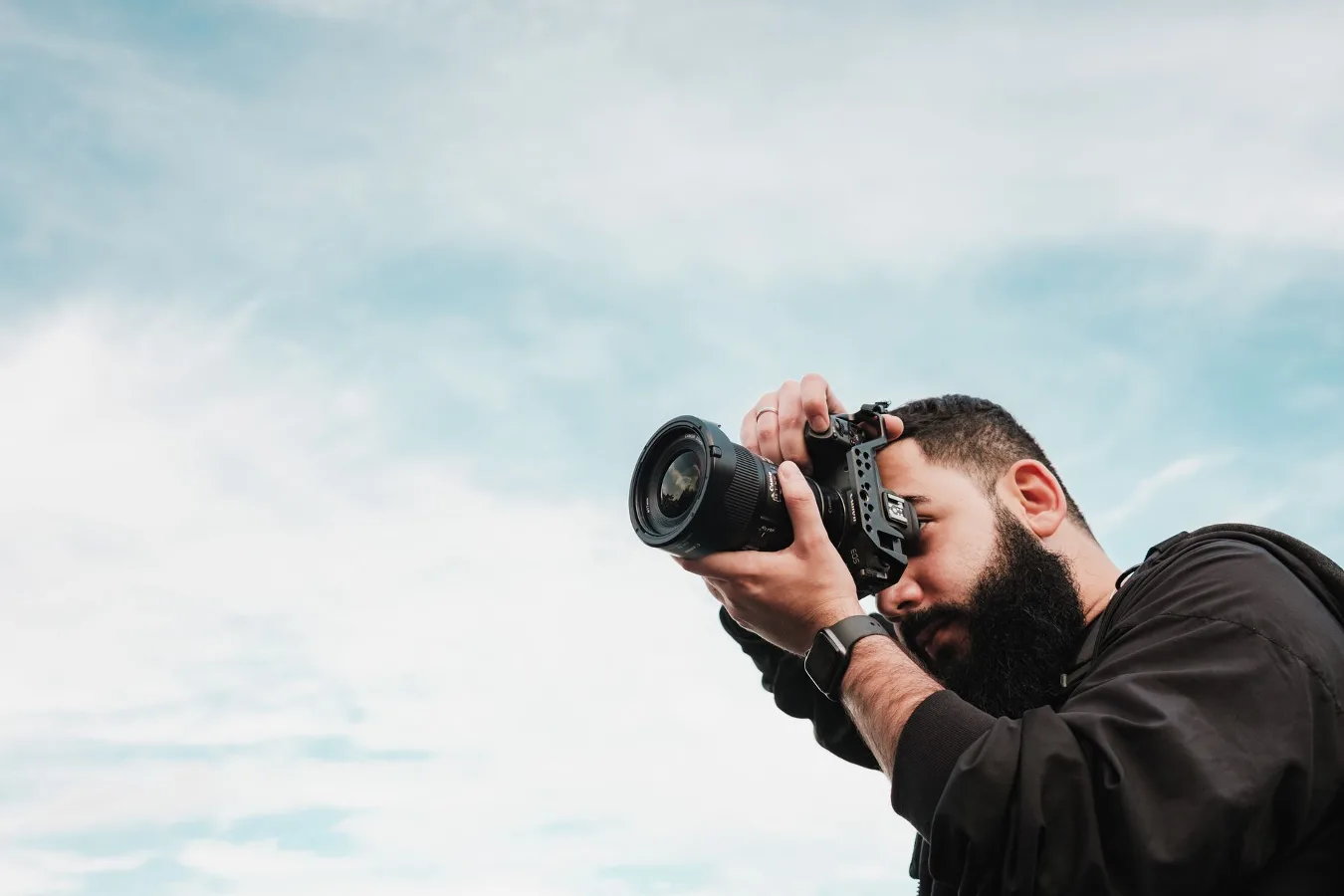
If you’re searching for “Luka Doncic lights camera action”, you’re probably looking for the camera setup, lighting approach, or filming style that creates a polished, high-energy basketball look. The phrase is less about a single product and more about how to capture dynamic sports action with a cinematic finish. Action Camera Head Mount Guide offers more detail on this point. beginner guide to sports videography offers more detail on this point.
The short answer: focus on three things first—light, lens choice, and motion control. For basketball content, that usually means a camera that handles indoor light well, a lens with a useful focal length for court coverage, and settings that keep fast movement sharp without making the footage look harsh or unnatural. camera settings for fast action offers more detail on this point.
What “Luka Doncic lights camera action” usually means
This search phrase can point in a few directions. Some people want a basketball-video look inspired by star-player highlight reels. Others are looking for a creator-style setup for filming games, workouts, or fan edits. In practice, the useful question is not “What exact camera does this phrase refer to?” but “What gear and settings help create that fast, cinematic basketball footage?”
That framing matters because sports content has real constraints. Indoor gyms often have mixed or weak lighting. Players move unpredictably. The camera may need to track quick cuts, drives, crossovers, and jump shots. A setup that works for talking-head video may fall apart here.
Quick answer: the best approach for this look
For a clean basketball-action style, choose a camera that performs well in lower light, use a lens that gives you enough reach from the sideline, and keep your shutter speed high enough to freeze motion. Then add editing choices that support the energy rather than overpower it.
That usually means:
- Prioritizing autofocus reliability over flashy specs you may never use.
- Using a versatile zoom or fast prime lens depending on how close you can get to the action.
- Keeping white balance consistent so gym lighting does not shift from clip to clip.
- Shooting with intention rather than relying on heavy filters to create the look later.
If your goal is to make basketball footage feel cinematic, the camera is only part of the equation. Framing, timing, and editing style matter just as much.
What matters most in a basketball-focused camera setup
1. Low-light performance
Most indoor courts are not ideal shooting environments. Even decent gym lighting can be uneven, and that can expose the weaknesses of smaller sensors or lenses with narrow apertures. A camera that handles higher ISO settings gracefully gives you more flexibility, especially if you cannot add extra lights to the venue.
Why it matters: noisy footage and smeared motion are hard to fix later. If the camera struggles in low light, the final result often looks flat or muddy, even after editing.
2. Autofocus behavior
Basketball is a difficult autofocus test. The subject moves quickly, changes direction often, and may be partially blocked by other players. Reliable subject tracking can make the difference between usable highlights and missed moments.
Look for: quick focus acquisition, stable tracking, and the ability to stay locked on a moving subject without constant hunting. That is more valuable for this use case than many buyers realize.
3. Lens reach and flexibility
From the sideline or baseline, a lens with enough reach helps you isolate the subject and avoid crowded compositions. A wide lens can work for atmosphere and full-court context, but it may not give you the dramatic close-up action most viewers expect in highlight content.
Trade-off: longer lenses bring the action closer but can make it harder to follow the play. Zoom flexibility often helps when you do not control where the action develops.
4. Stabilization and handling
If you are moving with the play or filming from a handheld position, stabilization matters. Some cameras handle this in-body; others rely more on lens stabilization or post-production smoothing. For sports, stabilization helps, but it should not replace good shooting discipline.
Overlooked nuance: too much digital stabilization can crop heavily or create an artificial look. A steadier shooting position often delivers a better result than aggressive correction later.
5. Frame rate and motion rendering
Fast action looks better when the camera can record at a frame rate that supports clean motion or smooth slow-motion playback. This is especially useful for drives, finishes at the rim, and dramatic passing sequences.
Balance to consider: higher frame rates can reduce light sensitivity on some cameras, so do not choose frame rate in isolation. If your gym is dim, you may need to balance motion quality with exposure.
Comparison: which camera style suits your goal?
| Camera type | Best for | Strengths | Limitations |
|---|---|---|---|
| Mirrorless camera | Most basketball creators | Strong autofocus options, lens flexibility, good image quality | Can be more expensive once you add lenses |
| DSLR | Budget-conscious users with existing gear | Often good value, familiar controls | Older autofocus systems may struggle more with fast action |
| Compact camera | Travel, casual clips, quick setup | Portable, simple, easy to carry | Less lens flexibility and often weaker in low light |
| Action camera | Creative angles and court-side mounting | Small, rugged, easy to place in tight spots | Not ideal as a main camera for detailed highlight footage |
For most people trying to create a polished basketball look, a mirrorless camera is the most practical option. It offers the best balance of image quality, autofocus, and lens choice. That said, the best camera is still the one that matches your shooting environment and budget.
Lighting choices that make the biggest difference
Lighting is the hidden variable in many sports videos. A camera can only do so much if the environment is dark or uneven. If you are filming indoors, the most useful lighting improvement is often not a dramatic setup, but simply making sure your subject is well exposed and the color temperature is consistent.
If you control the scene—such as a training video, interview, or branded content—portable LED lights can help shape a cleaner image. For game coverage, you are usually limited by venue lighting rules, so your best option is often a camera and lens combination that performs well without extra lights.
Common mistake: assuming brighter is always better. Harsh frontal light can flatten depth and remove the cinematic quality people usually want. Good sports footage needs enough light to preserve detail, but not so much that it looks like an overlit studio setup.
Framing and camera angle: where the action feels strongest
With basketball content, angle choice can change the entire mood of the footage. A low sideline angle can make drives and finishes feel more powerful. A baseline position can emphasize athleticism near the rim. A higher angle can help capture team movement and spacing.
For a Luka Doncic-style highlight feel, creators often want footage that emphasizes control, anticipation, and playmaking rather than only isolated dunks or flashy edits. That means leaving room in the frame for movement and reaction, not cropping too tightly just because the lens allows it.
Practical insight: if the subject moves in and out of frame often, your composition may be too tight or your focal length too long for the environment. Sometimes backing up slightly improves the final video more than upgrading gear.
Editing choices that support the look
Editing should sharpen the story, not hide weak footage. For basketball clips, that usually means clean cuts, controlled color, and motion effects used sparingly.
- Trim dead time so every clip earns its place.
- Use slow motion selectively for finishes, reactions, or key passes.
- Keep color natural unless the whole project is intentionally stylized.
- Avoid over-sharpening or heavy contrast that makes gym footage look brittle.
Many creators make the mistake of relying on fast transitions and heavy effects to create energy. A better approach is to let the action itself carry the momentum. If the footage is framed well and exposed correctly, the edit can stay cleaner and more watchable.
Mistakes to avoid when chasing a cinematic sports look
- Choosing style before function. A camera that looks impressive on paper may not handle indoor basketball well.
- Ignoring autofocus behavior. Fast play exposes weak tracking quickly.
- Using the wrong focal length. Too wide can flatten the action; too tight can make tracking frustrating.
- Overlooking venue lighting. Gym light quality often matters more than small differences between cameras.
- Over-editing the footage. Effects cannot fully rescue poorly exposed or blurry clips.
- Forgetting audio. Crowd noise, squeaks, and ball impact can add realism if you are producing a full highlight package.
One common misconception is that a more expensive camera automatically produces better sports content. In reality, good lens choice, stable framing, and careful timing often improve the result more than chasing the newest body.
Choosing the right setup for your use case
Your best option depends on what you are filming most often.
If you are filming games from the sideline: prioritize autofocus, lens reach, and low-light capability.
If you are making social clips or reels: prioritize portability, quick setup, and clean stabilization.
If you are filming training sessions: prioritize flexibility, dependable focus, and an angle that shows footwork and body control.
If you are producing polished fan-style edits: prioritize image quality, consistent color, and footage that holds up in post-production.
This is where the decision-making gets more practical than brand loyalty. A smaller camera with the right lens may outperform a larger one if your subject is usually close and the space is controlled. A more advanced body may be overkill if you only need short social clips.
FAQ
What does “Luka Doncic lights camera action” refer to?
It usually refers to a basketball-style video look or a search for the camera setup behind cinematic sports clips, rather than a single official product or named gear package.
What camera type works best for basketball content?
For most creators, a mirrorless camera is the most balanced choice because it combines strong autofocus, good image quality, and flexible lens options.
Do I need special lighting for indoor basketball video?
Not always. If you are filming games, you often have to work with existing gym lighting. For controlled shoots, portable LED lights can help, but they should be used carefully to avoid a harsh look.
What is the biggest mistake people make when filming sports?
Many people focus on camera specs and ignore autofocus, lens choice, and venue lighting. Those practical factors usually have a bigger effect on the final result.
Can an action camera work for basketball highlights?
Yes, but usually as a secondary angle. It is better for creative placements or quick clips than as the main camera for polished highlight footage.
If you want the Luka Doncic-inspired look to feel credible, think less about a single magic camera and more about the whole capture chain: light, lens, framing, movement, and editing. That is what separates a simple clip from basketball footage that feels intentional and watchable.
