
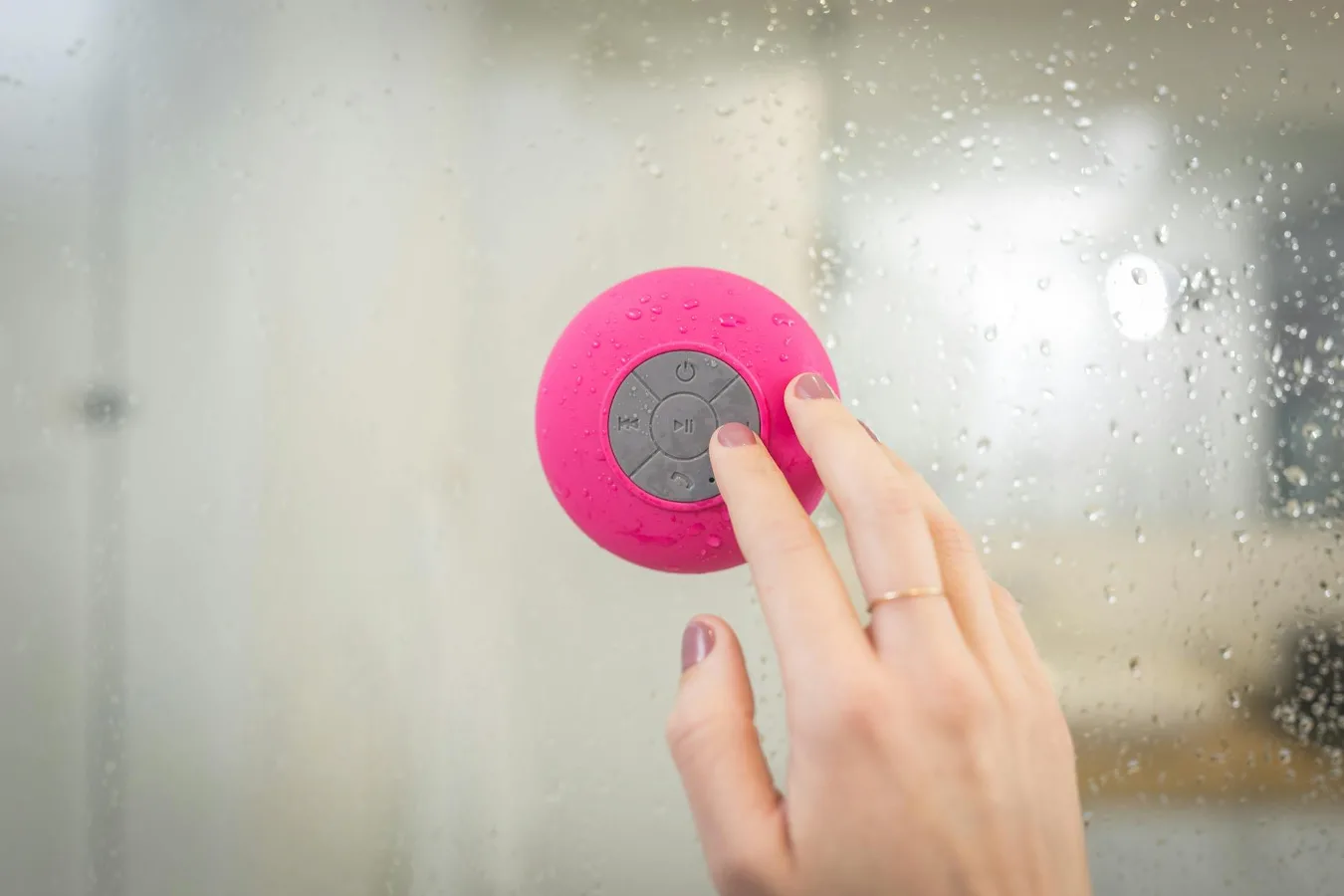
What a floating Bluetooth speaker is, and when it matters
A floating Bluetooth speaker is a wireless speaker designed to stay afloat in water while playing audio from a phone, tablet, or other Bluetooth device. Most buyers look for this type of speaker for pools, hot tubs, baths, docks, and backyard setups where splashes are part of the environment. edison professional bluetooth speaker offers more detail on this point. boat bluetooth speaker offers more detail on this point.
The key point is that “floating” is only one part of the equation. A speaker can float but still not be ideal for real-world use if its sound is too quiet outdoors, if the controls are awkward with wet hands, or if its battery life is too short for the setting. For that reason, the best choice depends on where you plan to use it most. best waterproof speakers for outdoor use offers more detail on this point.
If you only need music near water occasionally, a standard waterproof portable speaker may be enough. If you want a speaker that is more forgiving around a pool or tub and less likely to sink or get waterlogged, floating design becomes a meaningful feature.
How to judge a floating speaker before you buy
Start with the environment, not the product label. A floating Bluetooth speaker that works well in a calm bathtub may feel underpowered beside a noisy pool. Likewise, a large speaker may be unnecessary if you mainly want relaxed listening in a spa or bathroom.
Use the following criteria to narrow the field.
1. Water protection and float behavior
Look for clear water-resistance information from the manufacturer. Floating does not automatically mean fully waterproof, and not every speaker is meant for prolonged submersion. Some are designed to resist splashes and brief contact with water rather than stay underwater for long periods.
Another detail that gets overlooked is how the speaker behaves once it lands in water. A model that floats face-up and keeps the controls accessible is generally more practical than one that tips awkwardly or becomes hard to retrieve. The shape, weight distribution, and exterior grip all matter here, even if they are not always obvious from a product photo.
2. Sound projection in open air
Pool areas and patios are less forgiving than bedrooms or offices. Sound can spread quickly outdoors, so a speaker that seems loud enough indoors may feel thin outside. Pay attention to whether the speaker is intended for near-field listening or broader outdoor coverage.
For casual use, balanced sound and clear vocals often matter more than heavy bass. Bass can sound stronger in smaller indoor spaces than it does beside water and open air, so it is easy to overestimate how “powerful” a speaker will feel once you move it outdoors.
3. Controls you can use while wet
Simple, tactile buttons are usually more helpful than touch-sensitive controls in wet settings. Wet fingers, sunscreen, and poolside handling can make delicate controls frustrating. A practical floating speaker should let you pause, skip, and adjust volume without needing to pick up your phone every time.
That matters more than many shoppers expect. A speaker can be technically waterproof and still feel inconvenient if the interface is hard to use with wet hands.
4. Battery life and charging routine
Battery life is a major part of ownership because waterproof speakers are often used away from outlets. Think about your actual habits: short evening baths, weekend pool use, or longer outdoor gatherings all create different needs.
Also consider how the speaker charges. A sealed design is useful for water resistance, but it still needs a charging method that fits your routine. If you plan to use the speaker often, a charging setup that is easy to repeat matters more than a long spec sheet.
5. Portability and size
Floating speakers are often marketed as lightweight, but portability is more than weight alone. A speaker that is easy to carry, easy to place in a towel bag, and easy to dry after use tends to be more practical than a bulky model with a floating claim attached.
Smaller speakers usually suit personal listening and quiet spaces. Larger units may be better if you want broader sound or a more social poolside setup. The best size depends on whether you are buying for one person, a couple, or a group.
Where a floating Bluetooth speaker makes the most sense
Not every water-friendly speaker needs to float, but there are settings where the feature adds real value.
- Poolside listening: The speaker may end up on a float, step edge, or wet deck, so buoyancy can reduce worry when it slips into the water.
- Hot tub use: A compact floating design is convenient when you want background music without setting a device on a damp ledge.
- Bath or shower zones: A floating speaker can be useful if you prefer music in humid, splash-prone spaces and want an easy-to-move device.
- Lake or dock outings: Floating capability can help if you are around water where accidental drops are more likely.
- Backyard gatherings: If the speaker may move between a table, patio, and pool, floatability adds a margin of convenience.
One practical nuance: floating capability is most valuable when recovery matters. If a speaker sinks, stops playing, or is difficult to retrieve, the feature becomes more about peace of mind than novelty.
Trade-offs to expect
Floating Bluetooth speakers are useful, but they come with compromises. Understanding those trade-offs helps set realistic expectations.
- Sound quality may be more modest than larger indoor speakers. Waterproof and floating designs often prioritize durability and convenience over rich low-end performance.
- Controls may be simplified. That can be a benefit outdoors, but it may limit advanced playback options.
- Design may favor buoyancy over aesthetics. Some models look rugged rather than refined.
- Extra sealing can affect charging or ports. Protective covers and closed seams are useful, but they can make routine use slightly less convenient.
- Water resistance is not the same as invincibility. Even a floating model can be damaged if it is used outside its intended limits.
A common misconception is that floating means the speaker is safe in any water condition. In reality, water movement, prolonged exposure, heat, and chemical contact can all affect longevity. Pool chemicals, saltwater, and long-term storage in damp areas deserve attention.
Step-by-step way to choose the right one
If you are comparing options, use a simple decision path rather than relying on product names or lifestyle photos.
- Define the main setting. Pool, bath, patio, hot tub, or travel use each point to different priorities.
- Decide how important floating really is. If the speaker may actually sit in water often, buoyancy matters more than if it only faces occasional splashes.
- Check water protection details. Look for clear language about splash resistance, immersion limits, and any care instructions.
- Think about sound needs. Quiet personal use calls for different performance than group listening outdoors.
- Review battery expectations. Match charging habits to how often you plan to use it.
- Inspect the controls. Favor simple buttons if wet-hand usability matters.
- Consider cleanup and drying. A speaker that is easy to rinse and dry is usually easier to live with long term.
This process is especially useful because product listings often emphasize lifestyle imagery first and practical details second. The best choice is usually the one that fits the least glamorous part of ownership: storage, handling, and daily use.
Examples of buyer profiles
Different users need different balances of features. These examples can help you map the product to your own use case.
Casual bath listener
If you mostly want music or podcasts in the bathroom, look for compact size, easy controls, and enough water protection for steam and splashes. Very large speakers are usually unnecessary here.
Pool host
If you entertain outdoors, sound coverage and battery comfort become more important. Floating design is useful, but you may care even more about volume, durability, and ease of grabbing the speaker out of the water.
Travel or cabin user
If the speaker needs to move from home to lake house to patio, portability and charging convenience matter alongside floating behavior. A rugged shell and simple interface are often preferable to a more delicate design.
Family use near water
For households with kids, a floating speaker can be helpful because it is easier to locate and retrieve if it gets knocked in. Still, it should never be treated as a toy or left unattended in a way that invites rough handling.
Common mistakes people make
- Buying for waterproofing alone. A speaker can survive water and still sound disappointing in the setting you actually use.
- Ignoring outdoor acoustics. Sound that works in a bedroom may feel weak in open air.
- Overlooking control usability. Touch controls can be inconvenient when water is involved.
- Assuming floating means full submersion protection. Always check the usage guidance from the manufacturer.
- Leaving the speaker wet after use. Drying and storage habits matter for long-term reliability.
- Choosing a model that is too small for the space. Portable does not always mean adequate for a pool gathering.
Care and maintenance basics
Maintenance is usually simple, but it should not be skipped. After use in a wet environment, wipe the speaker dry and let it air out before storing it. If it has been used in chlorinated or salty water, a gentle rinse may be appropriate if the manufacturer says it is safe to do so.
Also keep the charging port, seals, and removable covers clean. Small bits of debris can affect sealing or charging comfort. Store the speaker in a cool, dry place when it is not in use, and avoid leaving it in direct sun for long periods unless the manufacturer indicates that is acceptable.
The overlooked consideration here is long-term storage. A speaker that is fine in the pool can still wear out early if it is tossed into a damp bag or left with moisture trapped around the ports.
Alternatives worth considering
If you are unsure whether a floating model is the best fit, a few alternatives may work better.
- Standard waterproof Bluetooth speaker: Good if you want strong all-around versatility and do not need buoyancy.
- Compact shower speaker: Better for bathroom use where portability and easy mounting matter more than floating.
- Rugged outdoor speaker: Useful if the main goal is patio or camping audio rather than water play.
- Wired indoor speaker system: Better if the speaker will stay in one protected location and sound quality matters more than portability.
The right alternative depends on whether your main problem is water exposure, portability, or sound coverage. Floating capability solves a very specific problem; it is not always the most important one.
Quick checklist before you choose
- Will the speaker actually be used in or around water often enough to justify the floating feature?
- Is the sound level suitable for the space you plan to use it in?
- Can you operate the controls easily with wet hands?
- Does the battery routine match your listening habits?
- Is the speaker easy to dry, clean, and store?
- Do the water-resistance details match the way you plan to use it?
- Would a non-floating waterproof speaker do the job just as well?
FAQ
What is the difference between floating and waterproof?
Floating refers to buoyancy, while waterproof or water-resistant describes how well the speaker handles contact with water. A speaker may float but still have limits on submersion or exposure.
Can a floating Bluetooth speaker be used in a pool?
Often yes, if the manufacturer says it is suitable for that kind of use. The important detail is not just whether it floats, but how much water exposure it is designed to handle.
Are floating speakers good for sound quality?
Some are, but floating design alone does not guarantee better audio. For outdoor use, clarity and adequate volume usually matter more than deep bass.
Do I need a floating speaker for the bathroom?
Not necessarily. A standard waterproof shower speaker may be enough if the speaker will stay near the sink or shower and not in actual standing water.
How should I store a floating speaker after use?
Dry it thoroughly, keep it away from trapped moisture, and store it in a cool, dry place. Follow the manufacturer’s cleaning guidance if it has been exposed to chlorinated or salty water.
A floating Bluetooth speaker makes the most sense when water exposure is part of the listening experience, not just an occasional risk. If you choose one for the right setting, it can be a practical, low-stress way to bring audio into places where ordinary speakers feel fragile.
