
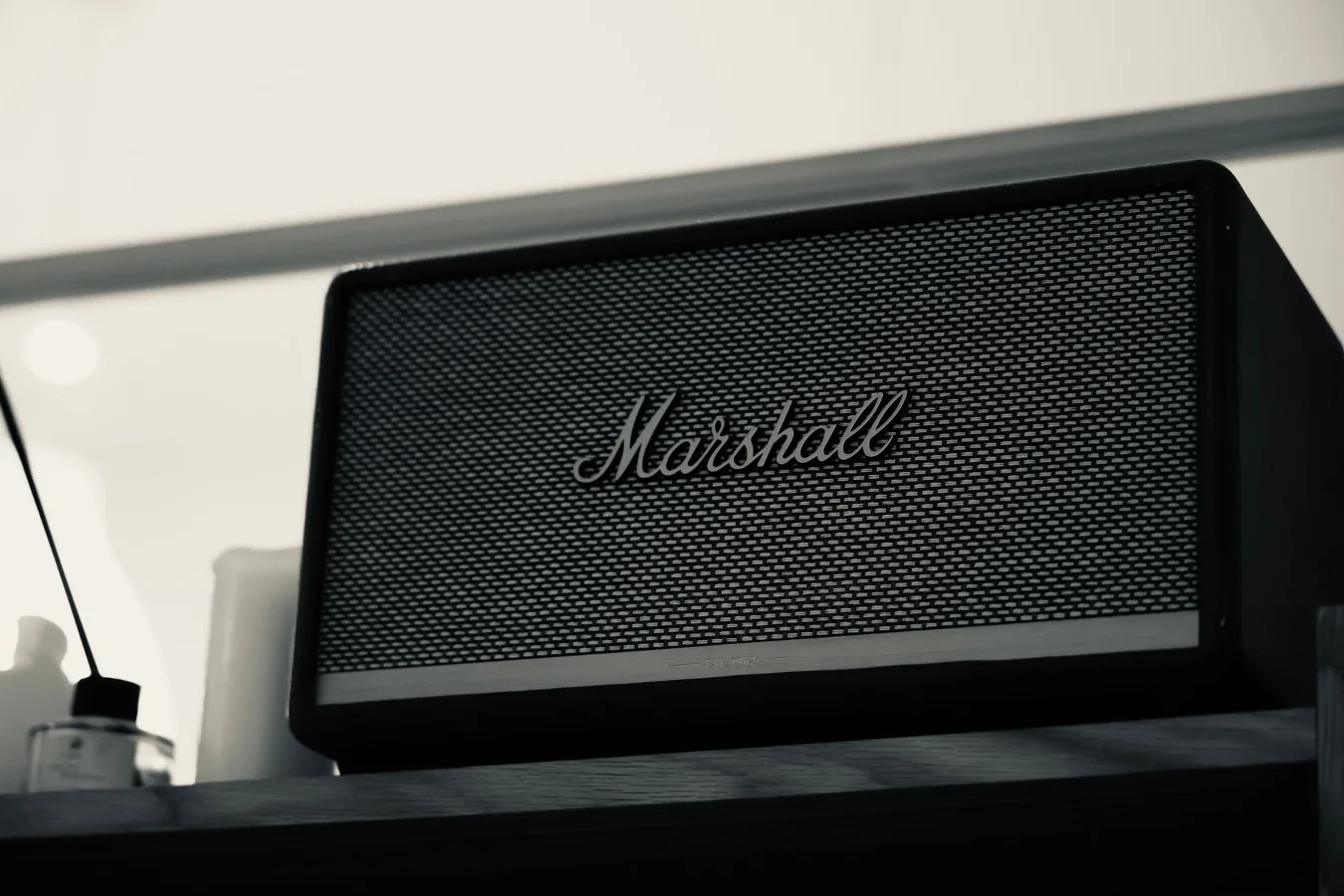
An amp Bluetooth speaker is a speaker system with amplification built in, so you can pair a phone, tablet, or laptop wirelessly without needing a separate receiver or external amp. For most buyers, the real question is not just whether it has Bluetooth, but whether the speaker’s power, input options, portability, and sound profile fit the way it will actually be used. choosing the right Bluetooth speaker offers more detail on this point. Bluetooth speaker size and portability offers more detail on this point.
If you are comparing options for home listening, casual streaming, or light event use, focus first on the setup style. Some models behave like compact powered speakers for a desk or shelf. Others are more like portable party speakers with a built-in amplifier and larger drivers. That difference matters more than the Bluetooth feature itself.
Quick answer: what makes an amp Bluetooth speaker worth buying?
The best amp Bluetooth speaker is the one that matches your space, source devices, and listening habits. A stronger amplifier does not automatically mean better sound. You want enough output for the room or environment, plus a speaker design that keeps distortion, harshness, and connection headaches under control.
Start with three questions: where will you use it, what will you connect to it, and do you need to move it often? A small indoor speaker can prioritize clear mids and easy placement. A larger portable model should give more attention to battery life, carrying comfort, and durability. If you plan to use it with a TV, turntable, or computer, input options may matter more than raw wireless convenience.
One common misconception is that Bluetooth alone defines the product. In practice, the amplifier, speaker drivers, cabinet design, and connectivity all shape the result. A well-balanced powered speaker with modest output can sound more satisfying than a louder model that is poorly tuned.
Compare the main types before you buy
Most buyers are choosing between a few broad categories, even if the product listings use different wording. Knowing the difference helps you avoid overpaying for features you will not use.
| Type | Best for | What to watch for |
|---|---|---|
| Compact powered Bluetooth speaker | Desks, bedrooms, small rooms | Limited bass, smaller controls, fewer inputs |
| Portable amp Bluetooth speaker | Travel, patios, casual outdoor use | Battery life, weight, weather resistance, charging time |
| Party-style Bluetooth speaker | Larger gatherings, louder playback | Bulk, battery drain, more heat, less refined sound at lower volumes |
| Bluetooth PA-style speaker | Announcing, small events, simple public address use | Mic inputs, feedback risk, vocal clarity, setup complexity |
If your main goal is music at home, a compact powered model often makes more sense than a full party speaker. If you want one device for backyard listening and occasional gatherings, portability and battery operation may outweigh absolute sound refinement. For spoken-word use, the best choice may be a PA-oriented model rather than a consumer music speaker.
What to evaluate before choosing one
The right buying decision comes down to a few practical dimensions. Not all of them matter equally in every case, so it helps to prioritize based on your use.
Sound balance and volume headroom
Volume is easy to misunderstand. A speaker that gets loud is not automatically a better speaker. What matters is whether it stays clear at the volume levels you actually use. If you listen quietly, you may care more about detail and tonal balance. If you use it for a large room or open space, headroom becomes more important so the speaker does not sound strained when pushed.
Pay attention to how the speaker is described: some models emphasize bass, some aim for neutral sound, and some are tuned for speech. A bass-heavy speaker can be fun, but it may blur vocals or sound overwhelming in smaller rooms. A more restrained speaker may be the better long-term choice if you listen to varied music or podcasts.
Bluetooth stability and fallback inputs
Bluetooth convenience is excellent, but it is not flawless. Connection drops, pairing confusion, or switching between devices can become annoying if the speaker has poor wireless implementation. That is why fallback inputs such as AUX, USB audio, or line-in can be valuable. They give you a second path when wireless playback is unreliable or when you want to reduce latency for video.
This matters especially for TV audio or desktop use. Bluetooth delay can be noticeable with dialogue, gaming, or live video. If that use case matters to you, look for a speaker with wired input options rather than relying on wireless alone.
Portability and real-world handling
Portable does not always mean easy to carry. A speaker can be technically portable and still awkward because of weight, shape, or lack of a useful handle. Think beyond size alone. Consider where you will store it, whether it needs one-hand carrying, and how often you will move it between rooms or locations.
Battery operation also changes the experience. A battery-powered model adds flexibility, but it introduces charging time, battery aging, and the possibility of reduced runtime over the long term. A plug-in unit avoids battery anxiety and may be better for a fixed location.
Inputs, controls, and everyday convenience
Small details often decide whether a speaker feels easy to live with. Physical volume knobs, tone controls, Bluetooth pairing buttons, and clearly labeled inputs can make a big difference. If multiple people will use the speaker, straightforward controls are more valuable than extra app features that only one person understands.
Check whether the model supports easy switching between Bluetooth and wired sources. That can matter if one device is shared across different users or if you plan to keep a laptop, TV, and phone all in the same setup.
Build quality and placement suitability
Construction affects not just durability but also sound. A sturdier cabinet can reduce unwanted vibration, while a lightweight shell may be easier to move but less controlled at higher volumes. Placement matters too. Speakers that rely heavily on rear ports or specific wall spacing may sound thin or boomy if they are squeezed into a shelf or corner.
If the speaker will live outdoors or near a patio, look carefully at environmental suitability. Moisture resistance, dust protection, and rugged casing are more relevant than flashy features in that setting. If it is for a desk or media console, compact dimensions and a clean footprint may matter more.
How to compare models without getting distracted by specs
Specification sheets can be helpful, but they are easy to overread. Two products with similar advertised power can behave very differently in practice because of cabinet design, tuning, and intended use. Instead of chasing the biggest number, compare the features that affect your daily experience.
- Match the speaker to the room size. A small room rarely needs a large, high-output unit.
- Check source flexibility. Bluetooth plus AUX is often enough for most buyers.
- Consider charging or power access. Battery convenience is useful only if you will actually use it away from an outlet.
- Look for easy controls. Simple buttons and clear labeling reduce friction.
- Think about sound priorities. Bass impact, vocal clarity, and balanced playback are not the same thing.
A practical way to shop is to define your main scenario first. For example: desk listening, bedroom streaming, backyard music, or small event use. Then compare products inside that category rather than across unrelated categories. That keeps you from choosing a speaker that is impressive on paper but awkward in real use.
Mistakes to avoid when buying an amp Bluetooth speaker
Several buying mistakes come up again and again, especially when shoppers focus too much on wireless convenience.
- Choosing by loudness alone. Loud output can come at the expense of clarity and comfort.
- Ignoring wired inputs. A Bluetooth-only speaker can be limiting for TVs, laptops, and older devices.
- Overestimating portability. Some speakers are movable, but not truly convenient to carry.
- Buying for features you will not use. App controls, lighting effects, or extra modes may add complexity without real value.
- Skipping placement considerations. Speaker performance changes with shelves, corners, walls, and open spaces.
- Assuming every battery speaker is better for travel. Battery-powered models vary widely in weight, charging needs, and practical runtime.
An overlooked consideration is how often the speaker will sit idle. If it will spend most of its life plugged in on a shelf, battery features may be less useful than stable sound and easy controls. If it will be moved between rooms, however, a handle, compact body, and quick Bluetooth reconnection may matter more than refined tonal tuning.
Good alternatives if an amp Bluetooth speaker is not the best fit
Sometimes the best answer is a different kind of audio product. That depends on the job the speaker needs to do.
Powered bookshelf speakers are often a better fit for home listening, desktop audio, and compact media setups. They tend to offer a more traditional stereo experience and can work well with a computer, streamer, or turntable setup when paired correctly.
Portable Bluetooth speakers without a stronger amplifier section may be preferable if your priority is simple carry-anywhere convenience rather than larger-room playback.
Soundbars make more sense for TV audio if your main concern is dialogue clarity and a cleaner movie setup. They are not the same category, but they often solve the same entertainment problem better than a general-purpose Bluetooth speaker.
PA speakers are worth considering when speech, announcements, or microphone use matters more than music-first tuning.
Who should buy one, and who should skip it?
An amp Bluetooth speaker is a strong fit if you want wireless convenience with a self-contained system and do not want to build a larger audio chain. It is especially practical for listeners who want a simple setup for music, podcasts, casual TV use, or shared household listening.
You may want to skip this category if you need reference-style sound, multi-room integration, or a fully expandable home theater system. In those cases, separate components or more specialized speakers can be a better long-term investment.
The most useful mindset is to think in terms of use case rather than feature count. A speaker that fits your room, source devices, and daily routine will usually be the smarter choice, even if it looks less impressive on a spec sheet.
Frequently asked questions
What is an amp Bluetooth speaker?
It is a speaker with amplification built in and Bluetooth wireless playback support. That means you can send audio directly from a phone, tablet, or computer without needing a separate amplifier.
Is a powered Bluetooth speaker the same thing?
Usually, yes in practical terms. Many shoppers use the terms interchangeably, though product listings may differ. The key idea is that the speaker has its own built-in amplification.
Can I use one with a TV?
Often yes, but wired input support is important if you want better synchronization. Bluetooth can work for casual use, but it may introduce delay with video.
Do I need a large model for better sound?
Not always. A larger speaker may offer more output or bass, but the best choice depends on room size, placement, and the type of listening you do.
What is the most common buying mistake?
Buying for power alone. Many people overfocus on output claims and overlook inputs, portability, and how the speaker will actually fit into their space. what to look for in speaker inputs offers more detail on this point.
