
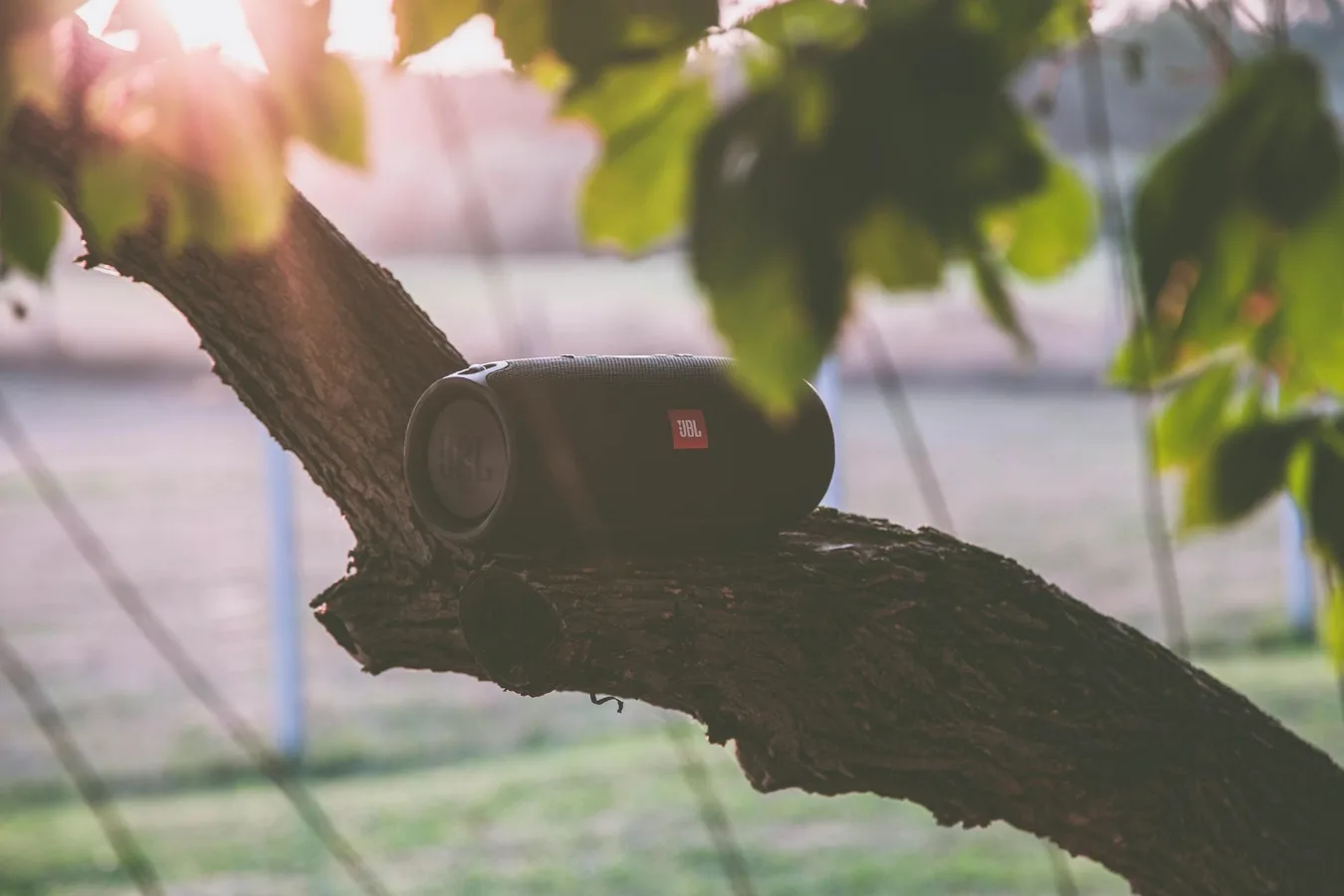
If you want music for camping, beach days, backyard hangouts, or emergency backup listening, a solar Bluetooth speaker can be a practical option. The best ones combine standard rechargeable-speaker features with a solar panel that can help top up the battery when you are away from an outlet. The important part is keeping expectations realistic: solar charging is usually a supplement, not a full replacement for wall charging. floating bluetooth speaker offers more detail on this point.
That distinction matters. Many shoppers search for a solar Bluetooth speaker expecting endless playtime from sunlight alone. In practice, the better buying decision is to look for a speaker that sounds good, holds a charge well, resists the conditions you will actually face, and uses solar power as a convenience feature.
What to look for first
Start with how you plan to use it. A solar Bluetooth speaker for a picnic has different needs than one for a campsite, a worksite, or a patio. The most useful models usually balance five things: battery capacity, charging flexibility, outdoor durability, sound quality, and portability. how to choose a waterproof speaker offers more detail on this point.
For many buyers, the solar panel should be treated as a bonus charging method rather than the main reason to choose a speaker. If the rest of the product is weak, the panel does not make up for poor sound, awkward controls, or a battery that is too small for your listening habits.
Battery and charging flexibility
A good solar Bluetooth speaker should still charge by USB. That gives you a dependable way to power it before you leave home and a backup when the weather is cloudy or you need a faster recharge. Solar input can be helpful during long outdoor sessions, but the rate depends on panel size, sun exposure, angle, and season.
Look for a speaker that can be charged in more than one way. USB-C is especially convenient because many modern chargers and power banks already use it. Some models also support older USB connections or include charging cables, but the key point is flexibility. A solar panel alone is not enough.
Sound quality for real outdoor use
Outdoors, sound behaves differently than it does in a living room. There are fewer walls to reflect audio, so a speaker can seem less full even if the specs look impressive on paper. That is why speaker placement and tuning matter as much as raw output. A compact solar Bluetooth speaker may be fine for personal listening, while a larger one may suit a group better.
Pay attention to how the speaker is designed to handle outdoor listening. Some models are built with stronger bass emphasis, while others focus on clearer mids and voices. If you mainly listen to podcasts or playlists at moderate volume, clarity may matter more than heavy bass. If you want music to carry across a campsite or patio, you may need a larger cabinet or stereo pairing option.
Durability and weather resistance
Outdoor speakers face drops, dust, moisture, and occasional splashes. A solar Bluetooth speaker should be sturdy enough to handle the environment where you actually plan to use it. Water resistance is useful for poolside, beach, and rain-prone situations, but the level of protection varies by product, so it is worth checking the manufacturer’s rating and care instructions. best portable Bluetooth speakers for outdoor use offers more detail on this point.
Durability is not just about water. Grippy materials, protected ports, and solid buttons can make a speaker easier to use when your hands are wet or dusty. If you are buying for travel or camping, a rugged shell can matter more than decorative design.
Portability and mounting options
Some solar Bluetooth speakers are designed to sit on a table. Others have straps, carabiners, handles, or surfaces that make them easier to hang near a tent, backpack, or outdoor setup. Portability is not only about weight; it is also about how easily you can carry, place, and secure the speaker.
If the solar panel is built into the speaker body, placement can affect charging. A speaker that can sit in direct sun while still playing from a shaded spot may be more practical than one that has to be handled constantly. Think through the real setup before buying, especially if you want to use it while hiking, camping, or spending long hours outdoors.
How solar Bluetooth speakers compare with regular portable speakers
The biggest difference is not usually sound quality. It is convenience and charging strategy. A regular portable Bluetooth speaker may be simpler, lighter, and sometimes cheaper. A solar Bluetooth speaker adds the possibility of topping up from sunlight, which can be useful if you spend a lot of time off-grid or away from reliable power.
That extra feature can also add trade-offs. Solar panels take up space, which may affect the size, shape, or weight of the speaker. In some models, the solar element is modest and mainly useful for slow battery maintenance rather than full recharging. If you expect the speaker to work like a solar generator, you may be disappointed.
For many buyers, a standard speaker plus a power bank is the more predictable setup. For others, the appeal of built-in solar charging is that it reduces how often they need to think about cables. The better choice depends on whether your priority is convenience, simplicity, or backup power independence.
| Factor | Solar Bluetooth speaker | Regular portable speaker |
|---|---|---|
| Charging | USB plus solar supplement | USB or other wired charging |
| Off-grid convenience | Better for long outdoor use | Depends on battery or power bank |
| Size and weight | May be larger because of the panel | Often more compact |
| Ease of planning | Less dependence on outlets | Needs more deliberate charging |
| Best fit | Camping, travel, emergency backup, outdoor leisure | Home, commuting, everyday portable listening |
Common mistakes buyers make
One common mistake is choosing a speaker for the solar panel alone. If the panel is small, slow, or poorly positioned, it may not meaningfully change the experience. The speaker should still stand on its own as a solid Bluetooth audio product.
Another mistake is overlooking battery size and charging time. If you plan to use the speaker for several hours at a time, check whether the battery and power options fit that use pattern. A solar Bluetooth speaker that sounds appealing but needs frequent recharging may not feel convenient in real use.
Shoppers also sometimes ignore the difference between water resistance and full weatherproofing. A speaker that can handle a splash is not necessarily one you should leave in rain or near sand without care. Read the usage guidance closely, especially if you are buying for the beach, pool, or boating.
Finally, many people underestimate how important controls are outdoors. Buttons should be easy to feel and use. If volume, pairing, and power controls are awkward, the speaker can become frustrating when you are outside, moving around, or wearing gloves.
Features that deserve a closer look
Some features sound impressive but do not matter much in daily use. Others seem minor and end up being the difference between a speaker you like and one you avoid. These are the details worth weighing carefully.
Speaker size and use case
Smaller speakers are easier to carry and pack, but they usually have less room for fuller sound. Larger speakers may deliver better volume and stronger low end, though they can be less convenient for travel. If you mostly listen alone or in a small tent, compact size may be enough. If you want music for a group, size becomes more important.
Battery indicators
A clear battery indicator is surprisingly useful. It helps you decide when to recharge before a trip and prevents surprises mid-use. For solar models, it is also helpful to know whether the speaker is actually gaining charge from sunlight or simply maintaining the battery at a slow pace.
Bluetooth connection stability
Reliable pairing matters more than many shoppers expect. A speaker that reconnects quickly and stays stable reduces friction every time you use it. If the speaker will be used around phones, tablets, or multiple people taking turns, connection behavior can be a major quality-of-life factor.
Extra functions
Some solar Bluetooth speakers include FM radio, hands-free calling, built-in flashlights, or power bank output. These can be useful, but they also add complexity. Extra features are best viewed as conveniences, not substitutes for solid audio and battery performance.
Who a solar Bluetooth speaker makes sense for
This type of speaker is especially appealing if you spend time outdoors and do not always have easy access to outlets. Campers, beachgoers, tailgaters, backyard hosts, and travelers can all benefit from the added flexibility. It can also be useful as part of an emergency kit, since solar charging may provide a backup way to keep a speaker running longer.
On the other hand, if most of your listening happens at home, solar may not add much value. In that case, a regular Bluetooth speaker with stronger sound, better app support, or more refined design might be the better purchase. Solar is most compelling when you genuinely need off-grid convenience.
There is also a practical nuance that many buyers overlook: sunlight access is not guaranteed. Shade, weather, season, and placement all affect solar charging. If you expect to use the speaker under a canopy, inside a bag, or during short daylight windows, the solar feature may matter less than you think.
Safer alternatives if solar is not essential
If your main goal is portable listening rather than solar charging itself, consider these alternatives before buying:
- Standard Bluetooth speaker plus power bank: Usually the most predictable option for trips and day-to-day use.
- Rugged waterproof speaker: Better if durability and water resistance matter more than solar input.
- Camping lantern speaker combo: Useful if you want one device to cover lighting and audio.
- Compact travel speaker: A good choice if weight and packability matter more than backup charging.
These alternatives can make more sense if you already plan to carry a charger anyway. The best buying decision is not always the one with the most features; it is the one that fits your routine with the least friction.
How to choose the right one
Before you buy, narrow the choice with a simple checklist:
- Will you use it mostly outdoors or mostly indoors?
- Do you need a solar feature for backup charging, or just like the idea of it?
- How important are portability and pack size?
- Do you need stronger weather resistance for beach, pool, or camping use?
- Will you prioritize sound quality, battery life, or convenience features?
If the speaker will be used mainly for casual outdoor listening, prioritize easy charging, decent weather resistance, and reliable Bluetooth performance. If it is for longer trips, place more weight on battery flexibility and ruggedness. If it is for a backyard or patio, sound quality and ease of placement may matter more than the solar panel itself.
The smartest way to shop for a solar Bluetooth speaker is to treat the solar panel as one part of the package, not the headline feature. The speaker should still be easy to carry, simple to recharge, sturdy enough for the environment, and pleasant to listen to. If those basics are missing, the solar feature will not fix them.
