
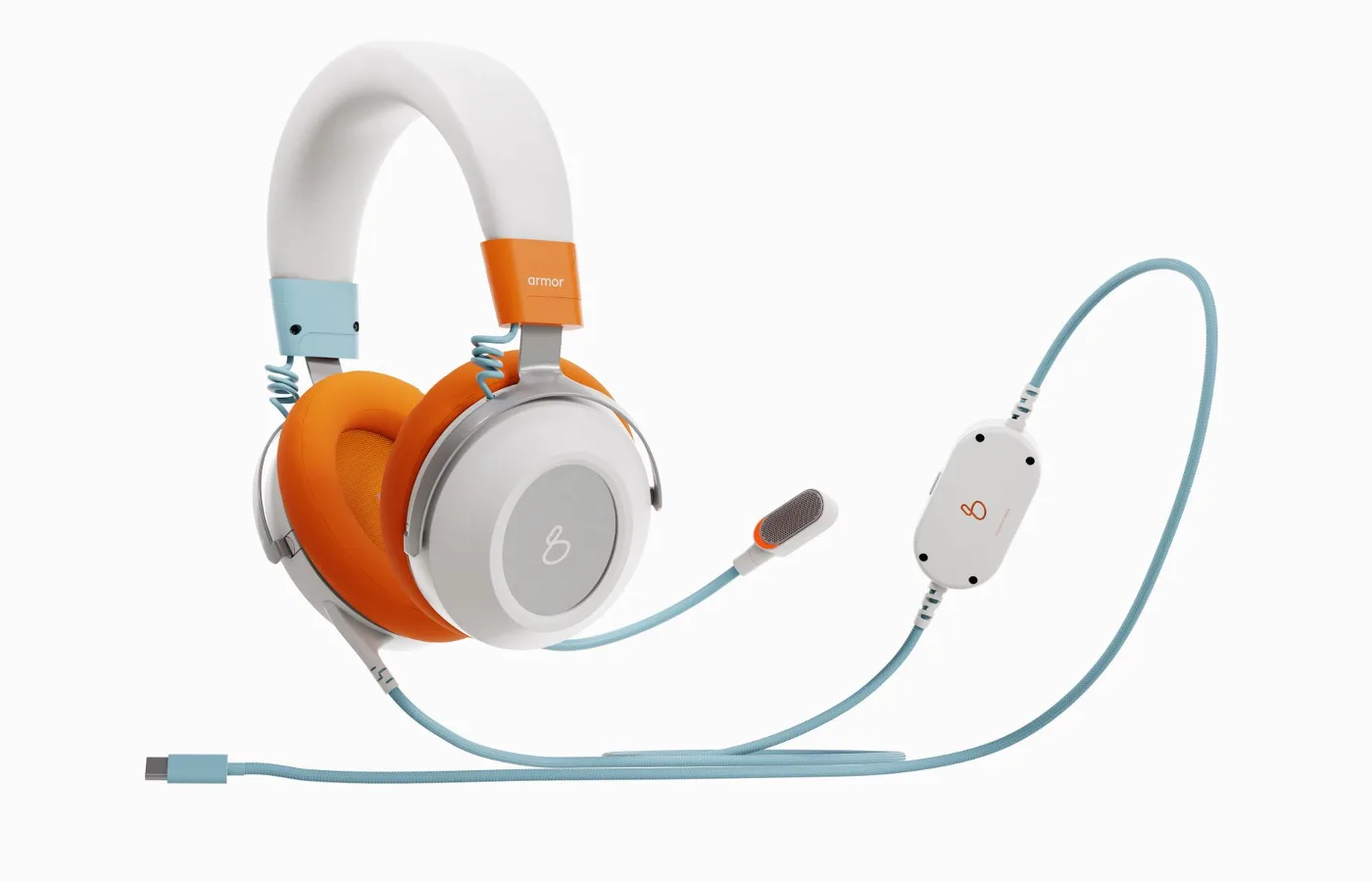
Why sensory noise cancelling headphones help
Sensory noise cancelling headphones are usually chosen by people who want to make loud, busy, or unpredictable environments feel more manageable. They are not a cure for sensory overload, and they do not block every sound, but they can reduce the strain of constant background noise and make it easier to focus, travel, study, or get through a crowded day. noise cancelling headphones for travel offers more detail on this point. Best Noise Cancelling Headphones for Sensory Issues offers more detail on this point.
For many shoppers, the real question is not whether noise cancelling headphones work at all. It is whether a specific model will feel comfortable, stay usable for long periods, and reduce the kinds of sound that are most disruptive. That distinction matters, because sensory needs are not the same as casual listening needs.
Some people want less noise in open offices or classrooms. Others need help in airports, stores, or public transit. Some are sensitive to high-frequency chatter and environmental hums, while others mainly want a quieter baseline so they can think clearly. The best headphones depend on that use case.
What to look at before you buy
For sensory use, the most important factor is not audio quality in the usual consumer sense. Comfort, fit, and the type of noise reduction matter more than bass response or soundstage. A model that sounds excellent but creates pressure or heat may be a poor fit for someone who is already sensitive to physical discomfort.
Active noise cancellation versus passive isolation
Most people mean active noise cancellation, or ANC, when they say noise cancelling headphones. ANC uses microphones and processing to reduce steady background sounds such as engine noise, ventilation, or low droning noise. It tends to be most effective on consistent sounds rather than sudden voices or sharp, irregular noises.
Passive isolation is different. It comes from the physical design of the ear cups and cushions, which block sound by sealing around the ears. For sensory use, passive isolation is often underrated. A well-designed over-ear headphone with strong sealing can reduce distractions even without aggressive electronics. passive noise isolation explained offers more detail on this point.
Many shoppers benefit from a model that combines both. ANC can reduce low-level environmental noise, while the cup design helps with outside chatter and sudden interruptions.
Comfort and pressure sensitivity
Comfort is central for sensory headphones. A clamp that feels normal to one person may feel intolerable to another. The same goes for cushion material, headband pressure, and ear cup depth. If you are choosing for sensory sensitivity, prioritize a design that avoids hot spots and allows long wear without irritation.
Look closely at:
- ear cup size and depth
- headband padding
- clamping force or fit feel
- weight on the head
- heat buildup during long sessions
- whether the ear pads touch the ear or sit around it
Over-ear models are usually preferred for sensory support because they keep pressure off the ear itself. On-ear models are smaller, but they can be less comfortable for long stretches and may feel more intrusive.
Sound profile and transparency settings
People often focus only on noise cancellation, but the headphone’s sound profile also matters. A harsh treble region can make listening feel tiring, even at moderate volume. A calmer, balanced tuning is often easier to live with for everyday use.
Transparency or ambient mode can also be useful. It allows outside sound back in without removing the headphones. That can be helpful when you need to hear announcements, hold a quick conversation, or stay aware of your surroundings. For sensory users, though, transparency mode should be treated as a convenience feature, not a replacement for a quiet space.
Wired or wireless use
Wireless headphones are convenient, especially for commuting and travel. They reduce cable tangles and are easier to use on the move. The trade-off is battery dependency. If you rely on your headphones to get through long days, battery life, charging habits, and the option to use them passively when power runs out become practical concerns.
Wired headphones can be a useful fallback because they do not depend on battery power for basic playback. Some people also prefer them for predictable behavior and fewer pairing issues. The downside is obvious: cables can be cumbersome in classrooms, offices, or transit.
How to choose for real-world use
There is no single best sensory headphone. The right choice depends on where and how you plan to use it. A model that works well at a desk may feel wrong on the subway. A travel-focused headphone may be too bulky for daily walks. Thinking in terms of setting often leads to a better purchase than comparing spec sheets alone.
For travel and commuting
If the goal is to soften airplane noise, train noise, or city traffic, prioritize strong ANC, a secure fit, and decent battery life. Foldability or a compact case may matter too, especially if you need to pack them often. Make sure the headphones remain comfortable when worn for several hours, since travel use tends to stretch out wear time.
Travel also introduces one overlooked issue: pressure changes and fatigue. Some listeners find that ANC can feel strange in very quiet cabins or during takeoff and landing. That does not mean the headphones are unsuitable, but it does mean you should be comfortable adjusting settings or taking breaks if needed.
For school, work, or focus
If you mainly need help focusing, a more moderate and comfortable approach may be better than maximum noise cancellation. In classrooms and offices, complete isolation can make it harder to hear important cues, and overly sealed headphones can feel socially isolating in ways that are not always practical.
In these settings, look for a balance between noise reduction and awareness. A lighter fit, comfortable ear pads, and a transparency mode can be more useful than a feature-heavy model with stronger isolation but more fatigue.
For sensory overload in public places
Public places are unpredictable, which is part of why sensory discomfort can escalate quickly. In these environments, headphones that reduce overall noise without requiring constant adjustment are especially useful. A stable seal and easy controls matter more than advanced app features.
Another practical nuance: some environments are not just loud, they are layered. Voices, metal carts, music, alarms, and HVAC noise all overlap. ANC helps most with the steady layer, but a comfortable passive seal often does a lot of the remaining work.
Common mistakes shoppers make
One common mistake is assuming that the strongest ANC automatically means the best sensory fit. Aggressive noise cancellation can be impressive on paper, but some people dislike the sensation it creates. A headphone that is slightly less powerful but more comfortable can be the better everyday choice.
Another mistake is ignoring weight and clamping force. Sensory sensitivity is not only about sound. If the headphones create pressure on the jaw, temples, or top of the head, they may become unusable even if the noise reduction is good.
Shoppers also sometimes overlook battery behavior. If you depend on headphones for routine use, the inconvenience of forgetting to charge them can be more frustrating than a minor difference in sound quality.
Finally, many people expect headphones to fix every noisy environment. They can help a lot, but they are one part of a larger strategy that may also include quieter routines, earplugs for certain situations, and choosing lower-noise spaces when possible.
Practical alternatives and backup options
Sensory noise cancelling headphones are not the only option. Depending on the situation, another tool may be more comfortable or more effective.
- Passive earmuffs: useful for strong physical noise reduction, especially when listening to audio is not necessary.
- Earplugs: small and portable, though some people dislike the in-ear feel.
- Bone conduction headphones: can preserve awareness, but they usually provide limited noise blocking.
- White noise or calming audio: may help mask irregular background sounds, especially in a controlled setting.
- Quiet room strategies: sometimes the best solution is reducing exposure rather than relying only on gear.
These alternatives can also be combined. For example, some users wear headphones with low-volume masking audio in one setting and switch to passive protection in another. The best setup depends on comfort and the kind of noise you are trying to manage.
How to make the headphones work better for you
Even a good pair of headphones can feel disappointing if they are used in the wrong way. A few small adjustments often improve the experience.
- Start with shorter wear periods and build up gradually if you are sensitive to pressure.
- Try both ANC on and off to see which setting feels calmer.
- Adjust the headband so the cups sit evenly around the ears.
- Choose a low or moderate volume level to avoid adding listening fatigue.
- Use ambient mode only when you need awareness, not continuously by default.
- Keep ear pads clean, because buildup can affect both comfort and seal.
If you are buying for a child, student, or another person with sensory needs, ease of use matters just as much as the feature list. Simple controls and a predictable fit often make the difference between a useful tool and one that gets left in a bag.
Comparison points that matter most
When narrowing your options, compare headphones against the situations that actually matter in daily life. A quick feature list is less helpful than a practical checklist.
| Decision factor | Why it matters for sensory use |
|---|---|
| Fit and pressure | Determines whether the headphones can be worn comfortably for long periods |
| Passive isolation | Helps block chatter and irregular noise even when ANC is less effective |
| ANC quality | Useful for steady background sounds like engines and HVAC noise |
| Weight | Heavier models can feel tiring over time |
| Controls | Simple controls reduce frustration during stressful moments |
| Battery and wired fallback | Important if you rely on them throughout the day |
| Transparency mode | Helpful when you need to hear announcements or conversations |
If you are choosing between two similar models, the better sensory pick is often the one that feels less intrusive, even if it has fewer headline features.
Who benefits most from sensory noise cancelling headphones
These headphones are often useful for people who are sensitive to environmental noise, including autistic users, people with ADHD, shift workers trying to rest, frequent travelers, and anyone who finds busy spaces mentally draining. They can also help in mixed environments where concentration matters but complete silence is unrealistic.
That said, they are not the best fit for everyone. If you dislike the enclosed feeling of over-ear headphones, need constant verbal awareness, or are bothered by ANC pressure sensations, a lighter alternative may be more appropriate.
FAQ
Are sensory noise cancelling headphones the same as regular ANC headphones?
Not exactly. They often use the same technology, but the best options for sensory use place more emphasis on comfort, fit, and long-term wearability than a typical consumer model might.
Do they block voices?
They can reduce voices to some degree, especially when combined with a good physical seal, but they usually work best on steady background noise. Sudden speech and sharp sounds are harder to eliminate fully.
Are over-ear headphones better than on-ear models for sensory sensitivity?
Often yes. Over-ear designs usually distribute pressure more comfortably and provide better passive isolation, though fit can vary by head shape and pad design.
Can I use them without music?
Yes. Many people use noise cancelling headphones without playing audio at all, simply to reduce environmental noise. That can be helpful in transit, at work, or during overstimulating errands.
What if noise cancellation feels uncomfortable?
Try lowering the ANC setting if the model allows it, using passive isolation instead, or choosing a headphone with a lighter clamp and softer seal. Some people prefer a less aggressive approach.
Choosing the right pair without overcomplicating it
If you are shopping for sensory noise cancelling headphones, focus on comfort first, then noise reduction, then convenience features. The most useful model is usually the one you can wear without thinking about it constantly. That means a stable fit, manageable pressure, and a noise profile that takes the edge off your environment without creating new discomfort.
Think about the exact places where you will use them most. Travel, school, work, and crowded public spaces all create different problems. Once you match the headphone to the setting, the decision becomes much easier and the results are usually more satisfying.
