
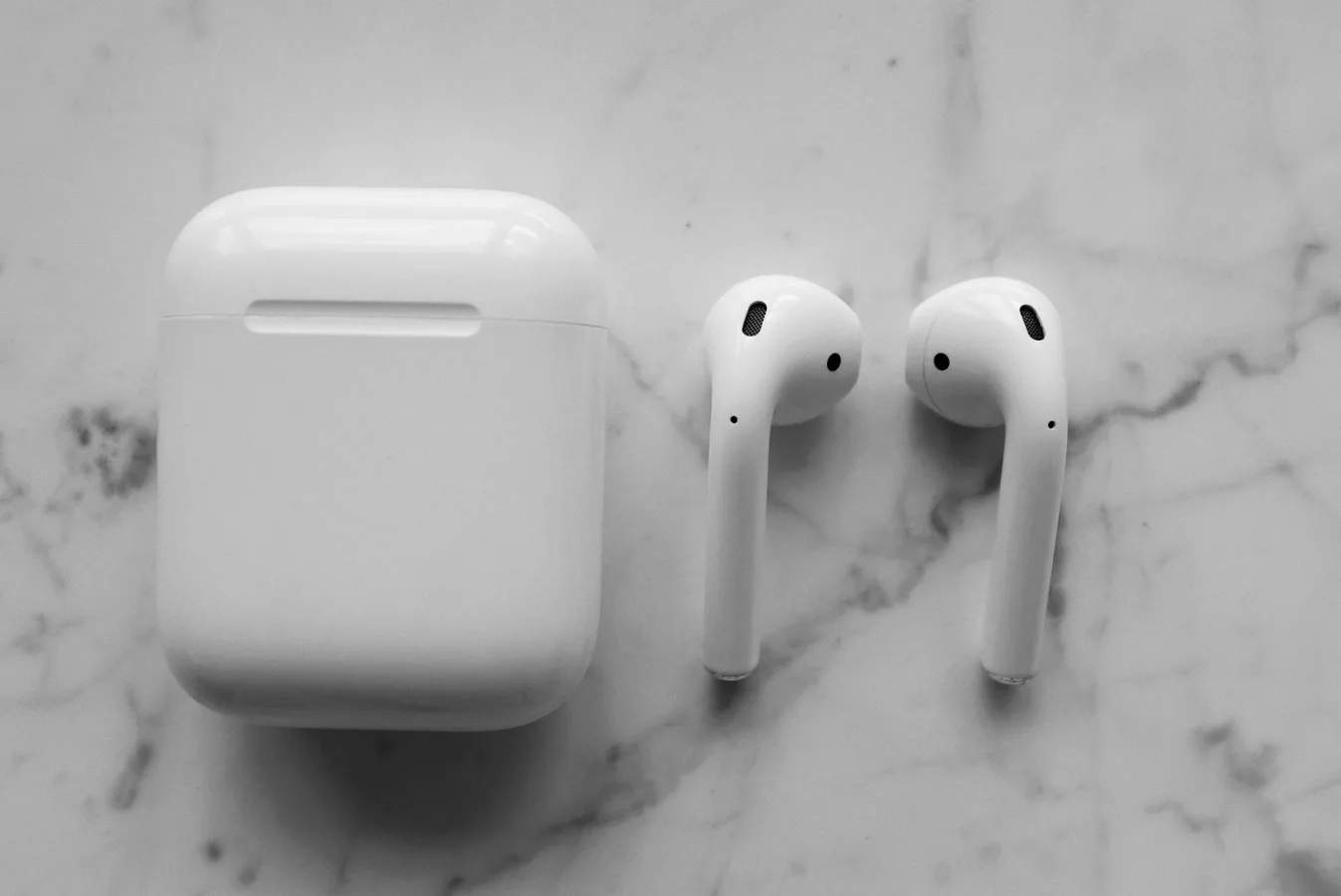
Who earbuds with wireless charging cases make sense for
If you want the convenience of dropping your earbuds onto a charging pad instead of hunting for a cable, earbuds with a wireless charging case are a strong fit. They are especially useful for people who already use Qi charging on a phone, smartwatch, or desk setup and want one less cable to manage. choosing earbuds for phone calls offers more detail on this point.
This category is broader than it first appears. Some models include a case that can recharge wirelessly and through USB-C. Others rely primarily on the case for battery life, with wireless charging as a convenience feature rather than the main power source. That difference matters more than the marketing language suggests.
The best choice is not just about wireless charging. Fit, battery behavior, call quality, water resistance, and how often you actually charge from a pad all affect whether the feature feels useful or unnecessary.
The quick answer: what to look for first
If you are shopping for earbuds with a wireless charging case, start with these priorities:
- Comfort and fit first, because poor fit ruins sound and isolation.
- Case charging compatibility next, especially whether the case supports Qi wireless charging.
- Battery life in both the earbuds and the case, since wireless charging does not help if the case itself drains too quickly.
- Bluetooth stability and codec support, particularly if you care about latency or audio quality.
- Durability and water resistance if you plan to use them at the gym or outdoors.
For most buyers, the wireless charging case is best treated as a convenience feature, not the main reason to choose a pair. The headphones still need to sound good, stay comfortable, and hold up to daily use.
Why the charging case matters more than many buyers expect
With true wireless earbuds, the case is part of the product, not an accessory. It protects the earbuds, stores extra battery power, and often handles pairing or reset functions. A wireless charging case adds another layer of convenience by letting the case recharge without plugging in a cable every time.
That convenience is real, but it can also create a false assumption: that all wireless charging cases behave the same way. They do not. Some charge slowly on pads. Some are more efficient through cable charging. Some are compact and pocketable, while others are bulkier because of the extra battery inside.
In practical terms, the case is the piece you interact with most. If the lid feels flimsy, the earbuds are awkward to remove, or the case does not sit well on a charging pad, the wireless feature may become more frustrating than helpful.
Buyer scenarios: which type of user benefits most
1. The everyday commuter
If you use earbuds on trains, buses, or while walking around town, a wireless charging case can be worth it because topping up at home or at a desk is simple. Commuters usually care more about quick access, stable Bluetooth, and compact storage than about advanced audio tuning.
Look for a case that closes securely and a pair with dependable fit. The wireless charging feature helps most when the earbuds live in the same place every day, such as on a bedside charger or desk pad.
2. The mixed-device user
If your household mixes phones, tablets, and charging accessories, a Qi-compatible case can reduce clutter. This is one of the more underrated uses for the category. The convenience is not only about charging without cables; it is about using the same surface you already use for other devices.
For these buyers, broad compatibility matters. If the case supports both wireless charging and USB-C, you get flexibility without relying on a single charging method.
3. The gym or active-use buyer
For workouts, wireless charging is less important than fit, sweat resistance, and easy cleaning. A wireless charging case is nice to have, but it should not distract from the basics. Earbuds that slip, trap moisture, or need frequent maintenance can become annoying quickly. wireless charging basics for audio gear offers more detail on this point.
Active users should prioritize secure ear tips, stable seals, and a case that tolerates being tossed in a bag. Wireless charging should be seen as a convenience, not a replacement for durability.
4. The traveler
Travelers often appreciate wireless charging at home or in the hotel room, but portability still comes first. A larger case may support more battery or extra features, yet a smaller case is easier to carry and less likely to feel cumbersome in a pocket or organizer.
If travel is the main use case, focus on overall battery behavior, fast top-up convenience, and ease of packing. Wireless charging is useful only if it fits naturally into your charging routine.
Trade-offs you should think through before buying
Wireless charging cases offer convenience, but they come with real trade-offs. Understanding those trade-offs helps avoid disappointment after the novelty wears off.
- Speed versus convenience: wireless charging is often more convenient, but cable charging may be faster or more efficient depending on the design.
- Portability versus battery size: a larger case may hold more power, but it can be less pocket-friendly.
- Feature load versus simplicity: some earbuds include ANC, transparency modes, app controls, and multipoint pairing, which is useful for some buyers and distracting for others.
- Compatibility versus flexibility: not every wireless charging case behaves equally well with every charging pad or stand.
- Price versus usefulness: paying extra for wireless charging only makes sense if you will use it regularly.
A common misconception is that wireless charging automatically means premium quality. That is not true. A well-designed pair with a standard charging case can outperform a more feature-heavy model if the fit, tuning, and reliability are better.
Material and build factors that affect daily use
The materials and construction of the earbuds and case influence how they age. The charging case should feel sturdy enough for repeated opening, closing, and pocket carry. Hinges matter. So does how well the earbuds seat inside the case.
For the earbuds themselves, look at the ear tip material, nozzle shape, and overall shell profile. These affect comfort and seal more than most buyers expect. A poorly sealed earbud often sounds thinner and leaks more outside noise, which can make features like active noise cancellation less effective.
Water and sweat resistance also matter. If a product is intended for exercise or variable weather, check the protection rating and understand its limits. A charging case is not usually designed for exposure to moisture, even if the earbuds themselves handle it better.
Another overlooked detail is the finish of the case. High-gloss cases can show scuffs and fingerprints quickly, while matte finishes may hold up better in daily carry. This is not a performance issue, but it affects long-term satisfaction.
Specification factors that are worth comparing
Because this is a commercial buying decision, it helps to compare the specifications that actually affect ownership. Not every spec deserves equal weight.
Battery life in two parts
With true wireless earbuds, battery life comes from both the earbuds and the case. The earbuds determine how long you can listen before going back into the case. The case determines how many times you can recharge them before the case itself needs power. earbud battery life and case capacity offers more detail on this point.
For wireless charging case models, ask whether the case can be topped up conveniently and whether the earbuds charge securely inside it. A wireless case is only helpful if the earbuds make reliable contact and resume charging as expected.
Charging standard and cable fallback
Qi support is the most common wireless charging standard buyers will care about. Even if a case supports wireless charging, having USB-C as a fallback remains important. Cable charging is still useful when you need a quick top-up, when a pad is unavailable, or when you are traveling light.
A good setup usually gives you both: the comfort of wire-free charging at home and the certainty of a cable when you need it.
Bluetooth features
Bluetooth version, multipoint support, and codec compatibility can affect how the earbuds behave across devices. If you move between a laptop and a phone, multipoint can be a bigger quality-of-life improvement than wireless charging itself.
Codec support can matter for users who are sensitive to latency or want more consistent audio behavior. That said, codec details should not overshadow fit and stability, which have a bigger day-to-day impact for most people.
Controls and app support
Touch controls, physical buttons, and companion apps all shape the experience. Touch controls can be convenient but sometimes trigger accidentally. Physical controls are less common, yet they can be easier to use if you wear gloves or want more deliberate input.
An app can be valuable for EQ, firmware updates, and customization, but only if the app is well maintained and simple to use. If the app is clumsy, it can become a source of friction rather than a feature.
How to judge sound and comfort without overcomplicating the purchase
Most buyers do not need to become audio hobbyists to choose well. The more useful question is whether the earbuds match your listening habits.
If you listen to podcasts, voice calls, and background music throughout the day, balanced tuning and clear midrange matter more than bass emphasis. If you listen while commuting or at the gym, passive isolation and secure fit may be more valuable than a flashy sound profile.
Comfort is personal, but there are patterns. Smaller shells often work better for long wear. Multiple ear tip sizes help, though the right shape matters just as much as size. If an earbud creates pressure points within a short time, wireless charging will not make up for that inconvenience.
One practical mistake is prioritizing sound features before fit. A slightly more refined sound signature is not useful if the earbuds keep loosening, causing you to adjust them constantly.
Limitations and common mistakes to avoid
- Buying for the charging case alone: the wireless feature is convenient, but it should not outweigh the core earbud experience.
- Ignoring case size: a larger battery case may be less pocket-friendly than expected.
- Overlooking ear tip fit: a weak seal can reduce comfort and audio quality.
- Assuming all wireless pads work equally well: compatibility can vary by charger shape, alignment, and power delivery behavior.
- Forgetting cable fallback: a wireless-ready case is still better when USB-C charging is available.
- Choosing too many features: if you do not need ANC, app controls, or multipoint, a simpler model may be the better value.
A practical nuance: some people love wireless charging at home but rarely use it on the go. If that sounds like you, a case with solid USB-C charging may be enough, especially if the rest of the earbuds are stronger in comfort or sound quality.
Alternatives worth considering
If you are unsure whether earbuds with a wireless charging case are the right fit, a few alternatives can make more sense.
- USB-C only true wireless earbuds: often simpler and sometimes more affordable, with fewer compatibility questions.
- Wireless charging earbuds with a larger case: useful if battery endurance matters more than minimal pocket size.
- Over-ear wireless headphones: better if comfort, isolation, and longer listening sessions matter more than pocketability.
- Wired earbuds or earbuds with detachable cables: a good choice if you prefer predictable power and no battery management.
These alternatives are not universally better. They simply suit different priorities. For many buyers, the ideal choice is the one that matches charging habits, carry style, and listening time rather than the one with the most features.
What to do next before you buy
Before adding a pair of earbuds with a wireless charging case to your cart, narrow your choice with a few practical questions:
- Will you actually use wireless charging regularly, or is USB-C enough?
- Do you need a compact case for pockets and bags, or is a larger battery case acceptable?
- Does the fit and ear tip design suit your ears and use case?
- Do you need ANC, multipoint, or strong call performance?
- Is the case clearly compatible with the charging pad or stand you already use?
If you can answer those questions confidently, you are much more likely to choose a pair that feels convenient after the first week, not just appealing on the product page.
For buyers who want a simple, modern setup, earbuds with a wireless charging case can be a smart and low-friction choice. For others, especially if charging convenience is not a daily habit, a well-designed USB-C model may deliver better value with fewer compromises.
