
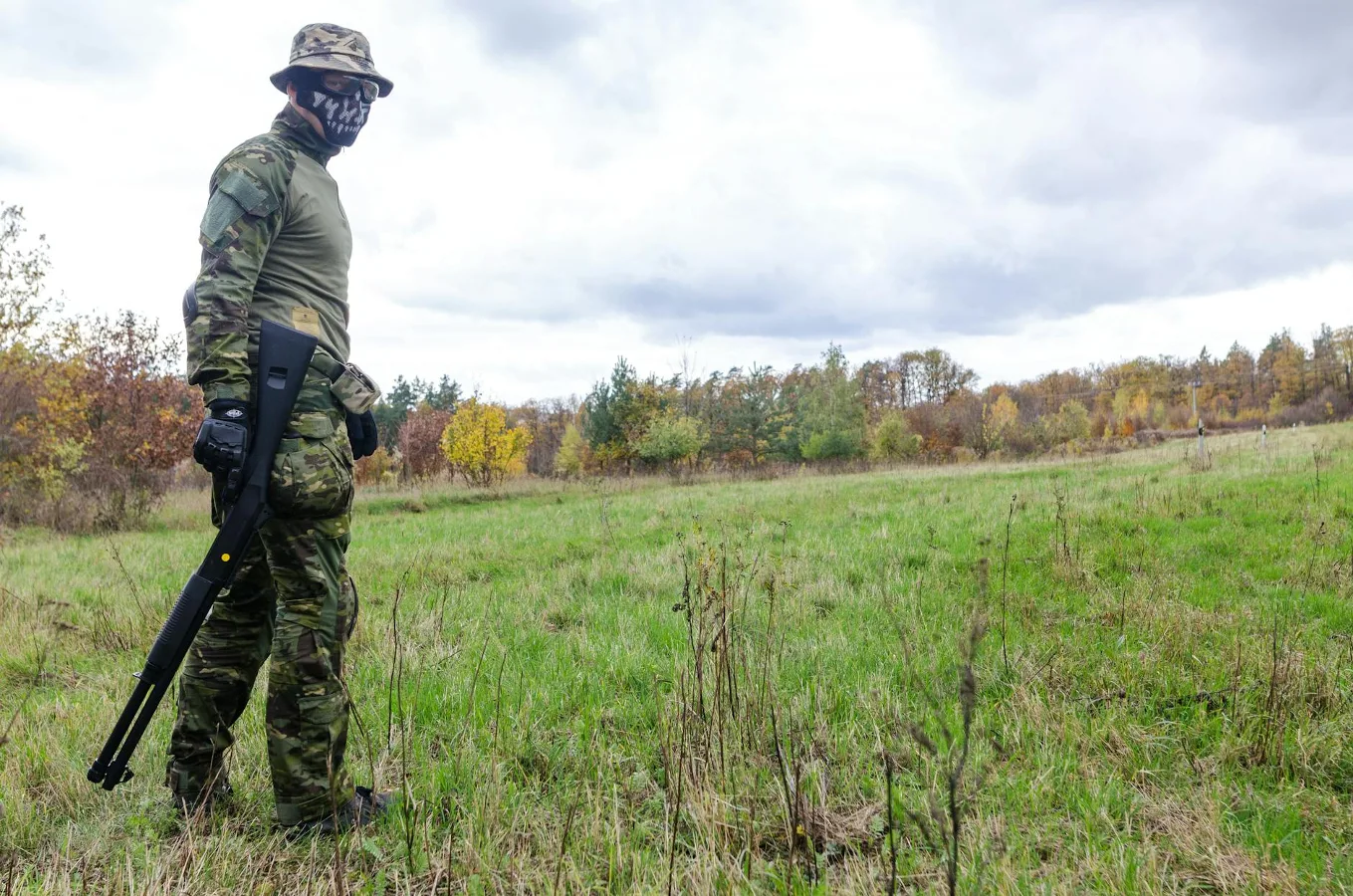
What makes an action camera right for hunting?
The best action camera for hunting is the one that fits how you actually hunt. That usually means a camera that can stay out of the way, handle rough weather, record steady footage, and last long enough for the part of the hunt you want to capture. For some hunters, that means a tiny helmet-mounted camera for quick, hands-free clips. For others, it means a more flexible camera with good stabilization, a strong battery, and reliable mounting choices for a bow, pack, blind, or chest harness. how to choose a weather-resistant camera offers more detail on this point.
Hunting adds a few pressures that casual action sports do not. Light changes fast at dawn and dusk. Cold weather can shorten battery life. Gloves can make controls harder to use. A camera that looks great on paper can still be frustrating if it is noisy to operate, awkward to mount, or difficult to manage in the field. action camera battery life tips offers more detail on this point.
If you want the short answer: look for a compact action camera with solid stabilization, weather resistance, easy mounting compatibility, and the best low-light performance you can get within your budget. After that, prioritize battery strategy and controls. Those two factors often matter more in the field than flashy video modes. camera mounting options for the field offers more detail on this point.
Start with the hunting scenario, not the spec sheet
Hunters do not all need the same camera. The right choice depends on the type of hunt, the amount of movement involved, and whether you want footage for memory, content creation, or review.
For bow hunting
Bow hunters often want a camera that is light, compact, and easy to position without interfering with draw cycle or anchor point. A small camera with a chest mount, shoulder mount, or side-mounted setup is often easier to manage than a bulky unit. Quiet operation matters here too, because clicks, beeps, or bright screen activity can be distracting at close range.
For rifle hunting
Rifle hunters may have a little more flexibility with mounting and camera placement, but field of view still matters. A very wide lens can make the animal look farther away than it really is, while a tighter view can make aim and follow-through easier to review later. If the goal is to document the hunt rather than build social content, clarity and stability usually matter more than dramatic perspective.
For blind, stand, or fixed-position hunts
In a blind or tree stand, battery life and low-light performance become more important. You may be sitting through long periods of waiting, then filming short action moments at dawn or dusk. A camera that can stay mounted securely and continue recording without constant attention is often the more practical option.
For backcountry or remote hunts
Remote hunts place extra emphasis on portability, power management, and weather protection. If charging options are limited, removable batteries, USB-C charging, or portable power bank compatibility can matter a lot. A camera that is easy to pack but not easy to keep powered may be a poor fit.
The trade-offs that matter most
There is no perfect hunting action camera. Every useful feature comes with a compromise, and the best purchase depends on which compromise you can live with.
- Wide-angle lens vs. natural framing: A wide lens captures more of the scene and is useful for action, but it can distort distance and make subjects appear smaller.
- High resolution vs. battery life: Higher-resolution recording can be helpful for detail, but it often uses more power and storage.
- Image stabilization vs. crop: Strong stabilization can make footage smoother, but some systems slightly crop the frame or reduce flexibility.
- Smaller body vs. easier handling: Compact cameras are easier to carry and mount, but tiny controls can be harder to use with gloves or cold fingers.
- Touchscreen convenience vs. field durability: Touchscreens are simple in camp or at home, but physical buttons may be easier to use quietly in rough conditions.
One common misconception is that the most expensive camera is automatically the best hunting camera. In practice, a midrange camera with good stabilization, dependable mounts, and sensible battery management often makes more sense than a premium model loaded with features you will never use.
Material and build factors to pay attention to
Hunting cameras live a harder life than indoor gear. They get bumped, packed, exposed to moisture, and handled in cold conditions. Build quality matters, but so do the details behind it.
Weather resistance
Look for a camera that can handle damp mornings, light rain, snow, or dusty conditions common in the field. Some action cameras need a protective housing for deeper weather protection, while others are designed with stronger sealing from the start. If your hunts often involve wet brush, early frost, or river crossings, this should be near the top of your list.
Lens protection
A camera can be weather resistant and still be vulnerable to scratches. A replaceable lens cover or protective filter can be a practical advantage if the camera will ride in a pack or get mounted where branches and brush are a concern. A scratched lens can ruin otherwise useful footage.
Buttons and controls
Small, tactile controls are often easier to use than delicate touch-only systems in cold weather. If you plan to wear gloves or use the camera in dim pre-dawn conditions, check whether the most important functions are easy to reach without fumbling.
Mounting points and accessories
For hunting, compatibility is a bigger deal than many buyers expect. The camera itself may be excellent, but if it does not work smoothly with chest mounts, head straps, bar mounts, rail mounts, or a tripod adapter, it may be awkward in real use. A camera with a broad accessory ecosystem gives you more flexibility across different hunts.
Specifications that actually affect hunting use
Action camera marketing tends to highlight resolution first, but other specs often matter more in the woods.
| Spec or feature | Why it matters for hunting | What to look for |
|---|---|---|
| Battery performance | Long sits and cold weather can drain power quickly | Reasonable battery life, swappable batteries, or external power support |
| Image stabilization | Walking, climbing, and mount movement can make footage shaky | Reliable stabilization without making the frame feel overly cropped |
| Low-light performance | Many hunts happen at dawn, dusk, or in heavy cover | Cleaner footage in dim light, not just strong daytime sharpness |
| Field of view | Changes how close animals and terrain appear on video | A view that fits your style, whether wide or more natural-looking |
| Audio capture | Wind, brush, and movement can overwhelm usable sound | Decent on-device audio or support for an external mic if needed |
| Storage support | Longer outings create more footage to manage | Compatible memory cards and easy file transfer |
Do not overvalue resolution alone. A sharp 4K file is not very useful if the footage is shaky, underexposed, or cut short by a dead battery. For hunting, the more balanced camera is often the better camera.
Battery life, cold weather, and power planning
Battery management is one of the most overlooked parts of choosing a hunting action camera. Cold temperatures can reduce available battery performance, and recording continuously can drain power faster than expected. If you hunt in late season or spend long hours in a stand, plan for power as part of the purchase, not as an afterthought.
Useful questions to ask before buying include:
- Can the camera use swappable batteries?
- Does it support USB-C charging in the field?
- Can it run from a power bank if needed?
- How easy is it to change batteries without missing the moment?
Some hunters prefer spare batteries in an inside pocket to keep them warmer until needed. That is a simple field habit, but it only helps if the camera’s battery design makes swaps quick and reliable. If the battery compartment is awkward or the camera uses a proprietary setup that is hard to source, the convenience drops fast.
Mounting matters more than many buyers think
Even a strong camera can be disappointing if the mount is wrong. A hunting camera should stay secure, stay pointed where you need it, and avoid creating noise or interference. The best mount depends on what you are trying to capture.
- Chest mounts are useful for immersive footage and hands-free operation.
- Head or helmet mounts can follow your line of sight, but they are not ideal for every hunter or every setup.
- Weapon mounts can be effective for documenting aim and shot placement, but they need to be secure and used carefully.
- Tripods and small supports work well in blinds or fixed locations.
A practical nuance: the best view for filming is not always the best view for hunting. A camera mounted where it is easy to see may also get in the way, catch brush, or draw attention. Many hunters end up preferring a slightly less dramatic angle that stays stable and unobtrusive.
Low-light performance is a bigger deal than most shoppers realize
Hunting often starts before sunrise or stretches into evening shadows. That makes low-light behavior one of the most important decision factors, even if it is not the headline feature on the box.
In dim settings, some cameras become noisy, muddy, or slow to focus. Others handle dawn and dusk more gracefully, but still need enough ambient light to produce useful detail. If your hunts often happen under tree cover, in thick brush, or from a shaded blind, choose a camera with a reputation for handling changing light well rather than chasing the highest resolution number.
There is also a trade-off between a wide-angle view and low-light performance. Wide lenses can be great for action, but they may make animals appear smaller and farther away in the frame. If your goal is to review shot placement or record a clear moment of contact, a slightly tighter framing can be easier to watch later.
Common mistakes when buying a hunting action camera
Most regrets come from choosing based on feature lists rather than field use. These are the mistakes that come up again and again.
- Buying for video specs only: A great resolution rating does not guarantee usable hunting footage.
- Ignoring mount compatibility: If the camera is hard to position, it may sit unused.
- Underestimating battery needs: Long sits and cold weather can make power planning essential.
- Choosing a camera that is too large: Bulky gear can be awkward on a bow, helmet, or chest setup.
- Overlooking audio needs: Wind can overwhelm sound, so built-in audio quality may matter less than expected unless you plan around it.
- Skipping weather protection: Moisture and brush are normal parts of hunting, not edge cases.
Another overlooked factor is how much time you want to spend managing the camera. If you want to stay focused on the hunt, a simple camera with easy controls and predictable behavior may be a better fit than a feature-heavy model that needs constant adjustment.
Alternatives if an action camera is not the best fit
Not every hunter needs a traditional action camera. Depending on your goal, another camera category may be a better match.
- Trail cameras are better for monitoring property, patterns, and game movement over time, but they are not built for first-person hunting footage.
- Compact mirrorless or point-and-shoot cameras may offer stronger image quality, but they are usually less rugged and less convenient to mount.
- Smartphone rigs can work for casual filming, though they are rarely the best option in harsh outdoor conditions.
If your goal is to document the hunt itself, an action camera usually makes the most sense. If your goal is scouting, pattern tracking, or long-term observation, a trail camera may serve you better. Matching the tool to the job matters more than picking the most versatile-sounding device.
How to narrow your choice before you buy
A simple way to choose the best action camera for hunting is to rank your priorities before you compare models. Start with the use case, then move through the features that actually affect it.
- Pick the hunt style: bow, rifle, blind, stand, or backcountry use.
- Choose the mount first: chest, head, weapon, or fixed position.
- Check battery options: swappable cells, USB-C, or external power.
- Look at low-light behavior: especially for dawn and dusk use.
- Confirm accessory support: mounts, housings, and memory card compatibility.
- Decide how much control you want: simple operation is often better in the field.
If two cameras look similar, the deciding factor is often not image quality. It is usually whether one is easier to live with outdoors: simpler to mount, quicker to charge, more comfortable to carry, and less annoying to operate in cold or low light.
What a smart first purchase usually looks like
For most hunters, the smartest first buy is a compact, weather-resistant action camera with strong stabilization, dependable battery management, and flexible mounting support. That combination covers the widest range of real hunting conditions without locking you into a complicated setup. If your hunts are mostly in a blind or stand, lean harder on battery life and low-light behavior. If you move a lot or want immersive footage, prioritize size, mounting options, and stabilization.
The best action camera for hunting is not the one with the longest feature list. It is the one that stays usable when your hands are cold, the light is fading, and the moment you want to capture happens quickly. Keep that standard in mind, and the right choice becomes much easier to spot.
