
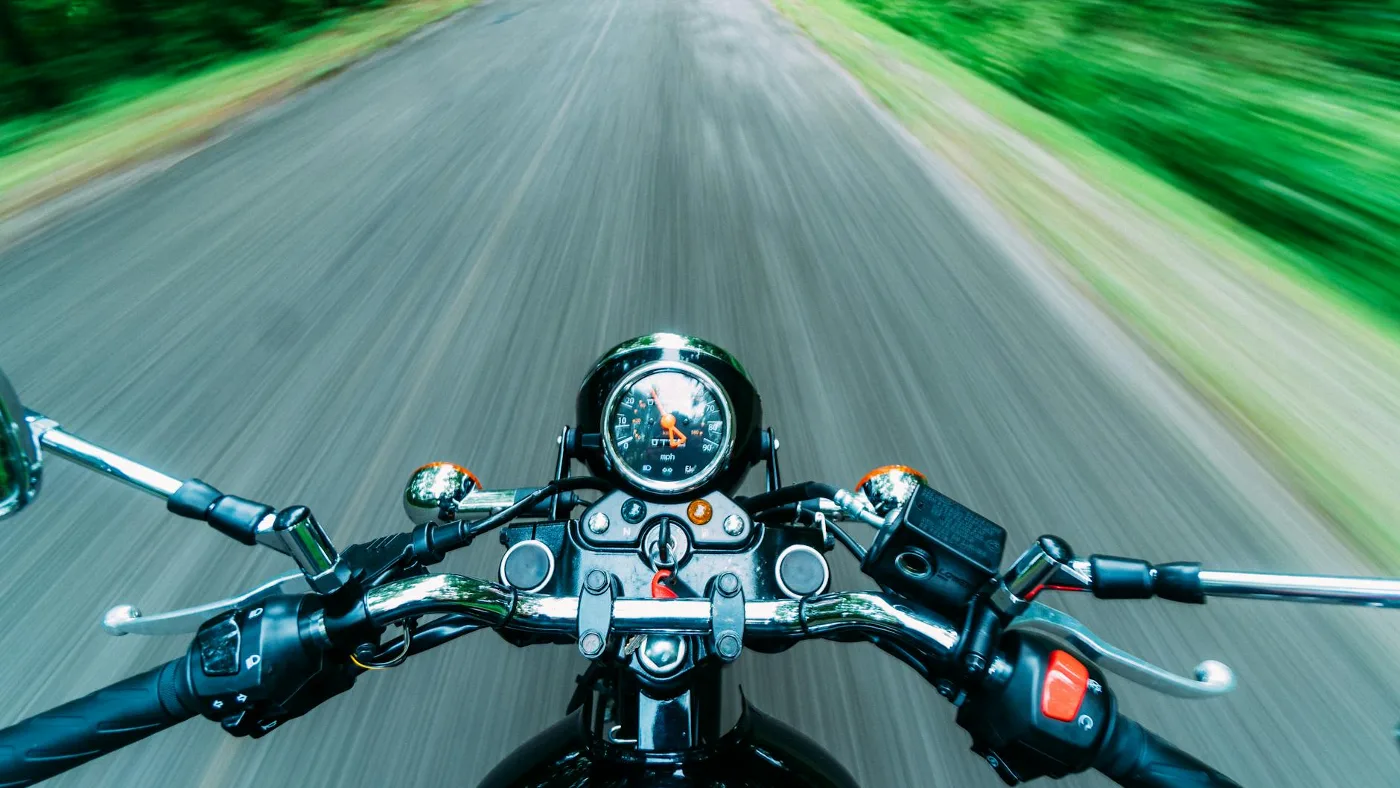
Quick answer: what a handlebar action camera mount does best
A handlebar action camera mount attaches an action camera to a bike, scooter, motorcycle, or similar bar-shaped surface so you can record a forward-facing view with a relatively simple setup. For most buyers, the main job is not just holding the camera, but holding it securely while limiting shake, fitting the correct handlebar diameter, and allowing a useful shooting angle. how to reduce camera shake offers more detail on this point. bike-friendly camera setups offers more detail on this point.
If you are shopping for one, start with three questions: Will it fit my bars? Will it stay secure under vibration? Can I aim the camera where I actually want it? Those three details matter more than brand styling or accessory bundles.
Handlebar mounts are popular because they are practical and usually easy to install, but they are not automatically the best option for every rider or every camera angle. They work especially well for forward road views, commute footage, and general ride documentation. They can be less ideal if you want very smooth footage on rough surfaces, a wide unobstructed field of view, or a camera position that is protected from crashes and road spray. best mounts for cycling footage offers more detail on this point.
How to choose the right handlebar action camera mount
The right mount is the one that matches your riding setup and your filming goal. A mount that looks sturdy on paper can still be a poor choice if it does not match the handlebar shape, leaves too much play, or forces the camera into a awkward angle.
1. Check the handlebar fit first
Fit is the first filter because a mount only works if it clamps correctly. Some mounts are designed for round handlebars, while others are more flexible and can work across a wider range of bar shapes and diameters. Measure your handlebar or check the manufacturer specifications for compatibility before buying.
Also look at nearby space. A mount may technically fit but still interfere with brake cables, shifters, bells, phone holders, or lights. On crowded bars, even a compact mount can become a nuisance if it crowds the cockpit.
2. Look for a secure clamp rather than a loose grip
The clamp or strap mechanism matters as much as the camera adapter itself. A good handlebar mount should feel stable once tightened and should not twist easily when the bike vibrates or the camera is adjusted. For many users, a stronger clamp design is worth more than extra accessories they may never use.
For rough roads, gravel, or off-road use, a mount that resists rotation is especially important. A mount that slowly drifts out of position can ruin footage even if the camera never falls off.
3. Consider vibration control honestly
Handlebar mounting creates a direct connection to the frame, so it will always pick up more vibration than a body-mounted setup in many situations. That is a common misconception: a solid mount is not the same as a smooth video result. A rigid setup can keep the camera secure while still transmitting road buzz into the footage.
If your routes include rough pavement, cobblestones, or trail chatter, look for features that help with vibration damping or some form of shock isolation. Even then, it helps to keep expectations realistic. A handlebar mount is typically chosen for convenience, perspective, and stability, not for cinema-level smoothness.
4. Make sure the angle adjustment is useful, not just present
Many mounts advertise adjustable joints, but not all of them hold their position equally well. The useful question is whether the mount can be aimed slightly upward, level, or downward without slipping. A small range of reliable adjustment is often more valuable than a broad range that does not stay locked.
Think about your intended shot before you buy. A forward road view, a partial cockpit view, and a low front-wheel view all require different positioning. If the mount sits too high or too far forward, the footage may be dominated by handlebars, cables, or a helmet visor rather than the ride itself.
5. Match the mount to the camera weight and form factor
Not every action camera setup behaves the same way. A compact camera tends to put less stress on the mount than a larger body, a bulky protective cage, or a setup with an external mic adapter. The more weight and leverage the camera adds, the more important clamp strength becomes.
If you use a camera with a wide or tall housing, check that the mount places it where it will not hit adjacent accessories during steering or over bumps. A mount that seems fine in a static position may become awkward once the bars turn fully.
6. Think about release speed and daily convenience
Some riders want a mount that stays on the bike all the time. Others want a quick way to remove the camera between stops. If you expect to take the camera on and off often, convenience matters. A mount that is secure but inconvenient can become annoying quickly, especially for commuting or multi-stop trips.
A quick-release design can be useful, but only if it remains positively locked in place. Convenience should never come at the expense of security. For a camera mounted low and exposed to road spray or vibration, a simple and dependable interface is often the smarter choice.
Handlebar mount vs. common alternatives
It helps to compare handlebar mounting with other action camera positions before making a purchase. Each option solves a different problem.
| Mount type | Best for | Trade-off |
|---|---|---|
| Handlebar mount | Forward-facing ride footage, simple setup, easy access | More vibration and exposure than some body mounts |
| Helmet mount | Point-of-view footage that follows your head movement | Can feel heavier and less stable for some users |
| Chest mount | Stable body-centered view with less handlebar clutter | Less flexible for looking around or showing the road ahead |
| Stem mount | Centered cockpit shot with a cleaner frame | May offer fewer angle choices and depend on cockpit layout |
Handlebar mounting is usually the easiest route if you want a straightforward road-facing perspective. If you want a cleaner, more centered shot, a stem mount may be worth considering. If your priority is head-tracked POV, a helmet mount can be more suitable. The right answer depends on what you want the footage to show, not just where the camera can physically attach.
Common mistakes to avoid before buying
Buying for the camera before checking the bike
One of the most common mistakes is choosing a mount based only on camera compatibility. The camera adapter may fit perfectly, but the clamp may not suit your handlebar diameter, shape, or crowded control area. Always verify the bike side first.
Ignoring cable and accessory clearance
Handlebars rarely exist in isolation. Lights, bells, GPS units, phone cradles, brake lines, and shifters all compete for space. A mount that looks compact in product photos may still block accessories or create an awkward steering path.
Assuming all vibration is a mount problem
Some shake comes from the road, the bike frame, tire pressure, and riding surface. A sturdier mount helps, but it cannot completely erase what the camera is attached to. That is why buyers should think in terms of reducing vibration, not eliminating it.
Overlooking the angle after installation
It is easy to tighten a mount, step back, and assume the angle is fine. In practice, the first test ride usually reveals whether the camera is pointed too low, too high, or slightly off-center. A little time spent adjusting before a ride can save an unusable recording later.
Choosing convenience over stability
Some mounts are designed to be extremely quick to attach, but that can mean a looser interface or fewer locking options. If the camera will live near traffic, rough pavement, or fast descents, stability should outweigh speed unless you have a very specific use case.
What separates a good mount from an annoying one
Many buyers focus on whether a mount is “universal,” but universal often just means broad compatibility rather than ideal compatibility. A better way to judge a mount is by how it behaves in everyday use.
- It tightens evenly and does not feel like it needs excessive force to hold position.
- It allows practical camera placement without blocking controls or dominating the frame.
- It stays aligned after bumps, rough surfaces, and repeated rides.
- It is easy to inspect so you can tell whether it has loosened.
- It works with your setup whether that means a bare camera, cage, or adapter.
A mount can look well made and still be frustrating if it is hard to reach, difficult to tighten while wearing gloves, or awkward to fine-tune. Ease of use matters because the best mount is the one you will actually keep using.
Use-case guidance: which riders benefit most
Handlebar action camera mounts are usually a strong fit for riders who want simple, repeatable camera placement. They are especially useful for commuting, casual cycling, scenic rides, and documentation of routes or road conditions.
They can also make sense for scooter riders and some motorcycle setups where the handlebars provide a stable mounting point. That said, exposure to wind, vibration, and road grime can be more intense on motorized vehicles, so checking clamp security and camera clearance becomes even more important.
If your goal is social content, route documentation, or a clear forward-facing ride record, a handlebar mount is often the most practical starting point. If your goal is highly cinematic footage or minimal shake on rough terrain, you may want to compare it with body-mounted options before committing.
Practical maintenance and inspection tips
A handlebar mount does not need complicated care, but it does benefit from regular checks. Mount hardware can loosen gradually with vibration, temperature changes, and repeated removal.
- Check tightness before rides, especially after the first few uses of a new mount.
- Inspect rubber inserts, straps, or pads for wear if your mount uses them for grip.
- Keep clamp surfaces clean so dirt does not reduce friction.
- Recheck alignment after long rides or rough surface use.
- Store removable parts together so adapters and screws do not get lost.
A small amount of routine attention goes a long way. Many mount problems are not product failures so much as simple loosening over time.
Who should look at other options instead
A handlebar action camera mount is not the best answer for every setup. If you want the most centered view of your riding position, a stem mount may be better. If you want the camera to follow your line of sight, a helmet mount may suit you better. If you want a stable body-centered frame with less handlebar clutter, a chest mount can be a smarter choice.
You may also want to skip handlebar mounting if your bars are extremely crowded, unusually shaped, or used for multiple accessories that need frequent adjustment. In those cases, the nicest mount in the world can become a compromise you notice every time you ride.
For many buyers, the best approach is to choose based on the shot, not the accessory. The mount should serve the footage you want, the bike you ride, and the conditions you actually face.
Final buying checklist
Before you choose a handlebar action camera mount, make sure these basics are covered:
- the clamp fits your handlebar type and diameter
- the mount clears nearby accessories and cables
- the camera position gives you the framing you want
- the locking mechanism feels secure and repeatable
- the mount suits your riding surface and vibration level
- the setup is convenient enough that you will actually use it
If you keep those points in mind, it becomes much easier to separate a genuinely useful mount from one that only looks good in a product listing. The best handlebar action camera mount is the one that fits securely, points correctly, and matches how and where you ride.
