
Which one should you buy?
If you want the short answer: choose a mirrorless camera if you care about image quality, lens flexibility, and room to grow. Choose a point-and-shoot camera if you want something smaller, simpler, and easier to carry every day.
That basic split covers most buyers, but the better choice depends on how you actually shoot. A mirrorless camera makes sense for people who want more control, better low-light performance, and the option to swap lenses. A point-and-shoot camera makes more sense for travelers, casual shooters, and anyone who wants a camera that is ready to use with very little setup. how to choose a travel camera offers more detail on this point.
The biggest mistake is buying based on specs alone. A more advanced camera is not always the better camera for your needs if it stays at home because it feels bulky or complicated.
What each camera type is designed to do
Mirrorless cameras
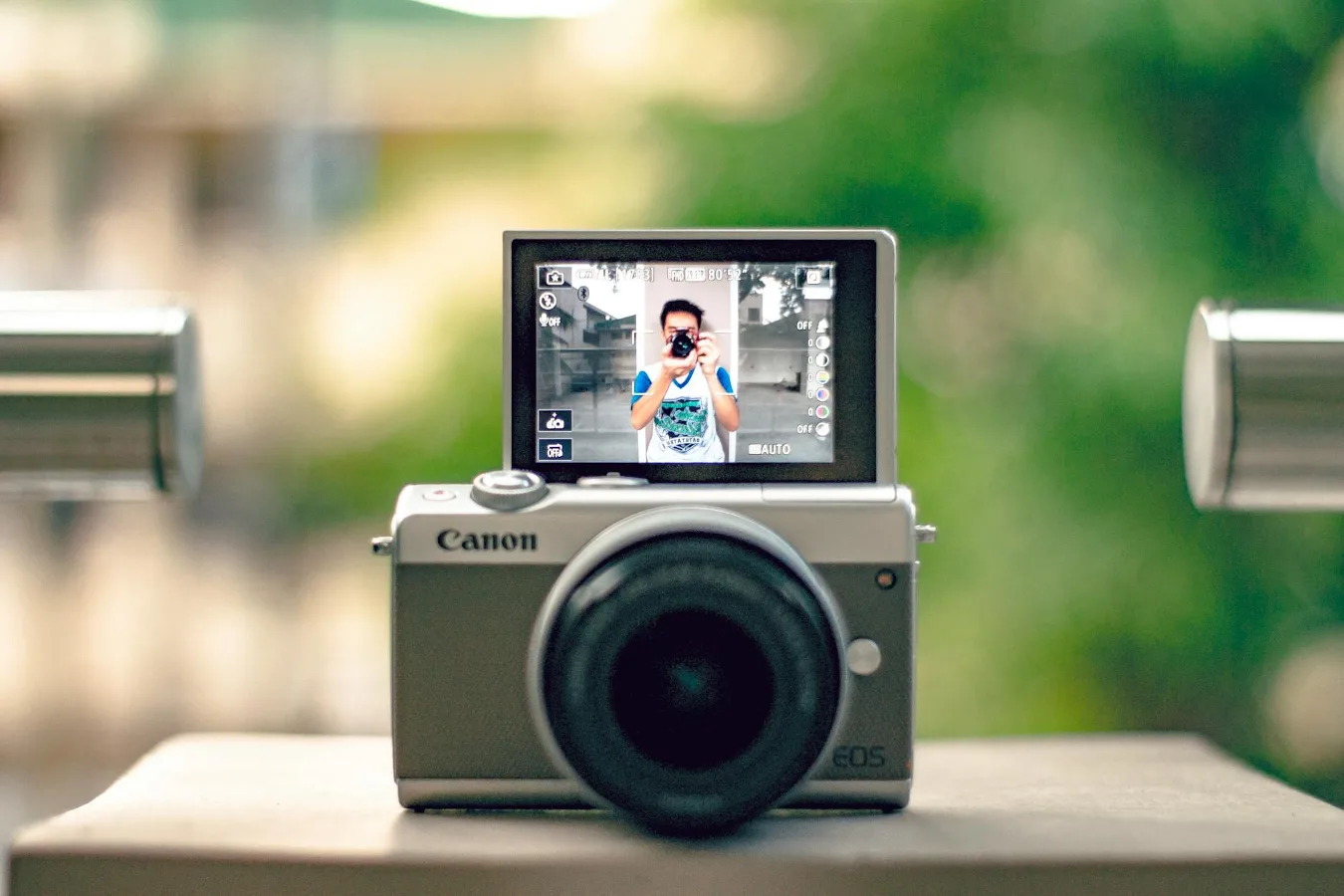
Mirrorless cameras are built around interchangeable lenses and a larger feature set. They are called mirrorless because they do not use the mirror system found in traditional DSLRs. That design helps manufacturers make bodies that are often smaller than DSLR cameras while still keeping the benefits of larger sensors, stronger autofocus systems, and more manual control.
For many buyers, the appeal is not just image quality. It is also the upgrade path. You can start with a kit lens, then add a wide-angle, telephoto, or prime lens later as your needs change.
Point-and-shoot cameras
Point-and-shoot cameras are generally built for simplicity. Most have a fixed lens, automatic exposure modes, and a compact body that slips easily into a pocket or small bag. Some models include stronger zoom ranges, while others focus on image quality in a tiny form factor.
They are designed for convenience first. If you do not want to think about lenses, settings, or carrying extra gear, this category often feels easier to live with.
The buyer scenario that matters most
Think about your most common shooting situation, not your ideal one.
- Choose mirrorless if you want to photograph kids, events, portraits, landscapes, or low-light scenes and are willing to learn a little more.
- Choose point-and-shoot if you want a simple camera for vacations, casual family photos, quick snapshots, or everyday carry.
- Choose mirrorless if you expect to expand into better lenses, creative depth of field, or more manual photography.
- Choose point-and-shoot if you value speed, light weight, and minimal setup over expandability.
A useful way to decide is to ask whether you want a camera system or a single tool. Mirrorless is usually the start of a system. Point-and-shoot is usually the end of one.
Trade-offs that actually matter
Size and portability
Point-and-shoot cameras usually win on portability. They are easier to carry, easier to store, and less likely to feel like a burden during travel or errands. That convenience is one reason many people actually use them more often than larger cameras.
Mirrorless bodies can be compact too, but the system grows once you add lenses. A small body with a large zoom lens may no longer feel especially pocket-friendly. If you hate carrying gear, that matters more than sensor size on a spec sheet.
Image quality and flexibility
Mirrorless cameras usually offer more flexibility because of larger sensors, more advanced autofocus, and the ability to choose the right lens for the shot. That can help with sharpness, subject isolation, and low-light performance, depending on the model and lens combination.
Point-and-shoot cameras vary widely. Some are very capable, but they are still limited by their built-in lens and smaller body design. If your goal is to shoot in dim indoor spaces or create more control over background blur, mirrorless often has the advantage.
Ease of use
Point-and-shoot cameras are easier for most beginners to pick up quickly. The learning curve is lower because the camera does much of the work automatically. That makes them appealing for users who do not want to deal with lens choices or complex menus. best cameras for beginners offers more detail on this point.
Mirrorless cameras are still approachable, but they ask more of the user. You may need to think about aperture, shutter speed, ISO, autofocus modes, and which lens best fits the subject. That is not necessarily a problem, but it does change the experience.
Cost beyond the body
One overlooked consideration is the full cost of ownership. Mirrorless cameras can look affordable at first, but lenses, batteries, memory cards, and accessories add up. A point-and-shoot camera usually has a simpler total cost because the lens is already built in. mirrorless camera vs full frame offers more detail on this point.
This is one reason some buyers end up happier with a high-quality compact camera than with an entry-level mirrorless body they cannot fully support with lenses.
Material and spec factors to compare before buying
You do not need to memorize a technical checklist, but a few specs can help you avoid regret.
| Factor | Why it matters | What to think about |
|---|---|---|
| Sensor size | Often affects image quality, low-light performance, and depth of field control | Mirrorless models usually have larger sensors than point-and-shoot cameras, though not always |
| Lens type | Determines versatility and convenience | Fixed lenses keep things simple; interchangeable lenses expand what the camera can do |
| Autofocus | Impacts how well the camera tracks people, pets, or action | Mirrorless cameras often offer stronger subject tracking, especially in more advanced models |
| Zoom range | Useful for travel, kids, sports, and casual shooting | Point-and-shoot cameras may offer built-in zoom without extra lenses |
| Battery life | Matters on trips and long shooting days | Smaller cameras may need more frequent charging, so check real-world expectations carefully |
| Controls | Affects speed and comfort of use | More physical controls can help enthusiasts; fewer controls can help casual users |
If you are comparing models, also pay attention to grip comfort, menu design, viewfinder availability, image stabilization, and how easy the camera is to carry with your usual bag or jacket.
Common misconceptions
“Mirrorless is always better.” Not for every person. A compact camera that you actually bring with you can produce better results for your life than a more advanced camera that stays on a shelf.
“Point-and-shoot cameras are only for beginners.” Some are, but many experienced photographers keep a compact camera for travel or casual shooting because convenience matters.
“A bigger camera automatically takes better photos.” The lens, the scene, and the person using the camera matter just as much. In some situations, a smaller camera is simply more practical.
Best fit by use case
Travel
For travel, point-and-shoot cameras are often the easier choice if you want the lightest possible setup. Mirrorless makes more sense if you want better subject control, stronger performance in varied lighting, or the option to carry a favorite zoom or prime lens.
Family and everyday photos
If you mainly shoot family moments, a point-and-shoot camera is often easier to keep nearby and ready. If you want better results indoors, more control over portraits, or more responsiveness for active kids, mirrorless is the stronger option.
Learning photography
Mirrorless cameras are usually the better learning tool because they expose you to more of the craft. You can learn how exposure works and why different lenses change the look of a photo. A point-and-shoot camera can still teach composition, timing, and light, but it offers fewer creative controls.
Content creation and hobby work
If you expect to shoot product photos, portraits, video, or more intentional projects, mirrorless offers a clearer path forward. If your use is mostly casual and you want fewer decisions, point-and-shoot remains the simpler choice.
Where each option falls short
Mirrorless cameras can feel like too much camera for someone who does not want to manage lenses, settings, or extra batteries. They may also be physically larger once the full kit is packed.
Point-and-shoot cameras can feel restrictive if you outgrow the fixed lens or want stronger performance in challenging light. Some users also find that the smaller controls are less comfortable for long sessions.
The practical question is not which category is more advanced. It is which one fits your habits without creating friction.
What to do next
If you are still undecided, compare two real examples in each category rather than comparing the categories in the abstract. Look at how each camera feels in the hand, how easy it is to carry, whether the menu system makes sense, and whether the lens options match your usual subjects.
A good shortlist often looks like this:
- One mirrorless camera for flexibility and future growth
- One point-and-shoot camera for simplicity and portability
- One alternative you had not considered, such as a premium compact or a smaller mirrorless kit
That approach keeps you focused on real use instead of marketing language. The best camera is the one you are comfortable bringing everywhere.
FAQ
Is a mirrorless camera better than a point-and-shoot camera?
Not automatically. Mirrorless cameras usually offer more control and better upgrade potential, while point-and-shoot cameras are easier to carry and use.
Which is better for beginners?
Point-and-shoot cameras are easier at first. Mirrorless cameras are often better for beginners who want to learn photography seriously and do not mind a learning curve.
Which is better for travel?
It depends on your travel style. Point-and-shoot cameras are easier to pack and carry. Mirrorless cameras are better if you want more image quality and flexibility.
Can a point-and-shoot camera take good photos?
Yes. A good compact camera can take excellent photos for everyday use, especially when convenience matters more than creative control.
Should I buy a mirrorless camera if I only shoot casually?
Only if you want the extra control and are willing to carry it. If simplicity is your priority, a point-and-shoot camera may be the better fit.
