
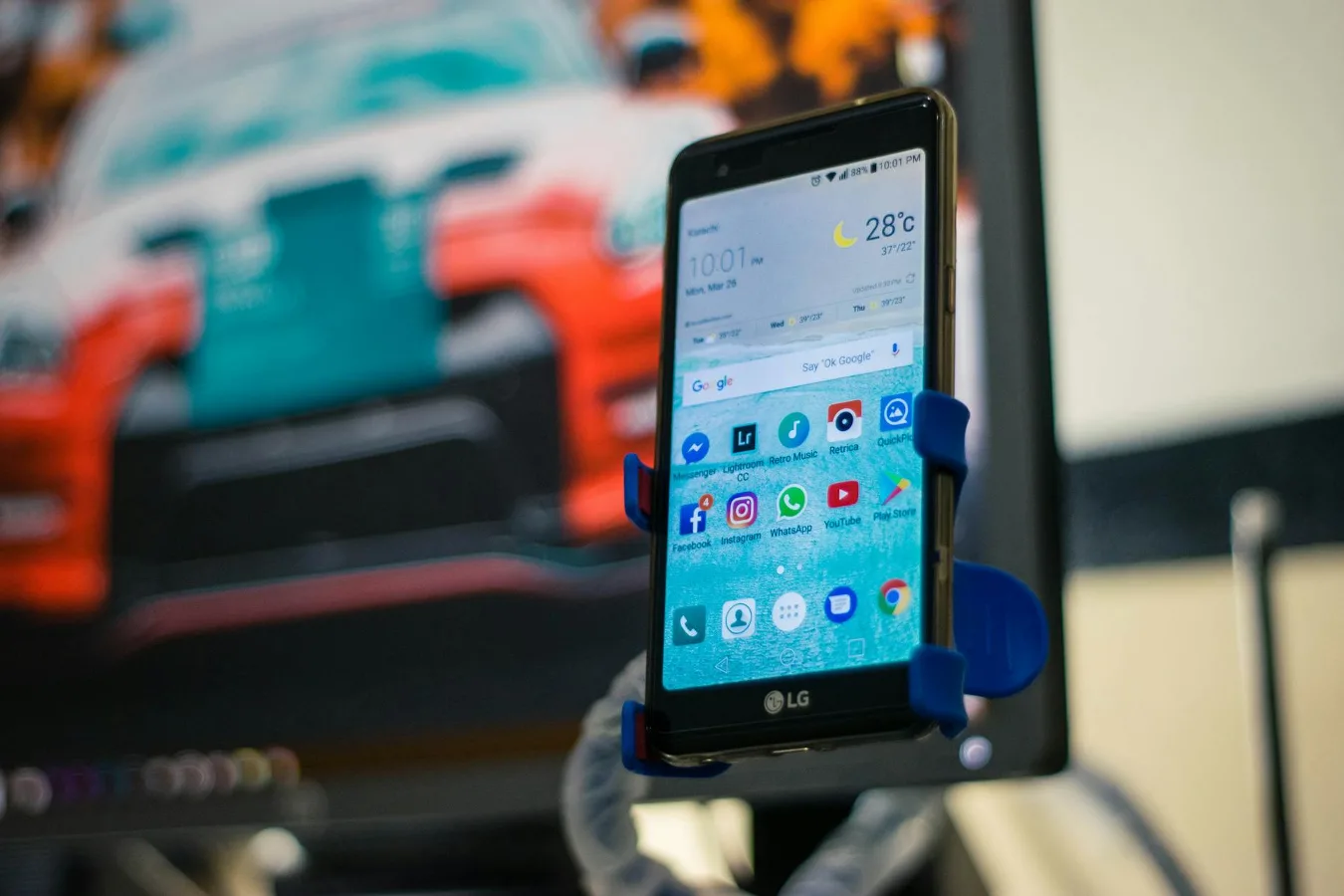
A MagSafe phone car mount is a magnetic holder designed to keep a compatible iPhone secure and visible while driving. For most buyers, the real decision is not whether to get one, but which style fits your car, your case, and whether you want charging built in. iPhone charging accessories offers more detail on this point.
The best MagSafe car mount for one driver may be a poor fit for another. A compact vent mount can work well for short commutes, while a dashboard or windshield mount often gives a better viewing angle for navigation. If you want to charge your phone on the road, the mount needs to do more than hold the device—it also has to align well with your phone and your vehicle’s power setup.
Start with your driving setup, not the product listing
The smartest way to shop for a MagSafe phone car mount is to begin with your own routine. Ask where you normally want the phone positioned, how often you use navigation, and whether you prefer charging while driving. Those answers narrow the field faster than comparing magnet strength claims or accessory bundles.
Daily commuters usually want something quick to attach and easy to glance at without looking far off the road. Drivers who use their phone mainly for maps may value a steadier, more adjustable mount. Rideshare drivers often need a setup that keeps the phone accessible without blocking climate controls or cup holders. Road-trippers may care more about long-term comfort, especially if the mount will stay in place for hours at a time.
Choose the mounting style that suits the car interior
MagSafe phone car mounts generally come in a few common styles, and each has trade-offs.
- Vent mounts are usually compact and easy to install, but they depend on the shape and strength of the vent slats. Some vents can sag under repeated use, and some placements may interfere with airflow.
- Dashboard mounts can provide a stable viewing position and often work well for navigation, but surface texture matters. Not every dashboard accepts adhesive or suction equally well.
- Windshield mounts often give flexible positioning, though they can be more noticeable and may not be welcome in every state or vehicle layout.
- Charging mounts combine magnetic holding with power delivery, which is useful if you rely on maps, music, or hotspot use during longer drives.
A common misconception is that all MagSafe mounts behave the same once the magnet clicks into place. In practice, mounting method matters just as much as magnetic alignment. A strong magnet does not fully solve a weak vent clip or an unstable adhesive pad.
Compatibility is the first filter
MagSafe works best with iPhones and cases designed to support the magnetic ring. If you use a case, make sure it is genuinely MagSafe-compatible rather than just “magnetic” in a loose sense. That difference matters because a case may attach to the mount without offering the same alignment or charging reliability. phone cases that work with MagSafe offers more detail on this point.
Not every iPhone user needs a charging mount. If your battery typically lasts through the day and you only need a secure holder, a simple magnetic mount may be enough. If you regularly run navigation, stream music, or take long calls, charging support becomes more useful.
It also helps to think about phone size. Larger phones can feel heavier on a mount, especially if you drive on rough roads or use a case with extra weight. A mount that feels fine with a lighter phone may shift or droop once a larger device is attached. That is less about MagSafe itself and more about the stability of the mounting arm, swivel joint, or vent clip.
Trade-offs that matter more than marketing claims
Many shoppers focus on magnet strength, but the practical experience depends on several other factors.
- Stability versus convenience: A mount that is very quick to attach may not always be the most stable during sharp turns, potholes, or frequent phone adjustments.
- Visibility versus discretion: A high-position mount can be easier to see, but it may also be more obvious in the cabin or obstruct part of the windshield view.
- Charging versus heat: Charging adds convenience, but it can also introduce heat buildup, especially in hot weather or when the phone is doing navigation and wireless charging at the same time.
- Flexible positioning versus long-term rigidity: Adjustable arms are helpful, but more moving parts can sometimes mean more wobble over time.
One overlooked consideration is how often you remove the phone with one hand. A mount that feels secure when parked may still be annoying if it takes too much force to detach at every stoplight. The best setup is one you can use smoothly without distracting yourself from driving.
Material and build details worth checking
Materials affect both durability and day-to-day feel. A MagSafe phone car mount with a solid ball joint, reinforced arm, or well-made clip tends to hold position better than a flimsy design that flexes whenever the phone is touched. If the mount uses adhesive, the quality of the pad and the surface prep matter as much as the mount itself.
Look closely at the contact points. Soft-touch padding can help protect the phone and reduce rattling. A vent clip with a secure grip may be more reliable than a cheaper hook design that slips on thicker or unusually shaped vents. If the mount has a rotating head, test mentally whether that joint looks sturdy enough to keep the phone level over time.
For charging models, cable routing is part of the build quality story. A clean cable path reduces clutter and makes the setup feel intentional instead of improvised. If the mount depends on a separate charging cable, think about where the cable will run, whether it blocks controls, and whether it will be easy to unplug when leaving the car.
Where the mount goes can matter more than the mount itself
Placement affects safety, comfort, and how often you will actually use the accessory. A mount placed too low may force you to glance away from the road more often. One placed too high may be visually distracting or awkward to reach. The ideal position is usually within natural line of sight, but not so central that it competes with the road ahead.
If your car has a small cabin, placement is especially important. A vent mount may be convenient, but it can block climate airflow or make the phone sit too close to the controls. A dashboard mount may solve that, but only if the dashboard surface is suitable. Drivers with curved or textured interiors often need to be more selective than the product description suggests.
Another practical nuance is that some phone holders can shift with temperature changes. Adhesives and suction surfaces may behave differently in hot or cold conditions. If your car sits outdoors a lot, that should influence the style you choose.
When a charging mount makes sense
A MagSafe charger for car use is most helpful when your phone is doing a lot of work on the road. Navigation, Bluetooth audio, hotspot sharing, and bright screen use all drain battery faster. For drivers who spend long stretches in the car, charging can remove battery anxiety and reduce the need for separate cables.
That said, charging mounts are not automatically the best choice. They are usually a better fit for drivers who value convenience and cleaner cable management. If you only take short drives, the added complexity may not be worth it. If you already keep a cable in the car and rarely need wireless charging, a standard magnetic mount may be simpler and less expensive.
Also consider that wireless charging can be sensitive to alignment. A case that is too thick, poorly centered, or not designed for MagSafe can reduce the quality of the experience. The mount may still hold the phone, but charging may be inconsistent or slower than expected.
Common mistakes buyers make
People often buy a mount based on one feature and overlook the rest of the setup. That usually leads to disappointment.
- Choosing a mount without checking vent style or dash material. A product may look universal and still be a poor match for the car.
- Assuming every case is MagSafe-ready. Magnetic attachment and true MagSafe compatibility are not always the same thing.
- Ignoring phone weight. Larger phones can stress weaker mounts.
- Overlooking cable placement. Charging mounts need a practical power route, not just a strong claim on the box.
- Prioritizing magnet strength over mounting stability. A secure magnet cannot fully compensate for a bad clip or poor adhesive.
Another mistake is treating all use cases as equal. A commuter who only checks maps at stoplights does not need the same setup as a delivery driver who handles the phone constantly. Match the mount to the pace of your driving.
How to narrow down the right option
If you want a simple decision path, start with three questions. First, do you want charging or just holding? Second, where in the car will the mount sit most naturally? Third, does your case support MagSafe properly? Those answers eliminate many mismatched products before you compare extras.
Then look at the details that affect daily comfort: angle adjustment, ease of one-handed placement, grip on your car surface, and whether the mount interferes with airflow or visibility. A practical MagSafe phone car mount should disappear into the driving routine. If you keep noticing it, that is usually a sign the fit is off.
Good next steps before you buy
Measure or inspect the likely mounting area in your car, especially if you are considering a vent clip or adhesive dashboard option. Check whether your phone case is labeled MagSafe-compatible, and decide whether you want the simplicity of a non-charging mount or the added convenience of wireless power. car phone mount wireless charging offers more detail on this point.
If you regularly switch vehicles, choose a style that is easier to move without leaving residue or relying on a highly specific surface. If your car interior is unusual, avoid assuming that the most popular style will work best. A less common mounting method may fit your vehicle more cleanly.
For most buyers, the best MagSafe phone car mount is the one that balances secure hold, clear visibility, and a setup that suits the car rather than fighting it. The details may seem small, but they are what determine whether the mount feels effortless or annoying every time you drive.
