
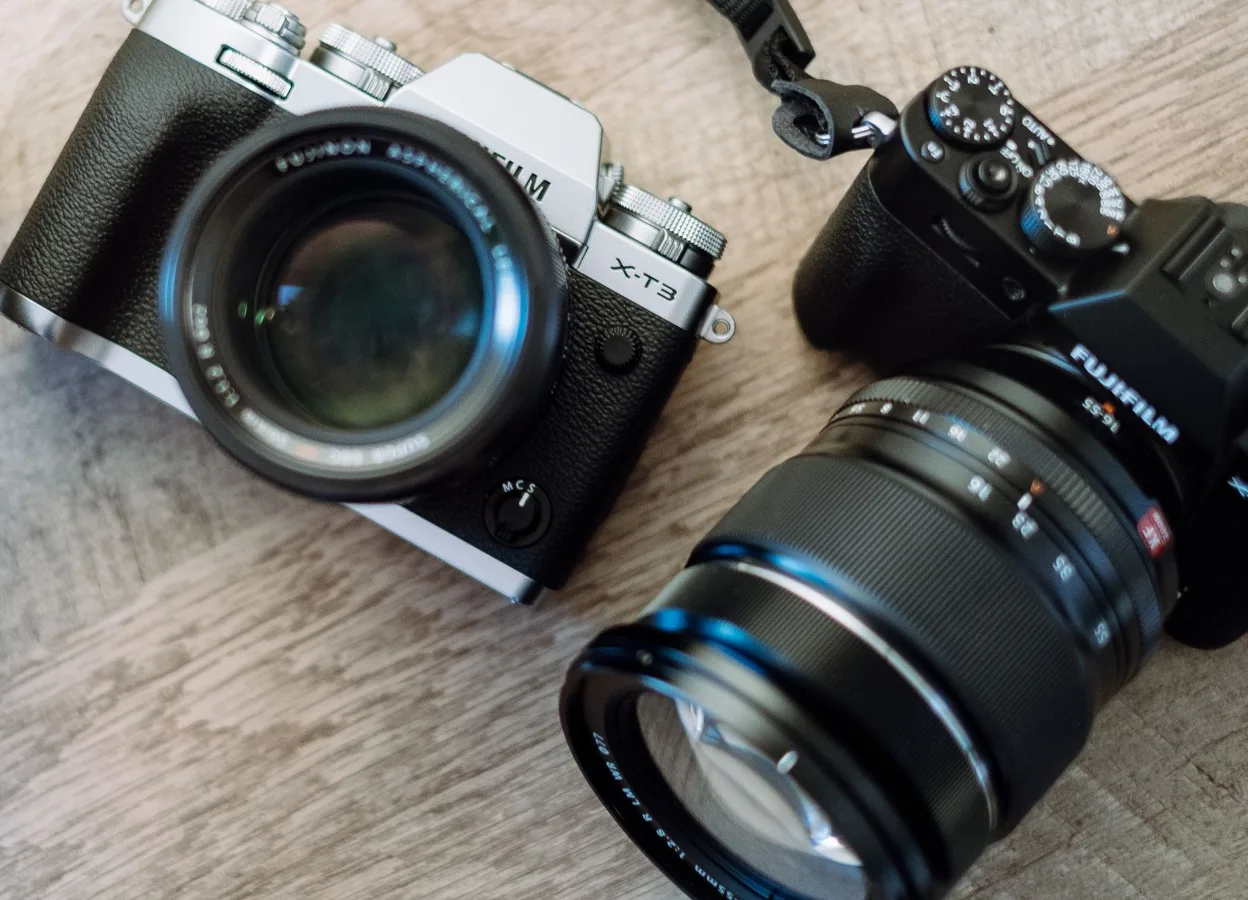
If you want the best travel mirrorless camera, focus on the balance between image quality, portability, and lens flexibility. The right choice is usually the one you can comfortably carry all day, use quickly in changing light, and pack without turning every outing into a gear decision. travel camera buying guide offers more detail on this point.
For most travelers, that means a compact mirrorless body with strong autofocus, reliable battery life, and at least one practical zoom or small prime lens option. The ideal camera depends on how you travel: city breaks, hiking trips, family vacations, solo photography, or content creation each put different demands on the system. how to choose a compact camera offers more detail on this point.
Quick answer: what makes a travel mirrorless camera worth buying?
The best travel mirrorless camera is the one that stays out of the way until you need it. In practical terms, that usually means a camera that is small enough for daily carry, fast enough to capture moments on the move, and versatile enough to handle landscapes, street scenes, portraits, and indoor shots without constant compromise.
Instead of chasing the largest sensor or the most advanced feature list, start with these priorities:
- Portability: A body and lens combination you will actually bring along.
- Image quality: Enough detail and dynamic range for your typical shooting and editing habits.
- Lens ecosystem: Access to compact zooms or small primes that suit travel.
- Autofocus speed and tracking: Helpful for people, pets, action, and candid moments.
- Battery life and charging options: Especially important for long days away from a charger.
- Durability and weather resistance: Valuable if your trips involve dust, rain, or rough handling.
A common misconception is that the best travel camera must be the smallest possible camera. Tiny gear is appealing, but if it sacrifices handling, battery life, or lens quality too much, it can become frustrating on longer trips. A slightly larger mirrorless setup is often the better travel choice if it still fits your carry style.
How to compare travel mirrorless cameras
The best way to compare options is to think in shooting situations rather than specs alone. Travel photography is broad, so the camera should match the kind of images you want to bring home.
1. Size and weight
Portability is usually the first filter. A travel camera should fit your bag, your grip, and your routine. A body that feels fine in a store can feel bulky after a full day of walking, public transit, or airport security checks.
Also consider the lens, not just the body. A compact body paired with a large lens may be less practical than a slightly bigger body with a smaller, better-balanced lens. For travel, the whole setup matters more than the camera alone.
2. Sensor format
Sensor choice affects image quality, low-light performance, depth of field, and system size. Full-frame mirrorless cameras can deliver excellent results, but they often require larger lenses and can be heavier overall. APS-C mirrorless systems are often a sweet spot for travel because they can offer strong quality in a more portable package. Micro Four Thirds systems can be even more compact and are worth considering if small lenses are a top priority.
There is no universal winner. If your trips involve lots of evening shooting, indoor scenes, or you like more control over background blur, a larger sensor may be attractive. If you value a lighter bag and more compact lenses, a smaller sensor system may be the smarter travel fit.
3. Lens availability
Travel cameras are only as flexible as the lenses you can bring. A good travel system should offer at least one of these:
- a compact wide-to-standard zoom for general use
- a small fast prime for low light and discreet shooting
- a lightweight telephoto option for distant subjects or compressed landscapes
For many travelers, the best setup is not a large kit with multiple specialty lenses. It is a small, versatile two-lens combination or even a single travel zoom that covers most situations. If you are building a kit from scratch, lens selection may matter more than the body model.
4. Autofocus and responsiveness
Travel photography is often unpredictable. Markets, train platforms, museums, street scenes, and family moments can change quickly. A mirrorless camera with dependable autofocus reduces missed shots and makes the camera feel ready instead of needy.
Look for responsive startup, intuitive controls, and autofocus behavior that suits your subjects. If you photograph people, prioritize face and eye detection. If you shoot moving subjects, tracking matters. If you travel for architecture or landscapes, autofocus is less demanding, but quick operation still helps.
5. Battery life and charging
Battery performance is a practical constraint many buyers overlook. Travel days are long, and cameras are often used alongside phones, maps, and portable chargers. A camera that needs frequent battery changes can interrupt the flow of a trip.
Check whether the camera can be charged through USB-C, which is especially convenient for travel. That can reduce the number of chargers you need to pack and makes it easier to top up in hotels, airports, or during downtime.
6. Build quality and weather resistance
Travel exposes gear to more handling, temperature changes, dust, and occasional rain than casual at-home use. Weather sealing is not a guarantee of toughness, but it can be a useful safety margin if you expect variable conditions.
If you frequently travel outdoors, shoot in coastal environments, or move through crowded cities, a camera with solid build quality may provide better long-term value than a lighter but more fragile alternative.
Best travel camera types for different travelers
The best travel mirrorless camera is not the same for every user. Matching the camera to the trip style is often the most reliable way to avoid disappointment.
For minimal packers
If you want the smallest useful setup, look for an APS-C or Micro Four Thirds body with a compact zoom or a small prime. This kind of kit is easier to carry every day and less likely to be left in the hotel room.
This approach works well for city travel, museum days, and casual photography where convenience matters more than absolute image quality. The trade-off is that some small systems can feel less comfortable in the hand and may offer less background blur or low-light headroom than larger formats.
For people who shoot mostly people and streets
If your travel photos are mostly candid scenes, portraits, cafés, and street details, prioritize fast autofocus, quiet operation, and a lens or two with a natural focal length range. A small prime can make shooting more discreet, while a standard zoom gives more flexibility when you do not want to swap lenses often.
One overlooked factor here is sound. Silent or quiet shooting can matter in museums, performances, and public spaces where a loud shutter becomes distracting.
For landscape and outdoor travelers
Landscape travelers often value dynamic range, weather resistance, and lens quality more than extreme compactness. A slightly larger body may be acceptable if it handles well with gloves, has reliable controls, and pairs with a lightweight wide-angle zoom.
If your trips involve hiking or remote locations, think about battery strategy, storage, and charging access as carefully as image quality. The best camera is not helpful if you cannot power it when you need it.
For family vacations
Family travel usually rewards simplicity. Fast startup, intuitive menus, good autofocus on faces, and a versatile zoom are often more useful than advanced manual control. You want a camera that captures moving children, shared meals, and unexpected moments without slowing the trip down.
For this use case, lens flexibility and ease of use can matter more than fine differences in sensor size. A camera that feels approachable is more likely to be used often.
Comparison points that matter more than marketing
Mirrorless camera marketing can make every model seem more capable than the last. For travel, a few practical comparison points are usually more important than headline features.
| Comparison factor | Why it matters for travel | What to look for |
|---|---|---|
| Body size | Affects daily carry and comfort | Easy grip, not just small dimensions |
| Lens size | Often determines total kit bulk | Compact zooms or small primes |
| Autofocus | Helps capture fleeting moments | Face and eye detection, tracking |
| Battery life | Reduces charging stress on the road | USB charging, spare battery support |
| Controls | Speeds up shooting in changing scenes | Clear dials, custom buttons, quick menus |
| Durability | Useful in variable travel conditions | Solid build, weather resistance if needed |
Notice that sensor size is only one part of the decision. A camera with a slightly smaller sensor but better travel ergonomics may be more satisfying than a technically stronger body that stays home because it feels inconvenient.
Mistakes to avoid when choosing a travel mirrorless camera
Buying the wrong travel camera often comes down to a few predictable errors.
- Choosing based on specs alone: A spec sheet cannot tell you whether a camera feels comfortable on a long day of shooting.
- Ignoring lens weight: A compact body can become cumbersome once you add a large zoom.
- Overestimating how much gear you want to carry: Many travelers use less equipment than they expect once the trip starts.
- Prioritizing maximum resolution over usability: More detail is helpful, but not if it makes files cumbersome for your workflow or increases setup size unnecessarily.
- Forgetting about charging: Travel-friendly power options can matter as much as the camera itself.
- Buying a system with weak lens choices: A strong body is less useful if the available lenses do not match travel needs.
A practical nuance: the camera you enjoy using matters more than the camera that looks best on paper. If a model has complex menus, awkward handling, or lenses that are too large for your bag, it may become a burden rather than a tool.
Travel camera alternatives worth considering
Mirrorless cameras are often the best all-around choice for travelers who want interchangeable lenses, but they are not the only option.
Compact fixed-lens cameras can be appealing if you want maximum simplicity and a consistently small bag. They remove lens decisions from the equation, which many travelers appreciate.
Smartphone cameras remain the easiest option for casual trips and spontaneous shots. They are especially useful if you value convenience, cloud backup, and instant sharing over manual control and lens flexibility.
DSLRs may still suit photographers who already own lenses or prefer their handling, but they are usually less appealing for lightweight travel compared with mirrorless systems. mirrorless vs DSLR for travel offers more detail on this point.
The right choice depends on how much image quality, control, and creative flexibility you want versus how much space and attention you are willing to devote to gear.
How to narrow down your shortlist
If several cameras seem close, use these questions to separate them:
- Will I carry this camera on most trips, or only on special outings?
- Do I need interchangeable lenses, or would a fixed-lens camera be simpler?
- Will I shoot mostly in daylight, or do I often shoot indoors and after dark?
- Do I prefer a compact kit, or am I comfortable carrying a larger body for better handling?
- How important is battery life versus absolute image quality?
- Do I want a simple camera for family travel, or a more flexible system for different subjects?
If your answers keep pointing toward convenience, a smaller APS-C or Micro Four Thirds setup is often a sensible place to start. If they point toward lower-light shooting, deeper control, and stronger background separation, a larger sensor system may be worth the extra bulk.
FAQ
Is mirrorless better than DSLR for travel?
For most travelers, yes. Mirrorless cameras are generally easier to make compact, and many offer strong autofocus and modern video features. A DSLR can still work well, but it is usually less convenient if portability is a priority.
Should I choose APS-C or full-frame for travel?
APS-C is often the better travel balance because it can deliver excellent quality in a smaller, lighter system. Full-frame can be appealing if you want more low-light flexibility or specific lens options, but it usually adds size and weight.
Do I need weather sealing in a travel camera?
Not always, but it can be helpful if you travel in rain, dust, or unpredictable outdoor conditions. If most of your shooting is in cities and controlled environments, it may be less important than portability and lens choice.
What is the best lens for a travel mirrorless camera?
There is no single best lens for everyone. A compact zoom is the most versatile choice for many travelers, while a small prime can be better for low light and everyday carry. Some travelers prefer one wide-range zoom to keep the kit simple.
Can one camera work for both travel and video?
Yes, many mirrorless cameras can handle both. If video matters, check stabilization, autofocus behavior, battery life, overheating considerations, and microphone support before you buy.
If you want the best travel mirrorless camera, start with the way you actually travel, not the largest spec sheet. The right setup is the one that stays light enough to carry, quick enough to trust, and flexible enough to cover the moments you care about most.
