
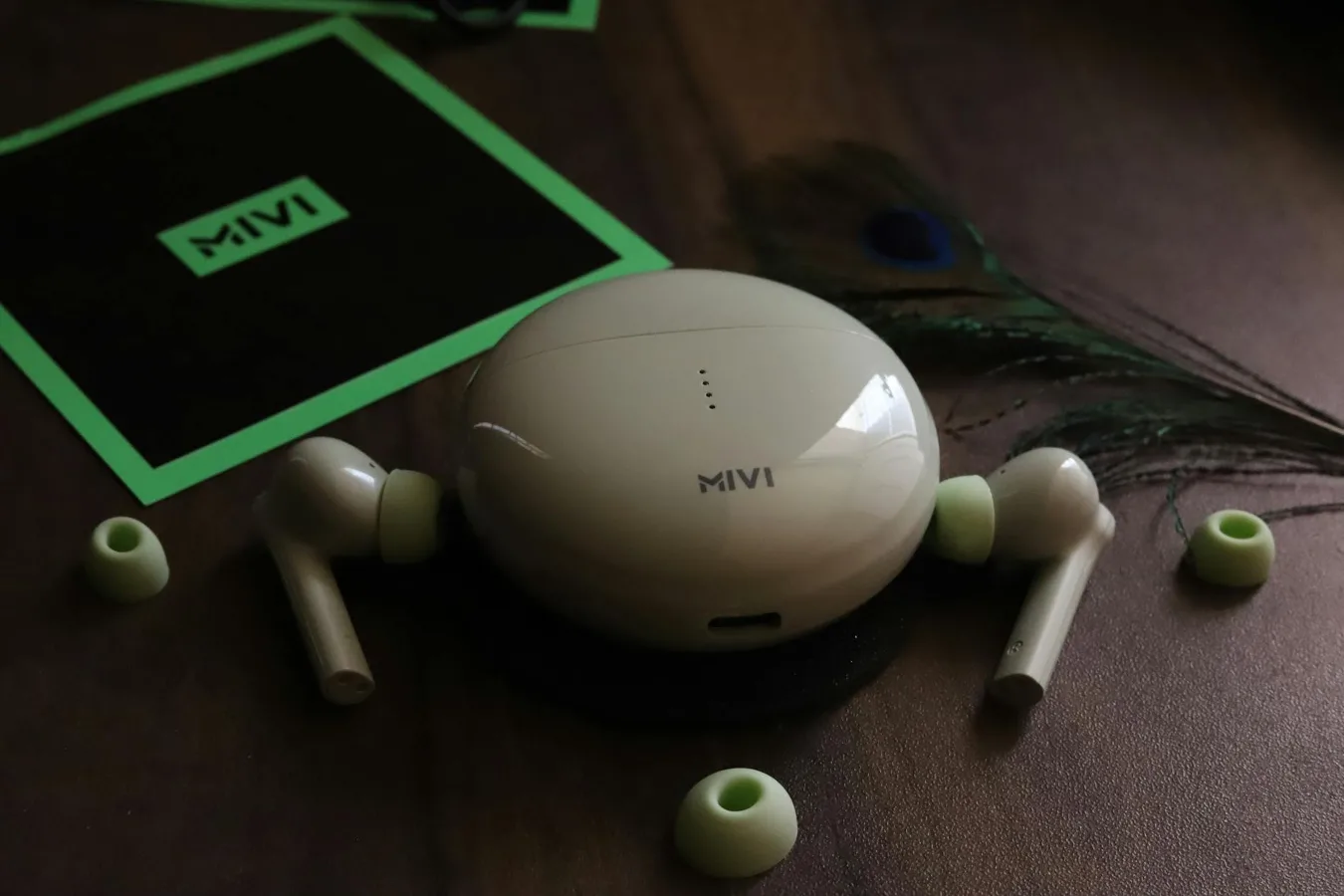
If you are searching for Pureboom wireless earbuds, the main question is usually not just whether they exist, but whether they make sense for your needs. The right pair should fit securely, connect reliably, sound balanced enough for everyday listening, and be convenient enough to use without constant friction. jesebang wireless earbud offers more detail on this point.
Because wireless earbuds sit in a crowded market, the useful way to evaluate Pureboom is to focus on the decision factors that matter most: comfort, Bluetooth stability, battery expectations, call quality, controls, charging convenience, and whether the feature set matches your listening habits. That approach is more practical than chasing feature lists alone.
What to check first before buying Pureboom wireless earbuds
The fastest way to judge any pair of true wireless earbuds is to start with your actual use case. Earbuds that work well for casual music listening may feel frustrating for workouts, calls, or long commutes. Pureboom wireless earbuds should be assessed the same way.
Fit and comfort
Fit is the foundation of everything else. If earbuds do not seal or sit comfortably, sound quality, bass response, and passive noise isolation all suffer. Since ear shapes vary, even a well-designed earbud can feel loose or tiring on the wrong user. Look for information about ear tip sizes, stem length, and overall profile if those details are available.
A practical nuance: people often focus on sound first, but poor fit is the most common reason earbuds end up unused. A secure fit matters even more if you plan to wear them during walks, commuting, or exercise.
Bluetooth reliability
Wireless earbuds depend on a stable Bluetooth connection. For everyday use, the real test is not only whether the earbuds connect once, but whether they stay connected smoothly across rooms, pockets, and busy environments. If you use earbuds with a phone, laptop, or tablet, device switching behavior also matters.
Some buyers assume wireless audio problems are always caused by the earbuds themselves. In practice, source device compatibility, interference, outdated firmware, and crowded wireless environments can all affect performance.
Battery life and charging habits
Battery life is easier to evaluate when you think in routines rather than specs. Ask yourself whether you need earbuds for short errands, full workdays, long flights, or occasional use. Also consider the charging case, because it determines how convenient the earbuds are over time. understanding battery life in earbuds offers more detail on this point.
Useful questions include: How often will you charge them? Do you want a case that fits easily in a pocket? Is quick top-up charging important? Would you rather charge less often, even if the case is slightly bulkier?
Controls and ease of use
Touch controls can be convenient, but they are not always the most forgiving. Accidental taps, overly sensitive gestures, or controls that require memorizing patterns can become annoying. Physical buttons are often more straightforward, though not every model offers them.
For most people, the best control system is the one that matches real habits. If you frequently pause music, answer calls, or change tracks while moving, simple and predictable controls matter more than a long feature list.
Sound quality: what matters more than marketing terms
Descriptions like “premium sound” or “deep bass” are too vague to be useful on their own. For a pair of earbuds like Pureboom wireless earbuds, the meaningful question is whether the tuning suits your listening preferences and content mix.
If you mostly listen to podcasts, audiobooks, or voice-heavy calls, clarity in the midrange is often more important than heavy bass. If you listen to pop, hip-hop, or electronic music, you may prefer stronger low-end response. Balanced tuning usually offers the broadest appeal because it handles different content types without sounding overly colored.
Sound quality also depends on seal, source file quality, and the app or device settings you use. EQ adjustments can improve the experience, but they do not fix poor fit or weak wireless stability.
Noise isolation versus noise cancellation
Many shoppers use these terms interchangeably, but they are not the same. Passive noise isolation comes from the ear tip seal and earbud design. Active noise cancellation uses microphones and processing to reduce certain ambient sounds. If Pureboom wireless earbuds do not offer active noise cancellation, that is not automatically a drawback; it simply changes the kind of environment they suit best.
For office use, travel, or noisy transit, active noise cancellation can be valuable. For lighter everyday listening, a good physical seal may be enough. The important part is to match the feature to the setting instead of assuming more technology always means a better result.
Practical use cases: where these earbuds may fit best
Different earbuds excel in different routines. Rather than asking whether Pureboom wireless earbuds are universally “best,” it is more useful to decide whether they fit your main scenarios.
- Daily commuting: prioritize connection stability, compact charging, and reliable controls.
- Work and meetings: prioritize voice clarity, comfort during long wear, and straightforward call handling.
- Workouts: prioritize secure fit, sweat resistance if provided, and easy on-ear controls.
- Casual listening: prioritize comfort, easy pairing, and balanced sound.
- Travel: prioritize battery convenience, portability, and noise reduction features if available.
A common misconception is that one pair of earbuds should do everything equally well. In reality, most models involve trade-offs. An ultra-compact design may be more portable but less comfortable for some ears. A feature-rich model may be convenient but more complex to manage.
Feature trade-offs worth thinking through
Before buying, look at the features in terms of trade-offs rather than labels. That makes it easier to see whether a product matches your actual needs.
Portability vs. battery capacity
Smaller earbuds and cases are easier to carry, but compact designs may come with shorter runtime or less room for larger batteries. If you travel often, you may prefer a slightly larger case if it reduces charging anxiety. If you keep earbuds in a small bag or pocket, compactness may matter more.
Simplicity vs. advanced features
Some users want a very simple experience: open the case, connect quickly, and listen. Others want more controls, device switching options, and app-based adjustments. More features can be useful, but they can also introduce setup friction or learning curve issues.
Call performance vs. music performance
Mic placement and voice processing influence call quality, while driver tuning and seal shape affect music listening. A pair that sounds energetic for music may still be only average for calls. If you use earbuds heavily for work, that trade-off deserves attention.
Common mistakes buyers make with wireless earbuds
Several mistakes show up again and again when people shop for wireless earbuds:
- Choosing by specs alone: numbers rarely tell the whole story.
- Ignoring fit: comfort and seal affect almost every other feature.
- Overlooking source device compatibility: your phone or laptop matters as much as the earbuds.
- Assuming louder is better: volume does not equal sound quality.
- Skipping the control layout: awkward controls can make everyday use frustrating.
- Buying for rare scenarios: if you only need earbuds for casual listening, you may not need an elaborate feature set.
One overlooked consideration is maintenance. Earbuds that are easy to clean, store, and recharge tend to stay in service longer. Earwax buildup, pocket lint, and charging-contact issues are common real-world problems that can affect usability over time.
How to evaluate whether Pureboom wireless earbuds are a good match
If you are deciding on Pureboom wireless earbuds specifically, use a simple filter:
- Define the main use case. Music, calls, commuting, workouts, or all-day wear?
- Prioritize the top three features. For example: fit, battery, and call quality.
- Check compatibility. Make sure they work smoothly with your phone or other devices.
- Consider the controls. Decide whether touch or button controls fit your habits.
- Think about the environment. Quiet rooms, busy streets, gyms, and travel all place different demands on earbuds.
This approach reduces buyer’s remorse because it focuses on how the earbuds will function in your life, not just how they are described on a product page.
Alternatives if Pureboom is not the right fit
Even if you are interested in Pureboom wireless earbuds, it helps to know the main alternatives. Depending on your priorities, another style of audio product may serve you better.
- Over-ear headphones: better for extended listening, larger soundstage, and stronger passive isolation.
- Wired earbuds: useful if you want to avoid battery charging or latency concerns.
- Neckband earbuds: sometimes preferred for users who want a more secure physical design.
- Bone conduction headphones: suitable for some outdoor users who want to keep ears more open to surroundings.
If you mainly want convenience, true wireless earbuds make sense. If you want maximum comfort over long sessions or better isolation for travel, over-ear headphones may be the smarter choice.
Care and maintenance for longer usefulness
Wireless earbuds are small, portable devices, which means they benefit from simple but consistent care. Keep the charging contacts clean, store them in the case when not in use, and avoid exposing them to unnecessary moisture unless the product is specifically designed for that environment.
It also helps to charge the case before it runs completely flat too often. Good charging habits can reduce inconvenience and make the earbuds easier to grab on the go. For ear tips, regular cleaning improves comfort and hygiene, especially if you wear them during workouts or warm weather.
Who should consider Pureboom wireless earbuds?
Pureboom wireless earbuds may be worth considering if you want a straightforward wireless listening setup and your priorities center on everyday convenience more than niche audio tuning. They are most relevant to buyers who want portability, easy pairing, and a generally practical earbud experience.
They may be less appealing if you need a highly specialized feature set such as advanced noise cancellation, multipoint switching, or studio-oriented sound accuracy. Those needs often call for a more specific product category.
The best approach is to compare Pureboom against your own requirements rather than against generic “best earbuds” lists. If the fit, battery expectations, controls, and device compatibility line up with how you actually listen, the choice becomes much easier.
That is the real test: not whether wireless earbuds sound good in theory, but whether they stay comfortable, stable, and useful in daily life. best earbuds for daily commuting offers more detail on this point.
