
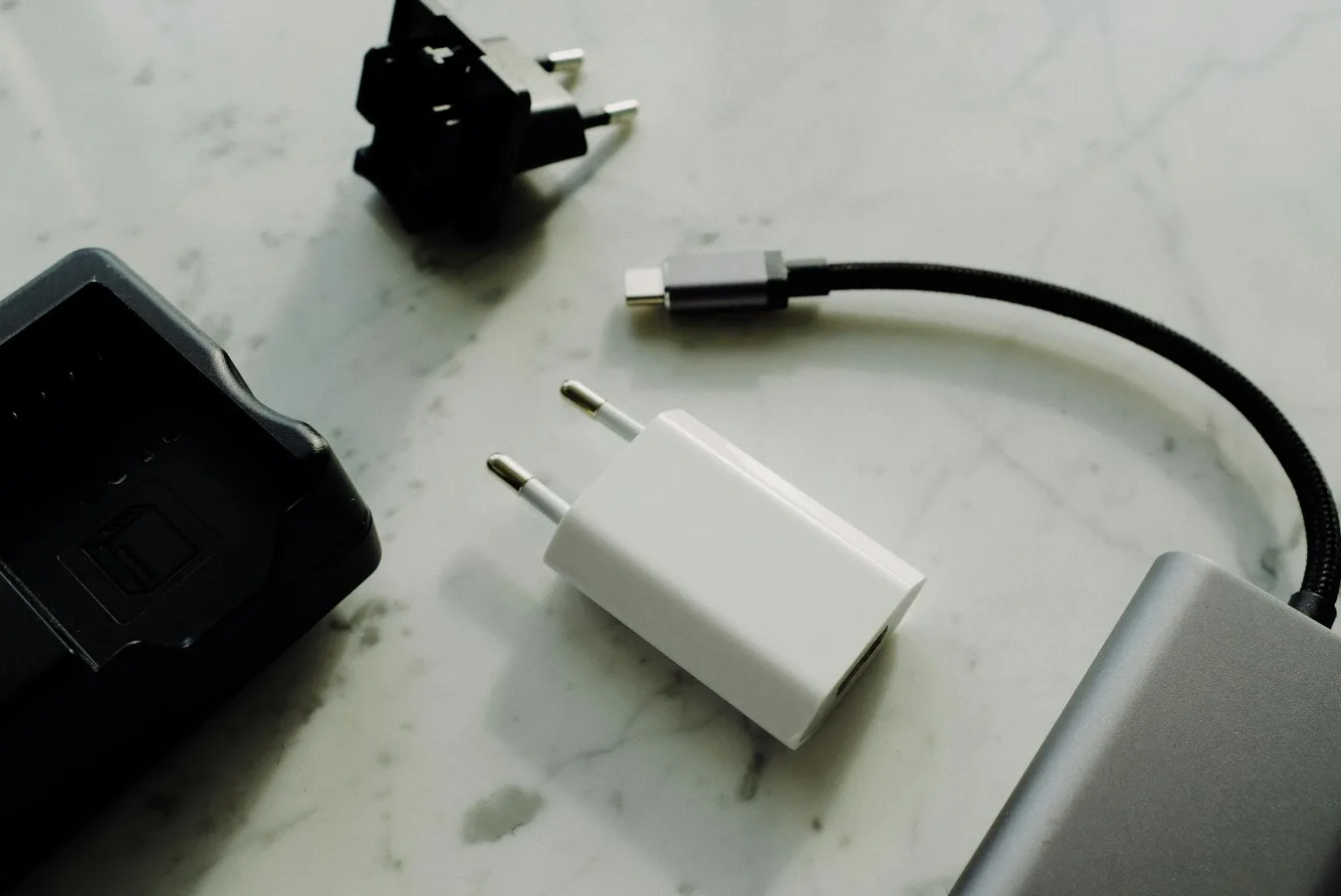
Which lead acid battery charger should you choose?
The right lead acid battery charger depends on the battery type, voltage, and how you use the battery. For most people, the safest choice is a smart charger that matches the battery chemistry and charging profile, rather than a basic charger that simply applies power until you unplug it. how to choose a battery charger offers more detail on this point. charger 24v battery offers more detail on this point.
If you are charging a car battery, a marine battery, an RV battery, or a standby backup battery, the key question is not just can it charge but can it charge correctly. Flooded, AGM, and gel lead acid batteries all have different charging needs, and using the wrong charger can shorten battery life or leave the battery undercharged. AGM vs flooded battery basics offers more detail on this point.
For informational and buying purposes, the best charger is usually the one that fits your specific battery type, supports the correct voltage, and offers automatic shutoff or maintenance mode for long-term care.
Start with the battery type, not the charger brand
Lead acid batteries are not all charged the same way. That is the part many buyers overlook. A charger that works well for one battery can be a poor fit for another if the charging profile is wrong.
- Flooded lead acid batteries are common in automotive and many deep-cycle uses. They usually tolerate a wider range of chargers, but they still benefit from controlled charging.
- AGM batteries often need a charger that recognizes AGM mode or offers a suitable absorption and float profile.
- Gel batteries are more sensitive to overcharging, so a charger with a specific gel setting is preferable.
Battery chemistry matters because the charger controls how fast the battery charges, how high the voltage rises, and whether the battery is held safely at full charge afterward. A charger designed for one chemistry may not be the best fit for another, even if the plug and voltage look compatible.
Buyer scenario: what kind of user are you?
Different buyers need different charger features. Thinking through the use case helps narrow the field quickly.
For occasional vehicle use
If you need to charge a car, truck, motorcycle, or lawn equipment battery from time to time, a compact automatic charger is often enough. Look for clear battery-type settings, reverse-polarity protection, and a maintenance mode if the battery sits unused for long periods.
For seasonal storage
If a battery will stay connected for weeks or months, a maintainer or float-capable charger is often more useful than a fast charger. The goal is to keep the battery topped off without overcharging it.
For deep-cycle batteries
Marine, RV, and some backup power applications often use deep-cycle lead acid batteries. These batteries may need a charger that handles longer charge cycles and offers the right charging stages for repeated use.
For workshop or fleet use
If you charge multiple batteries or different battery sizes, versatility matters. Adjustable current, battery-type selection, and durable cables become more important than compact size alone.
What matters most in charger specs
Charger packaging can be crowded with labels, but a few practical specifications do most of the real work. Focus on these first.
Voltage match
The charger must match the battery system voltage. A 12V battery needs a charger intended for 12V lead acid charging. Using the wrong voltage class is not a minor issue; it can prevent proper charging or create safety risks.
Charging current
Charging current affects speed and suitability. A higher-current charger can replenish a battery faster, but that does not always make it the better choice. Smaller batteries may be better served by a gentler charger, while larger deep-cycle batteries can benefit from more output if the charger is designed for them.
The practical question is whether the charger is appropriate for the battery’s size and purpose. A tiny charger may be too slow for a large battery bank, while an oversized unit may be unnecessary for a small battery that only needs maintenance charging.
Charging stages
Many modern chargers use multi-stage charging, often including bulk, absorption, and float stages. This is useful because it lets the charger charge aggressively at first, then taper back as the battery fills, then maintain the battery without constantly pushing high current.
Multi-stage charging is especially helpful for users who want a charger that can stay connected safely for storage or standby use. It also tends to be friendlier to battery life than a basic one-stage charger.
Battery mode selection
Look for explicit settings for flooded, AGM, or gel batteries when needed. A charger with a simple “lead acid” label may still be fine if it clearly supports your battery type, but vague labeling is not ideal when the battery chemistry has specific needs.
Safety features
Useful protections include reverse-polarity protection, short-circuit protection, over-temperature protection, and automatic shutoff. These features are especially important for casual users who do not want to manage every part of the charging cycle manually.
Trade-offs: smart charger vs basic charger
A basic charger can be simple and inexpensive, but simplicity comes with limits. It may charge a battery without giving you much control over the process. That can be acceptable for some straightforward jobs, but it is less forgiving if you are maintaining a battery over time.
A smart charger usually adds convenience and battery protection. It can detect battery conditions, switch stages automatically, and move into maintenance mode once the battery is full. The trade-off is that it may cost more and can be more complex than a no-frills charger.
There is also a practical limitation to keep in mind: a smart charger is not a miracle fix for a badly damaged battery. If a lead acid battery has severe sulfation, internal damage, or a dead cell, a charger may not restore it to useful condition. That is a common misconception, especially among buyers looking for a quick recovery tool.
One overlooked consideration: where and how the battery is used
Environment matters more than many buyers expect. A charger that seems perfect on paper may be awkward in real use if the battery sits in a cold garage, a damp shed, a marine compartment, or a cramped engine bay.
Cold temperatures can slow charging and affect battery performance. Enclosed spaces may call for better heat management and safer cable routing. If the charger will be used near saltwater exposure, vibration, or frequent transport, build quality and connector reliability become more important.
In other words, the best lead acid battery charger is not only about battery chemistry. It is also about the setting where you plan to use it.
Material and build factors worth checking
For most shoppers, materials are less about aesthetics and more about durability and safety. You are mainly evaluating whether the charger is built to survive regular handling.
- Housing durability: A sturdier enclosure is helpful if the charger will be moved often or used in a garage or workshop.
- Cable quality: Thicker, well-insulated cables are generally easier to trust for routine use.
- Clip or connector design: Strong contact points and secure clamps help reduce accidental disconnection.
- Ingress exposure: If the charger will live in a dusty or humid environment, consider how well it is protected for that setting.
These factors do not always appear in a simple product listing, but they affect long-term value. A charger that is annoying to connect or feels flimsy usually becomes a charger you avoid using consistently.
Compatibility questions to answer before you buy
Before choosing a charger, confirm a few basics so you do not end up with a unit that only partly fits your needs.
- What battery voltage do you need to charge?
- Is the battery flooded, AGM, or gel?
- Will the charger be used for one battery or several?
- Do you need maintenance mode for storage?
- Will it be used indoors, outdoors, or in a vehicle storage space?
These questions matter more than brand names. A charger can have good reviews and still be the wrong tool if it does not match the battery’s chemistry or your use case.
Common mistakes people make with lead acid battery chargers
One of the most common errors is assuming all chargers labeled for lead acid batteries are interchangeable. They are not. Another frequent issue is using a charger that is too basic for long-term maintenance, then wondering why the battery discharges again after sitting unused.
Other mistakes include:
- charging the wrong battery type setting
- ignoring voltage compatibility
- using a charger without checking whether maintenance mode is supported
- treating a charger as a repair tool for a failed battery
- leaving a basic charger connected longer than intended
Another subtle mistake is choosing a charger only by output speed. Faster is not always better. For lead acid batteries, controlled charging often matters more than raw speed.
Alternatives to consider
If a dedicated lead acid battery charger is not the perfect fit, there are a few related options worth comparing.
- Battery maintainer: Best for long-term storage and low-draw upkeep.
- Smart charger: Best for routine charging with automatic stage control.
- Multi-bank charger: Useful for boat, RV, or multi-battery systems.
- Solar maintainer: Can help in remote storage situations, though it depends on sunlight and setup quality.
These are not all interchangeable. A maintainer is not always the right tool for a deeply discharged battery, and a fast charger may be unnecessary if your only goal is preservation.
How to make the next-step decision
If you are buying for a single 12V vehicle battery, a straightforward automatic charger with the correct battery mode is usually enough. If you are maintaining an AGM or gel battery, make sure the charger explicitly supports that chemistry. If you are dealing with deep-cycle or seasonal storage use, prioritize multi-stage charging and float or maintenance capability.
If you are still undecided, compare chargers using this order:
- Battery type compatibility
- Voltage match
- Charging mode and maintenance support
- Safety protections
- Build quality and cable design
- Convenience features that matter to your routine
That order keeps you focused on fit rather than marketing language.
FAQ
What type of charger is best for a lead acid battery?
A smart multi-stage charger is usually the most flexible choice because it can charge, taper, and maintain the battery more safely than a basic charger.
Can I use one charger for flooded, AGM, and gel batteries?
Only if the charger explicitly supports those battery types and lets you select the correct mode. If it does not, choose a charger that matches the specific chemistry.
Is a battery maintainer the same as a battery charger?
No. A maintainer is mainly for keeping a charged battery topped off during storage. A charger is meant to replenish battery charge more actively.
Do I need a special charger for a deep-cycle battery?
Not always, but deep-cycle batteries often benefit from a charger designed for longer, controlled charging and maintenance use.
Why won’t my charger revive a dead battery?
If the battery has internal damage, severe sulfation, or a failed cell, a charger may not be able to restore it. Charging equipment can help only when the battery is still fundamentally serviceable.
Final takeaway
The best lead acid battery charger is the one that matches your battery chemistry, voltage, and real-world use. For most buyers, that means choosing a smart charger with the right mode settings, clear safety features, and maintenance support for the way the battery will actually be used.
If you focus on compatibility first and convenience second, you are far more likely to get a charger that protects the battery instead of simply powering it.
