
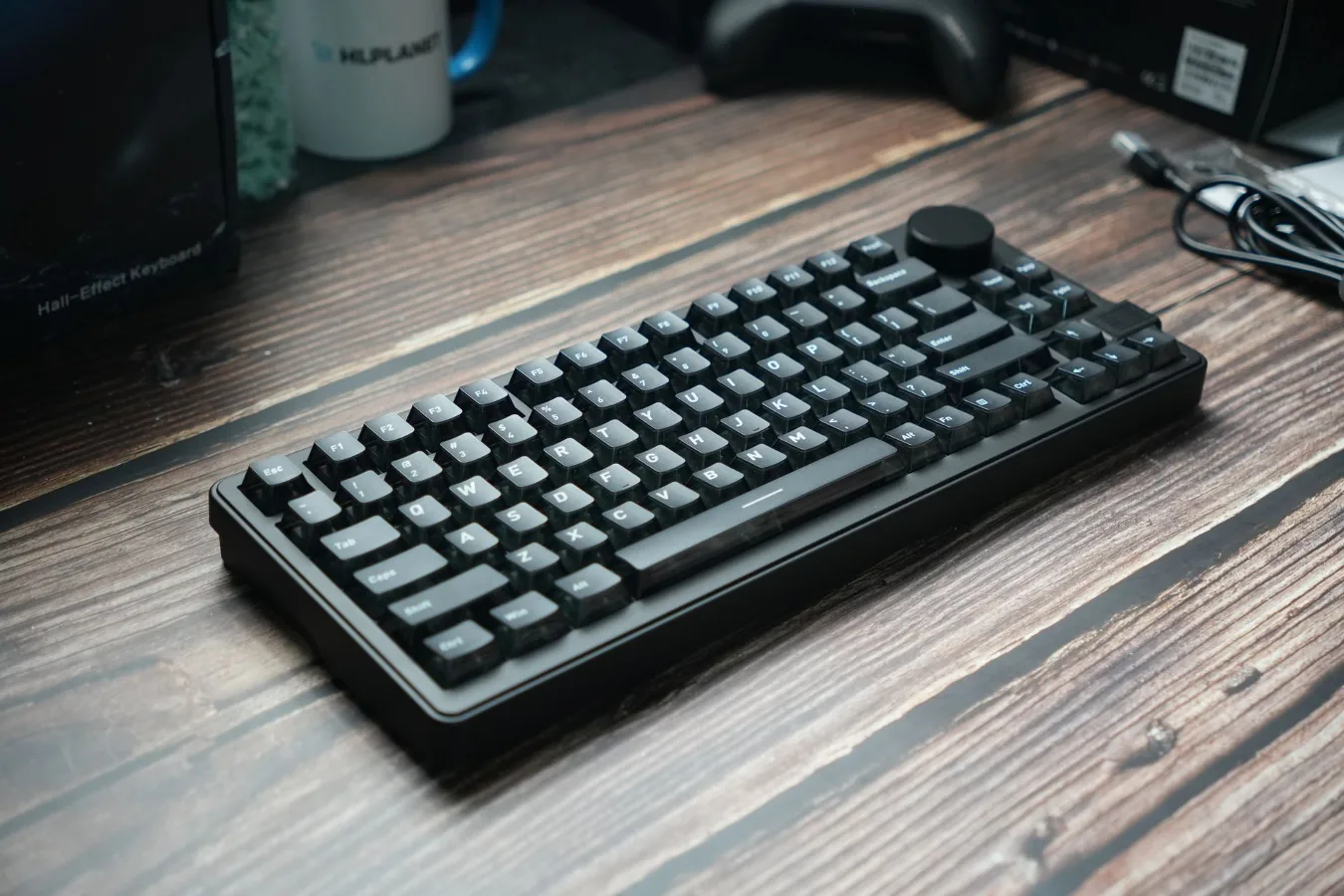
Quick answer: what an aluminum mechanical keyboard is best for
An aluminum mechanical keyboard is usually the right choice if you want a more rigid, premium-feeling board with a solid case and a cleaner, less plasticky sound signature. The aluminum housing does not automatically make a keyboard “better,” but it often improves perceived build quality, reduces flex, and gives the board a more substantial feel on the desk. Best Silent Mechanical Keyboard Guide offers more detail on this point.
That said, the case material is only one part of the experience. Switch choice, plate material, mounting style, stabilizers, and keycaps can change how an aluminum keyboard feels far more than the shell alone. If you are comparing options, focus on the whole build rather than the word “aluminum” by itself.
For many buyers, the appeal is a mix of durability and aesthetics. Aluminum boards often fit well in minimalist desktop setups, gaming spaces, and workstations where a heavier, more refined peripheral makes sense. They can also be a strong pick for people who dislike lightweight keyboards that slide around or sound hollow. guide to ambidextrous gaming mouse offers more detail on this point.
What sets aluminum mechanical keyboards apart
The main difference is the chassis. Instead of a plastic shell, the keyboard uses an aluminum case, often machined or CNC-finished for a tighter fit and a more premium appearance. This can influence the typing experience in a few practical ways.
- Rigidity: Aluminum cases usually feel sturdier than plastic and may flex less under pressure.
- Weight: The added mass can help the keyboard stay planted during fast typing or intense gaming.
- Acoustics: A metal case can contribute to a sharper, more defined sound, though the final sound depends on the rest of the build.
- Finish: Anodized or coated aluminum often looks cleaner and more refined on a desk.
There is a common misconception that aluminum automatically means quieter or better sounding. In reality, an all-aluminum board can sound excellent, but it can also sound overly bright or pingy if the internal design is not well handled. Internal dampening, mounting style, and switch choice matter just as much.
How to compare aluminum mechanical keyboards
If you are shopping for one, the smartest approach is to compare the parts of the keyboard that shape daily use. The case material is important, but it should be weighed alongside typing feel, layout, and long-term practicality.
| What to compare | Why it matters | What to look for |
|---|---|---|
| Case design | Shapes rigidity, weight, and overall finish | Tight fit, stable feet, clean machining, sensible weight |
| Mounting style | Affects flex, comfort, and sound | Gasket mount for a softer feel, tray mount for a firmer feel |
| Plate material | Influences sound and typing response | Materials that match your preferred firmness and acoustics |
| Switch compatibility | Determines feel, sound, and upgrade options | Hot-swap support if you want flexibility |
| Layout | Determines efficiency and desk footprint | Full-size, TKL, 75%, or compact layouts based on use |
| Stabilizers | Affects larger keys like spacebar and Enter | Stable, well-tuned stabilizers with minimal rattle |
| Keycap compatibility | Impacts replacement options and long-term customization | Standard stem and layout support |
Mounting style is one of the most overlooked considerations. People often focus on the case and ignore how the internal mounting changes the typing experience. A gasket mount can feel more cushioned, while a stiffer mount may appeal to users who like a firmer, more direct keypress. Neither is inherently superior; they serve different preferences.
Layout matters too. Aluminum boards are often chosen for compact premium setups, but a smaller footprint can be a drawback if you use a numpad, function row, or navigation cluster every day. Choosing a layout that suits your workflow is more important than choosing the flashiest case shape.
Benefits that actually matter in daily use
The most practical advantage of an aluminum mechanical keyboard is the sense of stability it brings. For many users, that means less desk movement, a more planted typing platform, and a generally more substantial feel. If your desk is smooth or you type with more force, that added weight can be noticeable in a good way.
Another benefit is consistency. A well-built aluminum case can help the keyboard feel uniform across the board, especially if the internal tolerances are good. That does not guarantee a better typing experience, but it can reduce the loose, hollow feeling that some budget plastic keyboards have.
For enthusiasts, aluminum also gives more room for customization and refinement. Many aluminum boards are sold as part of the custom keyboard ecosystem, where users can swap switches, tune stabilizers, replace keycaps, and adjust sound-dampening materials. That makes them especially appealing to buyers who want a keyboard they can grow into rather than replace quickly.
Trade-offs you should weigh before buying
Aluminum is not automatically the best choice for everyone. The same qualities that make it feel premium can also create limitations.
- Heavier to move: Great for desk stability, less convenient if you carry your keyboard between locations.
- Higher cost: Aluminum cases often raise the price, even when the rest of the board is fairly basic.
- Potentially harsher acoustics: Without proper tuning, metal cases can sound more resonant than expected.
- Less forgiving feel: Some users prefer the softer, quieter character of a good plastic case.
A practical nuance is that buyers sometimes assume they are paying for performance when they are really paying for construction quality and finish. That is not a bad thing, but it changes how you should evaluate the purchase. If you care most about typing comfort, sound, or layout efficiency, those factors should carry more weight than the case material alone.
What to look for in a good aluminum build
If you want the best chance of getting a satisfying keyboard, look for a balanced design rather than a spec-heavy one. The most reliable aluminum boards usually do several things well at once.
Case finish and machining
A good finish should feel smooth and even, with no rough seams or distracting sharp edges. On a premium keyboard, the details matter: clean cutouts, tight alignment, and a consistent coating or anodization are all signs that the board was put together with care.
Sound profile
Do not assume the metal shell defines the sound. Internal foam, plate choice, switch type, and stabilizer tuning all affect how the keyboard sounds. If you prefer a muted, deeper tone, look for boards that mention dampening, gasket mounting, or sound-focused design choices.
Switch and keycap flexibility
Hot-swappable support is valuable if you want to experiment with tactile, linear, or clicky switches without soldering. Keycap compatibility matters too, especially if you plan to use third-party sets. A premium aluminum case is less useful if the board is oddly sized or limits your customization options.
Desk fit and ergonomics
Weight is not always a bonus if the keyboard has poor feet, an awkward typing angle, or a layout that forces hand movement you do not want. Check whether the height, angle, and case edges fit your setup comfortably. A beautiful keyboard that feels awkward after an hour is still a poor buy.
Common mistakes buyers make
One of the biggest mistakes is assuming all aluminum mechanical keyboards are enthusiast-grade. Some are simply metal shells with ordinary internal parts. A solid case can improve the look and feel, but it cannot fix cheap stabilizers, weak switches, or a poor layout. mechanical keyboard switch types offers more detail on this point.
Another mistake is overlooking the plate and mounting style. Buyers often compare only the case material and switch type, then end up surprised by a board that feels too stiff or sounds too sharp. That is especially common with newcomers who are shopping by appearance first.
A third mistake is choosing a compact layout because it looks cleaner, then realizing later that the missing keys slow down daily work. If you use spreadsheets, media controls, or shortcut-heavy software, a smaller board may create more friction than it saves space.
Finally, some people treat aftermarket customization as mandatory. It is not. A well-designed aluminum mechanical keyboard should still be satisfying as purchased. If a board only becomes good after expensive upgrades, that is a sign to compare other options.
Good alternatives if aluminum is not the right fit
There are sensible alternatives depending on what you actually want from the keyboard.
- High-quality plastic keyboards: Often lighter, less expensive, and more comfortable for users who prefer a softer, less resonant feel.
- Magnesium or other metal builds: Sometimes used in premium boards for a different balance of weight and rigidity, though availability varies.
- Low-profile mechanical keyboards: Better if you want a flatter typing posture and a slimmer desk presence.
- Prebuilt office keyboards: A strong choice if low noise, simple setup, and reliability matter more than custom feel.
If your priority is typing comfort over visual impact, a thoughtfully designed plastic keyboard can be a smarter buy than a poorly tuned aluminum one. The best choice depends on how you work, not just how the keyboard looks in photos.
Who should buy one, and who should skip it
An aluminum mechanical keyboard makes the most sense for buyers who value build quality, a premium desk presence, and a firm, stable typing platform. It is also a good fit for people who like to customize keyboards over time and want a case that feels worth upgrading around.
You may want to skip it if portability matters, if you prefer a softer acoustic profile by default, or if you are trying to keep costs down. In those cases, a strong plastic model or a simpler prebuilt option may offer better everyday value.
The best commercial decision is to match the keyboard to the use case. For a home office or a dedicated desktop setup, aluminum can be a satisfying long-term choice. For frequent travel or casual use, the added weight and cost may not be worth it.
Final buying perspective
Aluminum mechanical keyboards are appealing because they combine substance, style, and customization potential. But the case material should be treated as one part of the decision, not the decision itself. Layout, mounting, stabilizers, switches, and sound tuning all shape the experience more than the metal shell alone.
If you compare those details carefully, you will be able to tell the difference between a board that merely looks premium and one that actually feels well thought out. That is the real standard worth shopping for.
