
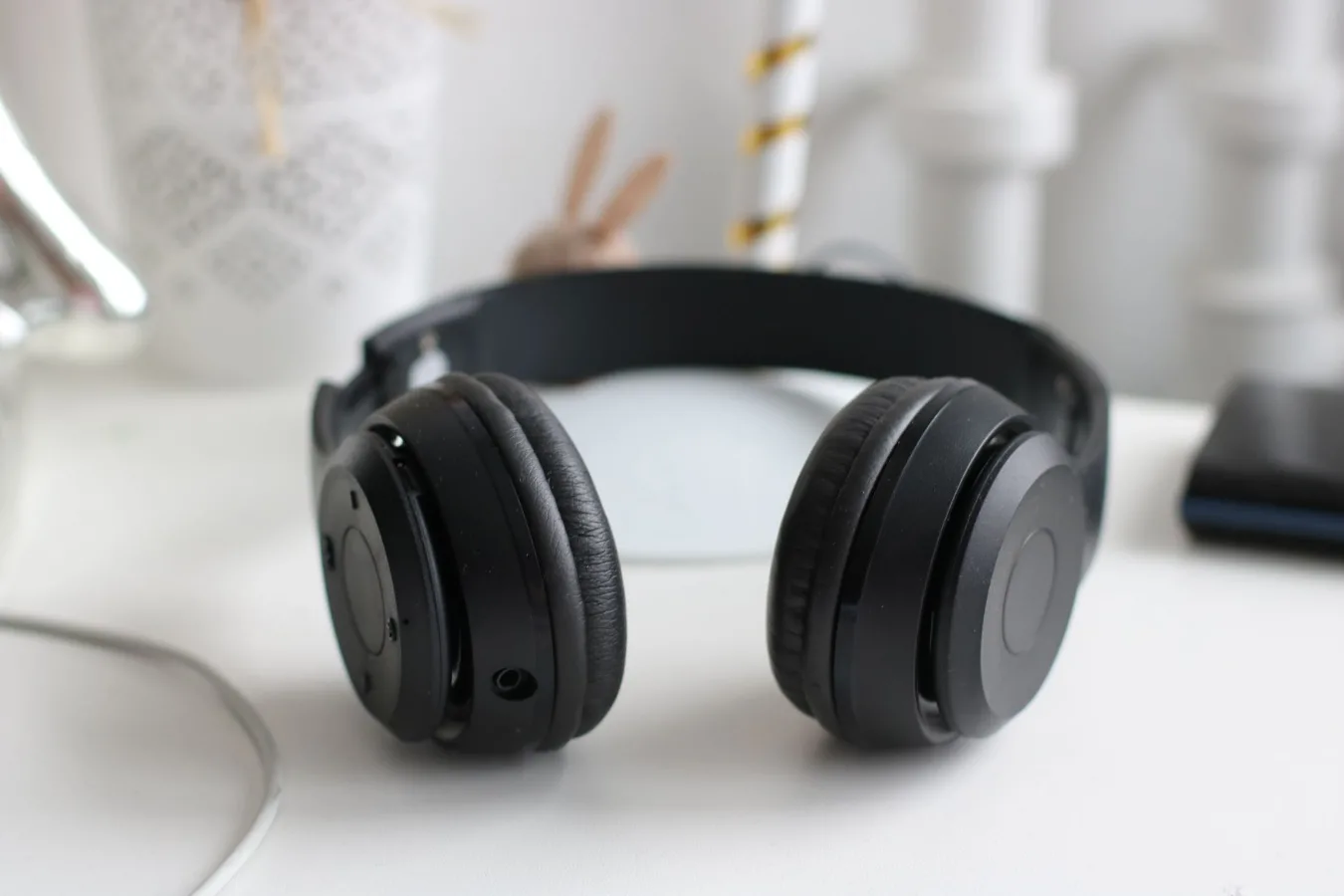
If you want the best noise cancelling headphones with microphone, the strongest choice is usually a pair that does two things well at the same time: reduces background sound for you and picks up your voice clearly for other people. That sounds simple, but in practice there is often a trade-off between strong active noise cancellation, microphone performance, comfort, and portability.
The best option depends on how you plan to use them. A frequent flyer may care most about steady ANC, while someone working from home may put mic clarity and all-day comfort first. A gamer or hybrid worker may want stable Bluetooth, low-latency performance, and easy switching between laptop and phone.
What matters most in a noise cancelling headset with mic
Before comparing models, it helps to separate the two jobs these headphones have to do.
- Noise cancelling is about reducing outside sound so you can focus, listen at lower volume, or stay comfortable in noisy places.
- Microphone quality is about how clearly your voice reaches the person on the other end of a call or meeting.
Many shoppers assume a headset with excellent ANC will automatically have an equally good microphone. That is not always true. Some headphones sound great for the listener but use a mic system that is only average in windy environments, open offices, or crowded streets. If your main use is calls, the mic deserves as much attention as the noise cancellation.
Start with your primary use case
Different use cases change what “best” means.
- Remote work and meetings: prioritize mic clarity, voice pickup, comfort, and easy device switching.
- Travel: prioritize ANC strength, battery life, foldability or case size, and comfort over long sessions.
- Open-office use: prioritize strong mid-to-high frequency noise reduction and a mic that handles speech well.
- Commuting: prioritize portability, secure fit, and controls you can use quickly.
- Gaming and mixed use: prioritize low-latency connections, stable pairing, and a microphone that sounds natural.
Step-by-step criteria for choosing the right pair
A good buying decision becomes much easier when you evaluate headphones in a practical order instead of chasing a long spec list.
1. Check microphone performance first if calls matter most
For work and meetings, the microphone is often the limiting factor. Headphones may offer beamforming mics, voice isolation, side-tone, or app-based noise suppression. Those features can help, but they do not all work equally well in every setting.
Look for details that suggest the mic is designed for speech, not just included as a convenience. If you frequently take calls in busy environments, a headset-style microphone or a model known for voice pickup may be more dependable than a fashionable music-first headphone.
A practical nuance: some headphones sound excellent for music but compress your voice heavily during calls. That can be fine for occasional use, but it becomes frustrating if meetings are part of your daily routine.
2. Decide how strong the noise cancelling needs to be
Active noise cancellation works best on steady low-frequency sounds such as engine rumble, air conditioning, and fan noise. It is less effective against sudden voices, keyboard clatter, and irregular sounds. That means a pair can be excellent for flying and still only moderately useful in a lively office.
When comparing ANC headphones, think about the noise you want to reduce most:
- Travel noise: engines, train hum, cabin noise.
- Home noise: HVAC systems, appliances, household activity.
- Office noise: speech, typing, nearby meetings.
This distinction matters because some buyers focus only on “strong ANC” without considering the type of noise they actually face every day.
3. Comfort is not optional for a long-wear headset
If you wear headphones for long stretches, comfort becomes a decision factor, not a bonus. Clamping force, ear pad material, headband padding, and overall weight can influence whether a headset disappears into the background or becomes distracting after an hour.
Over-ear designs are usually the most common choice for noise cancelling headphones with microphone because they can combine comfort with effective passive isolation. Still, not every over-ear headset fits every head shape well. Some users prefer lighter frames, while others like a snugger seal for better ANC performance.
Common mistake: choosing a model that looks premium but feels tiring after a short period. For work and travel, comfort often matters more than a feature you may rarely use.
4. Match the connection type to your devices
Most modern noise cancelling headphones with mic use Bluetooth, but not every Bluetooth experience is the same. Consider:
- Multipoint pairing: useful if you switch between laptop and phone.
- USB-C charging: convenient for newer device ecosystems.
- Wired backup mode: helpful if battery life matters or wireless use is restricted.
- Bluetooth stability: important for calls and video meetings.
If you use a laptop for calls and a phone for quick switching, multipoint pairing can save time and reduce annoyance. If your headphones will also be used on airplanes or with older devices, a wired option can still be valuable even on a wireless model. wireless charging earbuds offers more detail on this point.
5. Think about controls and everyday convenience
Small usability details affect whether the headset feels genuinely good to use. Touch controls can be sleek, but some people find physical buttons easier to manage without looking. App support can be helpful for EQ, ANC modes, and firmware updates, but only if the app is stable and simple enough to use.
Also consider whether the microphone mutes easily, whether voice prompts are clear, and whether the headphones automatically pause when removed. These features do not sound dramatic, but they shape daily satisfaction.
Examples of the right fit for different buyers
The strongest choice for one buyer may be a poor fit for another. The best way to narrow the field is by use-case match.
If you work from home most days
Choose a headset with clear voice pickup, comfortable ear pads, and dependable Bluetooth. ANC should be strong enough to soften fan noise, household hum, or nearby distractions, but call quality should still lead the decision.
A good remote-work headset should also make it easy to move between meetings, music, and casual listening without constant adjustments.
If you commute or travel often
Focus on ANC strength, battery life, and comfort. For travel, the ability to block low-frequency engine noise can matter more than having the absolute best microphone. Still, if you take calls on the move, make sure the mic remains usable in less controlled environments.
Some travelers also prefer headphones that fold or store neatly in a compact case. Portability can be a real deciding factor if your bag is already full.
If you split time between meetings and entertainment
Look for a balanced headset that performs well on both voice and music. Multipoint Bluetooth, a comfortable fit, and a microphone that handles speech naturally are particularly useful here.
This is where the “best” pair often becomes a compromise rather than a perfect specialist. That is not a weakness. It simply reflects a mixed-use reality.
If you want a headset for a noisy open office
Prioritize microphone noise suppression and fit. Open offices are a difficult environment because they include both steady background noise and speech, which ANC alone cannot fully erase. A mic system that helps isolate your voice will usually matter more than very deep bass or premium styling.
Trade-offs worth accepting before you buy
Headphones with microphone are almost always about balance. A few trade-offs are common.
- Stronger ANC can mean more bulk: the headphone may feel larger or less portable.
- Better mic systems can add complexity: app settings, DSP processing, or multiple microphones may improve calls but create more things to configure.
- Ultra-light designs may sacrifice battery or isolation: a smaller frame can feel easier to wear but may not block as much sound.
- Voice-focused tuning may be less exciting for music: some headsets are built primarily for communication.
One overlooked consideration is how much processing the microphone uses. Heavy noise suppression can make your voice sound cleaner, but it can also make it sound more compressed or less natural. If you take lots of customer calls or meetings, clarity usually matters more than perfect warmth.
A simple checklist before you buy
Use this checklist to compare options in a practical way.
- Will you use them mainly for calls, music, travel, or all three?
- Does the microphone perform well in noisy environments, not just quiet rooms?
- Is the ear cup fit comfortable for long sessions?
- Do you need multipoint pairing for laptop and phone?
- Is battery life enough for your typical workday or trip length?
- Do you want physical controls, touch controls, or both?
- Is there a wired fallback if the battery runs low?
- Can the headphones store or travel easily in your bag?
- Are app features genuinely useful, or just extra clutter?
Common mistakes shoppers make
Buying the best noise cancelling headphones with microphone becomes easier once you avoid a few frequent missteps. noise-cancelling headphones buying guide offers more detail on this point.
- Choosing ANC over mic quality: great noise cancellation does not guarantee good call pickup.
- Ignoring comfort: a headset that pinches or heats up becomes hard to use regularly.
- Assuming all Bluetooth is equal: pairing behavior and device switching can vary a lot.
- Overvaluing specs without considering your noise environment: office noise and airplane noise are not the same problem.
- Skipping return or fit considerations: even a technically strong headset can feel wrong on your head.
Another common misconception is that the newest or most expensive model is automatically the best for calls. Sometimes a simpler, more focused design is the better tool.
When a different product type makes more sense
Not everyone needs traditional noise cancelling headphones with a built-in microphone.
- For serious office calling: a dedicated USB headset may offer clearer voice pickup and easier mute controls.
- For casual music and occasional calls: standard wireless headphones with a basic mic may be enough.
- For exercise: in-ear wireless earbuds may fit better and feel more practical.
- For stationary desk use: a headset with a boom mic can be a better communication tool than a consumer headphone.
If your priority is voice work rather than mixed listening, do not assume over-ear ANC headphones are the only answer. The right alternative can be more comfortable and more reliable for your main use.
FAQ
Are noise cancelling headphones good for phone calls?
Yes, but call quality depends on the microphone system, not just ANC. Some models are excellent for meetings and phone calls, while others are better for listening than speaking.
Do noise cancelling headphones block voices?
They reduce some background sound, especially steady noise, but voices are harder to block completely. A good seal and strong ANC can help, but speech often remains partly audible.
Is a boom mic better than built-in mics?
For frequent calls, a boom mic is often better because it sits closer to your mouth. Built-in mics are more convenient and cleaner-looking, but they may pick up more room noise.
Should I choose over-ear or on-ear headphones?
Over-ear headphones usually offer better comfort and noise isolation for long sessions. On-ear models can be lighter and more compact, but they may feel less comfortable and block less sound.
Do I need multipoint Bluetooth?
If you switch often between a laptop and phone, multipoint can be very helpful. If you only use one device at a time, it is less important.
Final buying advice
The best noise cancelling headphones with microphone are not the ones with the longest spec sheet. They are the ones that fit your main situation: calls, commuting, travel, home office, or mixed use. Start with microphone quality if communication matters most, then weigh ANC strength, comfort, connection features, and portability based on how you actually live with the headphones. best headphones for work calls offers more detail on this point.
If you keep your priorities clear, you can avoid overspending on features you will barely use and focus instead on the headset that will feel practical every day.
