
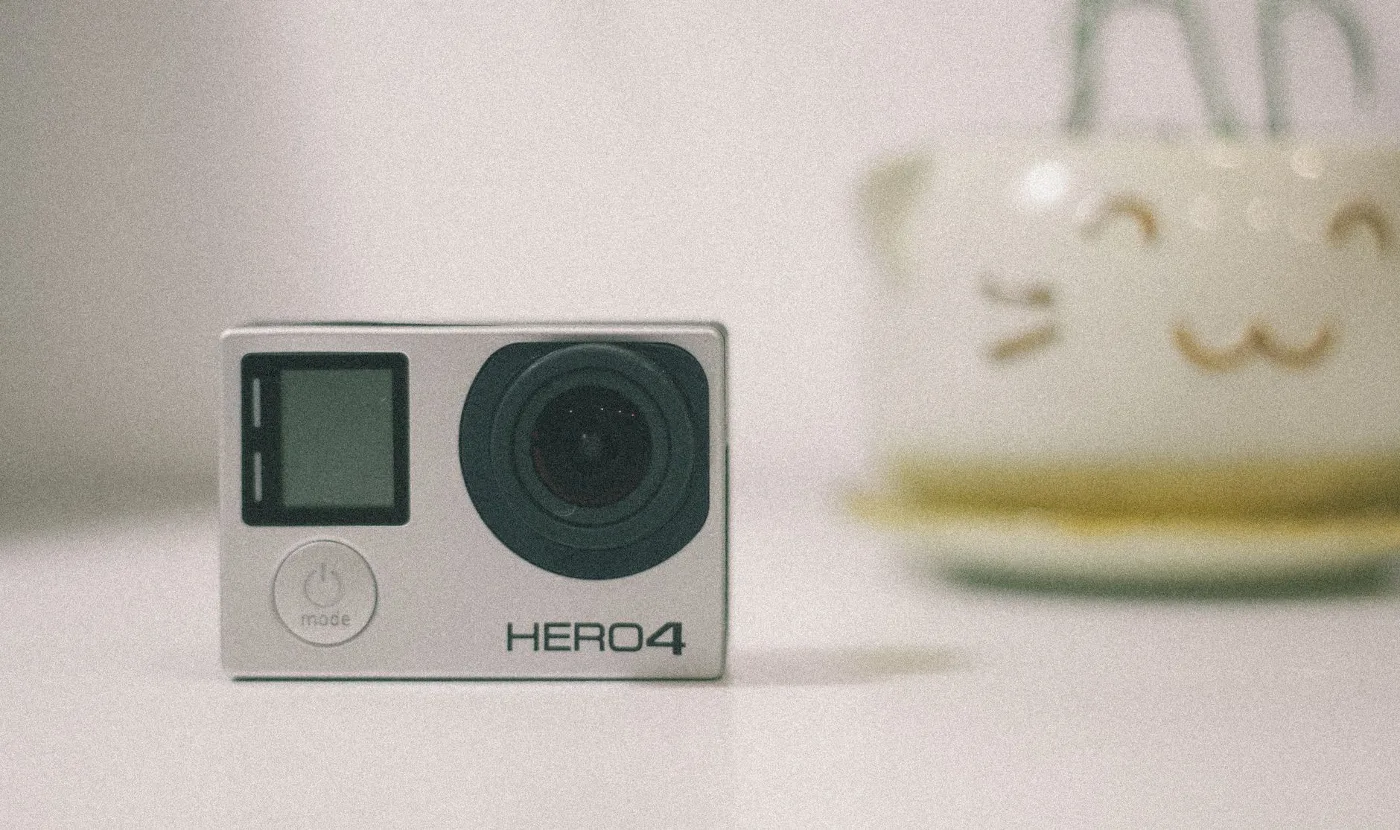
If you are looking for a Tactacam action camera, the main question is usually not whether it records video, but whether it fits the way you actually hunt, scout, or film outdoors. Tactacam is most often considered by users who want a compact, hands-free camera that can be mounted on gear and used in active field conditions.
The best choice depends on how you plan to use it: on a bow, rifle, hat, tripod, pack, or another mount; whether you need simple one-button recording or more control; and how much weight, battery life, and low-light performance matter in your setup. This guide breaks down those decisions so you can evaluate a Tactacam action camera with a clear checklist instead of marketing claims. camera mount compatibility guide offers more detail on this point. Tactacam 6.0 Action Camera Guide offers more detail on this point.
When a Tactacam action camera makes sense
A Tactacam action camera makes the most sense when you want a small camera that stays out of the way during active outdoor use. That includes hunting, scouting, trail recording, and hands-free documentation where a larger camera would be awkward or distracting.
For many buyers, the appeal is simplicity. A field camera should be easy to mount, easy to start, and reliable enough that it does not become another thing to manage while you are trying to stay focused. That is especially relevant in hunting situations, where extra setup, noisy handling, or a bulky rig can get in the way.
It is also worth understanding the limitation: a compact action camera is a tool for recording moments, not a replacement for a full-featured production camera. If you need advanced manual control, interchangeable lenses, or highly controlled cinematic footage, you may be better served by a different camera type.
Step-by-step criteria for choosing the right model
1. Start with your primary use case
Before comparing features, decide what you actually want the camera to do. A hunter filming shots on a bow has different needs from someone recording habitat walks, range sessions, or general outdoor adventures.
- Bow hunting: prioritize a compact camera that stays clear of your draw, release, and sight picture.
- Rifle or shotgun use: think about mount security, recoil tolerance, and camera placement.
- Scouting and trail observation: favor convenience, portability, and battery planning.
- General outdoor video: balance image quality, stabilization, and accessory flexibility.
The common mistake is buying based on camera category alone. Two action cameras can look similar on paper but behave very differently once mounted on hunting gear or worn in the field.
2. Check mounting compatibility first
For many users, mount compatibility matters more than headline video specs. A camera that is easy to attach securely is more useful than one with a stronger spec sheet but awkward accessories.
Look at whether the camera can work with the mounts you already use or plan to use. That may include helmet mounts, chest mounts, bow mounts, firearm mounts, picatinny-style attachments, rail adapters, or tripod compatibility. The real question is not only whether a mount exists, but whether it keeps the camera stable and positioned correctly for your intended view.
One overlooked consideration is clearance. A mount can technically fit and still interfere with the bowstring, optic, sling, or your natural body movement. For field gear, physical layout matters as much as compatibility claims.
3. Consider size, weight, and balance
Compact cameras are easier to carry and less noticeable on gear, but size and weight also affect balance. A heavier camera can shift the feel of a bow, hat brim, or helmet and may create unwanted movement if the mount is not rigid enough.
Smaller is not always better. Extremely light cameras can be appealing, but they may also be harder to handle with gloves or in cold weather. The practical goal is a camera that feels unobtrusive without becoming fiddly.
4. Look at battery planning, not just battery life
Battery performance in the field is rarely just about a number on a box. It is about how long you can realistically record, whether you carry spares or power banks, and how cold weather affects your routine.
For outdoor users, power planning is often the difference between a useful camera and a frustrating one. If your trips are long, your camera will need a strategy: spare batteries, charging access between sessions, or disciplined recording habits. Continuous recording can burn through power and storage faster than expected.
A practical approach is to match the battery setup to the type of outing. Short hunts and practice sessions may be easy to manage. Full-day trips, remote scouting, and cold-weather use usually require more careful planning.
5. Evaluate image quality in context
Action camera video quality matters, but the right standard depends on what you want to preserve. For some buyers, the priority is capturing the shot and the surrounding action clearly. For others, it is simply documenting the moment with enough detail to review later.
In outdoor conditions, image quality depends on more than resolution. Stabilization, exposure behavior, low-light handling, field of view, and mounting angle all affect the final result. A camera can record a high-resolution file and still produce footage that is not especially useful if the mount shakes or the lens is aimed poorly.
If you are comparing cameras, think about how the footage will be watched. Social clips, personal review, and hunting memory footage all tolerate different levels of quality and motion. how to choose a hunting camera offers more detail on this point.
6. Match the camera to your light conditions
Low-light performance is especially relevant for early-morning and late-evening use. Many outdoor users underestimate how quickly image quality can drop when the light gets uneven, filtered through brush, or affected by weather.
This is where a common misconception shows up: people often focus on resolution and overlook how a camera behaves at dawn, dusk, or under tree cover. For field use, a camera that looks impressive in bright conditions may be less satisfying when the light softens.
If your outings routinely happen in dimmer conditions, treat low-light behavior as a major decision factor rather than a secondary feature.
7. Think about controls and field usability
A camera used outdoors should be easy to operate without breaking concentration. Large, intuitive controls, simple status indicators, and a straightforward recording process can matter more than a long feature list.
For hunting and active use, complexity can be a drawback. Menus, tiny buttons, and layered settings are inconvenient when you are wearing gloves, keeping still, or trying not to create extra motion. A simpler camera can be the better fit if your priority is dependable operation in the moment.
Practical trade-offs to weigh before buying
Every Tactacam action camera choice comes down to compromise. The camera that is easiest to mount may not be the best for advanced video work. The camera that is smallest may not offer the most convenient controls. The camera that is simplest to use may give up flexibility that more experienced users want.
Here are the main trade-offs to consider:
- Simplicity vs. control: simpler cameras are faster in the field, but less flexible for precise settings.
- Compact design vs. handling comfort: smaller bodies are easier to carry, but can be harder to manage with cold hands or gloves.
- Field durability vs. accessory dependence: some setups work best only when paired with the right mounts and add-ons.
- Video quality vs. ease of use: footage quality matters, but not if the camera is annoying to deploy.
A useful buying mindset is to choose the camera that fits your habits, not the one that sounds most capable in a vacuum.
Common limitations to understand early
Tactacam-style action cameras are designed for a specific kind of use, and that creates limits. They are usually strongest as mounted, hands-free recorders. They are less ideal when you need large-screen framing, deep manual tuning, or interchangeable optics.
Another limitation is that action camera footage depends heavily on setup. Mount angle, vibration, lighting, and how often you start and stop recording all affect the result. Users sometimes blame the camera when the real issue is placement or workflow.
Storage management can also be a practical constraint. High-quality video files add up quickly, so a field camera works best when you have a clear routine for memory cards, backups, and file transfers.
Alternatives worth considering
If you are comparing options in the camera cluster, it helps to know where a Tactacam action camera sits relative to other devices.
- GoPro-style action cameras: better if you want broad accessory ecosystems and more general-purpose action footage.
- Body cameras: useful when you want a fixed, front-facing record of activity rather than a mounted action perspective.
- Compact point-and-shoot cameras: better for stills and more traditional shooting, though less convenient for active mounting.
- Smartphone rigs: suitable for casual filming, but less practical in rugged outdoor settings.
The right choice depends on whether your top priority is mount-based field recording or broader content creation flexibility.
Checklist before you decide
Use this quick checklist to narrow your choice without overcomplicating the process:
- Does the camera fit your main activity: hunting, scouting, or general outdoor recording?
- Will it mount securely on the gear you already use?
- Is the size comfortable for your setup and movement style?
- Can you manage battery and storage for the length of your outings?
- Does the camera seem simple enough to use in the field?
- Are low-light conditions part of your normal routine?
- Do you need basic recording convenience, or broader creative control?
If several answers are unclear, that is a sign to slow down and compare the mount ecosystem, field usability, and power strategy before choosing a model.
Where Tactacam fits in a camera buying decision
Within the broader camera category, a Tactacam action camera is best viewed as a purpose-built tool for active, hands-free recording. That makes it attractive to outdoor users who value compact size, simple operation, and gear-mounted shooting over studio-style flexibility.
For the right buyer, that focus is exactly the strength. For the wrong buyer, it can feel limiting. The smartest approach is to judge it by the actual job you need done, not by generic action camera expectations.
If your goal is to document hunting, preserve field moments, or keep a compact camera attached to your gear with minimal fuss, a Tactacam action camera is worth serious consideration. If you need a more versatile all-around camera, it makes sense to compare it against other action cameras and compact alternatives in the same cluster before deciding.
