
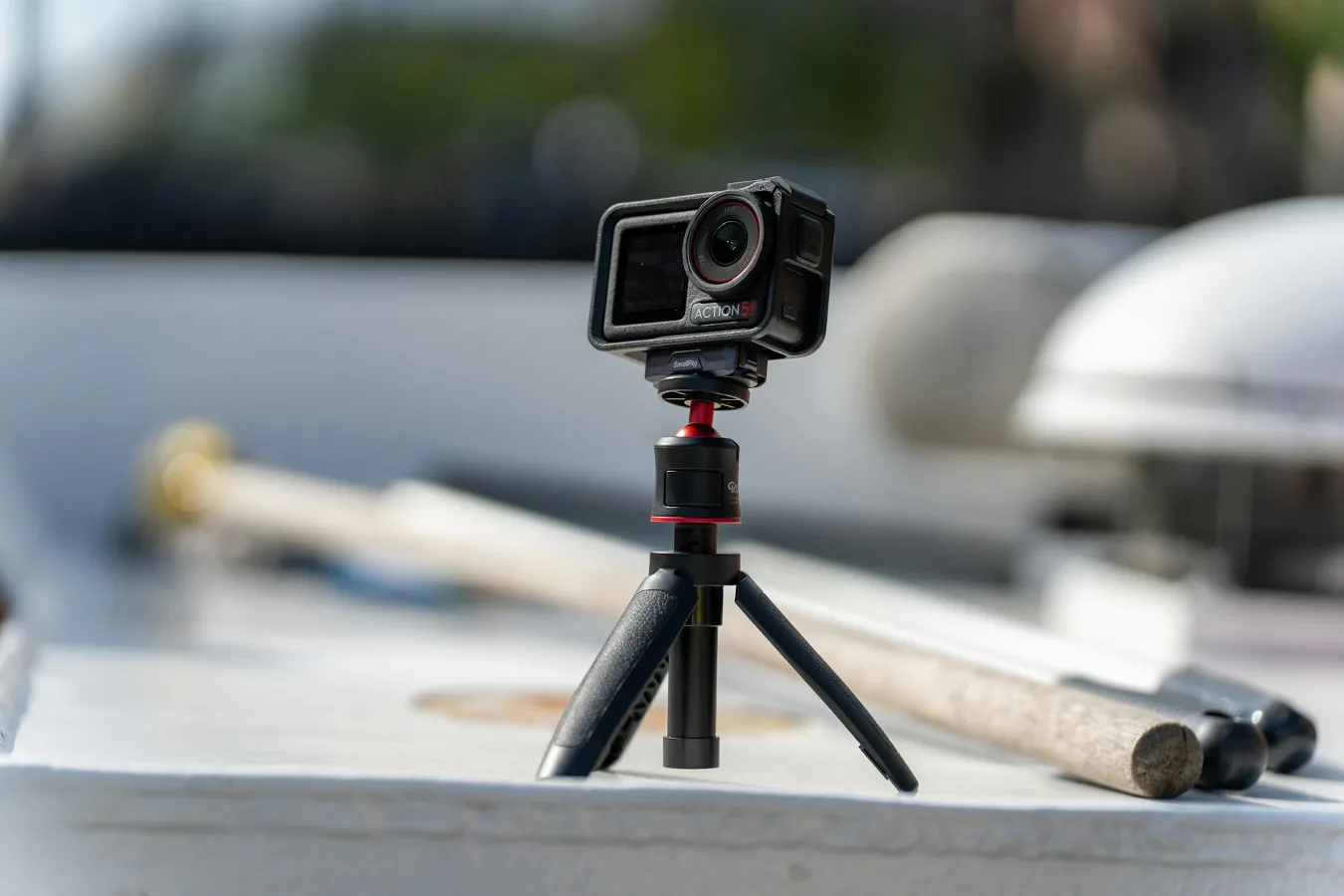
If you want a good camera for action shots, start with three things: fast autofocus, dependable subject tracking, and a shooting speed that keeps up with the moment. For most buyers, the right camera is less about the highest spec sheet number and more about how well it handles unpredictable movement in the real world. vtech camera kidizoom action cam offers more detail on this point.
Action photography covers a lot of ground. It might mean soccer on a weekend sideline, a dog running across a yard, birds in flight, skateboarding, motorsports, or kids racing through a park. Those situations do not all demand the same camera, but they do share one requirement: the camera has to lock focus quickly and keep it there while the subject moves.
What makes a camera good for action shots
The best cameras for action shots combine speed, accuracy, and consistency. A camera can have a high burst rate and still miss the moment if autofocus lags or the buffer fills too quickly. That is why the most useful features are the ones that work together.
- Autofocus performance: Fast acquisition and reliable tracking matter more than raw megapixel count.
- Continuous shooting speed: Helpful for capturing a sequence, especially in sports and wildlife.
- Buffer depth: Lets the camera keep shooting before slowing down.
- Viewfinder or screen response: A responsive display makes it easier to follow unpredictable movement.
- Lens compatibility: The best body still struggles with a slow or unsuitable lens.
One common misconception is that a very fast burst rate automatically guarantees better action photos. In practice, burst speed helps most when autofocus, tracking, and lens focus speed are already strong. If those pieces are weak, the extra frames may only give you more near-misses.
Buyer scenario: choosing the right camera for your kind of action
The ideal camera depends on what kind of movement you photograph most often. A buyer who shoots indoor basketball has different needs from someone photographing birds or surf. Thinking in scenarios makes the decision clearer than comparing generic feature lists.
For youth sports and field action
For soccer, baseball, basketball, and similar subjects, prioritize reliable subject detection, a comfortable grip, and a camera that responds quickly when players change direction. A camera with strong tracking can help, but lens choice also matters. A telephoto zoom is often more practical than a short lens because it gives you room to frame the action from the sidelines. camera settings that help freeze motion offers more detail on this point.
For wildlife and birds
Wildlife photography adds distance and unpredictability. A camera that supports accurate tracking and pairs well with longer lenses is usually the better fit. Here, reach matters, but so does portability. Large telephoto setups can be excellent, yet they are heavier and more tiring to carry for long sessions.
For travel, pets, and everyday motion
If your action shots are more casual, such as children running, pets playing, or street movement, you may not need the most advanced body available. A midrange camera with dependable autofocus and a responsive shutter can be a smarter balance of cost and usability.
Trade-offs that matter before you buy
Action-focused cameras are built around speed, but speed comes with compromises. Understanding those trade-offs helps you avoid buying more camera than you need or, just as often, too little camera for the job.
Speed versus portability
Smaller mirrorless bodies are easier to carry, but some users find them less comfortable with large telephoto lenses. Larger bodies can improve balance and handling, especially for long sessions or heavy glass, but they add bulk.
Resolution versus workflow
Higher-resolution sensors can be useful for cropping, especially in wildlife work. The trade-off is larger files and more demanding storage and editing. If you mostly deliver images quickly or do not crop much, extreme resolution may not be the best priority.
Electronic shutter versus mechanical shutter
Many modern cameras offer an electronic shutter for silent or faster shooting. That can be useful in sports or wildlife, but some cameras can show rolling shutter distortion with rapid motion or fast panning. A mechanical shutter may be a safer choice in situations where distortion would be distracting.
Advanced autofocus versus ease of use
High-end tracking features can be powerful, but they are not always simple. Some cameras require careful setup of autofocus area modes, subject detection options, and tracking behavior. If you want something easier to learn, a camera with good default behavior may be more valuable than one packed with features you will not use.
Material and spec factors worth checking
For action photography, the most relevant specifications are the ones tied directly to responsiveness and durability. Not every spec deserves equal attention.
| Factor | Why it matters | What to look for |
|---|---|---|
| Autofocus system | Affects how quickly the camera acquires and tracks motion | Subject detection, tracking modes, and responsive point selection |
| Continuous shooting | Helps capture peak movement in a sequence | A burst mode that stays usable with your file format and autofocus settings |
| Buffer depth | Determines how long the camera can keep shooting before slowing down | Enough depth for the length of action you usually photograph |
| Lens mount and lens lineup | Limits or expands your ability to match the camera to the subject | Access to fast, sharp telephoto or zoom lenses |
| Body grip and controls | Improves stability and reaction time | Comfortable grip, easy access to drive and autofocus controls |
| Weather resistance | Useful for outdoor sports and field use | Protection that suits the conditions you realistically shoot in |
Lens choice is often the overlooked factor. A fast body paired with a sluggish lens can feel disappointing, while a more modest camera with a responsive lens may perform better than expected. For action, autofocus speed is a system outcome, not just a body feature.
Battery life also deserves attention, especially for tournament days, long hikes, or all-day events. Mirrorless cameras have improved, but heavy use of continuous autofocus, bursts, and bright rear screens can still drain power faster than many casual buyers expect.
Choosing between mirrorless and DSLR for action photography
Both mirrorless cameras and DSLRs can handle action shots, but they tend to serve different priorities. Mirrorless models usually offer stronger subject detection features, quieter operation, and modern autofocus aids in the viewfinder or display. DSLRs can still be appealing for photographers who prefer optical viewfinders, longer battery life, or a familiar handling style. mirrorless vs DSLR for action photography offers more detail on this point.
The better choice depends on what matters most to you. If you want newer autofocus behavior and a broad path for future upgrades, mirrorless is usually the more flexible direction. If you already own compatible lenses and prefer the feel of a DSLR system, that can still be a sensible and cost-effective route.
A practical nuance is that camera body recommendations rarely make sense without the lens ecosystem attached. A system with excellent midrange telephoto zooms may be more useful for action than a body with impressive specs but limited lens options in your budget.
Common mistakes buyers make
People shopping for a good camera for action shots often focus on the wrong detail first. Avoiding a few common mistakes can save money and frustration.
- Buying on burst rate alone: More frames per second do not guarantee sharper or better-timed shots.
- Ignoring autofocus behavior: Tracking performance matters more than headline speed in many real situations.
- Overlooking lens cost: Action photography often depends on lenses that are faster or longer than expected.
- Choosing too much camera: Advanced features can be unnecessary if you are shooting casual family sports.
- Forgetting ergonomics: A camera that feels awkward in hand is harder to use under pressure.
- Neglecting storage and workflow: Fast bursts and high-resolution files can mean bigger cards and more editing time.
Another mistake is assuming that a single camera will be ideal for every action scenario. A body that excels at indoor sports may not be the most comfortable wildlife setup, and a long-reach birding camera may be less convenient for fast-paced court sports. Matching the tool to the subject is usually the smarter way to shop.
What to prioritize if your budget is limited
If you cannot buy everything on the wish list, put your money toward the features that most directly improve keep rate and ease of use. For many buyers, that means a capable autofocus system, a lens that suits the subject, and a body that feels balanced in hand. Fancy extras like extremely high resolution, specialized video features, or niche shooting modes may be less valuable if your main goal is simply getting sharp action images.
Used or previous-generation bodies can also be worth considering, especially if they allow you to buy a better lens. In action photography, a strong lens-body balance often beats a newer body paired with an entry-level lens. That said, older cameras may lack the latest subject detection tools, so the trade-off should be evaluated carefully.
Next steps: how to narrow your options
To choose a good camera for action shots, start by naming your main subject. Sports, wildlife, pets, and casual family motion all lean toward slightly different setups. Then compare cameras based on autofocus reliability, burst behavior, lens ecosystem, and handling rather than on price alone.
- Identify the fastest subject you shoot most often.
- Decide whether you need reach, low-light performance, or portability most.
- Check which lenses fit your budget and subject distance.
- Look at the camera’s grip, controls, and autofocus layout.
- Consider whether you want a system that is easier to learn or one that offers more advanced customization.
If you are still undecided, it often helps to compare a few cameras in the same ecosystem side by side, with lens options included. That broader view usually reveals more than the body spec sheet alone. For action photography, the best camera is the one that lets you react quickly, stay focused on the subject, and finish the day without fighting the gear.
That combination of responsiveness, balance, and practical lens support is what turns a camera from merely fast on paper into a genuinely good camera for action shots.
