
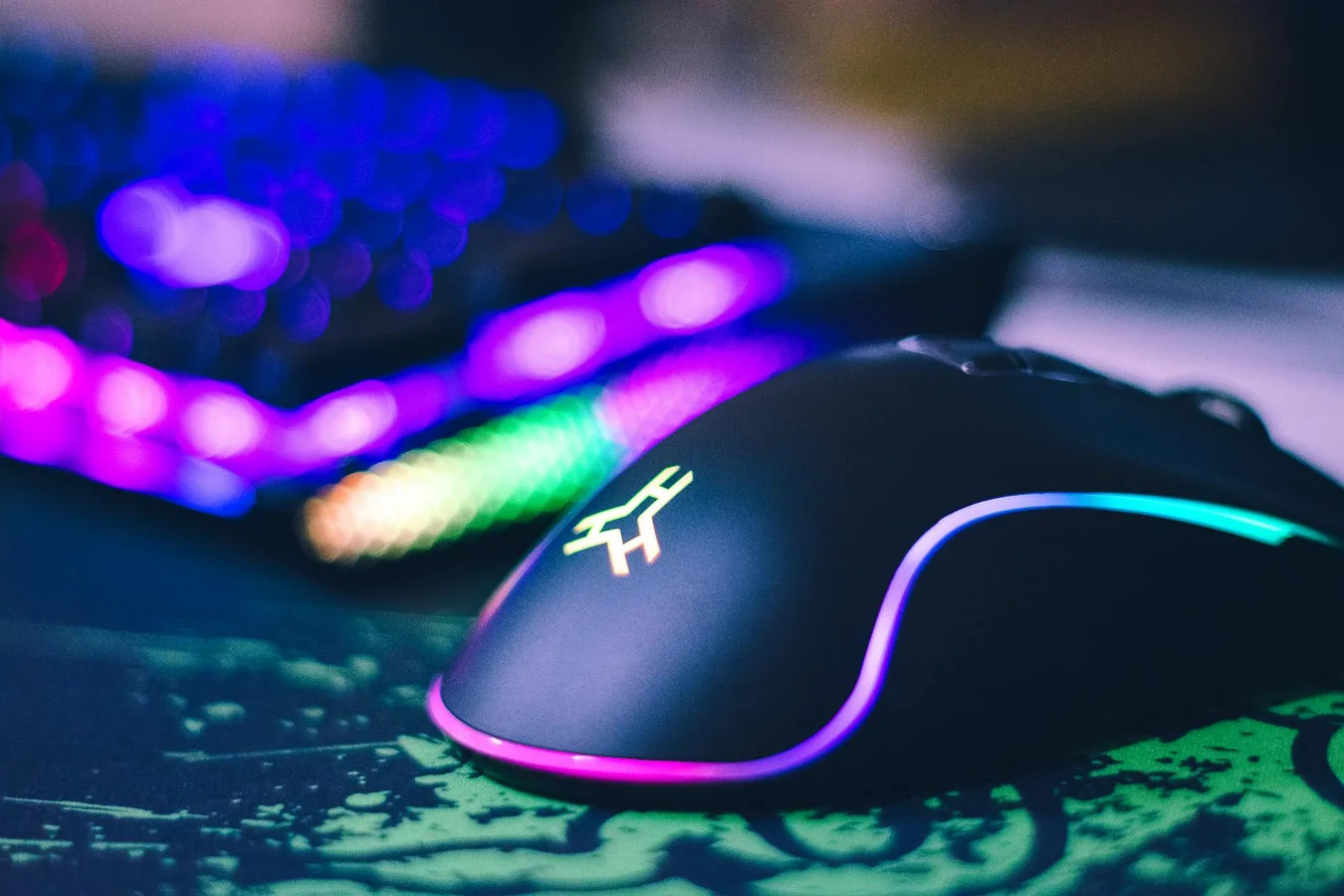
What a purple gaming mouse is really for
A purple gaming mouse is usually chosen for two reasons: it fits a themed setup, and it still needs to perform well for everyday gaming. The color is the easiest part. The harder part is finding a mouse shape, weight, sensor, and button layout that actually suits how you play. noiseless gaming mouse offers more detail on this point.
If you are shopping mainly because you want a purple desk setup, that is a valid starting point. But color should sit below fit and function in the decision order. A mouse that looks right but feels wrong will be more noticeable than one that is plain and comfortable.
For most buyers, the best purple gaming mouse is the one that balances style with practical details like grip comfort, connection type, programmable controls, and surface compatibility. Those are the factors that make a mouse pleasant to use long after the novelty of the color wears off.
When a purple gaming mouse makes sense
A purple gaming mouse matters most if you care about a coordinated setup. That includes themed battlestations, pastel desks, RGB builds, or matching accessories for a laptop or desktop workspace. It can also be a good fit if you simply want something less common than black or white.
There is also a practical side to the color choice. Some users find a brighter or more distinctive peripheral easier to spot on a cluttered desk. Others use color to separate a primary gaming mouse from a work mouse or backup device.
Where color should not drive the decision is performance-critical use. For fast-paced shooters, MOBAs, or long gaming sessions, shape and control tend to matter more than finish. A purple shell does not automatically make the mouse better or worse; the underlying design does.
Step-by-step criteria for choosing the right one
1. Start with grip style and hand size
The most overlooked part of choosing any gaming mouse is how you hold it. Palm grip, claw grip, and fingertip grip each benefit from different shapes. A mouse that is too tall, too narrow, or too short can cause hand fatigue even if the sensor is excellent. how to choose the right mouse grip offers more detail on this point. Large Gaming Mouse: How to Choose One offers more detail on this point.
Hand size matters too. Smaller hands often do better with compact or medium mice, while larger hands may prefer a fuller body with more support. If you know your usual grip style, use that as the first filter before you worry about color, lighting, or branding.
One common mistake is choosing a mouse by appearance alone. Purple models can be visually striking, but some are shaped more for aesthetics than for control. Curves, side contours, thumb grooves, and shell height affect comfort more than most buyers expect.
2. Decide whether wired or wireless fits your setup
Both wired and wireless gaming mice can work well. A wired mouse avoids charging and tends to be straightforward for users who want a simple, always-ready device. Wireless mice reduce desk clutter, which is especially appealing in a curated purple setup where clean lines and coordinated accessories matter.
The real question is convenience versus consistency. Wireless is often preferred for a tidier desk and easier repositioning, while wired may appeal if you want one less battery-related concern. If you use your mouse for work and play, think about how often you can tolerate charging or swapping power sources.
For some buyers, the cable is a small but real part of the experience. A flexible cable and good routing can make a wired mouse feel nearly unobtrusive, while a stiff cable can pull against the glide. That nuance matters more than many product photos suggest.
3. Look beyond DPI and focus on sensor quality
Many shoppers start with DPI because it appears on product listings, but DPI alone does not determine how good a mouse feels. Sensor quality, tracking consistency, and how the mouse responds on your desk or mouse pad are more important than a large number printed on the box.
If you play different genres, consider whether you need quick adjustment or steady control. Higher sensitivity can help in some situations, but too much sensitivity can make fine aiming harder. What matters most is whether the mouse tracks smoothly at the settings you actually use.
For an informational purchase, this is one of the easiest places to overbuy. A feature-heavy mouse is not always the best match for a casual player, and a simple one is not automatically limited. Choose based on actual use rather than spec inflation.
4. Check button layout and how you play
Button count should match your games and habits. A standard two-button mouse with a scroll wheel is enough for many users. Side buttons are helpful for hotkeys, push-to-talk, macros, inventory actions, or browser navigation, but too many controls can become distracting if you never use them.
MMO and productivity-heavy users often appreciate more programmable inputs. FPS players, on the other hand, sometimes prefer a cleaner layout with fewer accidental presses. The ideal purple gaming mouse is not the one with the most buttons; it is the one that gives you the controls you actually need without crowding the shell.
Also think about the feel of the clicks. Light, crisp switches may suit quick games, while a firmer click can reduce accidental activation. This is partly preference, but it becomes obvious after a few hours of use.
5. Pay attention to weight and glide
Mouse weight influences both comfort and speed. Lighter mice can feel nimble and easier to reposition, which is appealing for reaction-focused games. Heavier mice may feel more anchored and controlled, which some people prefer for broader desktop use or slower aim styles.
Glide matters alongside weight. Skates, base shape, and pad compatibility all affect how the mouse moves. A purple gaming mouse with a smooth finish still needs reliable feet and a surface that does not create unwanted drag.
This is an overlooked consideration: a mouse can feel excellent in the hand but awkward in motion if the feet and surface pairing are poor. If you use a textured desk, a cloth pad, or a hard pad, the same mouse may behave differently on each.
6. Consider surface finish and maintenance
Color and coating can affect how a mouse ages visually. A glossy finish may show fingerprints more easily, while some matte coatings can pick up shine in high-contact areas over time. That does not make either finish bad, but it does affect long-term appearance.
For a purple mouse, the shade itself also matters. Deep purple, lavender, pastel purple, and purple with RGB accents each create a different look on the desk. If you are matching keycaps, a desk mat, or a monitor light strip, think about whether you want the mouse to blend in or stand out.
Maintenance is usually simple: regular wiping, keeping dust out of seams, and caring for cable strain if the mouse is wired. If you use skin products, snacks, or a shared setup, expect the finish to need more frequent cleaning than a plain black model.
Common use cases and what to prioritize
For competitive or fast-paced play
Prioritize shape, weight, sensor consistency, and a layout that minimizes accidental clicks. A simpler purple gaming mouse with a comfortable shell may be better than a visually busy model with extra features you will ignore.
For MMO, RPG, or productivity-heavy gaming
Look for programmable buttons, comfortable side access, and a shape that supports longer sessions. If you use the mouse for both work and play, a mid-weight model with flexible software can be easier to live with day to day.
For a themed desk setup
Color harmony matters more here, but do not let that eclipse usability. A pastel purple mouse may pair well with a lavender keyboard, while a darker violet model may fit a more dramatic RGB build. Make sure the size still suits your hand and grip style.
For laptop or portable use
Portability and connection convenience become more important. A compact purple gaming mouse can be a better fit than a full-size model if you move between rooms, travel, or use a laptop bag frequently.
Benefits and trade-offs of choosing purple first
The main benefit is obvious: the mouse fits a personalized setup. That can make a desk feel more intentional and enjoyable. For many people, that matters because the tools they see every day should feel coherent, not improvised.
The trade-off is that some color-specific models offer fewer shape or feature choices than mainstream black options. If you limit yourself to purple only, you may have fewer sizes, sensor tiers, or button layouts to compare. That can be acceptable if the style goal is strong, but it should be a conscious trade-off rather than an accidental one.
Another limitation is future matching. Purple accessories are easier to coordinate when you already know your theme, but they can be harder to pair with unrelated peripherals later. A neutral mouse is more versatile; a purple one is more expressive.
Examples of how different buyers should narrow the choice
- Minimalist gamer: Choose a purple mouse with a simple shell, comfortable grip, and only the buttons you need.
- RGB setup fan: Look for a mouse whose purple finish works well with lighting rather than fighting it visually.
- Multi-use desktop user: Favor comfort, reliable scrolling, and software that does not feel cumbersome.
- Traveling laptop user: Prioritize compact size, easy connection, and a cable or battery setup that suits mobility.
- Genre-specific player: Match the mouse to the game type instead of choosing based on color alone.
A practical checklist before you buy
- Does the mouse fit your grip style?
- Is the size appropriate for your hand?
- Do you want wired or wireless convenience?
- Are the side buttons placed where you can reach them comfortably?
- Does the weight sound suitable for your games and desk use?
- Will the finish be easy enough to keep looking clean?
- Does the shape support your intended session length?
- Will it match the rest of your purple or RGB setup?
- Is the mouse pad or surface you use compatible with it?
- Do you need software features, or would a simpler model be better?
Common mistakes to avoid
Do not assume that all purple gaming mice are aimed at the same audience. Some are designed for style-focused setups, some for productivity, and some for gaming genres that rely on different grip and control needs.
Do not overvalue spec sheets without considering ergonomics. DPI range, button count, and lighting can be useful, but they do not compensate for a shape that does not suit your hand.
Do not ignore the desk surface. A mouse that feels precise on a pad may feel less predictable on a glossy table. Likewise, wireless convenience is less helpful if you dislike charging routines.
Finally, do not let the color theme push you into a poor fit. A purple mouse should complement your setup, not force you into a compromise that affects comfort every day.
How to compare purple gaming mouse options without getting lost
If you are comparing several models, rank them in this order: fit, controls, connection type, weight, then aesthetics. That sequence keeps the practical needs first while still leaving room for design preferences.
If two mice feel equally suitable, then color, RGB behavior, and finish become legitimate tie-breakers. That is the healthiest way to shop for a themed peripheral: style resolves the final decision, not the whole decision.
For broader computer accessories guidance, it also helps to compare the mouse with the rest of your setup. A purple mouse may look best alongside matching keycaps, a neutral keyboard, or a coordinated mouse pad depending on how bold you want the desk to feel. The best setup is usually the one that looks deliberate and works comfortably every day.
What matters most, and what does not
A purple gaming mouse is worth choosing when it brings personality to your setup without compromising ergonomics or control. The color itself is a feature, but not the most important one. Shape, grip comfort, sensor behavior, button placement, and connection type are the parts that decide whether you enjoy using it.
If you keep those priorities in order, you can choose a mouse that looks distinctive and still feels right for long sessions, casual play, or a clean desktop build. That balance is what makes a themed peripheral actually useful instead of merely decorative.
