
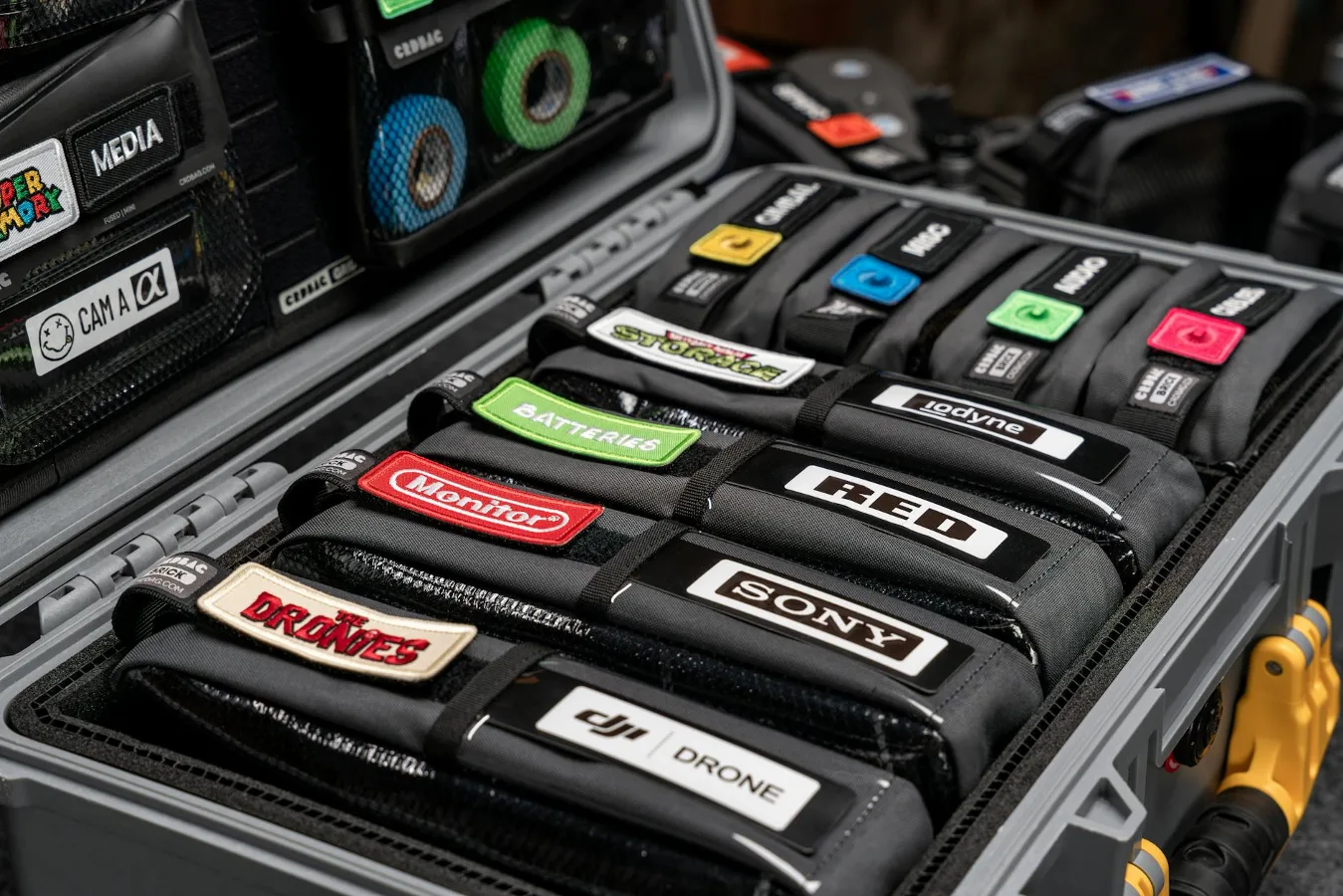
If you carry an action camera, the right accessory bag is usually the difference between a clean, ready-to-shoot kit and a drawer full of loose mounts, cables, batteries, and adapters. The best action camera accessories bags are compact enough to travel with, protective enough for small electronics, and organized enough that you can find the part you need quickly. how to organize action camera mounts offers more detail on this point. Best Mounts for GoPro Action Cameras offers more detail on this point. How to Choose an Action Camera Tripod offers more detail on this point.
For most buyers, the best choice is a bag or case with structured compartments, secure closures, and enough flexibility to hold your actual setup rather than a generic “one-size-fits-all” kit. That means thinking less about the bag itself and more about how your camera, mounts, batteries, memory cards, charging cables, and tools fit together in real use.
Quick answer: what to look for first
Start with three questions: how much gear do you carry, how rough is your travel, and how often do you need to access items on the move. If you only bring a camera, a couple of batteries, and a few mounts, a compact case or padded pouch may be enough. If you travel with multiple mounts, charging gear, and spare parts, look for a structured organizer with adjustable dividers or elastic loops.
The most useful action camera accessory bags usually balance four things:
- Protection for small electronics and fragile mounts
- Organization so batteries, cards, and cables do not get mixed together
- Portability for backpacks, carry-ons, and day trips
- Access so you can grab the right piece without unpacking everything
A common misconception is that a larger bag is automatically better. In practice, extra space often becomes wasted space, and loose gear can shift around more. A bag that fits your real kit is usually more practical than a roomy case that invites clutter.
Compare the main bag styles
Action camera accessory bags come in a few common formats, and each one fits a different type of user. The right choice depends on how much separation and protection you need.
| Bag style | Best for | Main advantage | Trade-off |
|---|---|---|---|
| Compact zip pouch | Minimal kits, short trips | Lightweight and easy to pack | Limited structure and protection |
| Structured hard case | Travel, packed luggage, fragile items | Better impact resistance | Bulkier and less flexible |
| Soft organizer with dividers | Mixed accessories and frequent use | Flexible storage with decent organization | Less protective than a hard case |
| Modular pouch system | Creators who split gear by activity | Easy to separate batteries, mounts, and cables | Can become fragmented if overcomplicated |
Soft organizers are often the most versatile choice for action camera users because the gear is small, varied, and easy to misplace. Hard cases make more sense if your bag gets tossed around in a car, checked luggage, or an outdoor setup where crush protection matters more than size. Pouches work well for a very lean kit, especially if you want to slip the bag into a larger camera backpack.
What matters most when choosing one
Interior layout
The interior layout matters more than many buyers expect. Action camera kits rarely include just one category of item. You may need room for batteries, mounts, charging cables, a charging hub, adhesive bases, thumb screws, lens covers, and memory cards. A bag with a flat, open compartment can work, but it may not help much if tiny parts slide together and get hard to find.
Look for a layout that matches your habits. Elastic loops help with cables and mounts. Mesh pockets make small accessories visible. Divider panels help separate fragile items from heavy ones. If you carry a mix of items, the best bag is often the one that lets you assign a place to each category of gear.
Protection level
Protection is not only about drops. Small accessories can be damaged by pressure from other objects in a backpack, by rubbing against hard edges, or by moisture during travel. A padded shell, reinforced walls, or a water-resistant exterior can reduce that risk. For users who shoot outdoors, a bag with some weather resistance is often more useful than a purely decorative travel pouch.
That said, overbuilding protection has a cost. A heavily reinforced case can take up too much room for everyday carry. If your bag lives inside a larger camera backpack, moderate padding may be enough. If it travels alone in a car or roller bag, stronger protection becomes more valuable.
Size and packing efficiency
One overlooked consideration is how efficiently the bag uses space when fully packed. Some cases hold the same amount of gear on paper, but one does it with a tidy shape and the other becomes awkward and bulky. If you travel often, a compact rectangular form is usually easier to stack in luggage than a tall or irregular shape.
Try to match the bag to the size of the accessories you actually use. If you only own a few mounts, a large organizer can encourage you to carry extras you do not need. If your kit changes often, a slightly more flexible design may be smarter than a tightly fitted case.
Closure and access
Zippers, flap closures, and clamshell openings all have different advantages. A full clamshell opening offers fast visibility, which is useful when you need to see every item at once. A top-opening pouch can be quicker for simple grab-and-go use. Zippers should feel smooth and secure, since a sticky or flimsy closure is frustrating on the road.
Accessibility matters most for frequently used items such as batteries and memory cards. If the bag buries them beneath bulky mounts, it will slow you down. Think about your most common shooting workflow and place the bag design above aesthetics.
Material and upkeep
Materials affect durability, cleaning, and how the bag feels in everyday use. Fabric organizers tend to be lighter and more flexible, while molded or semi-rigid cases usually offer more shape retention. A smooth interior can be easier to wipe clean if you carry gear after dusty outdoor sessions. If you often shoot near water, sand, or trails, maintenance becomes part of the decision, not an afterthought.
Choose a bag that is easy to empty and clean. Small hardware, grit, and lint can build up quickly in accessory storage. A design that sheds debris easily will save time and help keep connectors, mounts, and battery contacts cleaner.
What to store together and what to separate
Not every accessory should share the same compartment. Grouping gear by function can reduce clutter and protect delicate items.
- Keep batteries separate from metal tools and loose screws when possible.
- Store memory cards in a dedicated pocket or wallet-style slot so they do not disappear into larger compartments.
- Place mounts and adapters together if you use them as a set.
- Bundle charging cables with straps or loops so they do not tangle with small parts.
- Protect lens covers and filters from scratches by keeping them away from rough hardware.
This is where many buyers underestimate the value of an organized bag. A good bag does more than carry items; it creates a repeatable system. If every accessory has a place, packing gets faster and forgotten items become less common.
Common mistakes to avoid
One of the most common mistakes is buying for a hypothetical future kit instead of the equipment you own now. It is easy to assume you will expand later, but oversized storage often becomes messy storage. Another mistake is choosing a bag based only on exterior appearance. A sleek shell is not useful if the interior does not support your workflow.
Other frequent issues include:
- Ignoring accessory shape and ending up with a bag that wastes space around oddly shaped mounts
- Overstuffing soft cases, which can stress zippers and reduce protection
- Mixing small metal parts with batteries or cards
- Choosing poor visibility, making it hard to spot the part you need
- Overlooking portability, especially if the bag must fit inside a backpack or carry-on
A practical rule: if you cannot repack the kit quickly after use, the bag probably does not match your workflow.
Who benefits from each option
Minimalist travelers usually do best with a compact pouch or slim organizer. These keep the load light and avoid unnecessary bulk.
Weekend creators and hobbyists often prefer soft organizers with compartments. They offer a nice balance of visibility, packing flexibility, and protection.
Frequent flyers or road travelers may want a structured or semi-rigid case, especially if gear is packed with other items and handled repeatedly.
Outdoor users should prioritize closure security, some moisture resistance, and an interior that keeps dirt from spreading to every accessory.
Multi-camera or multi-mount users need stronger organization than the average buyer. Modular storage can help separate setups by activity, but only if you are disciplined about returning items to the right pouch.
Alternatives if a dedicated accessory bag is not enough
Some users do better with a larger camera backpack that includes accessory compartments, especially if they already carry other gear such as lenses, a charger, or a tripod. Others prefer a small pouch system inside a general travel bag. If you only need storage for a few items, a compact electronics organizer may be enough and may cost less than a camera-specific case.
There is also a middle ground: a main bag for your camera and a smaller accessory pouch for batteries, cards, and charging cables. That approach can be more flexible than trying to force every item into one container.
How to choose without overbuying
The easiest way to choose well is to lay out everything you plan to carry together. Then ask three practical questions: Does each item have a clear place, does the bag fit inside your other luggage, and can you reach the most important items quickly? If the answer is yes, the bag is probably a good match.
For action camera users, the best bag is rarely the largest or the most heavily marketed one. It is the one that keeps small accessories protected, visible, and ready for the next shoot without adding unnecessary bulk.
If you are comparing options, focus on the interior first, then protection, then portability. That order usually leads to a more useful choice than starting with style or brand familiarity alone.
A well-chosen accessory bag does not just store gear. It keeps your action camera kit organized enough that you spend less time searching and more time filming.
