
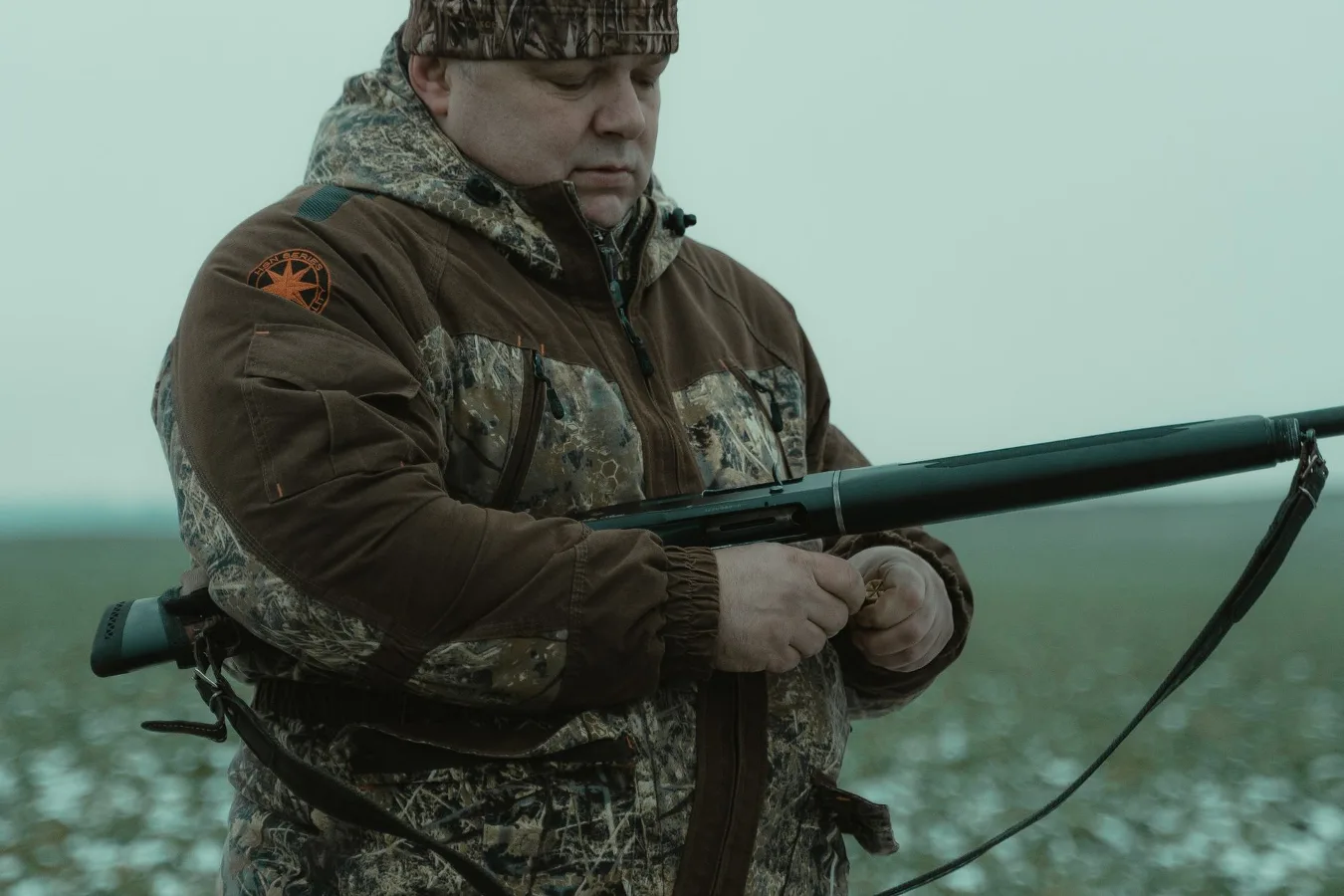
If you want a hunting action camera, the best choice is usually a compact, rugged camera that can handle weather, mount securely to your gear, and stay usable when light gets poor. For most hunters, the right model is less about flashy specs and more about practical details such as battery life, low-light performance, stabilization, mounting flexibility, and how easy it is to operate quietly in the field. action camera mount offers more detail on this point. how to choose a camera for low-light filming offers more detail on this point.
That matters because hunting adds constraints that regular action cameras do not always handle well. You may be dealing with early-morning darkness, gloves, cold weather, recoil, brush, or limited room on a bow, helmet, chest rig, or rifle setup. A camera that looks great on paper can still be frustrating if it is awkward to mount, drains quickly, or records shaky footage that is hard to review later.
What a hunting action camera should do well
A hunting action camera is typically used to record the moment before a shot, capture the view from your gear, or document a whole hunt for review and sharing. The best models for this job tend to prioritize a few core traits over everything else.
- Stable mounting: The camera should stay put on a bow, helmet, pack strap, chest harness, or weapon mount without constant adjustment.
- Rugged construction: Outdoor use can mean bumps, moisture, dust, and cold conditions, so a durable body matters.
- Simple controls: Buttons should be easy to find and operate without making noise or taking your attention away from the hunt.
- Acceptable low-light performance: Many hunts happen at dawn, dusk, or under tree cover, where image quality can drop fast.
- Practical battery life: A long day outdoors often exposes weak battery performance faster than casual use does.
These needs make hunting camera shopping different from buying a general action camera for travel or sports. Video resolution still matters, but it should not be the only thing you look at.
How to compare hunting action cameras
The best way to narrow your options is to compare cameras by how they fit your actual hunting style. A camera for bowhunting does not need the same setup as one used for saddle hunting, rifle hunts, or guided filming from a blind.
Mounting and field of view
Mounting is one of the most overlooked considerations. A camera can have strong video quality and still be a poor fit if the mount is awkward or unstable. Before buying, think about where the camera will live most of the time. A chest mount gives a centered perspective, but it may capture more gear and less of the target area. Helmet mounts can follow head movement, which is useful in some situations but distracting in others. Weapon mounts and bow mounts are more specialized and can create a narrower, more intentional view.
The lens field of view also changes how your footage feels. A wider view can make it easier to capture the shot and surroundings, but it may make subjects look smaller or farther away. Narrower framing can feel more natural in some hunting scenarios, but it requires more precise aim and positioning.
Battery life and power management
Battery life is a real-world constraint, especially in cold weather. Even a camera that performs well in mild conditions may lose runtime when temperatures drop. If you plan to film a long sit, consider whether the camera supports spare batteries, external power, or power banks that can be carried discreetly. Also think about how easy it is to swap batteries without making noise or taking your gloves off for too long.
Many buyers focus on battery specs and forget to factor in actual use habits. Recording continuously, using wireless features, keeping the screen on, or leaving stabilization active can all shorten runtime. If you want dependable field use, choose a camera with a power setup that matches your style rather than assuming the largest advertised battery number will solve everything.
Low-light performance
Low-light performance is especially important for dawn and dusk hunting. This is one of the biggest gaps between a casual action camera and one that feels genuinely useful outdoors. In dim conditions, footage can become noisy, soft, or muddy, and fast movement can look less clear. A camera with strong low-light behavior will usually give you more usable footage during the hours hunters care about most. action cameras for outdoor use offers more detail on this point.
If a product description emphasizes ultra-high resolution but says little about low-light handling, treat that carefully. Resolution alone does not guarantee clear footage in the woods. Sensor behavior, lens quality, and processing matter just as much.
Stabilization and recoil tolerance
Image stabilization can make a major difference if you are walking, climbing, drawing, or tracking movement. It helps reduce the jitter that makes footage hard to watch. That said, stabilization is not a cure-all. Very aggressive stabilization can sometimes crop the frame or change the natural feel of the footage.
If you plan to mount a camera on a rifle or use it in other high-movement settings, think about how the camera behaves during sudden motion rather than just its general smoothness. For some hunters, a slightly less polished but more predictable image is preferable to footage that looks overprocessed.
Noise, controls, and stealth
Hunting gear should not create avoidable noise. Button clicks, startup chimes, bright indicator lights, and awkward screen interactions can all become annoying in the field. A good hunting action camera should be simple enough to start, stop, and check without drawing attention. If voice control is available, it can be convenient, but it should not be treated as essential; wind, distance, and background noise can limit reliability.
Stealth also includes visual discretion. A bright, glossy camera may stand out more than a subdued one. While camouflage is not mandatory for every use, a low-profile design is often more practical than a flashy body with oversized accessories.
Comparison of common hunting camera setups
Different hunting styles call for different camera placements. The most useful setup is the one that fits your equipment, movement, and field conditions.
| Setup | Strengths | Trade-offs | Best for |
|---|---|---|---|
| Chest mount | Centered viewpoint, relatively stable, easy to wear for long periods | Can capture more gear and less of the subject area | General hunting footage, hiking into position, hands-free recording |
| Helmet mount | Tracks your line of sight naturally | Can feel top-heavy or awkward with some headgear | Mobile hunts, tree-stand movement, tracking where you look |
| Bow mount | Captures the aiming perspective and shot sequence | Requires careful alignment and can be sensitive to vibration | Bowhunting and close-range shot documentation |
| Weapon mount | Direct view of the target area | May be limited by balance, recoil, or mounting compatibility | Rifle setups and controlled filming from the shoulder |
| Pack or strap mount | Flexible and easy to move between trips | Less precise framing than dedicated mounts | Scout footage, approach shots, general field documentation |
One practical nuance: the best video quality on a spec sheet can become irrelevant if the mount changes constantly or shifts under load. For hunting, reliable positioning often matters more than headline features.
Mistakes to avoid when buying a hunting action camera
Many buyers make the same mistakes when shopping for outdoor recording gear. Avoiding them can save money and frustration.
- Choosing specs instead of usability: A high-resolution camera is not automatically a better hunting camera if it is hard to mount or manage quietly.
- Ignoring low-light conditions: Daytime video samples can be misleading if you often hunt in dim woods, blinds, or twilight.
- Overlooking battery behavior in cold weather: A camera that seems fine for casual use may not hold up during a long sit in the cold.
- Buying without checking mount compatibility: Accessories, adapters, and attachment systems vary widely.
- Assuming one camera fits every hunt: A setup that works for bowhunting may not be ideal for tracking, scouting, or rifle use.
- Forgetting about handling noise: Buttons, doors, and screen use can be more disruptive than expected.
A common misconception is that hunters only need the most rugged camera available. Ruggedness helps, but a camera that is overbuilt, heavy, or awkward can be less useful than a simpler model that matches your setup. The real goal is fit, not toughness for its own sake.
Features that usually matter most in practice
If you are comparing models and trying to avoid feature overload, keep your attention on the details that affect field use most directly.
- Mounting system: Look for secure attachment and easy repositioning.
- Weather resistance: Outdoor conditions can change quickly, so basic protection is helpful.
- Video stabilization: Helpful for walking, climbing, and fast movement.
- Battery strategy: Spare batteries or external power can be more useful than a slightly better resolution setting.
- Low-light usability: Important for dawn, dusk, and heavy cover.
- Simple controls: Especially valuable when wearing gloves or keeping movements minimal.
- Storage handling: Consider how quickly files fill up if you record long sessions.
Storage is another overlooked consideration. Higher-quality video can create larger files, which means more frequent card changes and more time spent offloading footage later. If you want a camera for regular hunts, think about your workflow, not just the camera itself.
When an action camera may not be the best fit
An action camera is a strong choice for many hunters, but not every scenario benefits from one. If your main goal is static observation rather than first-person footage, a trail camera or other fixed-camera setup may be more suitable. If you need long-term monitoring rather than on-body recording, a dedicated scouting camera can do a better job with less attention from you.
For hunters who mainly want proof of movement at a stand location, a trail camera may be the more practical tool. For those who want a mounted perspective and short-form footage of the hunt itself, an action camera makes more sense. The right choice depends on whether you want to document the environment, the hunt, or both.
How to decide with confidence
Start with your hunting style, then work backward to the camera. If you need a compact rig for active movement, prioritize size, mounting, and stabilization. If you spend long hours in one place, focus on battery management, low-light performance, and ease of operation. If you film mostly for review rather than sharing, reliable capture matters more than cinematic polish.
That is the practical difference between a good-looking product listing and a useful hunting setup. The best hunting action camera is the one that stays out of your way, survives the conditions you actually face, and records footage you can use later without a lot of correction.
If you are comparing options across the broader camera cluster, it also helps to look at related topics such as action camera mounts, low-light shooting basics, and compact outdoor camera accessories. Those supporting pieces often make a bigger difference in the field than a single spec line on the box.
