
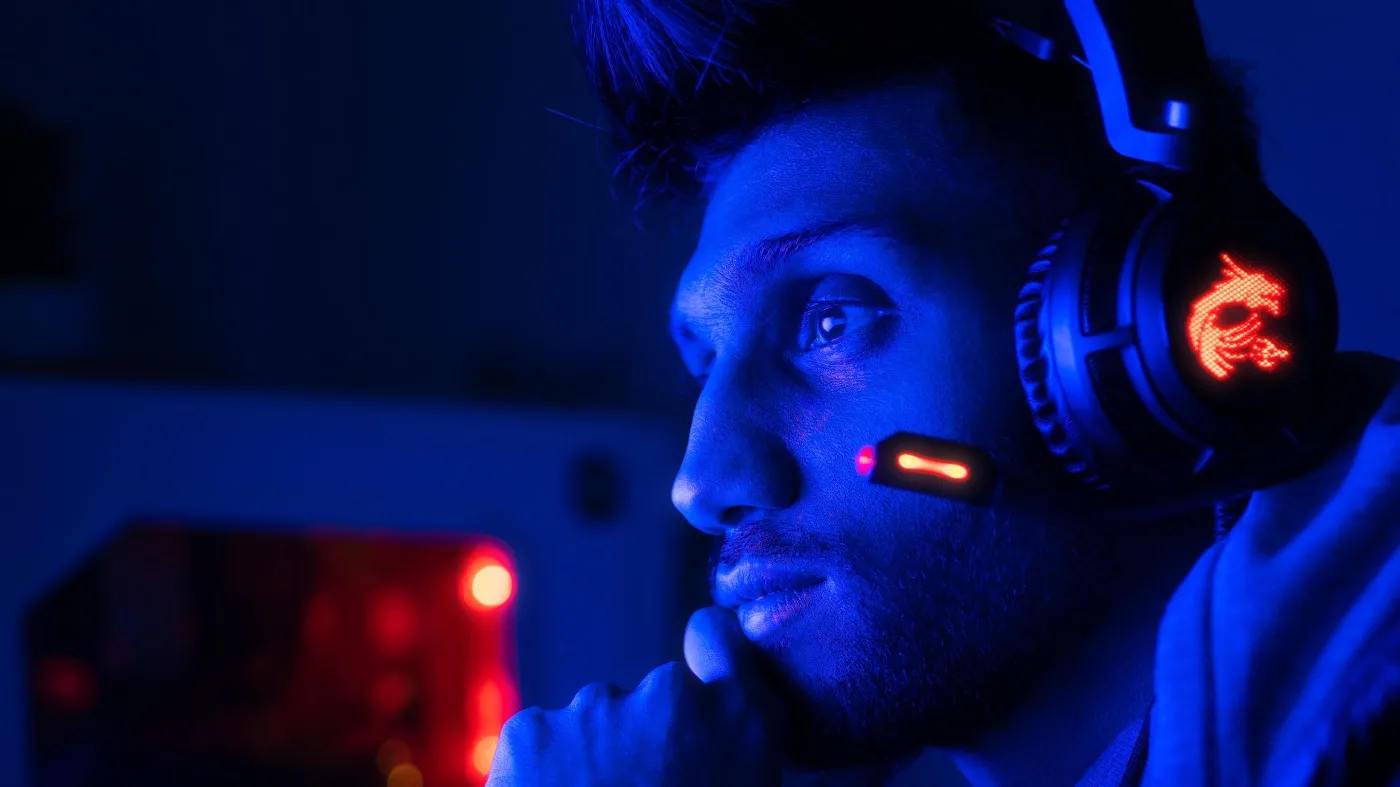
If you’re shopping for a Viper gaming headset, the right choice usually comes down to a few practical questions: Will it stay comfortable for long sessions? Does the microphone sound clear enough for team chat or streaming? Will it work with your PC, PlayStation, Xbox, Switch, or mobile device without extra hassle? gaming headset comfort guide offers more detail on this point. sades gaming headset offers more detail on this point.
For a buyer-focused search like this, the best headset is not necessarily the one with the biggest feature list. It’s the one that fits your platform, your play style, and the way you actually use voice chat. That matters because gaming headsets can look similar on paper while feeling very different in real use.
This guide breaks down the decision factors that matter most for a Viper gaming headset, along with the trade-offs to watch for and the mistakes many buyers make before they compare the details.
Start with the use case, not the brand name
A headset can only be “right” if it matches how you game. A Viper gaming headset might appeal if you want an all-in-one solution for game audio and chat, but the best pick depends on your setup.
Ask a few simple questions before comparing models:
- Do you mainly play on PC, console, or both?
- Do you use voice chat often?
- Do you play for short sessions or hours at a time?
- Do you prefer a wired connection or the freedom of wireless?
- Do you care more about hearing footsteps and positional cues, or about rich, cinematic sound?
These questions matter because the same headset can be excellent for one type of user and awkward for another. For example, a USB headset may be convenient for PC gamers but less flexible across consoles. A 3.5mm analog headset may be more broadly compatible, but you may give up some convenience features.
The key factors that separate a good headset from a frustrating one
Comfort is not just a luxury
Comfort is usually the first thing people stop noticing when a headset fits well, and the first thing they complain about when it doesn’t. Look at clamp force, headband padding, ear cup depth, and the material used on the pads. A heavier headset can feel fine for short sessions and tiring over time. A lighter headset may feel easier to wear, but only if it still feels sturdy enough for daily use.
Overlooked comfort issues often show up after the first hour: pressure on the jaw, heat buildup around the ears, or a headband that creates a hotspot. Those problems are easy to miss if you only look at appearance or driver size.
Microphone quality matters more than most spec sheets suggest
For many gamers, the mic is the real deciding factor. A clear microphone helps with team coordination, and it matters even more if you use the headset for Discord, livestreams, or remote meetings. What you want is not just loud input; you want speech that stays understandable without sounding overly thin, muffled, or noisy.
Detachable or flip-to-mute microphones can be useful if you want a cleaner setup, but convenience should not distract from the actual voice quality. If you often play in a room with background noise, look for a mic design that handles side noise well and pick up your voice cleanly at normal speaking volume.
Sound tuning should match your games
There is no single “best” sound profile for every player. Some headsets emphasize bass for explosions and cinematic games. Others lean toward a more balanced tuning that makes footsteps, dialogue, and subtle audio cues easier to hear. Competitive players often prefer clarity and separation over heavy bass, while casual players may enjoy a fuller, more dramatic sound.
That trade-off is easy to overlook. A headset that sounds exciting in a quick demo can become fatiguing if the low end is too boosted or the treble is too sharp. If you play a mix of shooters, RPGs, and story-driven games, a more balanced signature is usually the safer choice.
Platform compatibility can make or break the purchase
Compatibility is one of the most common buying mistakes. A headset may physically connect to your device but still not support all the features you expected. Before buying, confirm how the Viper gaming headset connects and whether your preferred platform supports chat, audio controls, and mic input the way you need.
In general:
- USB headsets often work best on PC and some consoles, but feature support can vary.
- 3.5mm headsets usually offer broad compatibility, especially with controllers and mobile devices.
- Wireless headsets can be convenient, but they may need a dongle or specific console support.
If you switch between PC and console often, cross-platform compatibility may matter more than extra software features. If you stay on one system, you can focus more on comfort and sound quality.
Build materials affect long-term value
Gaming headsets get handled a lot: stretched on and off, tossed onto desks, and packed into bags. Materials matter because they influence durability, weight, and comfort. Plastic builds can be light and affordable, but the quality of hinges and adjustment points matters more than the material label alone. Metal reinforcement can improve confidence, though it may add weight.
Ear pad material also affects the experience. Faux leather can feel plush and help with passive noise isolation, but it may run warmer. Fabric pads can breathe better, though they may not isolate outside noise as well. Your room temperature and session length should influence that choice more than style alone.
Practical solutions for common buying situations
If you want a headset mainly for competitive play
Prioritize clear imaging, stable fit, and a microphone that transmits speech cleanly. Competitive gamers usually benefit from a headset that does not overwhelm the mids and highs with too much bass. You want to hear positional details without constantly adjusting volume.
Wireless can still work here, but only if latency is low enough for your preferences and the connection is reliable in your setup. If you are highly sensitive to delay, wired remains the simpler option. wired vs wireless headsets offers more detail on this point.
If you want one headset for gaming, music, and calls
Look for a more balanced tuning, comfortable pads, and easy switching across devices. A headset that sounds enjoyable for music usually has a less aggressive gaming profile, which can be a good thing if you do not want a headset that only works well in one context.
For mixed use, software tuning can help, but it should not be a substitute for a good base sound signature. A flexible headset should sound decent even before you start adjusting EQ.
If you play on console and PC
Cross-platform users should focus on connection type first. A straightforward 3.5mm model may avoid unnecessary complications, while some USB or wireless models may deliver better features on one platform than another. Read the fine print carefully, especially if you rely on chat mix controls, sidetone, or platform-specific software.
This is one of the most overlooked considerations: a headset can be excellent on one device and merely average on another because the feature set does not carry over cleanly.
If you use your headset in a noisy household
Passive noise isolation becomes more valuable than raw bass impact. Closed-back ear cups and well-sealing pads help reduce distraction, though they can also trap heat. A microphone with decent background rejection is just as important, because noisy rooms can make otherwise good voice chat sound cluttered.
If you share a space, comfort and isolation often beat flashy sound effects. A headset that keeps you focused without forcing high volume is usually the smarter pick.
Trade-offs worth thinking through before you buy
| Decision area | What you gain | What you may give up |
|---|---|---|
| Wired connection | Simple setup, no charging, broad compatibility | Less freedom to move around |
| Wireless connection | Cleaner desk and more mobility | Battery management and possible platform limits |
| Heavy padding | Plush feel and better isolation | More heat during long sessions |
| Lightweight build | Less fatigue over time | May feel less substantial |
| Strong bass tuning | More impact for cinematic games | Can blur detail in competitive audio |
These trade-offs are normal. A good purchase is usually the one that matches your priorities without overpromising on everything at once.
Common mistakes buyers make with gaming headsets
- Choosing by driver size alone. Bigger drivers do not automatically mean better sound.
- Ignoring comfort details. Padding, clamp force, and weight matter more than many shoppers expect.
- Assuming every connection works the same everywhere. Platform support can vary a lot.
- Buying for features they will not use. RGB lighting and extra software are nice, but they should not outrank fit and sound.
- Overlooking mic placement. A good microphone can still sound poor if it sits too close, too far, or at the wrong angle.
Another common misconception is that a gaming headset must be heavily bass-focused to feel premium. In practice, many players prefer a cleaner, more balanced presentation because it keeps dialogue, sound effects, and voice chat easier to follow.
How to narrow down the right Viper gaming headset
If you are comparing options, start by ranking your priorities in this order:
- Compatibility with your main device
- Comfort for your longest typical session
- Microphone quality for chat or calls
- Sound profile for your favorite game types
- Connection type based on convenience and reliability
- Build quality for how often you expect to use it
That order keeps you from getting distracted by less important extras. If a headset fails on the first two points, the rest matters much less.
A practical way to decide is this: if you mostly play competitive games on one platform, prioritize clarity and stability. If you want a headset for mixed entertainment, prioritize comfort and balanced sound. If you move between devices often, prioritize connection simplicity and broad compatibility.
When a different type of headset may be the better choice
A Viper gaming headset is not the only good option for gaming audio. In some cases, a separate headphone and microphone setup may be better, especially if you already care deeply about sound quality or want to upgrade one piece at a time. That route can offer more flexibility, but it also adds complexity and cost.
If you do not need an integrated mic, regular headphones may deliver better sound for music and single-player games. If you need a clean, all-in-one setup for chat, though, a gaming headset remains the more convenient choice.
FAQ
Is a Viper gaming headset good for PC gaming?
It can be, as long as the connection type and feature set fit your PC setup. For PC gaming, comfort, microphone clarity, and software support are usually the biggest factors.
Should I choose wired or wireless?
Choose wired if you want simplicity, steady connection, and no battery concerns. Choose wireless if you value freedom of movement and are comfortable managing charging and platform compatibility.
What matters more, sound quality or microphone quality?
For most gaming headset buyers, both matter, but the microphone is easy to overlook until it causes problems in voice chat. If you use Discord or team chat often, do not treat the mic as an afterthought.
How can I tell if a headset will be comfortable?
Look for details like weight, padding, ear cup depth, and headband design. Reviews and product descriptions can help, but the comfort of a headset depends on how those elements work together.
Can one headset work well for both gaming and music?
Yes, especially if it has a balanced sound signature rather than an overly boosted bass profile. A versatile headset is often the best choice if you use it for more than just gaming.
If you are choosing a Viper gaming headset, focus on the basics that affect everyday use: fit, sound, mic quality, and compatibility. Those are the factors that determine whether the headset feels like a useful tool or a compromise you notice every time you put it on.
