
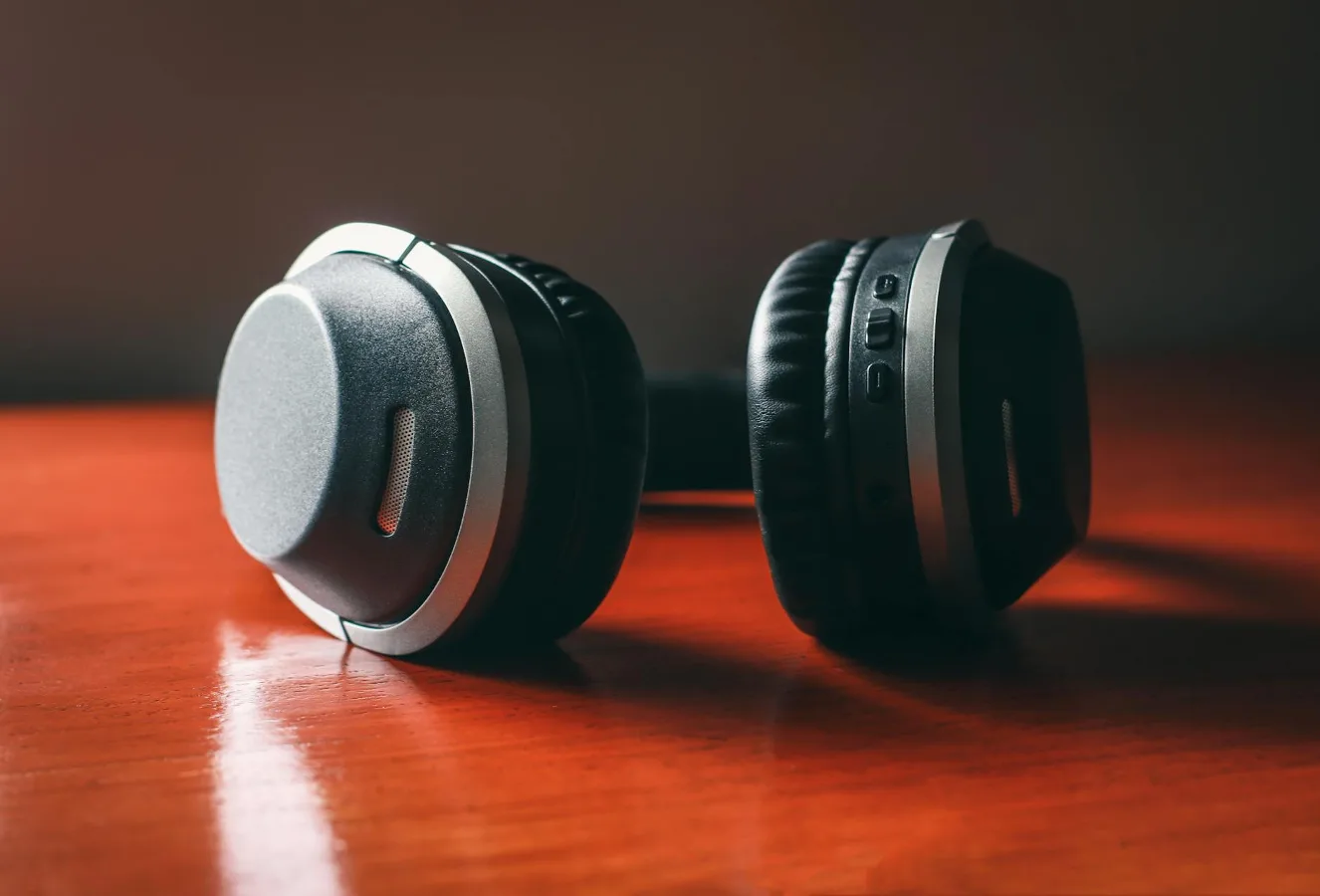
If you want the best noise cancelling headphones for mowing lawns, look for a model that combines strong noise reduction with a secure, comfortable fit and enough battery life for your yard routine. For most people, the best choice is usually a pair of over-ear wireless headphones with effective active noise cancelling, but the right answer depends on how loud your mower is, how long you mow, and whether you value maximum quiet or better hearing protection. hearing protection basics for lawn equipment offers more detail on this point. noise cancelling headphones for lawn mowing offers more detail on this point. how active noise cancelling works outdoors offers more detail on this point.
The key point is that mowing creates a specific kind of noise problem: low-frequency engine or motor sound, vibration, and occasional high-pitched bursts from gravel, blades, or attachments. Noise cancelling can help, but it is not a complete substitute for proper hearing protection. If you are comparing options for lawn care, think about comfort, clamping force, wind resistance, sweat management, and whether you need to hear your surroundings while you work.
Quick answer: what to buy for mowing lawns
For mowing lawns, the most practical option is usually wireless over-ear headphones with active noise cancelling and a comfortable seal around the ears. They tend to be easier to use than earbuds while you are moving around, and they can make long mowing sessions feel less fatiguing.
If your mower is especially loud, or if you want a more work-focused solution, consider hearing protection earmuffs with audio or a headset designed to be worn in noisy environments. Those products may feel bulkier than consumer headphones, but they often make more sense for repetitive yard work because they prioritize isolation and stability.
If you only need occasional noise reduction and want a lighter setup, noise cancelling earbuds can work for some people, but they are more dependent on ear fit and may not block mower noise as consistently as over-ear designs. That makes them a less reliable first choice for many users.
How to compare the best options
There is no single best model for every lawn and every listener. The right headphone depends on the balance between isolation, comfort, and practicality.
| What matters most | Why it matters for mowing | What to look for |
|---|---|---|
| Noise reduction | Mowers create steady engine or motor noise that can become tiring over time | Strong ANC plus a good physical seal |
| Fit and stability | Headphones can shift when you bend, turn, or wear a cap | Secure headband, comfortable ear pads, manageable clamp |
| Comfort | Mowing sessions can last long enough to make pressure points annoying | Soft cushions, even weight distribution, low heat buildup |
| Durability | Outdoor use exposes gear to dust, sweat, and occasional bumps | Sturdy build, practical materials, easy-to-clean surfaces |
| Battery life | You do not want audio or ANC dying mid-yard job | Enough runtime for your usual mowing session |
| Hearing safety | Too much volume can defeat the purpose of buying noise cancelling gear | Passive isolation, sensible volume use, awareness of surroundings |
One overlooked consideration is that noise cancelling and hearing protection are not identical. Active noise cancelling is excellent at reducing the constant drone of a mower, but it does not automatically make a headphone safe or suitable as protective gear. Physical isolation from earcups, proper fit, and sensible listening volume all matter.
Over-ear headphones: the most versatile choice
Over-ear headphones are usually the most comfortable match for mowing because they create a fuller seal and do a better job with broad, steady noise. They are also easier to handle if you wear glasses or need to take them on and off between yard tasks.
For mowing lawns, look for a design that stays put without pressing too hard. Too much clamping force can become uncomfortable during a longer job, but too little can weaken the seal and reduce noise reduction. A balanced fit is more valuable than a flashy feature list.
There is a trade-off, though. Over-ear models can feel warm in humid weather, and sweat can wear on ear pads over time. If you mow in hot conditions, prioritize breathable comfort and easy maintenance.
Noise cancelling earbuds: smaller, but less forgiving
Earbuds are attractive because they are light and portable, but they are more dependent on the shape of your ears. A poor seal can reduce both bass response and noise reduction, which matters a lot when you are standing next to a mower or trimmer.
They may work well if you already know you get a reliable fit from a particular ear tip style. Even then, they are often best for lighter yard work rather than extended mowing sessions. If you choose earbuds, make sure they do not become loose when you sweat or move quickly.
Protective earmuffs with audio: the work-first alternative
For many homeowners, the smartest option is not a traditional consumer headphone at all. Earmuffs designed for hearing protection can be a better fit for mowing because they are built to sit securely over the ears and reduce loud environmental noise without relying entirely on active cancellation.
These are especially useful if your lawn equipment is loud, you use gas-powered tools often, or you want a set-and-forget solution that is less delicate than consumer audio gear. The trade-off is that sound quality may be more functional than premium, and the bulkier profile may feel less refined than regular headphones.
What to look for before you buy
If you are narrowing down the best noise cancelling headphones for mowing lawns, focus on the factors that actually affect yard work rather than features you may never use.
- Secure fit: Headphones should stay stable when you bend, turn, or wear a hat or cap.
- Comfort over time: Soft pads and moderate clamping pressure matter more than a sleek design.
- Passive isolation: A good physical seal helps even when ANC is not doing all the work.
- Battery life: Choose enough runtime for your mowing and related yard tasks.
- Outdoor practicality: Sweat resistance, easy cleaning, and durable hinges can matter more than luxury extras.
- Simple controls: Large, easy-to-find buttons are useful when you are wearing gloves or working quickly.
- Sound awareness: If you need to hear people, pets, or neighborhood activity, consider models that let you lower ANC or use transparency mode.
A common misconception is that the strongest ANC automatically equals the best mowing headphones. In practice, a headphone with excellent cancellation but a loose fit can be less useful than a sturdier model with a better seal. The physical design often matters just as much as the electronics.
Noise cancelling versus hearing protection
This is the part many shoppers overlook. Mower noise is not just annoying; repeated exposure can be hard on hearing. Noise cancelling headphones can reduce the sense of loudness, but they are not always designed as safety equipment.
If your main goal is comfort while listening to podcasts, music, or audiobooks as you mow, consumer noise cancelling headphones may be enough for your needs. If your main goal is reducing exposure to loud equipment, purpose-built hearing protection may be the better path.
That does not mean consumer headphones have no place. They can still make mowing more pleasant, especially with electric mowers or quieter yards. The important thing is to avoid assuming that every ANC headphone is suitable as protective gear.
Mistakes to avoid when choosing mower headphones
The best choice can go wrong if you focus on the wrong details. These are the mistakes that usually create disappointment.
- Buying for sound quality alone: Great music playback does not guarantee a good fit for outdoor work.
- Ignoring the seal: A weak seal reduces both comfort and noise reduction.
- Choosing overly bulky gear: Large headphones can interfere with hats, eyewear, or movement.
- Assuming ANC blocks everything: Lawn equipment still creates vibration and sharp sounds that can leak through.
- Turning the volume up too high: If you raise the volume to overpower the mower, you may defeat the point of using protective audio gear.
- Overlooking weather and sweat: Outdoor gear needs to handle heat and grime better than living-room headphones.
A useful decision-making insight: if you mostly mow a small yard and want convenient audio, consumer ANC headphones may be enough. If you mow often, own multiple power tools, or want the most practical work setup, earmuff-style hearing protection with audio may be the better long-term choice.
Best use cases by mower type
The type of mower you use changes what matters most.
- Gas mowers: Usually the loudest category, so stronger passive isolation and a firmer seal become more important.
- Electric push mowers: Often quieter, which means comfort and fit may matter more than maximum noise reduction.
- Riding mowers: Longer sessions make comfort, heat buildup, and battery life more important.
- String trimmers and blowers: These often create sharp, high-frequency noise, so stable fit and good isolation are useful.
If you use several tools in one session, choose the headphone that performs well across the entire routine, not just the mower itself. A set that feels fine for ten minutes may become irritating once you switch to a trimmer or blower.
Practical alternatives if headphones are not the best fit
Sometimes the right answer is not a pair of headphones at all. Depending on your needs, a different option may be more practical.
- Hearing protection earmuffs: Best when noise reduction matters more than audio quality.
- Noise cancelling earbuds: Useful if you want a lighter and less bulky option, though fit is critical.
- Combination hearing protection with Bluetooth: Good for people who want a work-focused setup with casual audio.
- Quiet mowing practices: Scheduling, maintenance, and choosing quieter equipment can reduce the need for aggressive noise control.
For many users, the best result comes from combining better gear with better habits. A well-maintained mower, clean blades, and reasonable listening volume all contribute to a better experience than headphones alone.
Frequently asked questions
Are noise cancelling headphones safe for mowing lawns?
They can be useful for reducing the annoyance of mower noise, but they are not automatically hearing protection. If safety is your main concern, choose a product designed for hearing protection or use ANC headphones cautiously and at safe listening levels.
Are over-ear headphones better than earbuds for mowing?
For most people, yes. Over-ear headphones usually offer a more dependable seal and more stable fit, which helps with steady mower noise and outdoor movement. Earbuds can work, but fit becomes much more important.
Can I use Bluetooth headphones while mowing?
Yes, and many people prefer them for convenience. The main concern is not Bluetooth itself but whether the headphones stay secure, remain comfortable, and let you keep volume at a sensible level.
What is better for mowing: ANC headphones or earmuffs?
If you want a casual listening experience, ANC headphones may be the better fit. If you want a more practical work tool for regular yard work, earmuffs with audio or dedicated hearing protection may be the smarter choice.
Do I need sweat-resistant headphones for lawn care?
It helps. Outdoor work can expose headphones to moisture, heat, and grime, so easy-to-clean materials and some level of sweat resistance are useful even if you only mow occasionally.
If you want a reliable setup for mowing lawns, choose the most stable fit you can find, then decide whether your priority is entertainment, comfort, or actual hearing protection. That single decision will usually narrow the field faster than any long spec sheet.
