
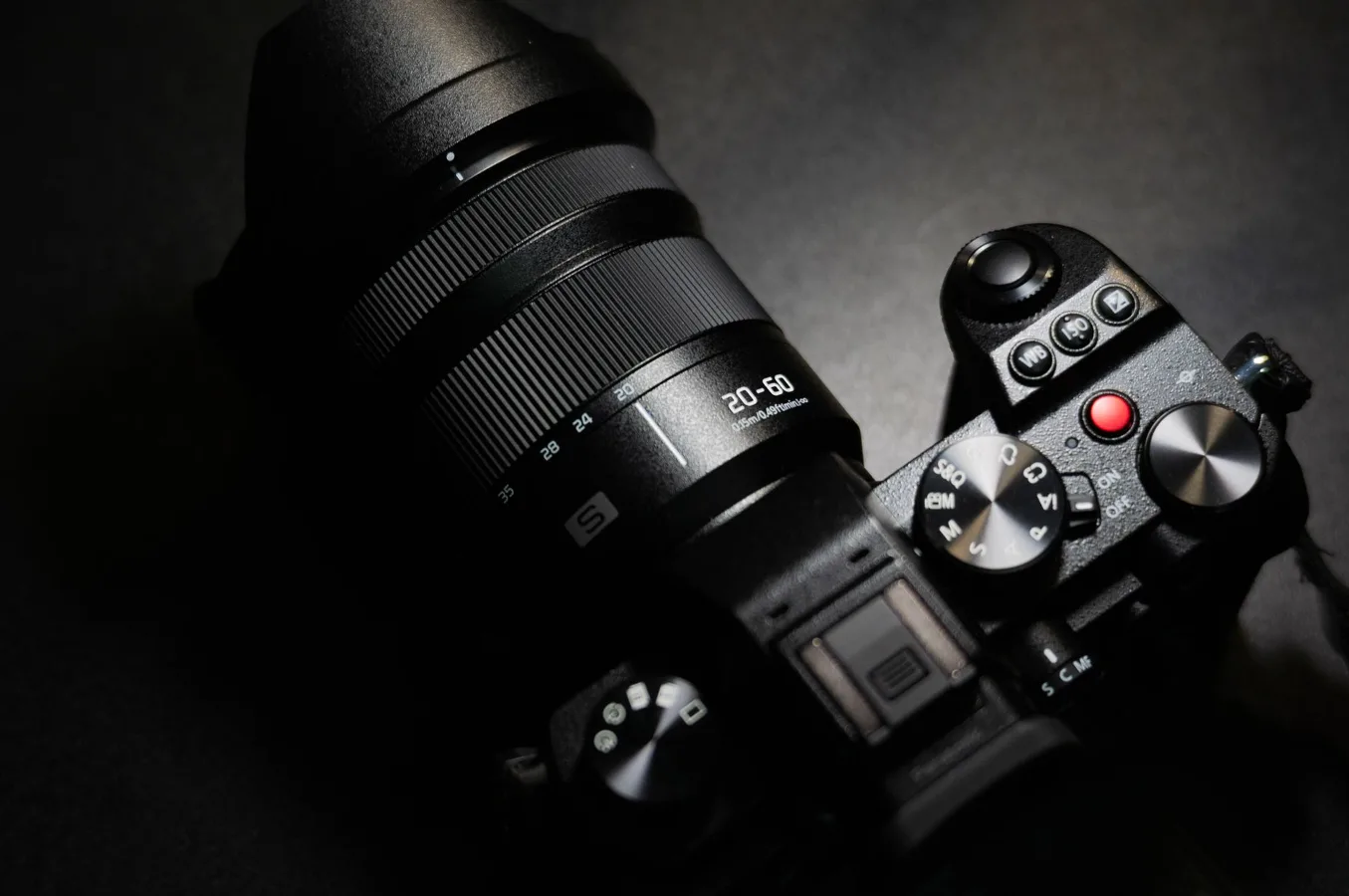
If you want the best mirrorless camera for sports photography, focus on three things first: autofocus that reliably tracks moving subjects, fast burst shooting, and a system that gives you the lens reach you need. For most buyers, the “best” model is not the one with the longest spec sheet; it is the one that helps you keep subjects sharp in the kind of sports you actually shoot. understanding autofocus modes for action offers more detail on this point. best mirrorless camera for sports offers more detail on this point.
That means a camera for youth soccer on a bright field, indoor basketball under mixed lighting, and motorsports at a track may not be the same camera. Sports photographers also need to think beyond the body itself. Lens availability, ergonomics, battery life, buffer performance, and handling under pressure can matter just as much as headline autofocus claims. camera body features that matter for sports offers more detail on this point.
What matters most in a sports mirrorless camera
For action work, the most useful features are the ones that help you keep up with unpredictability. A camera can have impressive resolution and still feel frustrating if it hesitates to lock focus or slows down during a burst.
Autofocus tracking
Autofocus is the center of the decision. Sports photography depends on a system that can recognize a subject, stay locked as it moves, and recover quickly if something passes between you and the player or racer. Subject detection can be helpful, but consistency matters more than marketing terms. Look for dependable continuous autofocus rather than a single eye-catching spec.
For many sports, the practical question is whether the camera can track a player running toward you, not just across the frame. That is where subject acquisition, transition speed, and tracking stability become more important than simple focus speed.
Burst shooting and buffer depth
Fast burst rates help capture peak moments, but a high frame rate alone does not guarantee better results. If the buffer fills too quickly, the camera may slow at exactly the wrong moment. For long plays or repeated action sequences, buffer depth and card-writing speed matter as much as frames per second.
This is an easy area to overvalue. Some photographers assume the highest burst rate always wins, but if you cannot sustain it long enough for the sport you shoot, the advantage is smaller than it looks on paper.
Lens system and reach
Sports often require more reach than new buyers expect. A camera body is only part of the equation; the available telephoto lenses shape what you can actually photograph from the sideline, bleachers, or infield. A strong mirrorless system should offer useful options for both budget-conscious and advanced users.
APS-C bodies can be attractive for sports because the crop factor can make telephoto lenses feel longer without requiring extreme focal lengths. Full-frame bodies can deliver excellent image quality and low-light flexibility, but the lens choices may be larger, heavier, and more expensive.
Ergonomics and control layout
Sports events move quickly, and camera handling matters. A body that fits the hand well, offers responsive controls, and allows quick adjustments without diving into menus can save a missed play. This is especially important if you shoot for long periods or use a large telephoto lens that puts more weight on your hands.
Grip depth, joystick placement, dial response, and button customization all affect how fast you can react. A technically strong camera can still feel awkward during an entire game if the controls are poorly placed for your shooting style.
Battery life and event endurance
Mirrorless cameras tend to rely more heavily on their batteries than older optical-viewfinder systems. For sports, that matters because burst shooting, continuous autofocus, and reviewing images can drain power faster than casual use. If you photograph tournaments, doubleheaders, or all-day events, consider how many batteries you are willing to carry and swap.
Weather sealing and durability
Outdoor sports bring dust, drizzle, sun, and occasional sideline bumps. Weather sealing is not a guarantee against damage, but it can be a practical advantage if you regularly work in less controlled environments. Build quality also matters for repeated handheld use with heavier lenses.
How to choose between APS-C and full-frame
This is one of the biggest decisions for sports photographers, and there is no universal winner.
APS-C mirrorless cameras are often appealing because they can be lighter, more affordable, and easier to pair with telephoto reach. That makes them a smart fit for parents photographing school sports, enthusiasts shooting weekend games, or anyone who wants a more compact kit. The trade-off is that low-light performance and background separation may not match a larger sensor in the same class.
Full-frame mirrorless cameras often make more sense if you shoot indoor sports, low-light arenas, or paid events where image quality and subject isolation are especially valuable. The trade-off is usually cost, size, and the expense of compatible lenses. For some buyers, the body is only the beginning of the budget.
A common misconception is that full-frame is automatically better for sports. In practice, the best choice depends on your shooting distance, the lens you can afford, and how much weight you are willing to carry for a full game.
What separates a good option from a great one
Many mirrorless cameras can capture action. The best ones reduce friction in the moments that matter most.
| Buying factor | Why it matters for sports | What to look for |
|---|---|---|
| Autofocus tracking | Keeps moving athletes sharp | Reliable continuous AF, strong subject tracking, quick reacquisition |
| Burst performance | Captures peak action moments | Sustained burst speed and a practical buffer |
| Lens selection | Determines reach and flexibility | Telephoto options that fit your sport and budget |
| Low-light handling | Useful for gyms and evening games | Clean high-ISO performance and useful autofocus in dim light |
| Ergonomics | Helps during long events | Comfortable grip, accessible controls, good balance with telephoto lenses |
| Power management | Affects shooting endurance | Battery life that suits tournament or event coverage |
Sports-specific use cases to think through
Different sports reward different camera traits. The best mirrorless camera for sports photography in one setting may be only a decent option in another.
Indoor basketball, volleyball, and wrestling
Indoor sports usually put more pressure on low-light autofocus and lens speed. A camera that performs well in dim gyms can be more useful than one with a slightly faster burst rate on paper. Fast lenses matter here, but so does the body’s ability to maintain focus under changing light.
Soccer, football, and baseball
Outdoor field sports often reward reach, subject tracking, and reliable buffering. If you work from the sidelines or stands, a lens that gives you enough focal length may be more important than chasing the highest megapixel count.
Motorsports and track events
Fast-moving vehicles require dependable continuous autofocus and a camera that can handle quick direction changes. Panning technique matters too, so a body with stable handling and responsive controls can be an advantage.
Kids’ sports and school events
For parents and volunteer photographers, simplicity and responsiveness often beat elaborate features. A camera that wakes quickly, focuses confidently, and feels comfortable for an entire weekend can be more practical than a more complex body with a steep learning curve.
Mistakes to avoid when buying
- Choosing by burst rate alone. A fast burst is less useful if autofocus cannot keep subjects sharp or the buffer fills too quickly.
- Ignoring lens costs. Sports photography is often lens-driven. A great body with the wrong lens system can feel limiting fast.
- Overlooking ergonomics. If the grip is awkward with a telephoto lens, your accuracy and comfort can suffer during long events.
- Buying for the wrong lighting. A camera that works well outdoors may struggle indoors if low-light autofocus and lens speed are not up to the task.
- Assuming sensor size solves everything. APS-C and full-frame each have strengths; the best choice depends on distance, light, budget, and the lenses you can pair with the body.
- Forgetting about battery and storage needs. Sports coverage can create a lot of files and drain power faster than casual shooting.
Practical buying guidance by budget and experience level
If you are new to sports photography, a strong APS-C mirrorless body can be a sensible starting point. It can provide useful reach, manageable size, and a lower total kit cost. That combination is often easier to live with while you learn timing, panning, and autofocus settings.
If you already know you will shoot indoor or low-light sports regularly, it may be worth prioritizing a full-frame body or a higher-end APS-C model with better autofocus and stronger lens support. In that case, the decision should be driven by the sport, not by the idea that a more expensive body is automatically the right one.
If you plan to cover multiple sports, look for a system with room to grow. Body upgrades matter, but lens compatibility and system depth matter even more over time. A mirrorless system is only as useful as the lenses and accessories you can build around it.
Where mirrorless still has trade-offs
Mirrorless cameras are excellent for sports, but they are not free of compromise. Electronic viewfinders can feel different from optical ones during rapid action, especially to photographers who are used to DSLR handling. Battery life is also a real concern for long days.
Another limitation is that some cameras feel exceptional in controlled tests but less impressive in real sideline use. The reason is simple: sports are chaotic. Hands, weather, crowd movement, and changing distances expose weak spots that specs do not fully show.
That is why the safest choice is usually the one with a strong autofocus reputation, a lens lineup that matches your sport, and ergonomics that make sense for your working style.
A simple way to narrow the field
Start with the sport you shoot most often, then match the body to the lens system you can realistically build. If you need reach and portability, APS-C is often a practical first stop. If you need stronger low-light flexibility and expect to invest in larger lenses, full-frame may be the better long-term fit.
From there, compare autofocus reliability, burst behavior, handling, and battery endurance. Those four factors usually tell you more about real sports performance than the product name or headline resolution. The best mirrorless camera for sports photography is the one that helps you stay focused on timing, not the one that forces you to work around the camera at every play.
