
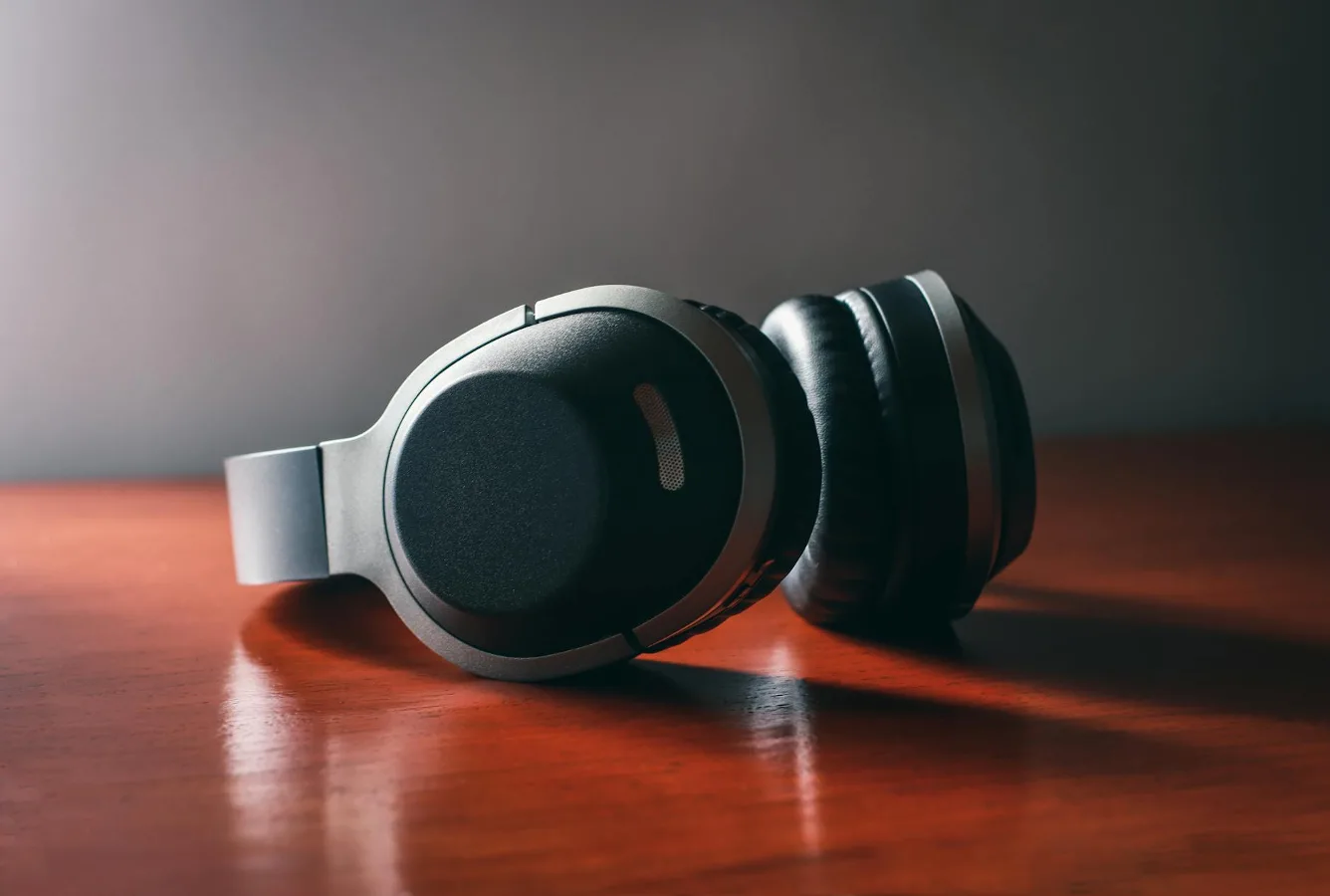
The best noise cancelling headphones for autism are usually the ones that reduce overwhelming background noise without adding discomfort. For many people, that means an over-ear model with effective active noise cancellation, soft ear pads, a manageable clamp force, and controls that are easy to understand. best headphones for travel and commuting offers more detail on this point.
The ideal choice is not always the model with the strongest noise cancellation. Sensory comfort matters just as much. A headphone that seals well but feels tight, heavy, or irritating may be less useful than one that blocks slightly less noise but can be worn for longer periods. sensory-friendly audio gear offers more detail on this point.
When noise cancelling headphones matter most
Noise cancelling headphones can be especially helpful in places where sound is unpredictable, layered, or difficult to escape. Common examples include airports, public transportation, busy classrooms, open-plan offices, stores, family gatherings, and crowded events.
They can also help during tasks that require focus, such as homework, reading, or computer work. For some people, the goal is to soften the environment. For others, it is to create a more controlled sound space that feels easier to manage.
That said, they are not a universal solution. Some autistic people are sensitive to the pressure or sensation of wearing headphones, and some prefer ear defenders, earplugs, or a combination of tools. The right answer depends on the sound environment and the person using them.
What to look for first
Start with the features that affect daily comfort and sensory tolerance. Specs matter, but only if they translate into something that can actually be worn and used consistently.
Comfort and fit
Comfort is often the deciding factor. Look for cushioned ear cups, a headband that does not press too hard, and a design that stays stable without squeezing. Over-ear styles are usually preferred because they avoid direct pressure inside the ear canal.
If the user is sensitive to touch, check whether the ear pads feel soft enough and whether the headband can be adjusted smoothly. Some people also do better with lighter headphones, especially if they will wear them for a long time.
Type of noise reduction
There are two main ways headphones reduce sound. Passive isolation comes from the physical seal of the ear pads, while active noise cancellation uses built-in electronics to reduce steady background noise such as engine hum or air conditioning.
Active noise cancellation can be useful, but it is not equally effective for every sound. Sudden noises, voices, sharp clattering, and unpredictable sounds may still come through. For some users, a good physical seal matters as much as the ANC feature itself.
Ease of control
Simple controls can make a big difference. A person who is already overstimulated may not want to deal with complicated apps, gesture controls, or multiple sound modes. Straightforward buttons, a clear power indicator, and easy volume adjustment are often better than feature-heavy designs.
Sound signature
Noise cancelling headphones are not only about blocking sound; they also play audio. Some people want music, white noise, brown noise, or nature sounds. Others mainly want silence. A balanced, non-fatiguing sound profile is often more comfortable than one with overly sharp treble or boosted bass. non wireless noise cancelling headphones offers more detail on this point.
Step-by-step criteria for choosing the right pair
1. Match the headphone to the sensory need
Think about what problem the headphones are meant to solve. Is the user overwhelmed by loud environments, distracted by background noise, bothered by certain frequency ranges, or looking for a calmer feeling during transit?
This matters because different tools serve different purposes. ANC is helpful for constant low-frequency noise. A strong seal helps with general reduction. Ear defenders may be better if the priority is simple passive protection with no electronics at all.
2. Choose the style that is most tolerable
Over-ear headphones are often the first place to start. They spread pressure across a larger area and usually feel less intrusive than in-ear options. On-ear styles may feel too compressive for some users, while earbuds can be difficult for people who dislike anything inside the ear.
If the user is sensitive to heat or pressure around the ears, note that even over-ear headphones can become tiring over time. Breathable pads and moderate clamp force are worth paying attention to.
3. Consider whether wired or wireless is better
Wireless headphones are convenient for movement, commuting, and school routines. Wired headphones can be simpler, avoid battery concerns, and may be easier for some users who want a straightforward setup.
For autism-related use, simplicity often beats flexibility. A model that is easy to turn on, easy to charge, and easy to pair may be more practical than one with many optional features that never get used.
4. Check battery expectations honestly
If the headphones will be used daily, battery convenience matters. Frequent charging can become another small friction point. On the other hand, battery life claims are only useful if the user will remember to charge them consistently. A wired backup option can be valuable for that reason.
5. Look for a predictable sound experience
Some headphones change sound noticeably when ANC is turned on. Others introduce a faint hiss or create a sense of pressure that some users dislike. If possible, choose a pair with adjustable noise cancellation so the user can fine-tune the experience rather than forcing an all-or-nothing setting.
Where different options fit best
| Use case | What tends to work best | Why it helps |
|---|---|---|
| School or study | Lightweight over-ear ANC headphones | Can reduce classroom noise and support focus |
| Travel | Comfortable over-ear ANC headphones with good passive seal | Helps with engine noise, crowd noise, and long wear |
| Home use | Simple wireless or wired over-ear headphones | Useful for music, routines, and quieter daily tasks |
| Sensory overload relief | Headphones with easy controls and adjustable ANC | Lets the user respond quickly to changing environments |
| Maximum simplicity | Passive earmuffs or ear defenders | No battery, no pairing, fewer variables |
Benefits and trade-offs to weigh
Noise cancelling headphones can make a noisy environment feel more manageable, but they do not work the same way for everyone. The benefits are strongest when the main issue is constant environmental noise. They are less predictable for sudden, irregular, or highly complex sounds.
There are also practical trade-offs. ANC headphones rely on electronics and battery power. Some users dislike the feeling of pressure that ANC can create, especially when first turned on. Others may find over-ear cups too warm for long sessions.
A common misconception is that stronger noise cancellation is always better. In reality, the most effective model is the one the person will willingly use. Comfort, consistency, and ease of removal can matter more than maximum sound reduction.
Common mistakes to avoid
- Choosing a model based only on noise cancellation strength and ignoring comfort.
- Assuming all autism-friendly headphones should be the same for children and adults.
- Overlooking weight, clamp force, or heat buildup during long wear.
- Buying a feature-heavy model when simple controls would be easier to manage.
- Expecting ANC to block every kind of noise equally well.
- Ignoring whether the user prefers silence, reduced sound, or audio playback support.
Examples of the right kind of choice
A student who struggles with classroom buzz and hallway noise may do well with comfortable over-ear ANC headphones that are easy to put on and take off quickly. A commuter who is sensitive to train noise may prefer a model with strong passive isolation and steady ANC performance. A child who resists complex devices may be better served by a simpler pair with fewer controls, or even passive hearing protection if electronics become a distraction.
These examples show why the best option depends on the environment, the user’s sensory profile, and how often the headphones will be worn. The same pair can be excellent for one person and frustrating for another.
Alternatives worth considering
Noise cancelling headphones are only one part of a broader sensory toolkit. Depending on the situation, other options may work better or work alongside headphones.
- Passive ear defenders: useful when the goal is simple, battery-free noise reduction.
- Earplugs: helpful for compact, low-profile sound reduction, though some users dislike the sensation.
- Bone conduction headphones: can be useful for some audio needs, but they do not block much external sound.
- White noise or calming audio: may help mask background noise in controlled settings.
- Environmental adjustments: lowering volume sources, using quieter spaces, or planning breaks can reduce the need for constant wear.
Checklist before you buy
- Does the user prefer over-ear, on-ear, or in-ear styles?
- Is the main goal reduction of background noise, support during overload, or easier focus?
- Will the headphones need to be worn for long periods?
- Are simple buttons and straightforward controls important?
- Is wired backup useful if the battery runs low?
- Does the design look easy to clean and maintain?
- Will the headphones be used at home, school, work, or while traveling?
- Is a lighter, softer, or less bulky option likely to be better tolerated?
Care and maintenance basics
Keeping headphones clean and comfortable helps them stay useful. Ear pads can collect dust, oils, and sweat over time, so check the manufacturer’s care instructions before wiping them down. If the headphones will be used by a child or moved between settings, regular cleaning is especially practical.
It also helps to store them in a protective case or in a consistent place. That reduces the chance of damage and makes them easier to find when a noisy situation comes up unexpectedly.
Frequently asked questions
Are noise cancelling headphones good for autism?
They can be very helpful for some autistic people, especially in noisy or unpredictable environments. The best results usually come from a comfortable fit and a sound reduction level that matches the user’s sensitivity.
Are over-ear headphones better than earbuds for sensory needs?
Often, yes. Over-ear headphones usually avoid direct pressure inside the ear and can feel less intrusive for many people. Still, preference varies, and some users may dislike the bulk or warmth of over-ear models.
Do active noise cancelling headphones block all noise?
No. ANC is most effective against steady background sounds such as engine noise or air movement. Voices, sudden sounds, and sharper noises may still be noticeable.
Should I choose ANC or passive ear defenders?
Choose based on the goal. ANC headphones are better if the user wants sound reduction plus optional audio playback. Passive ear defenders can be better if simplicity and battery-free use matter most.
What matters more: sound reduction or comfort?
For long-term use, comfort often matters more. A pair that is comfortable enough to wear consistently is usually more useful than a model with stronger noise reduction that the user cannot tolerate.
The best noise cancelling headphones for autism are the ones that fit the person, not just the spec sheet. Focus on comfort, predictable controls, and the type of noise that needs reducing, and the choice becomes much easier to make.
