
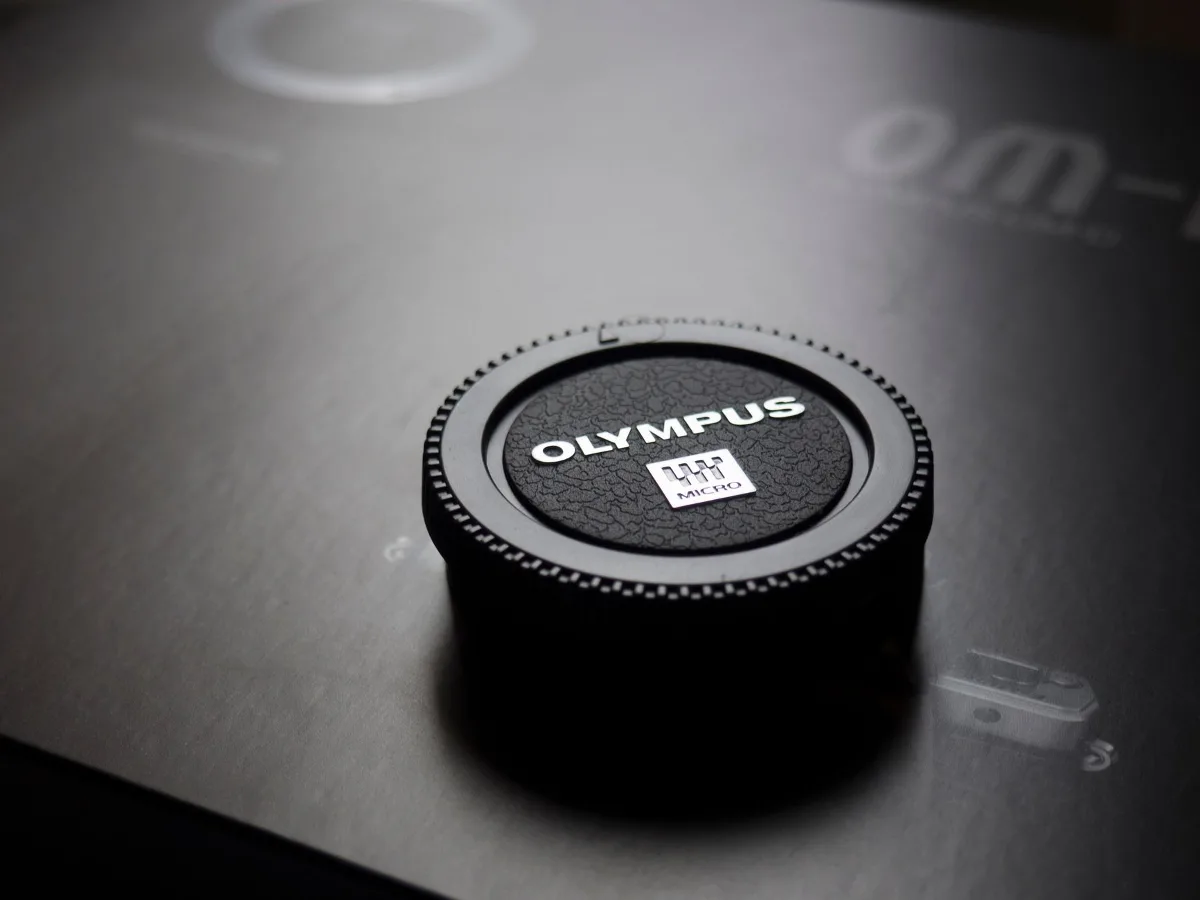
If you want a camera system that stays compact without giving up interchangeable lenses, a Micro Four Thirds mirrorless camera is often worth a close look. The format suits travelers, street photographers, casual creators, and anyone who values a smaller bag and a broad lens lineup more than chasing the largest sensor possible. Micro Four Thirds camera system basics offers more detail on this point.
The real question is not whether Micro Four Thirds is “good” in general. It is whether the system fits the way you shoot. That depends on your priorities: portability, lens choice, autofocus needs, video features, stabilization, and how much low-light performance matters in your work.
Who a Micro Four Thirds mirrorless camera is best for
This system makes the most sense for buyers who want a balance of flexibility and mobility. If you want a camera that is easier to carry than many APS-C or full-frame setups, Micro Four Thirds can be appealing. The smaller sensor allows camera bodies and many lenses to stay compact, which is one of the biggest reasons people choose the format.
It is especially practical for:
- Travel photography, where weight and bag space matter
- Street photography, where a smaller body can be less intimidating and easier to carry all day
- Everyday shooting, when you want something more capable than a phone without a large kit
- Video-focused users, who may value stabilization, lens choice, and manageable rig size
- Beginners moving into interchangeable lenses, especially if they want a system that can grow over time
It is less ideal if your top priority is the strongest possible high-ISO performance, the shallowest depth of field, or the broadest selection of full-frame-style specialty lenses. Those trade-offs do not make Micro Four Thirds weak; they simply define where the system shines and where it is more limited.
The main trade-off: portability versus sensor size
The defining difference in a Micro Four Thirds mirrorless camera is the sensor format. Compared with APS-C and full-frame cameras, the sensor is smaller. That affects several things at once: low-light behavior, depth of field, and lens design.
For many buyers, the benefit is the whole point. Smaller sensors enable smaller lenses, and smaller lenses can transform how often you actually carry the camera. A camera that stays at home is less useful than a slightly less ambitious system that comes with you every day.
The limitation is worth understanding clearly. If you regularly shoot in very low light without using a tripod or flash, or if you want very shallow background blur for portrait work, a larger sensor may be easier to work with. Micro Four Thirds can still produce strong results, but the system asks you to be more intentional about lens choice and shooting conditions.
Lens system matters as much as the body
Many buyers focus on the camera body first, but with Micro Four Thirds the lens ecosystem is often the bigger long-term decision. One of the format’s strongest advantages is the range of available lenses across different brands and price tiers. That gives buyers room to start simple and build a more specialized kit later.
When comparing bodies, think about the lenses you are likely to use most:
- Kit zooms for general-purpose shooting and convenience
- Small primes for everyday use, low weight, and better low-light flexibility
- Telephoto lenses for wildlife, sports, or distant subjects
- Macro lenses for close-up photography
- Fast zooms for a more premium all-purpose setup
A common misconception is that a camera body alone determines the shooting experience. In reality, lens choice shapes portability, image quality, autofocus behavior, and creative control more than many first-time buyers expect. A modest body paired with the right lens can be more useful than a more advanced body with a lens that does not match your needs.
Material and build factors that matter in real use
Build quality is not just about whether a camera feels “solid” in the hand. For a Micro Four Thirds mirrorless camera, the right body depends on how you plan to carry and use it. how to choose a mirrorless camera body offers more detail on this point.
Body size and grip matter if you shoot for long periods. A tiny body can be easy to pack, but if you plan to pair it with larger lenses, check whether the grip is comfortable enough for your hands. Some compact bodies are excellent with small primes and less comfortable with bigger zooms.
Weather sealing can be useful if you shoot outdoors often, but it should be viewed as a convenience, not a promise to ignore conditions. Sealing is only one part of the durability picture; lens sealing and general care still matter.
Button layout and customization can have a bigger impact than buyers expect. A camera with intuitive controls and well-placed dials often feels faster in use than a technically similar model with awkward ergonomics.
Material choices also influence confidence and longevity. A camera that balances low weight with enough rigidity for daily use tends to be more satisfying than one that is either too flimsy or unnecessarily bulky for the system’s purpose.
Specification factors worth comparing before you buy
For commercial intent searches, the practical question is not “Which Micro Four Thirds camera is best overall?” It is “Which features actually affect my shooting?”
Focus on the specifications that change the experience day to day:
- Autofocus behavior: important for action, people, and moving subjects
- In-body image stabilization: useful for handheld stills and video, especially with smaller or slower lenses
- Viewfinder quality: helpful if you shoot outdoors or prefer eye-level composition
- Rear screen articulation: useful for video, low-angle shooting, and self-filming
- Card slot setup: relevant for content creators and anyone prioritizing backup workflows
- Battery handling: crucial if you travel or shoot long sessions away from chargers
- Video options: important if you plan to film regularly rather than occasionally
One overlooked consideration is how the camera handles once it is fully configured. A body that offers extensive menu options is not automatically better if you find the interface frustrating. For many buyers, the best camera is the one whose controls let them work quickly without constant menu diving.
How to judge image quality without overthinking it
Image quality is important, but it should be judged in context. Micro Four Thirds cameras can produce excellent results for web, print, client work, and personal projects. The key is matching the system to realistic expectations.
If you often shoot in bright or moderate light, the sensor size difference may matter less than you think. Good lenses, steady technique, and thoughtful exposure still play a large role. If you shoot in dim interiors, at night, or in other challenging light, the sensor size becomes more relevant and you may want to prioritize fast lenses or stronger stabilization.
Depth of field is another area where expectations can drift. If you want a soft, blurred background look, larger sensors usually make that easier at a given field of view and framing. Micro Four Thirds can still create separation, especially with fast primes or longer lenses, but it tends to reward careful lens selection rather than relying on the sensor alone.
Video buyers should look at more than resolution
Micro Four Thirds has a strong following among hybrid shooters for good reason. The format can be friendly for handheld video, travel clips, interviews, and compact creator rigs. Still, the body’s video headline number is only one part of the story.
For video use, compare:
- Stabilization for handheld footage
- Screen articulation for framing from different angles
- Heat management and recording reliability for longer takes
- Audio input options if you plan to use external microphones
- Lens compatibility if you want silent or compact lenses for run-and-gun work
A practical nuance: a very small body may seem perfect for video until you add accessories. Once you attach a microphone, cage, grip, or external monitor, the smallest camera is not always the easiest to use. Buyers building a video rig should think about the full setup, not just the body alone.
Budget, used gear, and long-term value
Micro Four Thirds can be attractive for buyers who want to stretch their budget across body and lenses. Because the system has been around for years, the used market can offer useful options for people who are comfortable evaluating condition and feature sets carefully.
That said, used gear requires a bit more discipline. Check shutter count only as one data point, examine physical wear, ask about battery condition, and make sure the seller’s description is specific about included accessories. With cameras, missing batteries, chargers, or lens caps can turn a seemingly good deal into a hassle.
Long-term value depends on whether the camera body supports the way you plan to grow. If you expect to move toward faster lenses, more serious video work, or wildlife photography, choose a body and lens roadmap that leaves room to expand. Buying too narrowly can save money now but limit flexibility later.
Common mistakes buyers make
People often make the same few mistakes when shopping for a Micro Four Thirds mirrorless camera.
- Buying for specs instead of use: a feature sheet can look impressive, but it may not match how you actually shoot
- Ignoring lens size: a compact body paired with a large lens can erase much of the portability advantage
- Underestimating ergonomics: tiny cameras are not equally comfortable for every hand size
- Expecting full-frame behavior: depth of field and low-light trade-offs are part of the format
- Overlooking the system cost: the body price is only part of the total investment
The most common misconception is that a smaller sensor means a compromise everywhere. That is too simplistic. In practice, the format offers a very usable balance of size, stabilization potential, lens variety, and convenience. The better question is whether that balance matches your priorities.
Practical next steps before you decide
If you are narrowing down a Micro Four Thirds mirrorless camera, start with your actual shooting habits rather than the spec sheet. Ask yourself what you photograph most often, how far you carry your gear, and whether you care more about stills, video, or a mix of both.
Then compare bodies using this order:
- Confirm the lens options you would realistically buy first
- Check the handling so the camera fits your hands and shooting style
- Review the stabilization and autofocus features that affect your daily use
- Think about travel and storage, including bag size, batteries, and accessory load
- Plan for growth so the system can support your next step, not just your first purchase
If you are choosing between a Micro Four Thirds camera and a larger-sensor mirrorless option, the best answer usually comes down to how much you value portability and lens flexibility versus low-light headroom and background blur. That trade-off is the heart of the decision. best nikon mirrorless camera offers more detail on this point.
For many buyers, Micro Four Thirds makes sense because it keeps photography more convenient. And convenience matters: a camera that is easy to carry, easy to power, and easy to pair with the right lens is more likely to get used consistently.
