
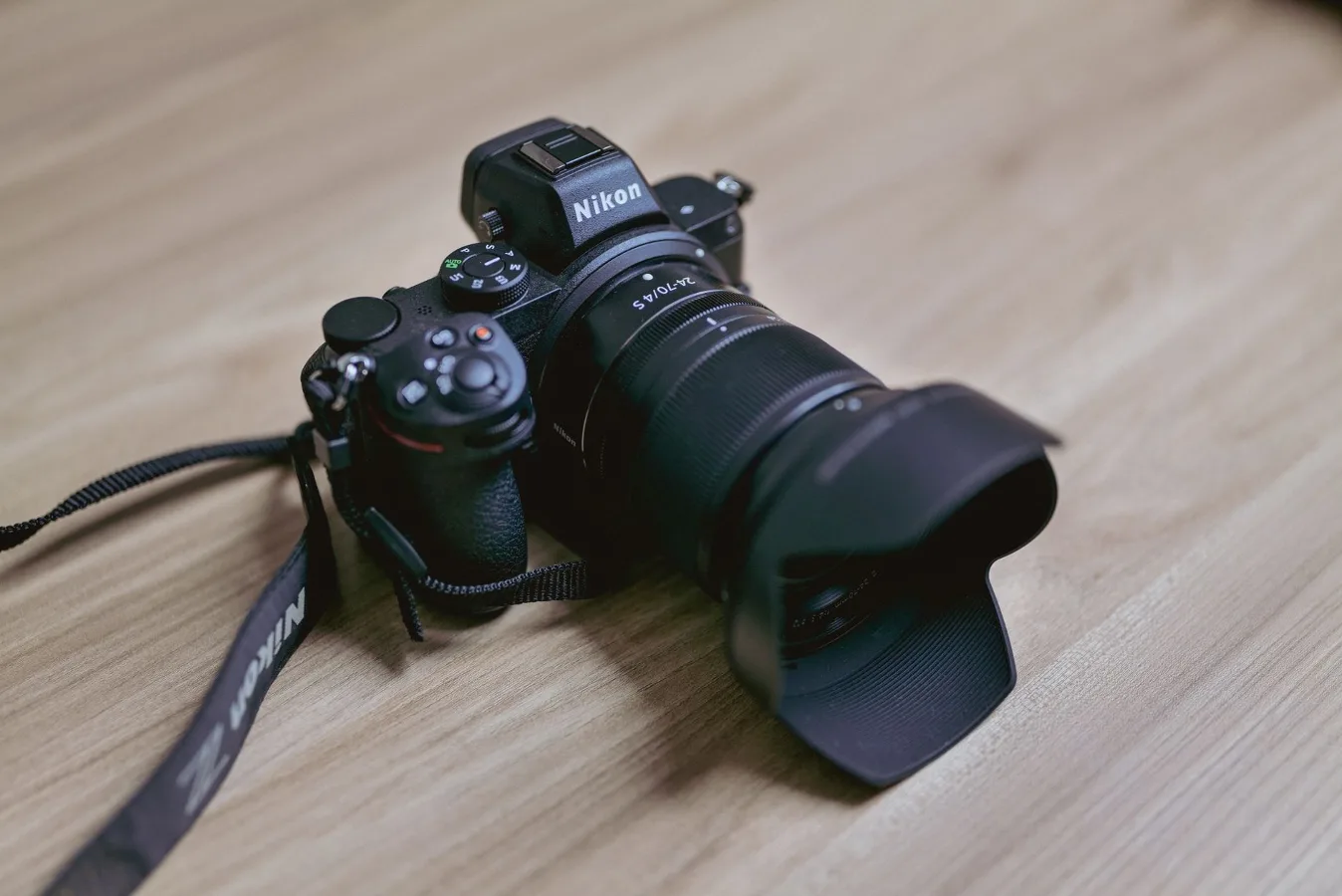
A mirrorless camera with an electronic viewfinder is a strong choice for photographers who want the compact size of mirrorless design plus an eye-level way to compose images. The EVF shows a digital preview through the camera’s viewfinder, which can make it easier to judge exposure, white balance, focus aids, and framing before you press the shutter.
That combination matters most when you shoot outdoors in bright light, prefer a steadier shooting position, or want a more deliberate way to work than using the rear screen alone. It is not automatically the best choice for every photographer, though. The right decision depends on how you shoot, what you value in handling, and how much you care about responsiveness, battery life, and display quality.
When a mirrorless camera with an electronic viewfinder matters
An EVF is most useful when you want to keep the camera against your face and see a live digital representation of the scene. That matters in a few common situations.
- Bright sunlight: a viewfinder is often easier to use than a rear LCD when glare makes the screen hard to see.
- Precise composition: eye-level framing can feel steadier and more controlled than arm’s-length shooting.
- Exposure decisions: many photographers like seeing exposure compensation reflected in the preview before capture.
- Manual focus work: focus peaking and magnification tools are easier to use when the camera is braced to your face.
- Discreet shooting: street, documentary, and event work can feel less attention-grabbing than holding out a screen.
That said, not every photographer needs a viewfinder for every job. If you mainly shoot casual portraits, social content, tabletop setups, or video from fixed angles, a tilting rear display may matter more than an EVF. The best choice is the one that fits your actual shooting habits, not just the spec sheet.
What the EVF changes in real use
The biggest advantage of an electronic viewfinder is that it helps close the gap between what you see and what the camera captures. Instead of guessing, you can usually evaluate the scene with more context.
Exposure preview
With many mirrorless cameras, the viewfinder can preview changes to shutter speed, aperture, ISO, and exposure compensation. That is useful if you work in manual mode or want a faster read on how a scene will render. It does not remove the need to understand exposure, but it can reduce trial and error. Rangefinder-Style Mirrorless Cameras: Buyer Guide offers more detail on this point.
Focus assistance
An EVF can make magnification, focus peaking, and other focusing aids easier to use. This is especially helpful for manual lenses, portrait work, product shots, and situations where autofocus may not be the easiest path.
Stability and posture
Bringing the camera to your eye often improves stability compared with holding it away from your body. That can help with steadier framing, especially when you are trying to track a moving subject or hold a camera still for a careful composition.
Subject isolation from distractions
Looking through a viewfinder can help you concentrate. For some photographers, the EVF reduces the sense of “screen clutter” and makes it easier to focus on edges, background distractions, and subject placement.
The trade-offs you should expect
Mirrorless cameras with EVFs are flexible, but the viewfinder is still a digital display. That creates a few practical trade-offs worth understanding before you buy.
- Battery use: an EVF can consume more power than using the rear screen in some shooting scenarios.
- Display delay: even good EVFs are still electronic, so there can be a slight lag compared with optical viewing.
- Brightness and smoothness differences: not all viewfinders feel equally natural; some are easier on the eyes than others.
- Low-light behavior: some EVFs brighten the scene well, while others may show more noise or reduced clarity in dim environments.
- Spec confusion: a viewfinder being present does not guarantee it will feel pleasant to use.
A common misconception is that any EVF is automatically better than a rear screen. That is not true. Some photographers strongly prefer the tilt or vari-angle display for low-angle work, vlogging, family snapshots, or quick candid shooting. The right setup often depends on the type of photography, not just the camera class.
How to compare models before you buy
If you are shopping for a mirrorless camera with an electronic viewfinder, compare the camera the way you would actually use it. A long feature list is less helpful than a few core checks that affect day-to-day shooting.
Viewfinder quality
Look at how the EVF is described in terms of resolution, refresh behavior, magnification, and eye relief. You do not need to obsess over every spec, but these details influence how natural the camera feels. A clearer, smoother viewfinder usually makes the camera more enjoyable for extended use.
Body size and grip
A compact body is attractive on paper, but comfort matters more than size alone. If the grip is too shallow or the body feels cramped with a lens attached, the camera may be less pleasant to hold. This is especially relevant if you plan to use larger zooms or shoot for long periods.
Autofocus behavior
The EVF helps you frame, but autofocus performance still shapes the shooting experience. Consider face and eye detection, subject tracking, and how confidently the camera behaves in the kind of light and motion you usually encounter. A great EVF does not compensate for a system that feels slow for your subjects.
Rear screen flexibility
Even if you prefer the EVF, the rear display still matters. Tilting and vari-angle designs are useful for low-angle photography, overhead shots, and video. A camera with a good EVF and a flexible screen is usually more adaptable than one with only one strong display option.
Lens system and long-term fit
Because mirrorless cameras use interchangeable lenses, the body is only part of the decision. Look at the lens ecosystem as a whole: native zooms, primes, compact options, and specialty lenses. The best camera body is one that can grow with your needs without forcing awkward compromises later. Best Medium Format Mirrorless Cameras offers more detail on this point.
Quick examples of who benefits most
Different photographers value an EVF for different reasons. These examples can help you judge whether it is worth prioritizing.
- Travel photographers: often benefit from a compact body and the ability to frame confidently in strong sunlight.
- Street photographers: may appreciate the discreet, eye-level shooting style and quick composition checks.
- Portrait photographers: often use the EVF for accurate framing and focus confirmation.
- Landscape photographers: may like exposure preview and a stable viewing position for careful composition.
- Manual-focus users: can gain a lot from focus aids shown clearly in the EVF.
On the other hand, if your work is mostly casual family photography, overhead product shots, or content creation where the screen is always tilted toward you, the EVF may be less central than other features such as screen articulation, battery life, or in-body stabilization.
A simple buying checklist
Before choosing a mirrorless camera with an electronic viewfinder, use a short checklist that keeps you focused on practical use rather than marketing language. choosing a camera for bright sunlight offers more detail on this point.
- Decide how often you will actually use the EVF. If you mainly shoot outdoors or at eye level, it becomes much more valuable.
- Check whether the body feels comfortable with the lenses you expect to use. Handling matters more than body size alone.
- Look at the rear screen as well as the EVF. Many shooting situations rely on both.
- Compare autofocus tools and subject tracking. The viewfinder is only part of the experience.
- Think about battery needs. If you shoot long sessions, power management may matter more than you expect.
- Review the lens lineup. A camera system should support the subjects you care about now and later.
- Consider your editing style. If you like accurate previews before capture, an EVF can support a more intentional workflow.
Common mistakes people make
Shoppers often fixate on the presence of an EVF and overlook what determines whether the camera is actually satisfying to use.
- Assuming all EVFs feel the same: the viewing experience can vary a lot from one model to another.
- Ignoring ergonomics: a camera that feels awkward in hand can become a burden, no matter how good the feature list looks.
- Choosing for specs alone: resolution, burst rate, and autofocus labels matter less if the camera does not suit your workflow.
- Forgetting the lens side of the system: the body is only one part of the long-term investment.
- Overvaluing the EVF for screen-first work: if you mostly compose from the rear display, the viewfinder may not change your experience much.
Where a screen-first camera may be the better fit
There are sensible cases where a mirrorless camera without a strong emphasis on the EVF experience, or one where the screen is the main way you shoot, can be a better choice. This is especially true for creators who work from a tripod, film themselves, take low-angle shots, or need a screen that faces forward.
For these users, the best setup may prioritize a fully articulating screen, lighter weight, strong video tools, and easy touch controls. A viewfinder is still useful in many of those cameras, but it is not always the centerpiece of the experience.
The overlooked nuance is that the “best” camera is often the one that matches your most common shooting position. If you naturally work at eye level, the EVF becomes a real advantage. If you work from the screen most of the time, it becomes one feature among many.
What to remember before you decide
A mirrorless camera with an electronic viewfinder is a smart fit when you want a compact interchangeable-lens camera that still gives you a traditional, eye-level way to compose. It is especially appealing if you shoot outdoors, work manually, value exposure preview, or simply prefer the steadiness of bringing the camera to your face.
Still, the EVF should not be the only thing you evaluate. Comfort, screen design, autofocus behavior, lens availability, and battery demands often matter just as much. If you weigh those factors together, you will be much more likely to choose a camera that feels right in real shooting conditions, not just on a product page.
