
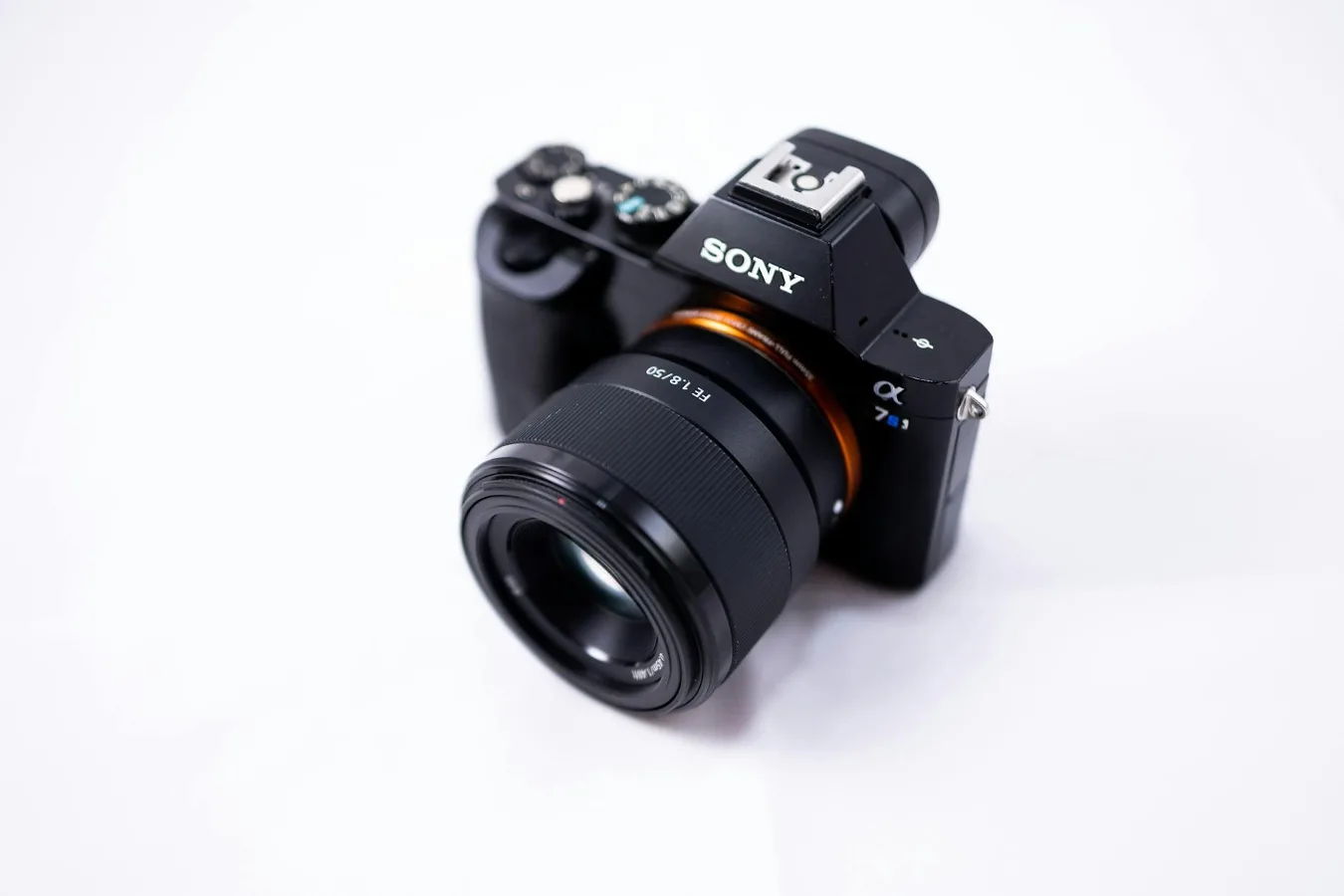
If you are shopping for a used Sony mirrorless camera, the smartest approach is not to chase the cheapest listing. The better deal is the camera that still fits your shooting needs, has a clean service history or honest seller description, and uses the right Sony E-mount ecosystem for the lenses you plan to buy next. Sony A6000 vs A5100: Which Fits You? offers more detail on this point. sony mirrorless camera vs canon mirrorless offers more detail on this point.
Used Sony mirrorless bodies can offer strong value because Sony has a broad lineup across APS-C and full-frame models, from entry-level options to more advanced bodies. But condition matters more than age alone. A well-kept older camera can be a better purchase than a newer one with heavy wear, missing accessories, or vague listing details.
What you are really buying in the used market
With a used mirrorless camera, you are not only buying a body. You are buying the camera’s physical condition, its remaining practical life, the lens ecosystem around it, and the seller’s honesty about what is included. That is especially true with Sony, where many buyers start with the body and build out lenses later.
For most shoppers, the first decision is whether the camera is intended for casual photography, travel, family use, video, or more serious creative work. That choice affects whether an APS-C model makes more sense than full-frame, whether you need in-body stabilization, and how much importance to place on battery life, card slots, and video features.
A common misconception is that an older model is automatically a bad buy. In reality, the right used Sony mirrorless camera depends on condition, compatibility, and price relative to your needs. A modest body that does exactly what you need can be a better purchase than a feature-rich model that exceeds your budget once you factor in lenses and accessories.
The key factors that matter most
Condition and visible wear
Cosmetic wear is not always a deal breaker, but it can reveal how a camera was handled. Scratches on the body, shine on grip surfaces, or marks near buttons are normal on used gear. More concerning are cracks, bent ports, loose dials, a wobbly mount, damaged screen hinges, or signs of liquid exposure. how to inspect a used camera body offers more detail on this point.
Check whether the listing clearly shows the front, back, top, bottom, hot shoe, battery compartment, memory card door, and lens mount. If these areas are not visible, ask for more photos. The absence of clear images is often more revealing than the wear itself.
Shutter count and usage history
Shutter count can be helpful, but it is only one clue. It may suggest how heavily the camera has been used, yet it does not tell the full story about storage conditions, drops, moisture exposure, or whether the body was serviced. Some sellers do not provide an accurate count, and some camera models may not make it easy to verify.
Use shutter count as a conversation starter, not a final verdict. A lower count is nice, but a careful owner with clear maintenance habits is often a better sign than a number by itself.
Lens ecosystem and mount compatibility
Sony’s E-mount system is one of the biggest advantages of buying used. Still, compatibility deserves attention. APS-C Sony bodies can use full-frame E-mount lenses, but those lenses are often larger and more expensive than many buyers expect. APS-C lenses may also be more compact and affordable, but they are not the same as full-frame glass.
If you plan to grow into the system, think beyond the body. A camera body may look inexpensive until you add the lens or lenses needed for portraits, everyday shooting, low-light work, or video. The best used body is often the one that leaves room in your budget for decent glass.
Battery, charger, and included accessories
Used listings can vary a lot in what comes in the box. Some include only the body; others include one battery, charger, strap, caps, or an original box. Since batteries age, their condition affects practical use. Missing accessories can also add unexpected cost.
Ask whether the camera includes an original battery, a third-party battery, or both. Also confirm whether the charger is included, especially if the seller is offering a body-only package. A seemingly low price can shrink quickly if you need to buy a battery, charger, memory card, and perhaps a lens.
Video and stills priorities
Many buyers search for a used Sony mirrorless camera because they want one body that handles both photography and video. That is practical, but not every model is equally balanced. Some cameras are stronger for stills, while others are more appealing for content creation because of autofocus behavior, mic input, or body ergonomics.
If you care mainly about still images, prioritize sensor size, autofocus reliability, grip comfort, and lens selection. If you care about video, check for features such as microphone input, headphone monitoring if needed, stabilization, and overheating reputation discussed by owners and reviewers. Do not assume every Sony body is equally suitable just because it is mirrorless.
Practical ways to judge a listing
A good used listing should answer the obvious questions before you have to ask them. Look for:
- Clear photos from multiple angles
- A specific description of cosmetic wear
- Disclosure of battery condition and included accessories
- Whether the camera powers on and focuses properly
- Whether all ports, dials, and buttons function
- Any mention of repairs, drops, or moisture exposure
If a listing says only “works great” with one blurry photo, treat it cautiously. Honest sellers usually provide enough detail to reduce uncertainty. If details are missing, assume you are taking on more risk.
One overlooked consideration is menu and language settings. Cameras imported from other markets may have different support expectations, accessory bundles, or menus configured in ways that make setup less intuitive. That does not automatically make the camera a bad purchase, but it is worth checking before you buy.
How to choose the right used Sony model for your needs
The best model depends on your use case more than on the idea of getting the newest body available.
If you want a simple starter camera
Look for an APS-C body that has a friendly control layout, reliable autofocus, and a lens ecosystem with affordable options. The goal here is to keep the total system cost manageable. A modest body paired with a good zoom or a small prime often makes more sense than stretching for a more advanced camera body alone.
If you want travel-friendly flexibility
Size and weight matter. A lighter body can be easier to carry, but the lens choice may matter even more. A compact Sony body with a bulky lens can still become inconvenient in a small bag. Consider the whole setup, not just the camera alone.
If you want better subject separation or low-light potential
Full-frame used Sony mirrorless bodies are appealing to many buyers, but they usually bring higher lens costs and larger gear overall. That trade-off is easy to overlook. If your budget is limited, a strong APS-C setup may deliver better overall value than a budget-stretched full-frame body with no room left for lenses.
If you want video-first features
Focus on the exact feature set you need rather than the camera family name. Check whether the body has the inputs and handling you want, whether the autofocus behavior matches your style, and whether heat management or recording limits will affect your projects. A body that is excellent for stills may still be only average for video.
Where used Sony cameras are usually safest to buy
There are several common sources for used mirrorless gear, and each has trade-offs.
- Camera retailers or certified used programs: Often more expensive, but they may provide inspection, grading, and some kind of return policy.
- Marketplace sellers: Sometimes cheaper, but you need to ask more questions and verify more details yourself.
- Local meetups or pickup sales: Useful if you want to inspect the camera in person before paying.
If you are buying from an individual, communication quality matters. Fast, specific answers are a positive sign. Evasive responses, repeated changes in the story, or refusal to provide extra photos should make you cautious.
Common mistakes buyers make
People often focus too much on brand and model and not enough on the total ownership picture. A used Sony mirrorless camera can be a smart purchase, but a few mistakes show up again and again.
- Buying the body first and planning lenses later without a budget
- Ignoring accessory costs such as batteries, charger, and memory cards
- Assuming minor cosmetic wear means the camera is unreliable when the opposite can sometimes be true
- Assuming a clean shutter count means the camera has no issues
- Overlooking the lens mount and sensor format match
- Skipping return policy or seller-protection details
Another practical nuance: a camera body with a strong reputation can still be the wrong buy if it pushes you into a lens compromise. For many users, a slightly less ambitious body and a better lens create a better result.
Used versus refurbished versus new
Used is not the same as refurbished, and the difference matters. Used usually means the camera is sold as-is with condition varying by seller. Refurbished often suggests the unit has been inspected, serviced, or tested under a seller program, though the exact process depends on the seller. New obviously offers the cleanest starting point, but usually at the highest cost.
If you want the lowest price and can evaluate listings carefully, used may be the best route. If you want more confidence and are willing to pay more, refurbished can reduce some risk. If warranty coverage and untouched condition matter most, new may still be the right choice.
Decision guidance: how to narrow the shortlist
A simple way to decide is to rank your priorities before comparing listings. Ask yourself these questions:
- Do I need APS-C portability or full-frame flexibility?
- Am I buying mainly for photography, video, or both?
- How much of my budget must stay available for lenses?
- Do I need a seller with a return policy?
- Can I verify condition well enough from photos and messages?
If a listing checks the right boxes on condition, compatibility, and total cost, it is usually a better choice than a slightly newer body with vague details. That is the central logic of buying used camera gear well: reduce uncertainty where it matters, and spend on the parts of the system that shape image quality and usability.
FAQ
Is a used Sony mirrorless camera a good buy?
It can be, especially if you want to save money and are comfortable checking condition, accessories, and lens compatibility. The best value usually comes from a well-kept body with clear listing details and a sensible price relative to its age and features.
Should I worry about shutter count?
Shutter count is useful, but it should not be the only factor. It gives a rough sense of use, yet it does not show handling, repairs, or environmental exposure. Treat it as one piece of the evaluation, not the whole answer.
What should I ask a seller before buying?
Ask about cosmetic condition, battery health, charger inclusion, any repairs or drops, port and button function, and whether the camera has been tested with a lens and memory card. If the seller is local, ask whether you can inspect it in person.
Is body-only a bad deal?
Not necessarily. A body-only listing can be a good value if you already own compatible lenses or plan to choose your own lens separately. If you are starting from scratch, include the cost of a lens, battery, charger, and memory card before deciding.
Which is better: used or refurbished?
Refurbished often offers more reassurance because the camera may have been inspected or serviced, but the quality of that process depends on the seller. Used may cost less, but it usually requires more careful evaluation from you.
If you approach a used Sony mirrorless camera as a system purchase rather than a body purchase, you are more likely to end up with gear that still feels like a good decision months later. The right listing is the one that fits your shooting style, leaves room for lenses, and does not hide the real condition behind a low headline price.
