
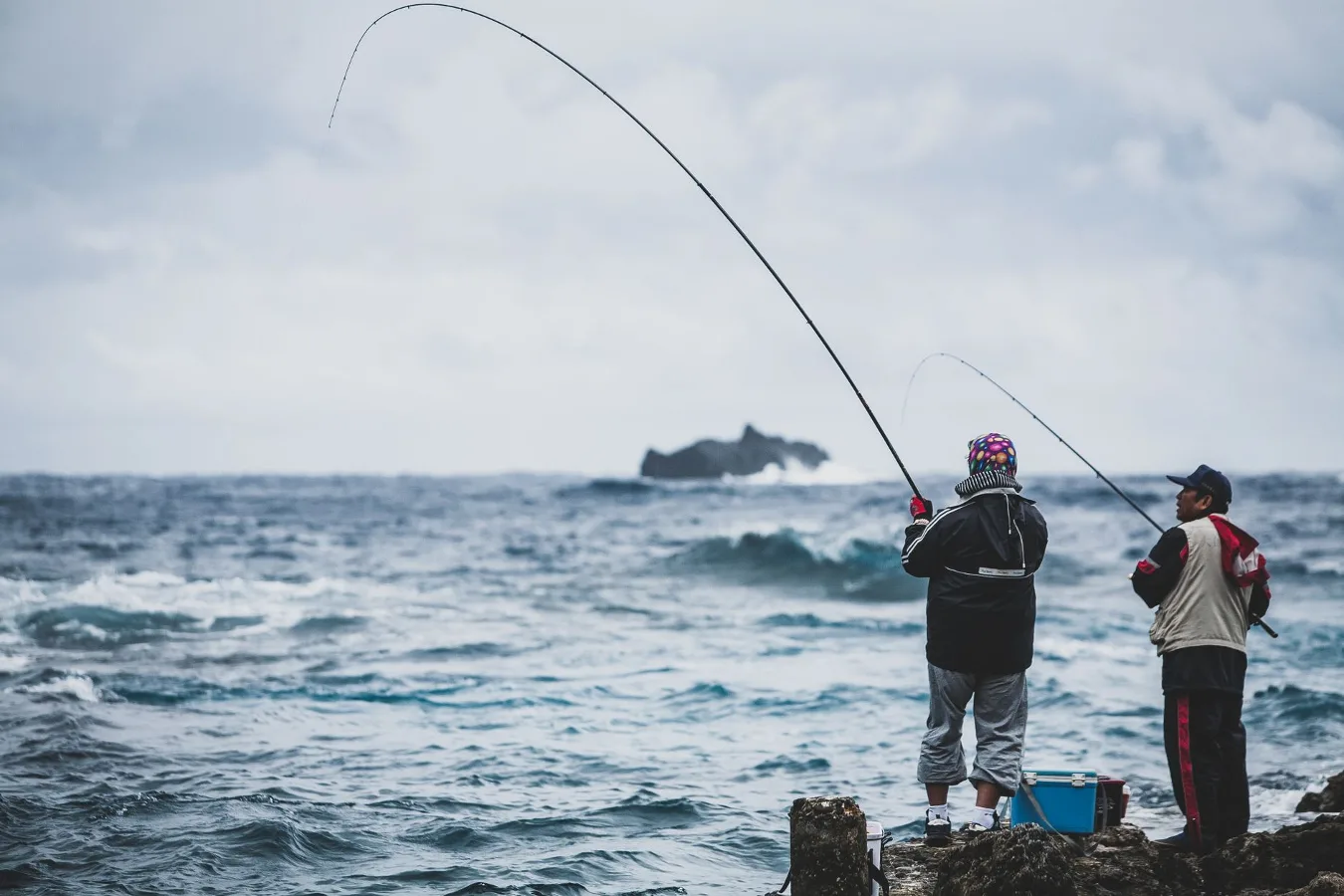
If you want the best action camera for fishing, start with the way you fish, not the brand name. The right choice depends on whether you spend more time in a kayak, on a boat, on the bank, or wading in the water, because each setup puts different demands on waterproofing, mounting, stabilization, battery life, and ease of use. Action Camera Microphone Attachments Guide offers more detail on this point.
For most anglers, the best action camera is the one that can handle spray, move easily between mounts, keep footage steady on rough water, and stay simple enough to operate when your hands are wet or occupied. A camera that looks impressive on paper but is awkward to mount or slow to use usually becomes a hassle after a few trips. action camera features that matter on the water offers more detail on this point.
What matters most in a fishing action camera
Fishing is a tougher environment than many buyers expect. Sun glare, changing light, wind, vibration, splashes, and occasional drops all shape what works well. A good camera should handle those conditions without forcing you to babysit the settings.
The most relevant buying factors are usually these:
- Water resistance for spray, rain, and accidental submersion
- Stabilization for boat movement, kayak drift, and handheld clips
- Mounting flexibility for rails, chest rigs, hats, and rods
- Battery life for longer sessions away from shore power
- Image quality in bright sun, glare, and mixed lighting
- Ease of use when you need quick recording without distraction
- Durability for salt, sand, and repeated handling
A common mistake is focusing only on resolution. High resolution is useful, but fishing footage is often made more watchable by strong stabilization, better exposure handling, and practical accessories. A camera that records sharp but shaky clips is less useful than one that captures slightly less detail but stays steady and easy to frame.
When an action camera makes sense for fishing
An action camera is especially useful if you want a compact, hands-free way to record your fishing without carrying a larger setup. That includes filming catch-and-release moments, documenting a trip, creating short social clips, or reviewing technique later.
It also makes sense if you fish from moving platforms. Kayaks, jon boats, skiffs, and surf setups all benefit from a small camera that can stay out of the way while still capturing the action. The compact shape matters here, because bulkier cameras are harder to secure and easier to knock loose.
Where an action camera may be less ideal is when you need very controlled, high-quality storytelling or long, uninterrupted recording. In those cases, a dedicated compact camera or mirrorless setup may offer better image quality, but it will usually be less convenient around water.
Step-by-step criteria for choosing the right camera
1. Match the camera to your fishing environment
Your environment should shape your first decision. Saltwater anglers face more corrosion risk and more persistent spray, so they need a camera and accessories that are easy to rinse and dry. Freshwater shore anglers may care more about portability and battery life. Kayak anglers often need the best balance of low profile mounting and stabilization because every movement gets transmitted to the footage.
If you fish in bright open water most of the time, a camera with strong dynamic range and good glare handling is useful. If you fish in shaded creeks, under bridges, or at dawn and dusk, better low-light performance matters more than extra resolution.
2. Prioritize stabilization over specs you may not use
Fishing footage is often ruined by vibration and movement before it is ruined by low resolution. Stabilization helps smooth out boat chop, walking along a bank, and quick camera adjustments when a fish hits. Electronic stabilization, horizon leveling, and well-implemented crop management can all help, but the real goal is simply footage that is comfortable to watch.
This is one of the most overlooked considerations. Buyers often assume stabilization is only for fast sports, but it is just as important when filming on water because even small movements become obvious in footage.
3. Check mounting compatibility before you buy
A camera is only as useful as the way you can place it. Look for compatibility with common action camera mounts, clamps, adhesive bases, chest mounts, head straps, suction mounts, and bar or rail mounts. For anglers, mounting options often matter more than accessories in the box.
Think through where you actually want the camera to live. A chest mount gives a first-person feel and keeps your hands free. A hat mount can be lightweight but may create more head movement in the video. A rail or gunwale mount is useful on boats and kayaks if you want consistent framing. A rod mount can capture a cast or retrieve, but it may be less practical for full-trip coverage.
Many anglers underestimate how often they will want to switch angles. A camera that uses a widely supported mounting ecosystem usually becomes easier to live with over time.
4. Consider battery behavior, not just battery size
Battery life is one of the biggest real-world limitations of action cameras. Recording at higher resolutions, using stronger stabilization, and keeping wireless features active all shorten runtime. Cold weather can also reduce usable battery performance.
For fishing, it is smart to think in terms of workflow. If you only need short clips around strikes and releases, one battery may be enough. If you want to film a full morning on the water, extra batteries or external power options matter. Swapping batteries on a windy dock is far easier when the camera door is simple to open and the battery compartment is designed for frequent access.
Also consider whether the camera can be charged easily between outings. A camera that is inconvenient to recharge often ends up unused, even if the image quality is strong.
5. Look for controls that are easy to use with wet hands
Fishing is a practical activity, not a controlled studio shoot. Touchscreens can be useful, but they are not always the best option in wet, salty, or cold conditions. Physical buttons, voice control, quick record shortcuts, and clear status indicators reduce frustration when you need to start or stop recording fast.
The best camera for fishing should make common tasks simple: start recording, confirm it is recording, change modes, and check battery status. If the menu system feels complicated in the store, it will feel worse on the water.
6. Pay attention to lens field of view and framing
Wide-angle lenses are common in action cameras because they make it easier to capture the surrounding scene. That is useful when you want to show the boat, the water, and the catch in one frame. The trade-off is distortion, especially around the edges, which can make faces or fish look stretched if the framing is too tight.
A useful practical approach is to think about your content style. If you want immersive point-of-view footage, a wider field of view can help. If you want cleaner catch shots or more polished fishing clips, a slightly narrower framing option may be easier to work with.
Examples of camera features that help anglers
Not every feature is essential, but some are particularly valuable for fishing use.
- Waterproof housing or rugged water resistance for spray, rain, and short splashes
- Stabilized video for boats, kayaks, and walking shorelines
- Fast start-up and quick recording so you do not miss the moment
- Removable batteries for longer outings
- Good audio handling if you want to narrate or capture ambient sound
- App support for reviewing clips and adjusting settings before launch
- Compact size for easier mounting and less obstruction
Some anglers also value voice control, though it works best as a convenience feature rather than something to rely on in noisy wind. If your camera is likely to be used in wet conditions, the simplest controls are often the most dependable.
Trade-offs worth thinking about
There is no perfect action camera for every fishing setup. The best choice always reflects a compromise.
Image quality vs. ease of use: A camera with excellent video specs may require more tuning. A simpler model may be easier to operate but less flexible in difficult light.
Battery life vs. size: Smaller cameras are easier to mount, but compact designs can limit battery capacity or make power management more important.
Wide field of view vs. distortion: Wider lenses capture more of the scene, but they can make close subjects look exaggerated.
Ruggedness vs. accessories: A fully sealed body may be more water-ready, while certain add-ons or external microphones can complicate weather protection.
Premium features vs. actual needs: If you mainly record short fishing clips, you may not benefit from advanced modes that sound impressive but add complexity.
Common mistakes anglers make when buying
- Buying for resolution alone and ignoring stabilization and mounting needs
- Overlooking waterproofing requirements for saltwater or splash-heavy fishing
- Forgetting about battery access during longer trips
- Choosing a camera with awkward controls for wet hands and quick use
- Ignoring accessory compatibility until after the purchase
- Mounting the camera too high or too low and getting poor framing
- Expecting one setup to work for every fishing style
A subtle mistake is assuming the same camera setup works equally well for shore fishing, kayak fishing, and boat fishing. The best results usually come from matching the mount and field of view to the specific fishing style, not from forcing one universal configuration.
Practical setup choices by fishing style
Kayak fishing
Kayak anglers usually benefit from a compact camera with strong stabilization and reliable mounting. The footage should stay usable even when the kayak shifts, bumps, or turns. A low-profile mount is important because exposed gear is easier to snag or splash. Battery access also matters, since changing batteries while seated in a kayak can be awkward.
Boat fishing
Boat fishing gives you more mounting flexibility, which is helpful, but movement from chop and acceleration can still affect footage. A camera that handles vibration well is useful, and a secure mount matters just as much as image quality. If you fish with others, think about whether the camera will record the whole deck or just your own station.
Shore and bank fishing
For shore fishing, portability and quick setup are usually the main priorities. A compact camera that can clip to a chest harness, hat, or small tripod is often enough. If you walk long distances, weight matters more than many buyers expect.
Surf and saltwater fishing
Salt exposure changes the equation. Cameras and accessories should be easy to rinse and dry after use. Corrosion-resistant mounts, secure closures, and straightforward maintenance become especially important. A camera that is technically waterproof but annoying to clean may not be practical in the long run.
A simple checklist before you buy
Before choosing a camera, run through this list:
- Will it stay secure in the fishing environment you use most?
- Can it handle spray, rain, and occasional submersion if needed?
- Does it have the stabilization you need for water movement?
- Are the controls easy to use with wet or cold hands?
- Can you mount it where you actually want the footage from?
- Will battery life support your typical trip length?
- Is the field of view suitable for the kind of clips you want to make?
- Will you need extra batteries, mounts, or protective accessories?
If you can answer those questions confidently, you are much closer to the right purchase than by comparing specs alone.
Alternatives if an action camera is not the best fit
There are situations where another type of camera may make more sense. A compact point-and-shoot or mirrorless camera can offer better image quality and more control, especially if you plan to film edited fishing content rather than quick action clips. A smartphone in a waterproof case can also be a practical option for casual use, though it is less convenient to mount securely and less comfortable to expose around water.
For anglers who mainly want documentation rather than polished video, a simpler rugged camera may be enough. The better question is not whether an action camera is the most capable option overall, but whether it is the most practical one for your fishing routine.
How to choose the best action camera for fishing
The best action camera for fishing is the one that fits your environment, your mounting style, and how much effort you want to spend managing gear. For most anglers, the sweet spot is a camera that is compact, waterproof or weather-resistant enough for real fishing conditions, stable enough for moving water, and easy enough to operate without distracting from the day. how to choose a waterproof camera offers more detail on this point.
If you focus on those practical factors first, you will avoid the most common buying regrets. Resolution matters, but only after the camera can survive the trip, stay mounted securely, and capture footage that is steady enough to watch later.
