
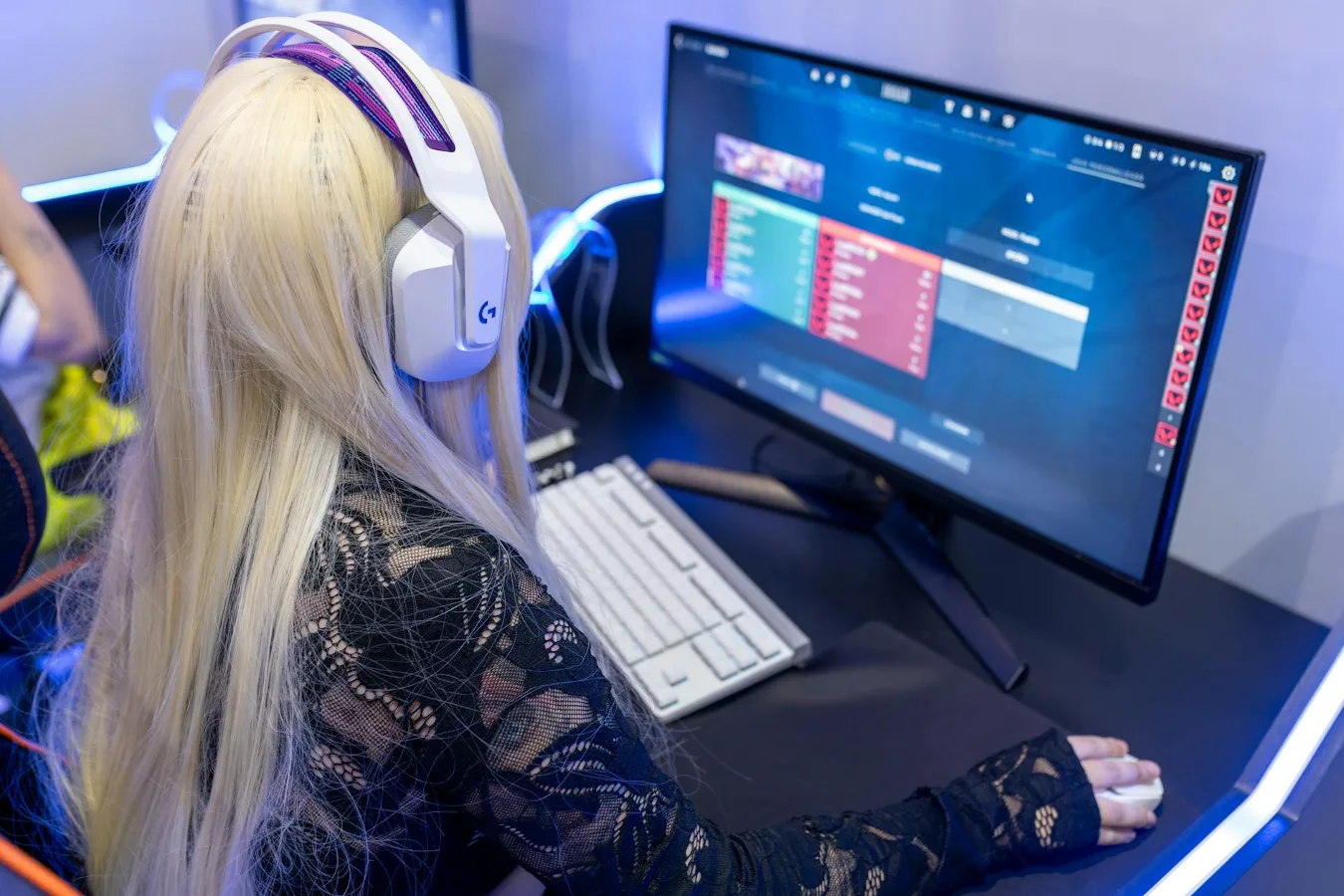
An ambidextrous gaming mouse is built to work comfortably in either hand, or at least to avoid locking the user into a strictly right-handed shape. That sounds simple, but the details matter. Shape, button layout, side-panel symmetry, weight, sensor placement, and software support can all change how the mouse feels in real play.
For some buyers, the appeal is obvious: a left-handed player needs a mouse that does not fight their hand. For others, ambidextrous design is about flexibility, travel use, or the desire for a cleaner symmetrical shape that works well with multiple grip styles. The challenge is that not every mouse described as ambidextrous offers the same level of true two-hand usability.
This guide breaks down what the term really means, which features matter most, and how to compare options without getting distracted by marketing language. It is designed as a practical buying resource for players who want to understand the category before narrowing down specific models.
Explore Computer
Use these supporting guides to go deeper into specific questions, comparisons, and buying decisions.
- Budget-Friendly Mechanical Keyboards Guide
- Mechanical Keyboard vs Magnetic: Which Fits You?
- Best Silent Mechanical Keyboard Guide
- Mechanical Keyboard vs Regular Keyboard
- Red Dragon Gaming Mouse Buyer Guide
- Aluminum Mechanical Keyboards: Buyer’s Guide
- Mechanical Keyboard vs Regular: Key Differences
- Most Quiet Mechanical Keyboard Switches
- Quiet Mechanical Keyboards: What to Look For
- Wooden Mechanical Keyboards: What to Know
- Best Gaming Mouse for Big Hands
- External SSD vs Internal SSD: Which Fits Better?
- Internal vs External SSD: Which Fits Best?
- Purple Mechanical Keyboard Buying Guide
- Best Claw Grip Gaming Mouse: Buyer’s Guide
- CyberPowerPC Gaming Optical Mouse Elite M1-131 Guide
- Choosing an External SSD Enclosure
- External vs Internal SSD: Which Fits You?
- Hot Swap Mechanical Keyboard Guide
- Mechanical Keyboard Brown Switches Guide
- Mechanical Keyboard Layouts: A Buyer’s Guide
- Mechanical Keyboard Switch Tester Guide
- Mechanical Keyboard With Screen: Buyer Guide
- Prebuilt Mechanical Keyboard Buying Guide
- Regular Keyboard vs Mechanical: Which Fits You?
- Tactile Mechanical Keyboard Switches Guide
- Large Gaming Mouse: How to Choose One
- Noiseless Gaming Mouse Buying Guide
- Purple Gaming Mouse Guide: How to Choose One
- How to Choose a White Gaming Mouse Mat
- Thunderbolt External SSD Buying Guide
- How to Choose a Backlit Mechanical Keyboard
- Best Mechanical Keyboard for Coding
- Best Gaming Mouse for Small Hands
- Best Gaming Mouse for WoW: What Matters Most
- External SSD Price in BD: Buying Guide
- External SSD vs Internal: Which Is Better?
- Internal SSD vs External SSD: Which to Choose
- Internal vs External SSD: Which Fits You?
- Choosing an External SSD for Thunderbolt
- Choosing an External SSD for Thunderbolt
- Best External SSDs for Gaming PCs
- External SSD vs Internal SSD: Which Fits?
- Thunderbolt SSD External Buying Guide
What “ambidextrous” means in a gaming mouse
In gaming peripherals, ambidextrous usually refers to a mouse with a symmetrical shell or a shape that can be used comfortably in either hand. That does not always mean every control is mirrored. Some mice have a symmetrical body but side buttons only on one side, which can make them convenient for right-handed users who switch hands occasionally, but less ideal for left-handed players who want full functionality.
There are two broad interpretations of the term:
- True ambidextrous use — the mouse is designed so either hand can access controls easily, sometimes with removable or mirrored buttons.
- Symmetrical shape only — the shell is left-right balanced, but the button layout may still favor one hand.
That distinction is one of the most important things to understand before comparing products. A mouse can look ambidextrous at a glance and still create friction for a left-handed user in actual use.
When this category matters most
An ambidextrous gaming mouse matters most when hand comfort and control take priority over a sculpted, right-handed ergonomic shape. It is especially relevant in a few situations.
Left-handed gamers
Many gaming mice are shaped specifically for right-handed use. Left-handed players often end up adapting to a shape that does not match their natural grip, or they have to switch to a mouse with fewer side controls. Ambidextrous designs reduce that compromise.
Households and shared setups
In shared gaming spaces, a symmetrical mouse can be easier to move between users. If one desk is used by more than one person, a neutral shape can be more practical than a contoured right-handed shell.
Players who switch hands
Some users alternate hands to manage fatigue or personal preference. A symmetrical mouse can make that easier, although the rest of the setup, including keyboard placement and desktop space, still needs to support the switch.
Minimalist or multi-use desk setups
Some people prefer a neutral mouse shape because it feels less specialized and easier to use across work, browsing, and gaming. That is not a performance advantage by itself, but it can make the mouse more versatile.
How ambidextrous gaming mice differ from ergonomic mice
The main trade-off is simple: symmetrical mice usually offer broader hand flexibility, while ergonomic mice often provide a more contoured fit for one hand. Neither approach is automatically better. The right choice depends on how you hold the mouse and what kind of games you play.
Ergonomic gaming mice often have a sculpted thumb rest, sloped shape, or angled body that supports a specific hand position. These can feel excellent for long sessions if the shape matches your grip. Ambidextrous mice, by contrast, are typically flatter and more neutral. That can make them less immediately “hugged” by the hand, but more adaptable across users and grip styles.
A useful way to think about it is this: ergonomic mice prioritize fit for one hand, while ambidextrous mice prioritize neutrality and flexibility. If you are looking for a mouse for a left-handed gamer, that distinction becomes even more important because right-handed ergonomics can be a deal-breaker.
Key features to evaluate before buying
Shopping for an ambidextrous gaming mouse is easier when you focus on a short list of practical criteria. For this category, shape and controls usually matter more than flashy extras.
1. Shape and shell design
The shell determines how the mouse sits in the hand. A low-profile symmetrical shape can suit fingertip and claw grip users well, while a taller symmetrical body may feel better for palm grip users who want more surface contact.
Pay attention to the width of the mouse, the height of the hump, and whether the sides are straight or slightly curved. Small changes here can affect comfort more than DPI numbers or lighting effects.
2. Side button layout
Side buttons are often the biggest practical difference between a truly usable ambidextrous mouse and a merely symmetrical one. Some models include buttons on both sides, some allow one side to be disabled, and others use removable button covers.
For left-handed gamers, mirrored side buttons can be a major advantage. For right-handed users, the same feature may help if the mouse is shared between users. The best layout depends on whether you want easy access to extra controls or a cleaner, less cluttered shell.
3. Grip style compatibility
Grip style changes what feels good more than many shoppers expect. An ambidextrous mouse may be ideal for one grip and awkward for another.
- Palm grip usually favors a fuller body with enough height to support the hand.
- Claw grip often works well with a compact, symmetrical shell and a pronounced hump.
- Fingertip grip tends to prefer lighter, smaller mice with easy-to-reach buttons.
There is no universal best grip style. The right match depends on hand size, how you anchor the mouse, and how much movement you want from your wrist and arm.
4. Weight and balance
Weight influences how quickly the mouse moves and how much effort is needed for repeated flicks or tracking motions. A lighter mouse may feel more responsive in fast-paced shooters, while a heavier one can feel more stable for some users.
Balance matters too. A mouse that is technically light but feels front-heavy or side-heavy may be less comfortable than a slightly heavier one with even weight distribution.
5. Sensor quality
For most gaming buyers, the sensor should be reliable, consistent, and free from obvious tracking issues. The exact specification list can be tempting to overanalyze, but practical performance matters more than a long feature sheet.
Look for a mouse with a sensor reputation for consistent tracking, sensible lift-off behavior, and stable movement across different surfaces. If you use a cloth mouse pad, hard pad, or hybrid surface, compatibility can affect the feel of the mouse more than raw sensor marketing terms.
6. Polling rate and latency
Polling rate describes how often the mouse reports movement to the computer. Higher rates can be useful, but only if the rest of the mouse and your system handle them well. For most buyers, the important point is not chasing the highest number available, but choosing a mouse with dependable, consistent response.
7. Software and customization
Gaming mouse software can control button remapping, profiles, sensitivity steps, lighting, and sometimes angle tuning or surface calibration. That can be useful, especially if the mouse is meant to serve multiple games or users.
At the same time, software should be treated as support, not the main reason to buy. A complicated app can become a burden if you only want basic remapping and a straightforward setup.
How to match the mouse to your use case
Instead of starting with a spec sheet, it helps to start with how you actually play. Different games and habits favor different ambidextrous designs.
Fast shooters and aim-heavy games
In FPS games, many players prefer a mouse that feels easy to stop and restart with minimal drag. That often points toward a lighter symmetrical mouse with a shape that suits claw or fingertip grip. A good button layout should also avoid accidental presses during tense movement.
MMO and ability-heavy games
If you rely on many key binds, side buttons and software profiles become more important. Some ambidextrous mice provide fewer extra buttons than bulky MMO-style mice, so shoppers should decide whether they want a clean symmetrical shape or more onboard controls.
General PC use and mixed gaming
For a mouse that does everything reasonably well, comfort and reliability usually matter more than specialized features. A neutral shape, sensible weight, and easy remapping can make an ambidextrous mouse practical for both work and play.
Left-handed use with frequent productivity work
Left-handed users often need a mouse that does not just work in the left hand, but works naturally in the left hand for long sessions. Button placement, scroll wheel reach, and software remapping are all worth checking carefully.
A simple decision framework
Because the category is broad, it helps to compare options in a logical order rather than by marketing highlights. The following sequence keeps the decision grounded in real use.
- Start with handedness needs. Decide whether you need full left-handed functionality or simply a symmetrical shape.
- Choose a grip style fit. Match the shell height and width to palm, claw, or fingertip use.
- Check button symmetry. Verify whether side buttons exist on both sides, can be disabled, or can be swapped.
- Assess weight and balance. Consider how the mouse will feel during long sessions and fast movements.
- Review software needs. Make sure remapping and profile support are straightforward enough for your setup.
- Think about your games. A mouse that is ideal for one genre may feel too sparse or too bulky for another.
This approach is useful because it prevents a common mistake: buying a mouse for a single feature and discovering later that the shape or controls do not suit the way you actually play.
Common misconceptions about ambidextrous gaming mice
A few assumptions come up often in this category, and they can lead buyers in the wrong direction.
“Ambidextrous always means left-handed friendly”
Not necessarily. A symmetrical shell may still place side buttons on only one side, which can make the mouse much less useful for a left-handed player.
“More buttons are always better”
Extra controls can help in some games, but they can also create accidental presses, clutter the shape, or force compromises in thumb placement. The right number of buttons depends on your games and grip style.
“Heavier means more precise”
Precision depends on control, consistency, and comfort. Some players prefer the planted feel of more weight, while others perform better with a lighter setup that requires less effort to move.
“High DPI is the main quality marker”
DPI is only one part of the picture. Real-world comfort, sensor consistency, shape, and button placement are usually more important than chasing the largest number on the box.
Examples of user profiles and what they usually need
These examples are not strict rules, but they help show how different priorities change the ideal mouse.
- The left-handed competitive player: usually benefits from a true ambidextrous layout with mirrored or switchable side buttons and a stable, lightweight shell.
- The casual all-rounder: may prefer a symmetrical mouse with comfortable dimensions, simple software, and a reliable sensor rather than a highly specialized design.
- The claw grip player: often does well with a compact symmetrical body and a noticeable hump that supports control without forcing the palm flat.
- The shared-desk user: may value a neutral shape, onboard profile memory, and flexible button mapping so multiple people can use the same device.
- The FPS-focused player: often wants low drag, good balance, and controls that stay out of the way during fast movement.
What to check in a product listing
Product pages can be misleading if you read only the headline. A few details deserve closer attention before you buy.
- Button symmetry: confirm whether side buttons are on both sides or only one.
- Software support: look for remapping, profile switching, and onboard memory if needed.
- Connection type: wired and wireless options each have advantages depending on desk setup and travel use.
- Shape dimensions: length, width, and height affect how the mouse fills your hand.
- Weight notes: consider whether the mouse is designed for rapid movement or a more grounded feel.
- Switch and wheel behavior: if described, these details can help indicate the overall build approach.
Specifications alone will not tell you whether a mouse feels good, but they can help you rule out poor matches before you buy.
Wired vs wireless in an ambidextrous design
Both connection types can work well in this category. The decision is usually about preference and setup rather than absolute performance superiority.
Wired mice avoid charging concerns and can be appealing for buyers who want a simple plug-and-play setup. They can also be easier to keep running for long sessions without thinking about battery life.
Wireless mice reduce cable drag and can make a symmetrical shape feel even cleaner in motion. They are especially attractive for users who want a clutter-free desktop or who move between work and gaming use.
The best choice depends on whether you prioritize convenience, desk simplicity, charging habits, and how sensitive you are to cable feel.
Maintenance and long-term care
An ambidextrous gaming mouse does not require complicated maintenance, but regular care can preserve feel and consistency.
- Keep the sensor area clean so tracking is not affected by dust or debris.
- Wipe the shell occasionally to remove sweat and skin oils that can make the surface slippery.
- Check mouse feet for wear if you use the mouse daily on an abrasive pad.
- Review button mappings after software updates or profile changes.
- Store wireless models with charging habits that suit your routine.
If the mouse includes removable side buttons or magnetic covers, keep those pieces organized so the hand-specific layout stays usable over time.
A practical checklist before you choose
Use this as a final pass before buying or recommending a model.
- Does the mouse support your handedness without awkward compromises?
- Does the shape fit your grip style and hand size reasonably well?
- Are the side buttons placed in a way that suits your dominant hand?
- Is the mouse light enough or stable enough for your games?
- Does the software allow the remapping and profile control you need?
- Will wired or wireless better suit your desk and play habits?
- Does the mouse seem versatile enough for both gaming and everyday use?
If several answers are uncertain, the safest move is usually to favor a simpler, more neutral model rather than a feature-heavy one with compromises you may regret later.
How this category fits into a broader gaming setup
An ambidextrous gaming mouse is only one part of a comfortable setup. Mousepad texture, desk space, keyboard placement, and sensitivity settings all influence how the mouse feels in practice. A mouse that seems perfect in isolation may feel different once it is paired with a low-sensitivity desktop environment or a cramped desk.
That is one reason this category works well as a hub topic. From here, buyers often move on to narrower questions such as grip style, wireless versus wired choices, hand-size matching, and game-specific recommendations. Those follow-up topics deserve their own deeper coverage because the best answer changes depending on the user.
FAQ
Is an ambidextrous gaming mouse good for left-handed users?
Often yes, but only if the button layout supports left-handed use. A symmetrical shell alone is not enough if the side buttons are placed only for right-handed access.
What is the difference between ambidextrous and symmetrical?
Symmetrical usually describes the shape. Ambidextrous suggests broader usability in either hand, which may include button placement and software options.
Are ambidextrous gaming mice better for FPS games?
They can be, especially if you prefer a lighter, cleaner shape with minimal side interference. The real advantage comes from fit and control, not the label itself.
Do ambidextrous mice have fewer features?
Sometimes they do, especially when the design prioritizes symmetry over extra side controls. That is not always a drawback, but it is worth checking if you rely on multiple binds.
What should I prioritize first: shape, buttons, or sensor?
For most buyers, shape comes first, buttons second, and sensor quality third. A strong sensor cannot make up for a mouse that feels awkward in your hand.
Final takeaway
The best ambidextrous gaming mouse is not the one with the most dramatic spec sheet. It is the one that fits your hand, supports your preferred grip, and gives you the control layout you actually need. For left-handed gamers, that often means carefully checking more than just the shell shape. For everyone else, it can be a smart way to get a neutral, versatile mouse that works across different tasks and users.
If you approach the category with a clear checklist rather than a focus on buzzwords, it becomes much easier to separate genuinely useful designs from products that only look symmetrical on paper.
