
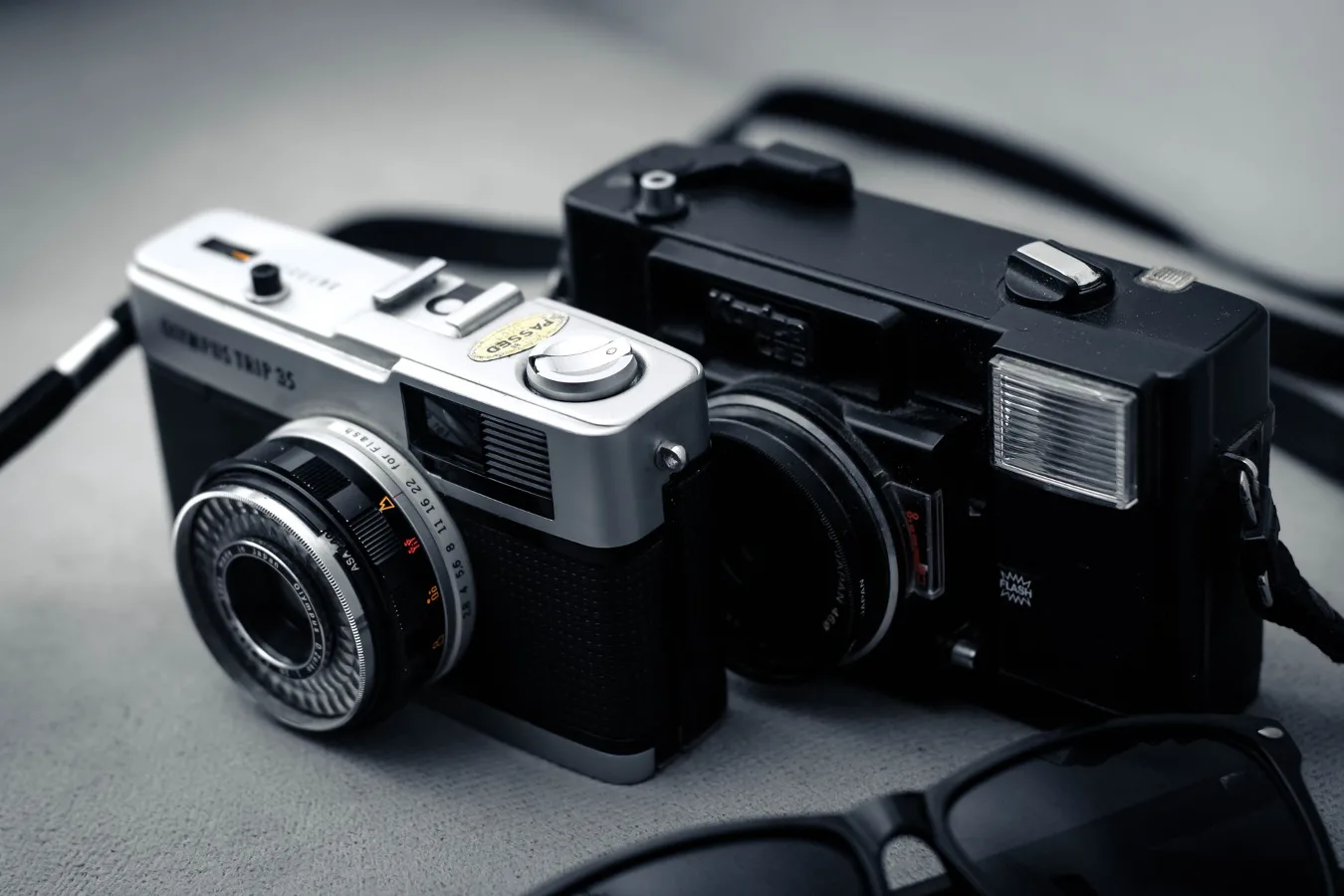
When rangefinder-style mirrorless cameras make sense
Rangefinder-style mirrorless cameras are the right choice when you want a compact interchangeable-lens body that keeps controls simple, encourages a quieter shooting rhythm, and feels more discreet than a larger DSLR-style camera. The design usually appeals to photographers who value portability, street work, travel, documentary shooting, and manual control over deep grip comfort or oversized handling. Mirrorless vs Point and Shoot Cameras offers more detail on this point. mirrorless camera pouch offers more detail on this point.
The key point is that “rangefinder-style” describes the body shape and shooting experience, not a separate sensor class or a fixed feature set. Some models prioritize a flat top plate and small footprint, while others add advanced autofocus, in-body stabilization, high-resolution electronic viewfinders, or hybrid finder systems. That variety is helpful, but it also means buyers should focus on handling, lens system, and intended use rather than the shape alone.
If you are choosing between rangefinder-style and more traditional mirrorless bodies, the real question is not which is universally better. It is whether the compact design helps your actual shooting habits. If you shoot one-handed often, carry your camera daily, or prefer a less intimidating setup, the format can be a strong fit. If you use large zooms, want a deep grip, or need a body that balances heavy telephoto lenses, another mirrorless style may be more practical.
What the rangefinder-style layout changes
The most recognizable trait is the offset viewfinder on many models, which places the finder to one side of the body rather than centered. This can create a more open view of the scene around the frame, especially for photographers who like to keep both eyes open while shooting. The experience feels different from an eye-level SLR-style body, where the lens often sits directly under the finder.
Another common change is body shape. Rangefinder-style cameras tend to be flatter and less pronounced in the front, which improves portability but can reduce the security of the grip. That trade-off matters more than many buyers expect. A small body may be easier to carry all day, yet a cramped grip can become tiring once you mount a heavier lens or spend long sessions shooting one-handed.
These cameras are often associated with a more deliberate way of working. That does not mean they are slow. It means the physical design tends to reward intentional framing, compact prime lenses, and frequent use of manual dials or aperture rings. For some photographers, that is a benefit because it makes the camera feel direct and responsive. For others, it is simply a preference.
Step-by-step criteria for choosing one
1. Start with your main subject matter
Your subject matter should drive the decision. If you mostly shoot street, travel, family events, editorial work, or everyday documentary scenes, the smaller body and less conspicuous profile can be an advantage. If you shoot sports, wildlife, or anything that depends on long lenses, the rangefinder-style shape usually becomes a compromise rather than a benefit.
A useful rule is to ask whether the camera will spend most of its time with small primes or larger zooms. Rangefinder-style bodies are often at their best with compact lenses. Once the lens grows large, the body’s minimal grip and smaller frame may feel less balanced.
2. Decide how you like to compose
Some photographers prefer composing through an electronic viewfinder because it shows exposure preview, white balance changes, and focus aids. Others prefer a camera that lets them stay aware of the scene outside the frame. Rangefinder-style mirrorless cameras often lean toward the second experience, even when they include a high-quality EVF.
If you rely heavily on manual focusing, focus peaking, magnification, or depth-of-field preview, make sure the finder and rear display are comfortable enough for that workflow. A compact camera can be wonderfully portable but still frustrating if the viewfinder feels cramped or the display is awkward in bright light.
3. Check the lens ecosystem before the body
For this category, lens support matters at least as much as the body design. A beautiful camera is less useful if the lens lineup does not match your needs. Look at whether the system offers the focal lengths you actually use, including fast primes, compact wide-angle options, and any small zooms you may want for travel or general use.
Pay attention to the balance between lens size and body size. One of the overlooked advantages of rangefinder-style mirrorless cameras is how well they can pair with small lenses that keep the whole kit light. If the available lenses are mostly large, some of the appeal disappears. how to choose a camera body size offers more detail on this point.
4. Evaluate the controls, not just the appearance
A rangefinder-style camera often looks elegant, but appearance should not outweigh control placement. Consider whether the shutter speed dial, aperture ring, exposure compensation dial, custom buttons, and rear controls are arranged in a way that feels natural. A compact body can feel premium yet still be awkward if key settings are difficult to reach.
Think about your workflow. Do you shoot in aperture priority most of the time? Do you need quick access to ISO? Do you change autofocus area often? If yes, you may want a model with a sensible customization system rather than one that depends too much on menu navigation.
5. Match the viewfinder to your comfort level
Viewfinder type is one of the most important practical differences in this category. Some cameras use a traditional electronic viewfinder, while others offer hybrid or optical-style viewing systems. Each approach has strengths.
- Electronic viewfinders are useful for exposure preview, focus confirmation, and seeing image adjustments before capture.
- Optical or hybrid systems can feel more open and immediate, especially for photographers who like to track action outside the frame.
- Rear-screen shooting may be fine for casual use, but it can be less comfortable in strong sunlight or for deliberate framing.
There is a common misconception that a rangefinder-style body automatically means a rangefinder-like finder. That is not always true. Many modern models simply borrow the body shape while using a standard EVF. Treat the finder as its own decision, not an assumed feature.
6. Consider how much comfort you need over time
Small cameras are easy to love in the store and harder to evaluate after a long day. Grip depth, thumb support, button spacing, and the placement of the rear screen hinge all affect comfort. If you plan to carry the camera for hours or use it one-handed, the ergonomics matter more than most spec sheets suggest.
This is one of the biggest trade-offs in the category. Rangefinder-style bodies often win on portability, but they may lose some points in fatigue reduction. A deeper grip, additional thumb rest, or a small accessory grip can help, but those additions also change the compact feel that attracts many buyers in the first place.
Who benefits most from the format
Rangefinder-style mirrorless cameras tend to be a strong match for photographers who prioritize discretion and mobility. Street photographers often value a smaller silhouette because it draws less attention and makes the camera easier to keep with them every day. Travel photographers may like the reduced bulk, especially when paired with compact primes.
The format also suits photographers who enjoy a tactile shooting experience. If you like using physical dials, aperture rings, and a more direct relationship with exposure settings, the body design can reinforce that style. It can make the process feel more intentional without forcing you into full manual operation.
That said, the format is not limited to enthusiasts. A beginner who wants a less overwhelming camera can benefit from a simpler physical layout, provided the menu system and autofocus logic are accessible. The challenge is avoiding the assumption that small automatically means easy. Some compact bodies are streamlined; others still require a fair amount of setup and learning.
Where the compromises show up
The main compromise is balance. A small body with a large lens can feel front-heavy and less secure in the hand. This affects not only comfort but also handling confidence, especially during one-handed shooting or when changing lenses quickly.
Another limitation is accessory dependence. If the grip is shallow, you may want a strap, thumb rest, or add-on grip. If the finder is small, you may find yourself spending more time on the rear screen than expected. These are not deal-breakers, but they can change the appeal of the system once real use begins.
Battery life and thermal behavior can also vary by model, so check the practical details that affect a day out rather than assuming the format guarantees convenience. Compact bodies leave less room for large batteries, and photographers who use burst shooting, video, or constant display review may notice that sooner.
A subtle but important trade-off is operational pace. A rangefinder-style camera can encourage a calmer, more deliberate approach. That is a benefit for some work and a limitation for others. If you often need quick, reactive framing with long lenses or fast-changing subjects, the format may not feel as efficient as a larger-handled body.
Examples of good use-case matches
For street photography, the compact profile and quieter presence can help you work with less attention drawn to the camera. That can matter as much as autofocus speed or burst rate if your style depends on subtlety and timing.
For travel photography, the biggest advantage is not just weight. It is how likely you are to carry the camera because it feels manageable. A camera that stays in the bag does not help. A smaller, better-balanced kit is often the one that gets used.
For everyday carry, rangefinder-style mirrorless bodies make sense when you want a camera that feels close to a dedicated tool rather than a bulky obligation. A compact prime can turn the camera into something that is easy to take along without planning every outing around it.
For manual-focus or zone-focus shooting, the format can be especially satisfying if the controls and finder support that style well. The emphasis on compact primes and simple handling pairs naturally with deliberate focusing techniques.
Checklist before you buy
- Confirm that the lens mount offers the focal lengths and sizes you actually want.
- Check whether the grip feels secure enough for your preferred lens weight.
- Compare the viewfinder type and clarity with your shooting style.
- Look at button layout and customization options, not only the body design.
- Consider whether you shoot mostly with compact primes or heavier zooms.
- Review battery expectations if you plan long days away from charging.
- Think about how often you will carry the camera outside planned shoots.
- Make sure the rear screen is usable in the conditions where you shoot most.
- Decide whether accessory grips or thumb rests would defeat the compact advantage.
- Choose the body that fits your actual workflow, not just the style you prefer visually.
Common mistakes buyers make
One common mistake is assuming all compact mirrorless cameras are interchangeable. A rangefinder-style body can feel dramatically different depending on grip shape, finder design, and lens ecosystem. The body style is only one part of the experience.
Another mistake is choosing a camera because it looks like a classic rangefinder and then mounting lenses that make it awkward to hold. The combination matters more than either component alone. Compactness should be evaluated as a full system.
Buyers also sometimes underestimate how often they rely on stability. A shallower grip may not seem like a problem until you start shooting for extended periods or use longer glass. If comfort is a priority, treat hands-on handling as a core decision factor, not an afterthought.
Finally, some photographers focus too much on the finder type and ignore lens availability, autofocus behavior, and control layout. A beautiful finder cannot compensate for a system that does not support your subjects or a body that slows your workflow.
Practical alternatives if the format is close but not quite right
If you like the idea of compactness but want a deeper grip, consider a standard mirrorless body with small prime lenses. That approach preserves much of the portability while improving hand comfort and lens balance.
If you want a more tactile experience, look for a mirrorless camera with physical dials and aperture-ring lenses even if the body is not rangefinder-style. The shooting feel may be close enough without the ergonomic compromises.
If discretion matters more than lens interchangeability, a premium fixed-lens compact can be an easier daily carry. It will not offer the same flexibility, but it can be simpler and smaller.
If you shoot with longer lenses or need a more secure hold, a DSLR-style grip or larger mirrorless body may be the better long-term choice. That does not make the camera less serious; it just makes it better suited to different work.
What to remember before you choose
Rangefinder-style mirrorless cameras are best understood as a design philosophy: compact, discreet, and often tactile. They shine when paired with small lenses and used for subjects that reward mobility, awareness, and a low-profile presence. They are less ideal when comfort with large lenses, deep grip security, or fast telephoto work matters more than size.
The smartest way to buy one is to judge the whole system. Look at the lens lineup, finder, grip, controls, and battery life together. If those pieces align with how you shoot, the format can be genuinely rewarding. If they do not, the style may look perfect while the day-to-day experience feels compromised.
