
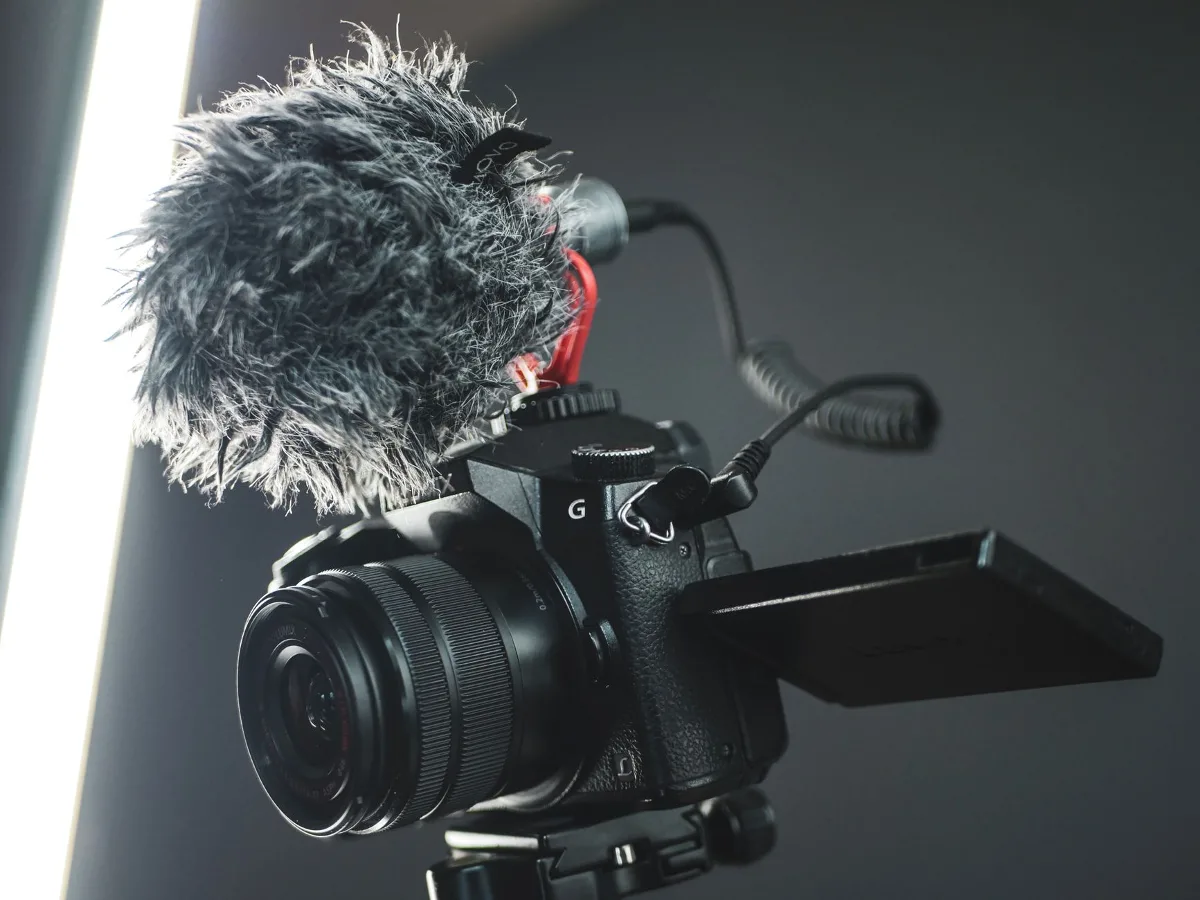
If you want a microphone for a vlog camera, the best choice is usually the one that fits your filming style first and your camera second. A compact on-camera shotgun mic works well for quick solo vlogs and run-and-gun shooting, while a wireless lavalier system is often better if you move around, speak to camera from a distance, or film in busy places. The right microphone should improve voice clarity without making your setup awkward enough that you stop using it. best camera setups for vlogging offers more detail on this point. Best Microphone for a Vlogging Camera offers more detail on this point. good vlogging camera canon offers more detail on this point.
That trade-off matters more than many buyers expect. A microphone can sound good on paper, but if it blocks your screen, needs extra batteries, or is incompatible with your camera’s input, it becomes a hassle. For most vloggers, the smartest purchase is not the most feature-packed mic, but the one that matches the way they actually record.
Start with the kind of vlogs you make
The best microphone for a vlog camera depends heavily on the recording scenario. A creator filming talking-head clips at arm’s length has different needs from someone documenting street scenes, travel, food, or behind-the-scenes footage. Sound pickup pattern, mounting style, and mobility all matter.
If you film mostly straight to camera
For indoor desk vlogs, product commentary, or face-to-camera updates, a small directional microphone mounted on the camera can be a practical choice. It keeps the setup simple and usually captures a cleaner voice signal than the built-in camera mic. This is often the easiest upgrade for beginners who want a noticeable improvement without changing their workflow too much.
If you move while recording
For walking vlogs, interviews, event coverage, or any setup where the camera stays farther away, a wireless microphone system is often more useful. It places the microphone closer to your voice, which helps consistency as you change distance or turn your head. That said, wireless systems add their own considerations: pairing, charging, possible interference, and extra pieces to keep track of.
If your vlog includes ambient sound
Some creators want more than just isolated voice. Travel and lifestyle vloggers may prefer a microphone that preserves some environmental sound while still keeping speech intelligible. Directional on-camera microphones can be a good middle ground here, especially when you want the viewer to feel present without losing clarity.
The main microphone types and what each one is good at
Most people shopping for a vlog camera microphone end up choosing between three categories: on-camera shotgun mics, wireless lavalier systems, and wired lav mics or compact stereo options. Each has strengths, and each has a downside.
- On-camera shotgun microphones are simple to mount and fast to use. They are a strong fit for creators who want a cleaner voice track without extra body packs or cables.
- Wireless lavalier microphones place the mic near your mouth and are often the better choice for movement, distance, or hands-free recording.
- Wired lavalier microphones can be cost-effective and straightforward, but the cable can limit movement and create cable-management issues.
- Compact stereo microphones can work well for atmosphere-rich footage, though they are usually less focused on speech than a directional mic.
One common misconception is that the most expensive mic is automatically the best pick for vlogging. In practice, the better question is whether the microphone pattern matches your environment. A highly directional mic can still struggle if you record far from the subject or in a noisy room, while a wireless lav can sound excellent for speech but may pick up more clothing rustle if placement is poor.
Compatibility is often the deciding factor
Many shoppers focus on sound quality and overlook compatibility until after the purchase. That can lead to frustration, especially with modern mirrorless cameras that vary widely in input options. Before you buy, check whether your vlog camera has a 3.5 mm mic input, supports USB-C audio, or requires an adapter for external audio gear.
Compatibility also affects how easy the microphone is to use in real life. Some microphones draw power from the camera, while others rely on internal batteries or charging cases. Some cameras provide headphone monitoring; others do not. If you cannot monitor your audio, you may not notice problems like clipping, low input level, or wind noise until after recording.
Another overlooked detail is mounting. A microphone that technically fits your camera can still be awkward if it blocks a flip screen, makes the rig top-heavy, or interferes with a compact gimbal or cage. For vloggers who frequently pack and unpack gear, physical size and mounting convenience can matter as much as audio performance.
What to look for in materials, build, and design
Microphone materials do not need to be glamorous, but they do affect long-term practicality. For a vlog camera setup, you want something that can survive frequent handling, travel, and quick transitions between shooting locations.
Build quality and portability
A lightweight mic is easier to carry and less likely to make a small camera feel front-heavy. That said, ultra-light designs can sometimes feel less secure on the camera or more vulnerable to vibration. A well-balanced mount and solid housing usually matter more than raw weight alone.
Wind protection and outdoor use
If you film outdoors, wind protection is not optional. Even a good microphone can sound harsh or distorted without a foam cover, furry windshield, or deadcat-style accessory. This is a practical detail many first-time buyers underestimate. For travel, street, and beach vlogs especially, the included wind protection may determine whether the microphone is actually useful outside.
Controls and quick adjustments
Simple gain control, mute functions, and obvious status indicators can save time during fast-paced shooting. If you switch between indoor and outdoor scenes often, being able to adjust audio quickly is more valuable than a crowded feature set you may never touch.
Trade-offs worth weighing before you buy
Choosing a microphone for a vlog camera is less about finding a universal winner and more about deciding which compromise you can live with. A few trade-offs show up repeatedly.
- Convenience versus flexibility: On-camera mics are quick, while wireless systems offer more freedom.
- Speech focus versus ambient feel: Lav mics isolate the voice well, but they may reduce the sense of place if that matters to your content.
- Simplicity versus control: Basic microphones are easier to manage, while more advanced systems may allow gain adjustment, monitoring, or multiple channels.
- Compactness versus performance: Smaller microphones are easier to carry, but they may offer fewer features or less consistent handling of difficult environments.
A practical nuance: the microphone that sounds best in a quiet room is not always the best in the field. Background noise, clothing movement, traffic, echo, and gusts of wind can change the equation quickly. For many vloggers, a slightly less refined microphone that is easier to position correctly will outperform a theoretically better one that is awkward to use.
Matching the mic to your camera setup
Different camera types create different audio priorities. A small mirrorless camera used on the go may benefit from a compact on-camera mic that does not overpower the body. A larger interchangeable-lens camera rig may give you more room for a bulkier receiver or accessory mount. Action-oriented creators often need the lightest possible setup, especially if they also use a gimbal, tripod, or grip.
Think about the full rig, not just the microphone. A mic that works well on a desk can become inconvenient on a cage, in a camera bag, or while handholding the camera at chest level. If your setup changes often, a microphone with fewer parts and fewer failure points can be the more reliable choice.
Common mistakes buyers make
It is easy to get distracted by brand names, review headlines, or feature lists. A few mistakes come up repeatedly among vloggers building their first audio kit.
- Buying a mic without checking camera input support and discovering an adapter is needed later.
- Choosing the wrong pickup style for the way the content is recorded.
- Ignoring wind protection until outdoor audio becomes unusable.
- Overlooking monitoring and missing audio problems during filming.
- Prioritizing compactness so much that the mic becomes difficult to handle or easy to misplace.
Another common misconception is that a microphone alone fixes poor audio. Room echo, camera distance, and bad placement can still undermine the result. If your voice sounds distant, the first improvement is often moving the mic closer, not simply upgrading to a more expensive model.
A simple way to narrow down your choice
If you are comparing microphones for a vlog camera, start with three questions: how far will the mic be from your mouth, how often will you move, and how much setup friction are you willing to accept?
- If you want the fastest, least complicated setup, a compact on-camera microphone is usually the easiest starting point.
- If you need consistent voice pickup while moving, a wireless lavalier system is usually the stronger fit.
- If you record in mixed indoor and outdoor conditions, look for a microphone with solid wind protection and simple gain control.
From there, compare real usability details: mounting, battery needs, cable length, screen clearance, and whether the microphone fits the rest of your kit. A good choice should feel like a natural extension of the camera rather than an accessory you have to fight every time you press record.
Next steps before you add one to your cart
Before buying, check your camera model’s audio input options, confirm whether you need a TRS cable or another connector type, and decide if you want on-camera convenience or body-worn flexibility. Then compare the microphone’s size, power method, and included accessories against your usual shooting style.
If your main goal is better voice clarity with minimal fuss, start with a simple directional mic. If your content depends on movement, distance, or interviews, prioritize a wireless system. And if you are still undecided, choose the option that will be easiest to use consistently. For vlog audio, consistency often matters more than chasing the most advanced feature set.
That is the real filter for a microphone for a vlog camera: not which model looks best in a listing, but which one helps you record cleaner sound without slowing you down.
